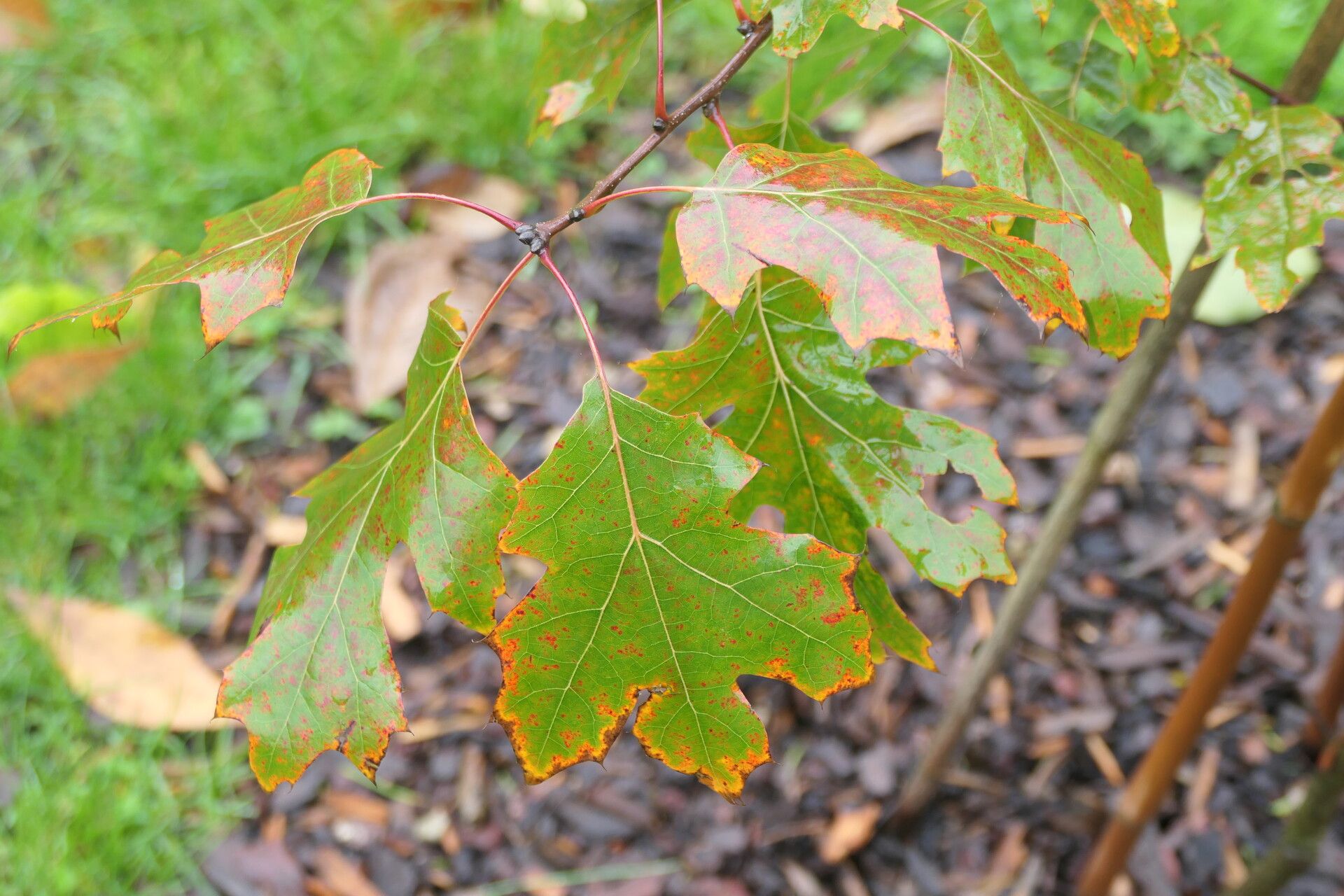
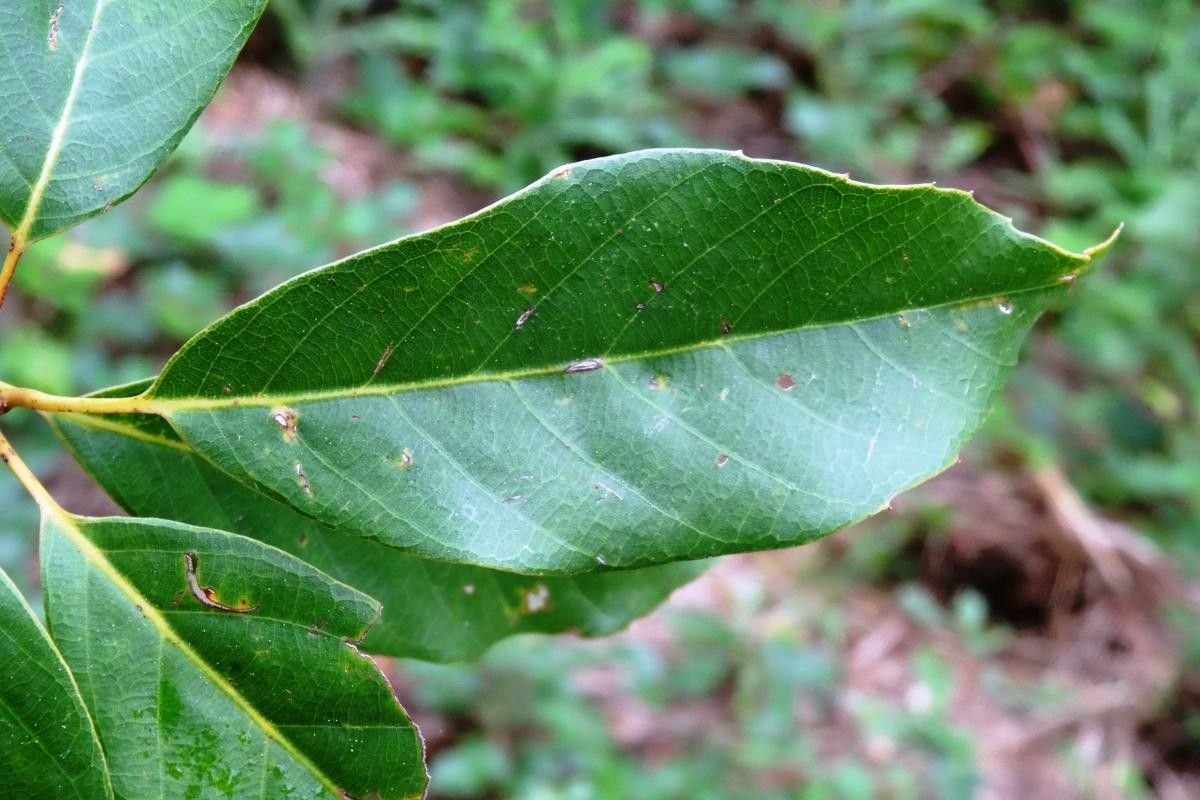
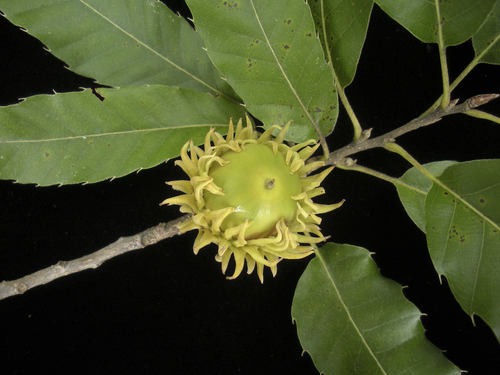
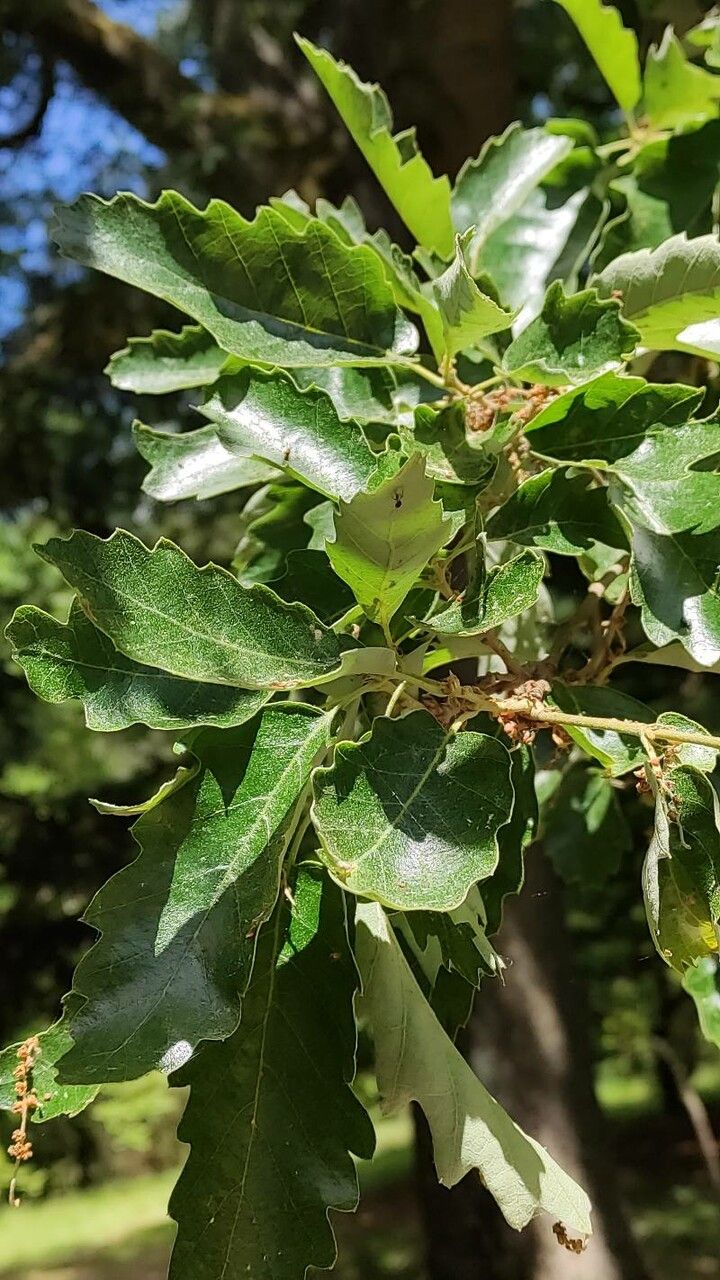
Quercus annulata is the accepted name of a tree species in the Asian sub-genus of 'ring-cupped oaks' and the family Fagaceae; there are no known subspecies.This oak tree has oblong, caudate leaves, 100–120 mm with glaucous undersides. It has been recorded from the Himalayas to Vietnam: the latter in the Phan Xi Păng area, where it may be called sồi vòng.
Bastard oak is resistant to disease and generally not susceptible to illnesses. Regarding care, this plant is fairly low-maintenance. When grown outdoors it needs only light watering, and larger specimens typically do not require pruning. Smaller plants, however, should be pruned after they finish blooming. Bastard oak is suitable for anyone with outdoor space, such as a garden or deck, and does not demand much gardening experience.
How to keep Quercus Annulata.
Fertilizer
Fertilize your Bastard oak in early spring to encourage healthy growth. Regular feeding improves overall health, leading to vigorous development, better tolerance of harsh conditions, and increased resistance to diseases and pests. Keep to a defined fertilization schedule for your Bastard oak to preserve vibrant, deeply colored foliage and a lush appearance.