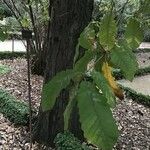
Quercus canariensis
Algerian oak · Mirbeck's oak · Mirbecks Oak · Canary oak
Description
Source: leafsnapQuercus canariensis, the Algerian oak, Mirbeck's oak or zean oak, is an oak in the section Quercus sect. Mesobalanus, native to southern Portugal, Spain, Tunisia, Algeria and Morocco. Despite the scientific name, it does not occur naturally today in the Canary Islands, though it may have in the past.
Care Guide
💧 Water
The Algerian oak thrives in Mediterranean climates, which feature wet winters and dry summers. While it can adapt to drought conditions, it prefers consistent moisture during its growth period. To support its growth, it is recommended to water it weekly. This oak species grows best outdoors in temperate regions and requires well-draining soil to prevent root rot.
☀️ Light Full sun
The Algerian oak requires a generous amount of sunlight for vigorous growth and can tolerate periods of reduced light. Coming from environments with abundant sun, it performs best under those conditions. Lack of sufficient sunlight can hinder its growth, while excessive exposure may cause it to wilt.
🌡️ Temperature 15–35°C
Algerian oak grows naturally in temperatures ranging from 59 to 95°F (15 to 35℃). Adapted to warmer climate zones, it requires careful adjustment of temperatures across seasons. Summers must be warm, while winters must be mild.
💨 Humidity
🪴 Soil 5-6
🌱 Fertilizer
To encourage healthy growth, fertilize your Algerian oak in early spring. Regular feeding boosts its overall health, producing vigorous growth, greater tolerance of harsh conditions, and improved resistance to pests and diseases. Follow a consistent fertilization schedule for your Algerian oak to preserve lush foliage with deep color and a full appearance.
🪴 Pot & Repot
✂️ Pruning
The Algerian oak is a hardy deciduous tree known for its abundant foliage. To promote healthy growth and reduce disease risk, it's important to prune the tree during the winter months, from early to late winter. Focus on removing dead or crossing branches to improve air circulation and allow more sunlight to reach the inner parts of the tree. Regular winter pruning helps maintain the tree's structure and overall health.
🌿 Propagating
🐛 Diseases & pets
☠️ Toxicity
Characteristics
- Plant Type
- Tree
- Life Cycle
- Perennial
- Genus
- Quercus
- Family
- Fagaceae
- Hardiness Zone
- 7-10
- Mature Height
- 20.12 m to 29.87 m
- Mature Spread
- 14.94 m to 17.98 m
- Leaf Color
- Dark Green, Olive Drab
- Leaf Type
- Evergreen
- Flower Size
- 4.06 cm to 7.62 cm
- Bloom Time
- Mid spring, Late spring
- Planting Time
- Spring, Summer
- Harvest Time
- Late summer, Early fall, Mid fall
- Native Area
- Tunisia, Spain, Algeria, Morocco, Portugal