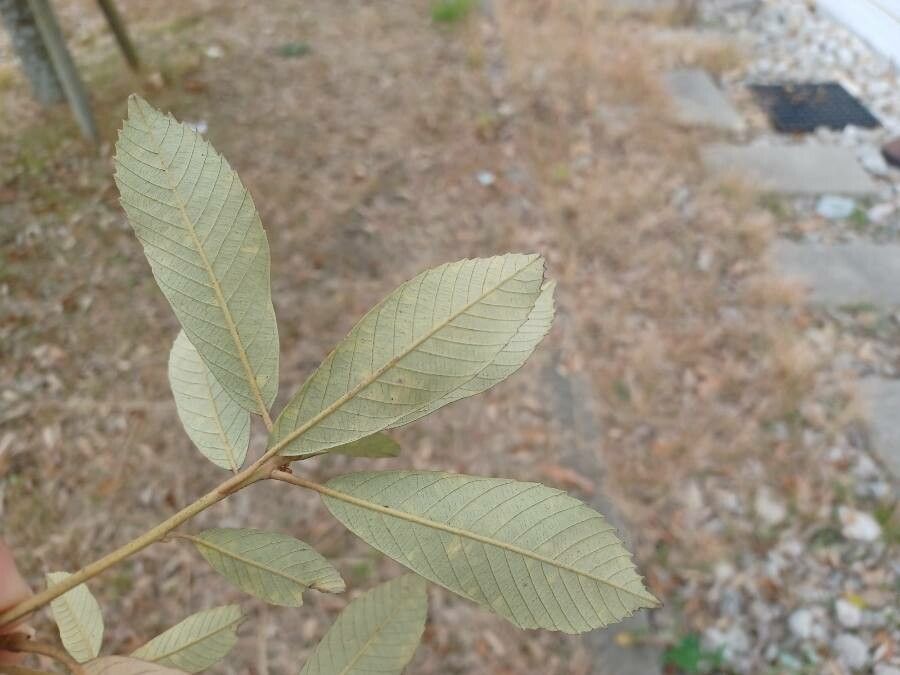
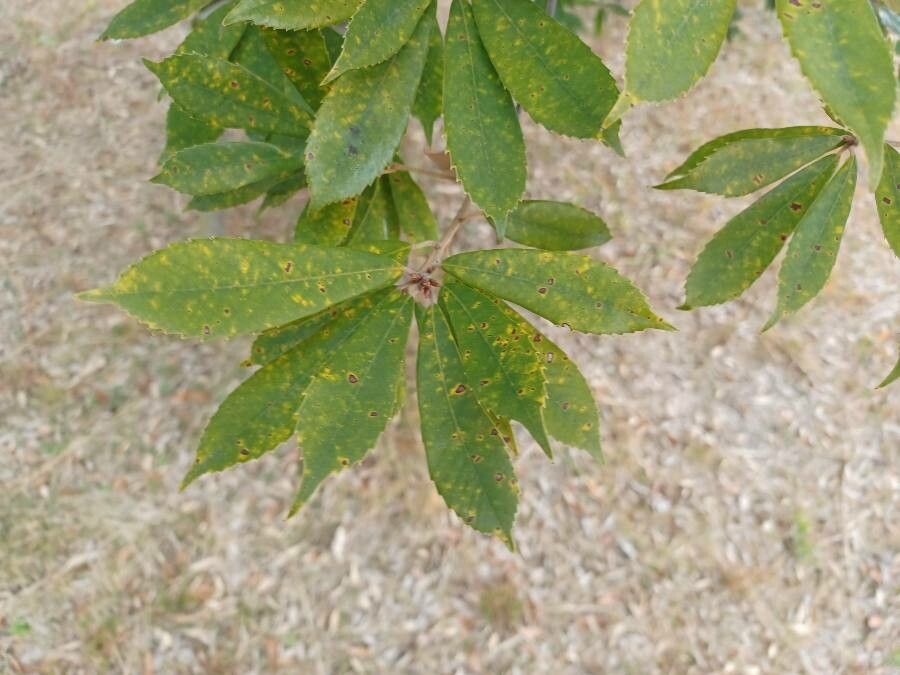
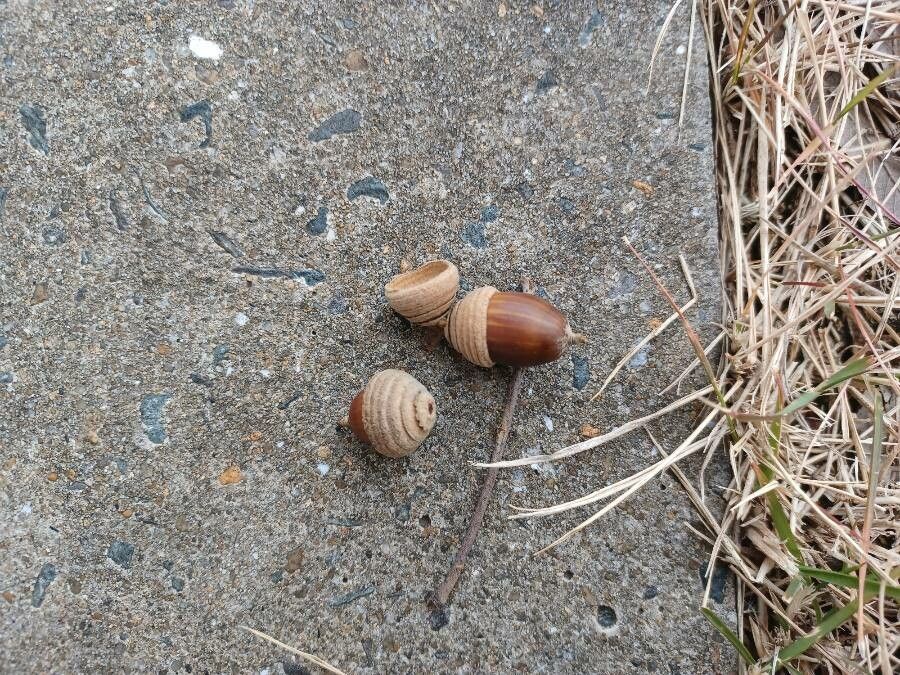
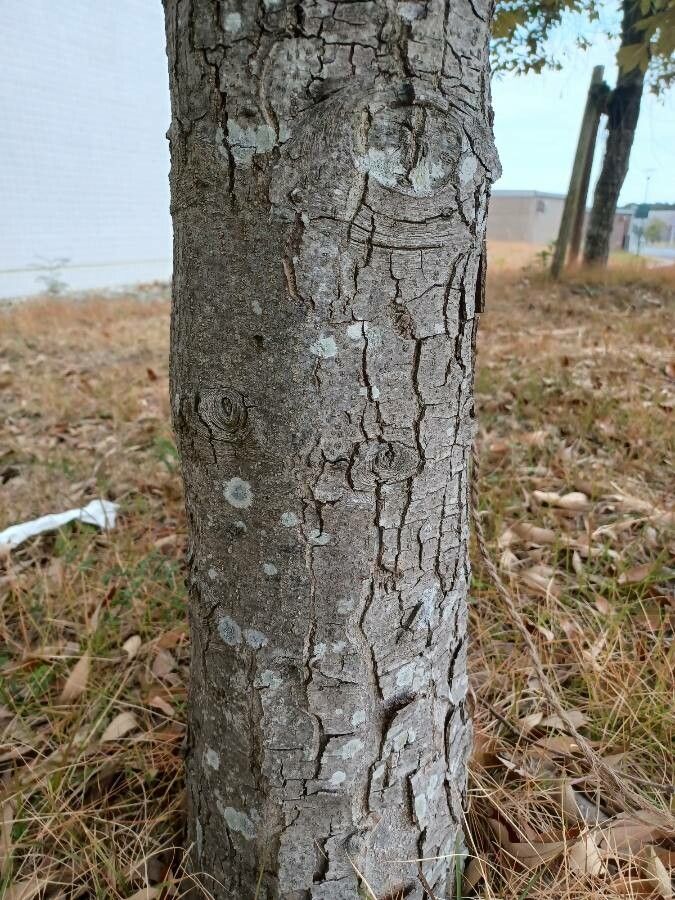
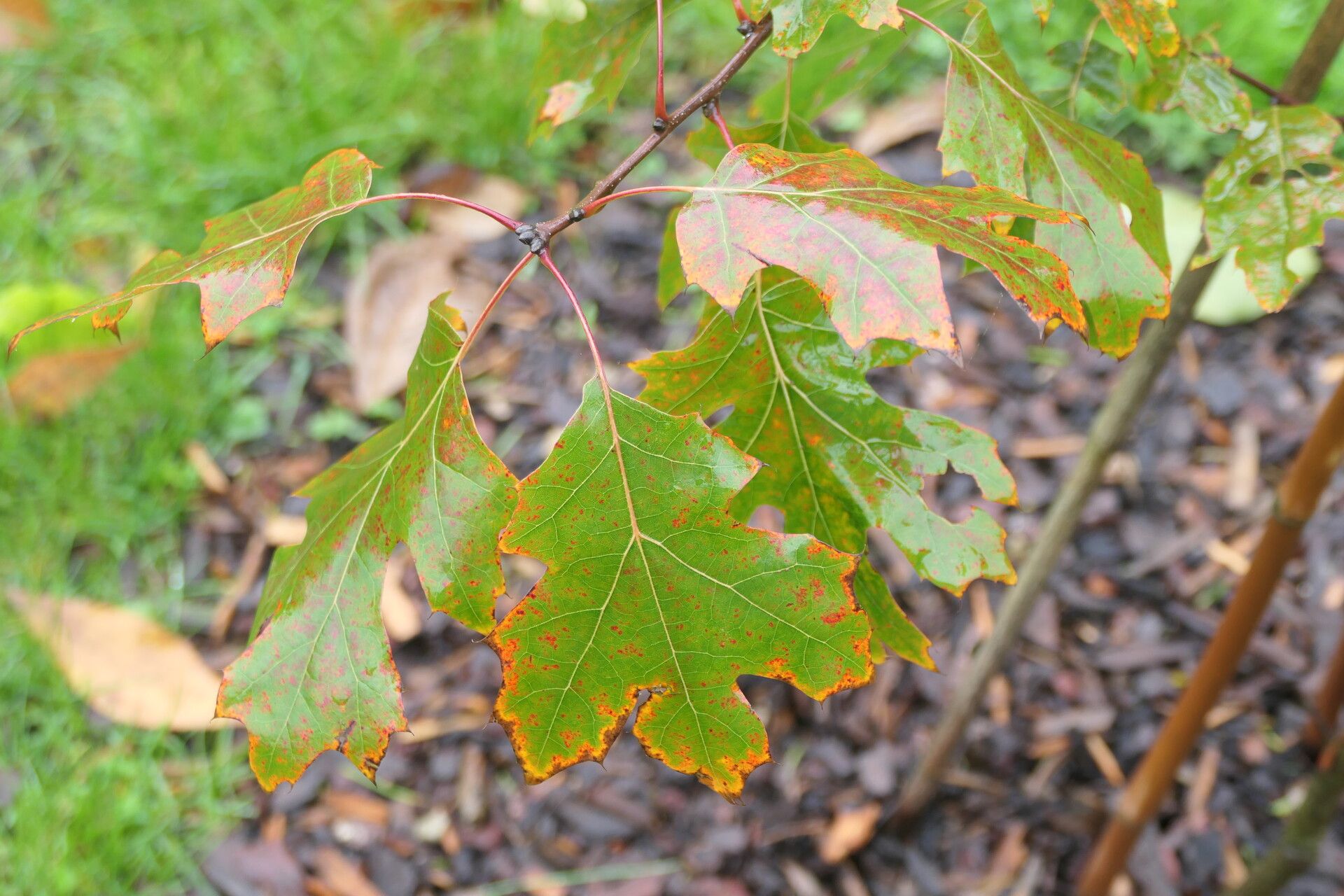
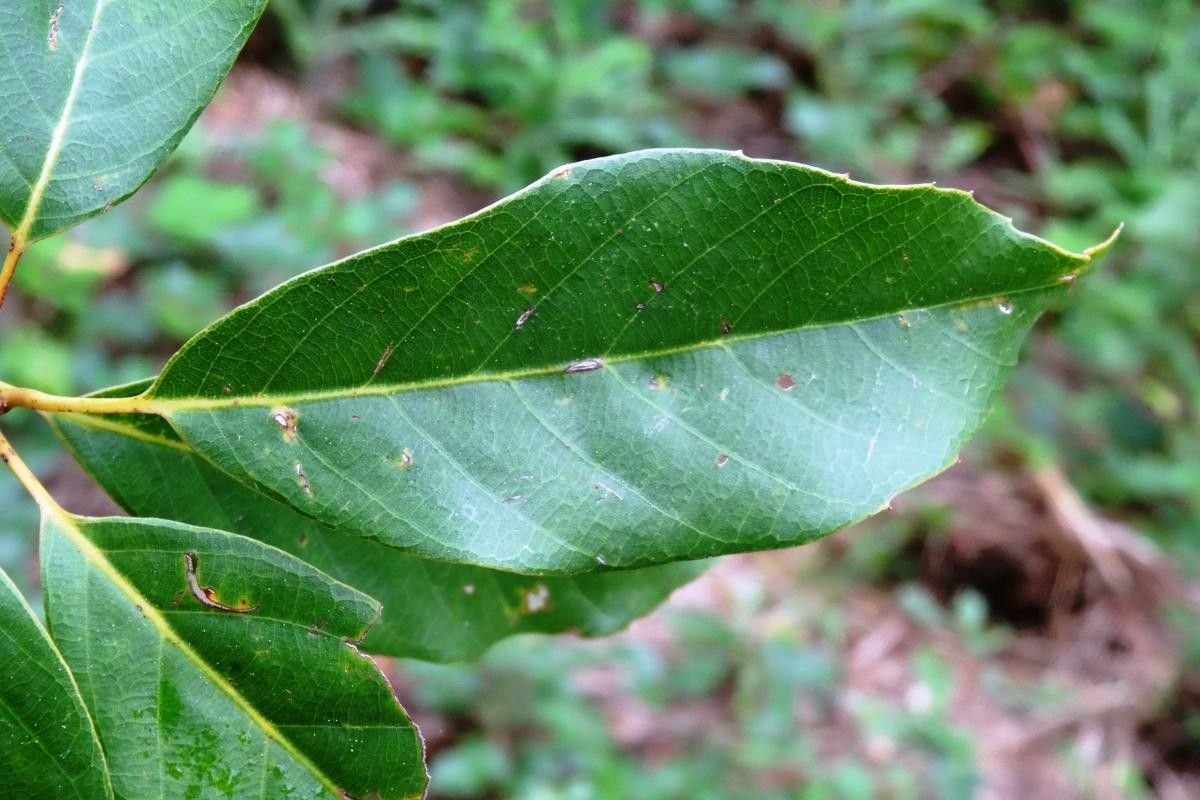
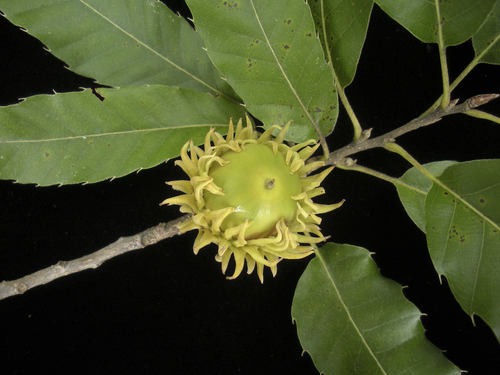
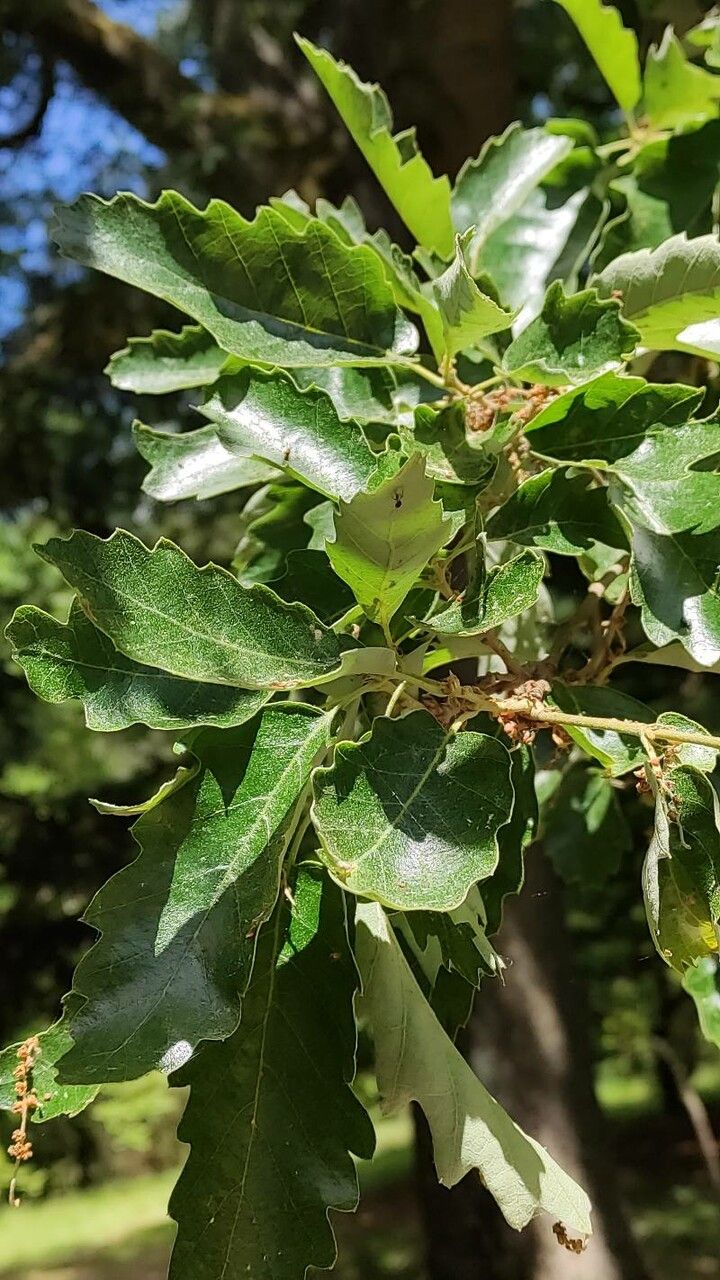
Quercus gilva, the red-bark oak, is a species of tree in the beech family. It has been found in Japan, Korea, and southeastern China (Fujian, Guangdong, Guizhou, Hunan, Taiwan, Zhejiang).Quercus gilva is a tree which grows to 30 meters (98 ft) tall with orangish-brown twigs. Leaves can be as much as 12 cm long (4.7 in).
Red-bark oak is fairly resistant to disease and is generally not susceptible to illnesses. In terms of care, this species is relatively low-maintenance. When planted outdoors it needs little watering, and larger specimens typically do not require pruning. Smaller plants should be pruned after they have finished blooming. Red-bark oak is suitable for anyone with outdoor space, such as a garden or a deck, and does not demand extensive care experience.
How to keep Quercus Gilva.
Light
Red-bark oak comes from open habitats, such as sunny meadows and forest edges, where light is plentiful. It performs best in Full Sun but will also tolerate Partial Sun, demonstrating good adaptability to different light conditions.
Water
The Red-bark oak is drought-tolerant and thrives with consistent moisture, needing to be watered twice a week. Outdoor conditions may require adjusting the watering schedule based on rainfall to prevent stress and promote optimal growth.
Temperature
Red-bark oak is native to regions where temperatures commonly range from 59 to 95 °F (15 to 35 ℃). This plant's preferred temperatures fall within that range, and seasonal adjustments should be made, particularly during extreme temperatures.
Fertilizer
Fertilize your Red-bark oak in early spring to encourage healthy growth. Regular feeding improves the tree’s overall health, producing vigorous growth, increased tolerance of difficult conditions, and enhanced resistance to pests and diseases. Keeping to a consistent fertilization schedule for your Red-bark oak will ensure foliage that is vibrant, deeply colored, and lush in appearance.
Pruning
Red-bark oak, known for its striking red stems and broad leaves, flourishes with pruning in early spring. To promote healthy growth, remove any dead or diseased branches and thin out crowded areas to improve airflow. This practice helps shape the plant, control its height, and enhance the garden's overall aesthetics.
Botanical profile.
- Plant Type
- Tree
- Life Cycle
- Perennial
- Genus
- Quercus
- Family
- Fagaceae
- Hardiness Zone
- 7-10
- Mature Height
- 29.87 m
- Mature Spread
- 20.12 m
- Leaf Color
- Dark Green, Olive Drab
- Leaf Type
- Deciduous
- Flower Color
- Green
- Flower Size
- 6.35 cm to 11.43 cm
- Bloom Time
- Mid spring, Late spring
- Planting Time
- Spring, Autumn
- Harvest Time
- Late summer, Early fall, Mid fall
- Native Area
- South Korea, Japan, China
Other names.
Reader questions.
What are the sunlight requirements for a Red-bark oak?
The Red-bark oak, known botanically as Quercus gilva, thrives in conditions with specific amounts of sunlight. To ensure the health and happiness of this plant, it requires 'Full sun' which is defined as receiving above 6 hours of sunlight daily, or 'Partial sun,' meaning the plant should get about 3-6 hours of sunlight each day. It's important to observe the movement of sunlight through your garden to identify spots that offer the ideal balance of light and shade, as highlighted in the guidance to watch how sunlight gracefully dances through your garden. This observation ensures your Red-bark oak's environmental needs are met, promoting its well-being.
What is the scientific name of Red-bark oak?
The scientific name of Red-bark oak is Quercus gilva.
What are the temperature preferences for Red-bark oak?
Red-bark oak thrives in temperatures that commonly range from 59 to 95 °F (15 to 35 °C). This indicates the plant prefers these conditions, and adjustments to its environment should be considered seasonally, especially during extreme temperatures to ensure its health and growth.