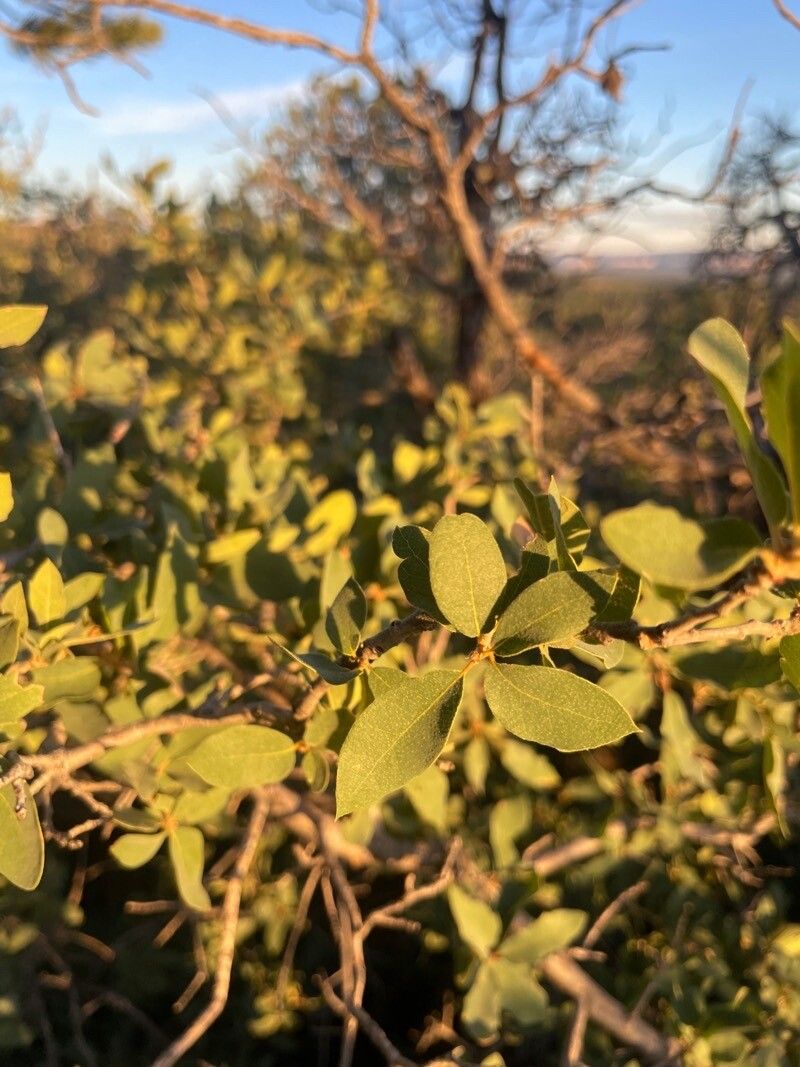
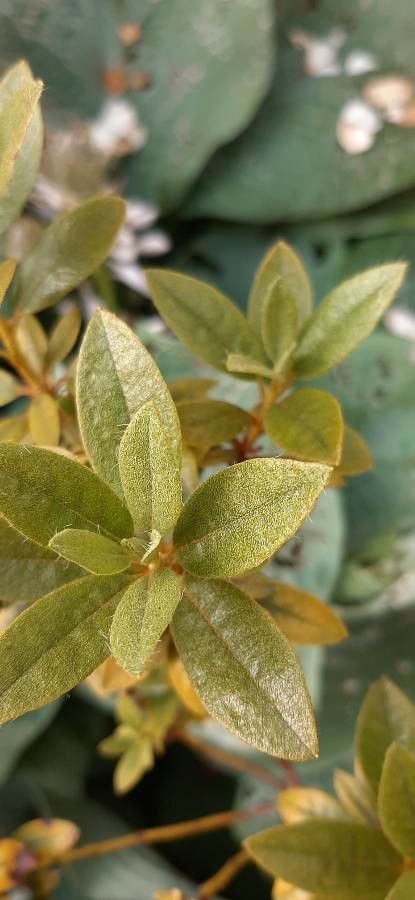
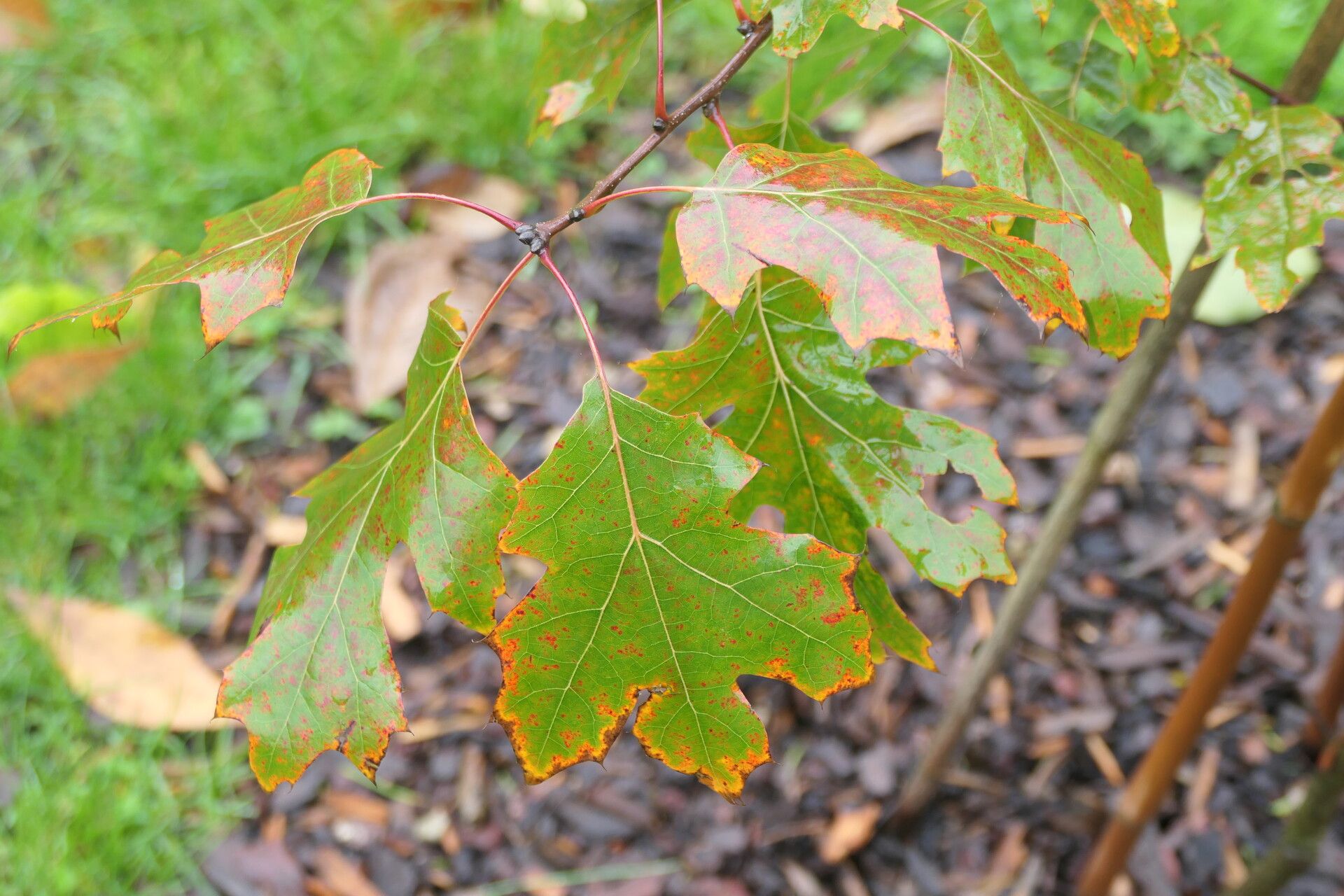
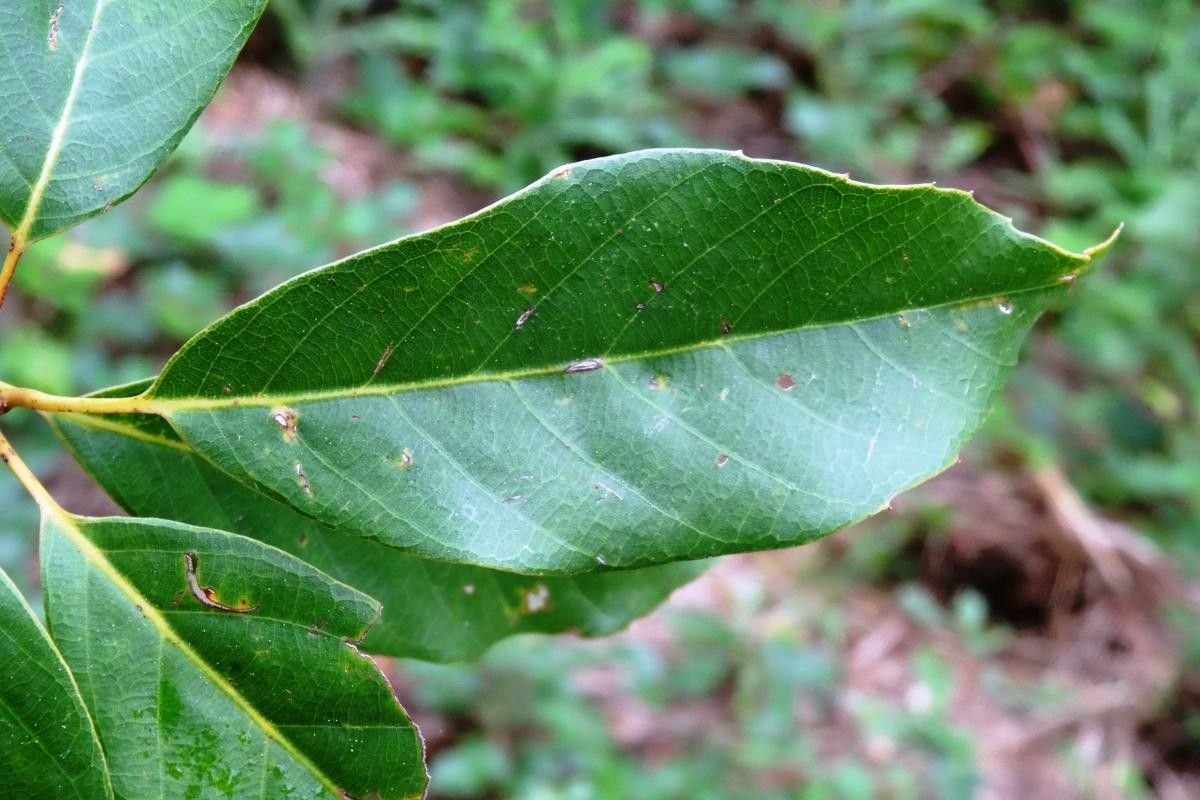
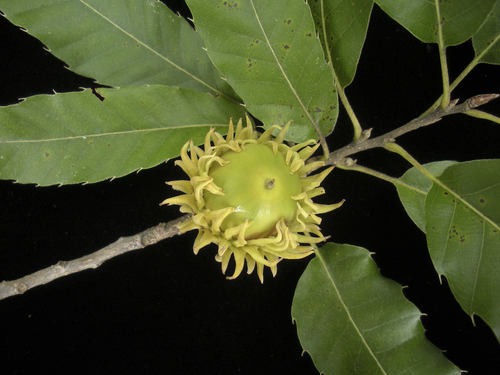
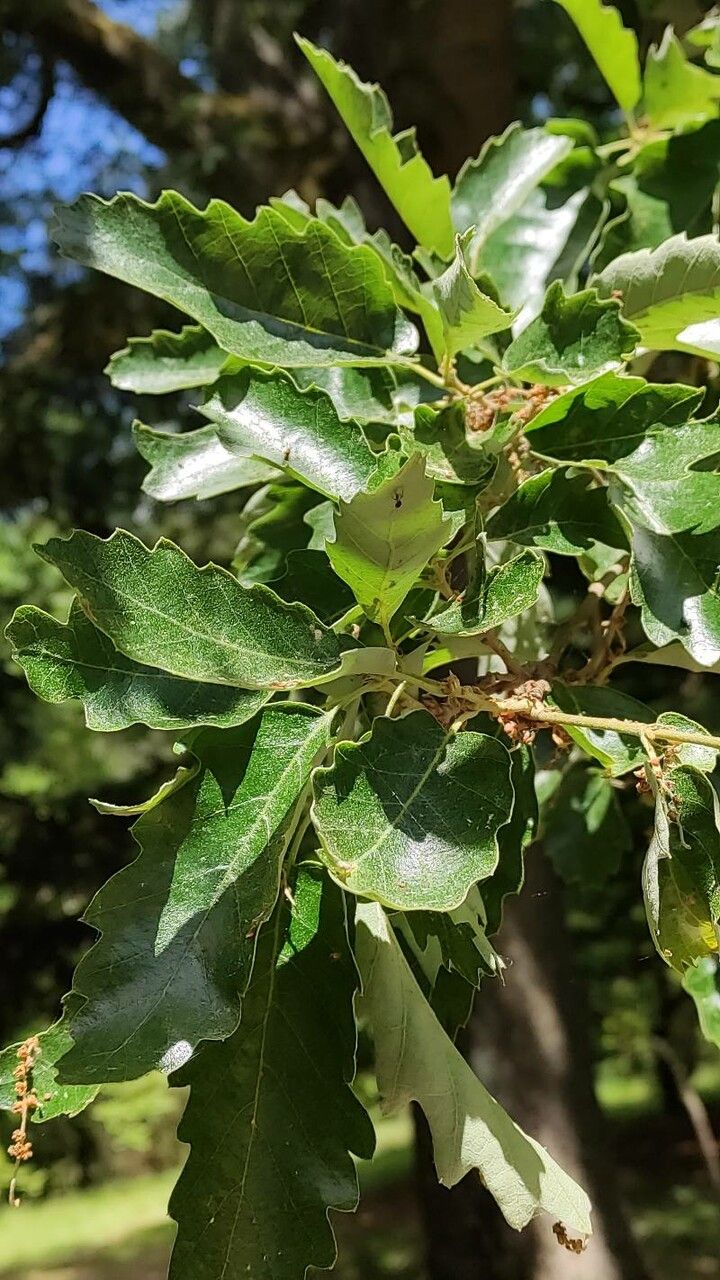
Quercus grisea, commonly known as the gray oak, shin oak or scrub oak, is a North American species deciduous or evergreen shrub or medium-sized tree in the white oak group. It is native to the mountains of the southwestern United States and northern Mexico. It hybridises with four other oak species where the ranges overlap, the Arizona white oak (Q. arizonica), the Gambel oak (Q. gambelii), the Mohr oak (Q. mohriana) and the sandpaper oak (Q. pungens).
Gray oak is resistant to disease and generally not susceptible to illnesses. With regard to care, this plant is fairly low-maintenance. When grown outdoors it needs little watering, and larger specimens typically do not require pruning. Smaller specimens, however, should be pruned after they finish blooming. Gray oakt is appropriate for anyone who has an outdoor area, such as a garden or deck, and it does not demand much experience in plant care.
How to keep Quercus Grisea.
Light
Gray oak comes from open environments, such as sunny meadows and forest edges, which provide abundant light. It does best in Full Sun but can also tolerate Partial Sun, adapting well to different sunlight conditions.
Water
Gray oak thrives in environments with balanced sunlight and moisture levels, and it shows a moderate tolerance to drought. For optimal health, it needs to be watered weekly. If you're growing it indoors, maintaining adequate humidity is crucial, particularly during its active growing season when it absorbs more water.
Temperature
Gray oak is quite adaptable to temperature, able to endure higher heat and wide temperature fluctuations. During hot periods, it is important to ensure adequate watering and provide suitable shade to prevent sunburn. Conversely, gray oak is relatively sensitive to low temperatures; while it can tolerate some cold, excessively cold conditions may cause frost damage.
Fertilizer
Fertilize your Gray oak in early spring to encourage healthy growth. Regular feeding improves overall health, producing vigorous growth, increased tolerance of adverse conditions, and enhanced resistance to pests and diseases. Follow a consistent fertilization routine for your Gray oak to maintain bright, richly colored foliage and a lush appearance.
Pruning
Gray oak trees have sturdy branches and dense foliage. To maintain their health, prune them in early spring. This involves removing any dead or crossing branches to enhance air circulation and light exposure. Regular thinning helps keep the tree healthy, improves its appearance, and extends its lifespan. Additionally, it reduces the risk of pests, ensuring vigorous growth.
Botanical profile.
- Plant Type
- Tree
- Life Cycle
- Perennial
- Genus
- Quercus
- Family
- Fagaceae
- Hardiness Zone
- 6-9
- Mature Height
- 10.97 m to 21.95 m
- Mature Spread
- 7.92 m to 11.89 m
- Leaf Color
- Gray, Dark Gray
- Leaf Type
- Evergreen, Semi-evergreen
- Bloom Time
- Mid spring, Late spring
- Planting Time
- Summer, Autumn
- Harvest Time
- Late summer, Early fall, Mid fall
- Native Area
- Mexico
Other names.
Reader questions.
What are the sunlight requirements for Gray oak (Quercus grisea)?
The Gray oak (Quercus grisea) has specific sunlight requirements to thrive. It needs full sun, which means it should receive above 6 hours of sunlight daily. Alternatively, it can also grow in partial sun, requiring about 3-6 hours of sunlight. It's important to watch how sunlight moves through your garden, selecting locations that provide the perfect balance of light and shade, ensuring the well-being of your plants.
What is the botanical name of Gray oak?
The botanical name of Gray oak is Quercus grisea.