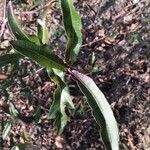
Quercus hemisphaerica
Darlington oak · Laurel oak · Darlington's Oak
Description
Source: leafsnapQuercus hemisphaerica (sand laurel oak, laurel oak, Darlington oak, laurel-leaf oak) is a species of oak native to the southeastern and south-central United States. It is in the red oak section Quercus sect. Lobatae. It is often confused with and closely related to the Quercus laurifolia (swamp laurel oak) in which it differs in several key characteristics.
🌳 Surprisingly, the well-known southern live oak provides more than just shade with its imposing size. Beekeepers value it because it supplies abundant nectar that bees use to produce honey. In the past, its strong timber, which naturally had a low center of gravity, was vital for constructing the frames of 19th-century naval ships, especially those of the U.S. Navy. Today, that durable wood is sought after for making furniture with a distinctive, timeless appeal. Its acorns also serve as an important food source for many wild animals.
🎭 Security, Health, Wealth, Freedom
Care Guide
💧 Water
The Darlington oak thrives in moderately humid environments and needs watering every 1-2 weeks to stay healthy. As a deciduous tree, it sheds its leaves during dry periods to conserve water and reduce moisture loss through transpiration.
☀️ Light Full sun
Southern live oak grows best in places that receive abundant sunlight for most of the day. It can also adapt to settings where it gets sun for roughly half the day. Too few hours of sunlight can negatively affect its health. Its resilience stems from originating in a variety of habitats with differing levels of sun exposure.
What are the sunlight requirements for a Darlington oak (Quercus hemisphaerica)?
A Darlington oak, known botanically as Quercus hemisphaerica, thrives in conditions where it can receive full sun or partial sun. Full sun means the plant should get more than 6 hours of sunlight daily, while partial sun refers to about 3-6 hours of sunlight per day. It's important to watch how sunlight moves through your garden throughout the day. Choosing optimal planting spots that provide a good balance of light and shade ensures the health and happiness of your plants.
🌡️ Temperature 15–37.8°C
In its native habitat, southern live oak is found in regions with average temperatures of 15 to 38 ℃ (59 to 100.4 ℉). It favors full sun and tolerates a broad range of temperatures. During the summer months, it is recommended to provide ample water to help the tree adjust to high temperatures.
What is the botanical name of the Darlington oak?
The botanical name of the Darlington oak is Quercus hemisphaerica.
💨 Humidity
🪴 Soil 5-6
🌱 Fertilizer
Fertilize your Southern live oak in early spring to encourage healthy growth. Consistent fertilization improves overall health, producing robust growth, increased tolerance of harsh conditions, and enhanced resistance to diseases and pests. Keep a defined fertilization schedule for your Southern live oak to preserve vibrant, deeply colored foliage and a lush, full appearance.
🪴 Pot & Repot
✂️ Pruning
The Darlington oak is known for its distinctive lobed leaves and the acorns it produces. To ensure the tree's healthy growth, it is important to prune it effectively, especially in early spring. This involves removing dead branches and shaping the tree. Pruning improves air circulation, reduces the risk of diseases, and helps maintain the tree's structural integrity. For the best care practices, consult reliable horticultural sources.
🌿 Propagating
🐛 Diseases & pets
☠️ Toxicity
Characteristics
- Plant Type
- Tree
- Life Cycle
- Perennial
- Genus
- Quercus
- Family
- Fagaceae
- Hardiness Zone
- 8-11
- Mature Height
- 14.94 m to 35.05 m
- Mature Spread
- 17.98 m to 29.87 m
- Leaf Color
- Green
- Leaf Type
- Evergreen
- Flower Color
- Yellow, Green
- Flower Size
- 0.20 cm to 0.25 cm
- Bloom Time
- Mid spring, Late spring
- Planting Time
- Spring, Summer, Autumn, Winter
- Harvest Time
- Mid summer, Late summer, Fall, Winter
- Native Area
- Mexico