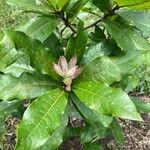
Quercus humboldtii
Andean oak
Description
Source: leafsnapQuercus humboldtii, commonly known as the Humboldt oak or Andean oak, is a tree species belonging to the Fagaceae family. Native to South America, this tree can be found in Colombia, Ecuador, Peru, and Venezuela. It can grow up to 40 meters tall and is characterized by a broad crown with thick branches. The leaves of Quercus humboldtii are simple, alternate, and elliptical in shape. They exhibit a dark green color on the top and a lighter green underside with small hairs. The bark of the tree is grayish-brown and features deep furrows. The tree produces acorns, which serve as an important food source for wildlife, including birds, squirrels, and deer. The wood of Quercus humboldtii is highly valued for its strength and durability, making it ideal for construction purposes. Humboldt oak prefers moist soils but can tolerate dry conditions once established. It thrives best in full sun or partial shade but does not fare well in heavy shade. Overall, Quercus humboldtii plays a significant role in its ecosystem by providing food for wildlife. Additionally, humans utilize this tree for various purposes, including construction materials and fuelwood production.
Care Guide
💧 Water Every 7 days
Originating from Colombia's mountainous regions, the Andean oak needs to be watered every 2-3 weeks to thrive. It has a moderate tolerance to drought and is primarily grown outdoors. Applying mulch is helpful for retaining moisture, especially during its active growing season.
☀️ Light Full sun
The Andean oak does best when it gets steady, full sunlight for most of the day. It can tolerate a certain amount of shade as well. However, too much or too little light can weaken it and result in poor growth. Its native habitat indicates a preference for strong sunlight.
What are the sunlight requirements for Andean oak?
Andean oak, or Quercus humboldtii, thrives in areas that receive constant and comprehensive sunlight for the majority of the day, showing a strong affinity for sunlight due to its origin habitat. It needs full sun, defined as above 6 hours of sunlight, but it can also tolerate partial sun, which is about 3-6 hours of sunlight. However, both overexposure and underexposure to sunlight can affect the plant's health negatively, leading to unhealthy growth.
How can artificial lighting benefit indoor plants like Andean oak?
Indoor plants, including the Andean oak, require adequate lighting for optimal growth, especially when natural sunlight is insufficient. During winter or in less sunny spaces, artificial lights can be a vital solution. LED lights, being customizable to provide specific wavelengths, are popular for indoor plant lighting. Full sun plants need 30-50W/sq ft of artificial light, partial sun plants require 20-30W/sq ft, and full shade plants need 10-20W/sq ft. The appropriate distance to place the light source is 12-36 inches above the plant, mimicking natural sunlight and promoting faster, healthier growth. Moreover, mimicking the natural daylight hours, most plants need 8-12 hours of light per day.
What are the symptoms of light deficiency in Andean oak?
When Andean oak is placed in rooms with insufficient lighting, especially indoors during winter, symptoms of light deficiency include small, mature leaves growing smaller in size, leggy or sparse growth resulting in a thin appearance, faster leaf drop to conserve resources, slower or no new growth indicating a survival mode, and lighter-colored new leaves due to lack of chlorophyll. Conditions like chlorosis (yellowing leaves), sunscald (damage from intense exposure), leaf curling, wilting, and leaf scorching also manifest, indicating either excessive sunlight or inadequate sunlight exposure.
How can you address and rectify sunlight-related issues for Andean oak?
To address sunlight deficiencies or overexposure for Andean oak, consider the following solutions: For indoor plants, gradually move them to a sunnier location each week until they receive at least 6 hours of direct sunlight daily, utilizing a south-facing window. Use artificial light, like desk or ceiling lamps or professional grow lights, for at least 8 hours daily to supplement light. For outdoor plants, transition them gradually to sunnier spots to avoid sunburn. If obstructions like trees block sunlight, pruning can help. For smaller plants that can be moved, transplanting during the dormant period, late winter or early spring, to a location with ample sunlight and good drainage is advisable. However, parts of the plant that were previously affected by insufficient sunlight may not recover, but new growth should be healthy with improved light exposure.
🌡️ Temperature 20–37.8°C
The Andean oak originates from areas where temperatures fall between 68 and 100 °F (20 to 38 ℃). It favors a warmer climate. Seasonal care may involve supplying extra shade or additional watering during peak summer or in regions with higher temperatures.
What is the native environment of Andean oak?
Andean oak, or Quercus humboldtii, is native to environments where temperatures range from 68 to 100°F (20 to 38°C), indicating a preference for warmer climates. It thrives in conditions where it can receive consistent warmth, necessitating seasonal adjustments such as additional shade or hydration during peak summer or in areas with higher temperatures. Extremely heat-loving, Andean oak suffers in cold temperatures, making it crucial to take measures like moving outdoor-grown plants indoors during autumn, placing them by a bright window while avoiding direct heat sources, and ensuring winter temperatures remain above 20°C for optimal growth.
How does low temperature affect Andean oak and what are the solutions?
Andean oak prefers warm temperatures and does not tolerate cold well, thriving best above 20°C and requiring winter temperatures to remain above 10°C. Exposure to temperatures below 5°C may cause the leaves to lighten in color, which, following frost damage, turn brown or black. Symptoms like wilting and drooping can occur under such stress. To mitigate these issues, it's advised to trim off the frost-damaged portions and move the plant indoors to a warmer setting. Placing the plant near a south-facing window ensures it receives sufficient sunlight, but it should be kept away from direct heat sources like heaters or air conditioning vents to avoid air dryness.
What should be done if Andean oak is exposed to high temperatures?
When facing summer's peak, it's crucial to ensure that the temperature around Andean oak remains below 38°C, as exceeding 43°C can cause the leaves to lighten and increase susceptibility to sunburn. To ameliorate the effects of excessive heat, sunburned and dried-out parts of the plant should be trimmed away. Relocating the plant to a shaded area can protect it from the harsh midday and afternoon sun. Watering the plant in the early morning and evening helps maintain soil moisture, thus providing a more suitable environment for the Andean oak during high-temperature periods.
💨 Humidity
🪴 Soil 5-6
🌱 Fertilizer
Fertilizing is essential for the care of the Andean oak. Regular feeding during the growing season preserves energy for its showy foliage and encourages overall growth. Failing to fertilize can lead to unhealthy leaves, reduced ornamental value, and stunted or weak growth that is more susceptible to breakage.
🪴 Pot & Repot
✂️ Pruning
The Andean oak is a robust tree with wide leaves. To encourage healthy growth and improve air circulation, prune dead branches and thin out crowded areas during its dormant period in late winter. Make sure to use clean, sharp tools to minimize damage and prevent disease, while also enhancing the tree's aesthetic appeal.
🌿 Propagating
🐛 Diseases & pets
☠️ Toxicity
Characteristics
- Plant Type
- Tree
- Life Cycle
- Perennial
- Genus
- Quercus
- Family
- Fagaceae
- Hardiness Zone
- 11
- Mature Height
- 24.99 m
- Mature Spread
- 91 cm
- Leaf Color
- Dark Green, Forest Green
- Leaf Type
- Evergreen
- Flower Color
- Green
- Flower Size
- 0.51 cm to 0.76 cm
- Bloom Time
- Early spring, Mid spring
- Planting Time
- Spring, Summer, Autumn
- Harvest Time
- Late summer, Early fall, Mid fall
- Native Area
- Colombia, Panama