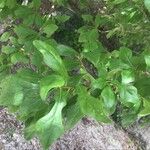
Quercus ilicifolia
Bear oak · Scrub Oak
Description
Source: leafsnapQuercus ilicifolia, commonly known as bear oak, is a small to medium-sized deciduous tree native to the eastern United States. It typically grows up to 30 feet tall and features a rounded crown with dense foliage. The leaves are dark green, glossy, and have spiny teeth along the edges, resembling those of holly trees. The tree's bark is grayish-brown and deeply furrowed. Bear oak produces small acorns that serve as an important food source for wildlife, including bears, deer, squirrels, and birds. Additionally, it provides habitat for various insect species. This tree thrives in well-drained soils and prefers full sun or partial shade. Once established, it can tolerate drought conditions. Bear oak is commonly found in dry upland forests or rocky areas throughout its range. Native Americans have used bear oak for medicinal purposes, such as treating diarrhea and dysentery. Its wood is also valued for fuel and charcoal production due to its high density. Overall, Quercus ilicifolia plays a crucial ecological role in its native habitat and holds cultural significance through its traditional uses by indigenous peoples.
🎭 Freedom, Manhood
Care Guide
💧 Water Every 7 days
Bear oak thrives in moist, well-draining soil commonly found in woodland habitats and needs watering every three weeks. It flourishes in moderate humidity and benefits from mulching, which helps retain moisture. This makes bear oak well-suited for outdoor cultivation, as it can effectively handle slight dry periods.
☀️ Light Full sun
Evergreen oak grows best with plentiful daylight, though it can adjust to moderate light levels. Its native habitat conditions make it tolerant of a range of light intensities. However, too little light or excessive exposure can hinder its healthy growth.
What are the sunlight requirements for Bear Oak?
Bear Oak requires full sun, which means it needs above 6 hours of sunlight per day, but it can also thrive in partial sun, receiving about 3-6 hours of sunlight. It's crucial to observe the movement of sunlight through your garden to ensure your Bear Oak gets the perfect balance of light and shade. This balance is essential for the plant's happiness and growth. It's notable that both insufficient and excessive sunlight can be detrimental to the plant's well-being.
How important is sunlight for Bear Oak, and can artificial lighting be used?
Sunlight is vital for the health and growth of Bear Oak, as it thrives best in environments with ample sun exposure but can also survive with limited sunlight. In cases where natural sunlight is insufficient, especially during winter or in less sunny spaces, artificial lights such as LED lights can be utilized. These lights need to be adjusted to provide the intensity and duration of light appropriate for the plant's needs, mimicking natural sunlight. For full sun plants, 30-50W/sq ft is recommended, for partial sun plants 20-30W/sq ft, and for full shade plants 10-20W/sq ft of artificial light.
What are the symptoms of light deficiency in Bear Oak?
Bear Oak may show various symptoms when exposed to suboptimal lighting conditions, including smaller new leaves, leggy or sparse growth, faster leaf drop, slower or no new growth, lighter-colored new leaves, and symptoms of excessive sunlight exposure like chlorosis, sunscald, leaf curling, wilting, and leaf scorching. These symptoms indicate either a deficiency or an excess of sunlight, affecting the plant's ability to photosynthesize and maintain overall health.
How can I address light-related issues for my indoor, outdoor, or ground Bear Oak?
To optimize your Bear Oak's growth and address light-related issues, consider the following solutions: For indoor plants, gradually move them to sunnier locations to receive at least 6 hours of direct sunlight daily, use south-facing windows for maximum exposure, or provide artificial light for large or immovable plants. For outdoor plants, ensure a gradual adaptation to sunlight by moving them to sunnier spots weekly, avoiding sudden light intensity changes. For plants in the ground, reduce light obstructions by pruning nearby trees and, if necessary, transplant smaller plants during their dormant period to a sunnier location with good drainage. It's important to remember that parts of the plant affected by insufficient sunlight may not recover, but new growth will be healthy after adjusting light exposure.
🌡️ Temperature 5–35°C
Evergreen oak is naturally tolerant of temperatures from 41 to 95 °F (5 to 35 ℃). Native to temperate regions, it prefers cooler conditions. However, in severe winters or extremely hot summers, it is recommended to use protective measures to moderate the temperature.
What is the optimal temperature range for Bear Oak?
Bear Oak, with its botanical name Quercus ilicifolia, is indigenous to environments where temperatures range from 32 to 90 °F (0 to 32 °C). It thrives best within this temperature range. To ensure the plant's health, it may be necessary to adjust its surroundings during extreme seasons to prevent thermal stress. Although Bear Oak is highly cold-tolerant and does not require additional frost protection measures during winter, it is recommended to water the plant generously before the first freeze in autumn. This helps to ensure the soil remains moist when it enters a frozen state, thus preventing drought and water scarcity for the plant during winter and early spring.
What should be done if Bear Oak experiences temperatures below its cold tolerance?
Despite Bear Oak's remarkable cold tolerance, it is crucial to maintain winter temperatures above -35°C to prevent damage. If temperatures fall below this threshold, the plant may not show immediate signs of distress during winter; however, by springtime, the branches may become brittle and dry, and no new shoots will emerge. The recommended solution for this issue is to prune away any dead branches in spring that have failed to produce new leaves.
How should Bear Oak be cared for in high temperatures?
Bear Oak is not tolerant to high temperatures. Experiences above 32°C may lead to significant leaf drop, and in severe cases, the entire plant may wither and die. To mitigate damage from high temperatures, it's advised to trim away sunburned and dried-up parts of the plant. Moving the plant to a location that provides shade during the midday and afternoon sun, or creating shade with a cloth, can protect it. Additionally, watering the plant in the morning and the evening can keep the soil moist and assist in overcoming the stress of high temperatures.
💨 Humidity
🪴 Soil 6-7
🌱 Fertilizer
Fertilize your Evergreen oak in early spring to encourage healthy development. Regular feeding improves the tree's overall health, producing vigorous growth, better tolerance of harsh conditions, and stronger resistance to diseases and pests. Keep a consistent fertilization routine for your Evergreen oak to preserve foliage that is vibrant, richly colored, and lush in appearance.
🪴 Pot & Repot
✂️ Pruning
To maintain a healthy bear oak, it's best to prune it in early spring. This allows you to remove dead branches, improve air circulation, and enhance the tree's shape. Pruning while the tree is dormant helps minimize stress and encourages healthy growth. Regular maintenance not only keeps the tree's size manageable but also strengthens its structure, reducing the risk of diseases and pests.
🌿 Propagating
🐛 Diseases & pets
☠️ Toxicity
Characteristics
- Plant Type
- Tree
- Life Cycle
- Perennial
- Genus
- Quercus
- Family
- Fagaceae
- Hardiness Zone
- 5-9
- Mature Height
- 11.89 m to 21.03 m
- Mature Spread
- 11.89 m to 21.03 m
- Leaf Color
- Green
- Leaf Type
- Evergreen
- Flower Color
- Yellow, Green
- Flower Size
- 2.54 cm
- Bloom Time
- Mid spring, Late spring
- Planting Time
- Spring, Autumn
- Harvest Time
- Early spring, Mid spring, Mid summer, Late summer, Fall, Winter
- Native Area
- Russia, Turkey, Portugal, Italy, Spain, France, Montenegro, Albania, Greece, Croatia, Slovenia, Serbia