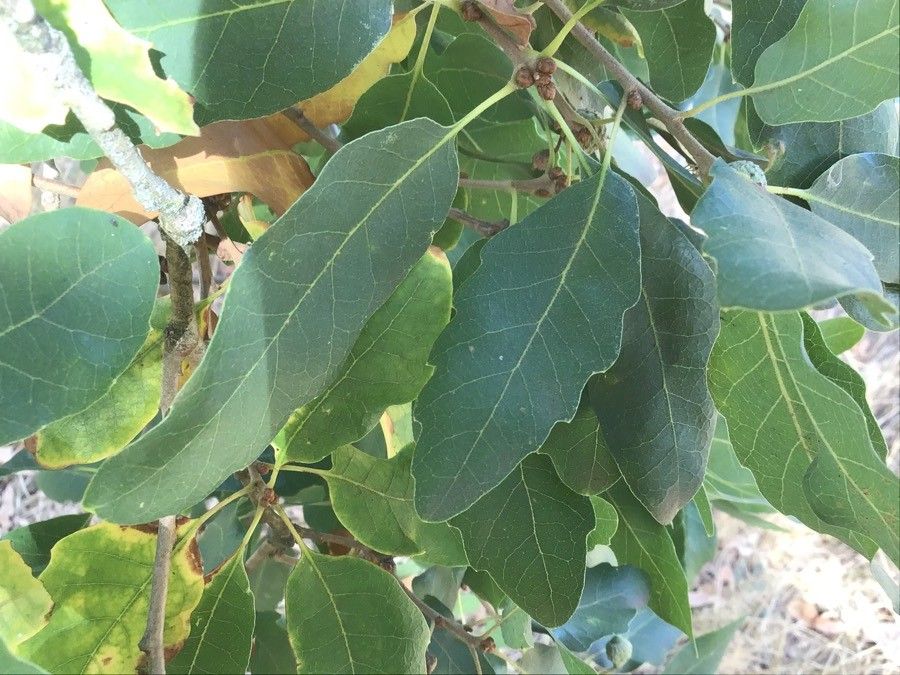
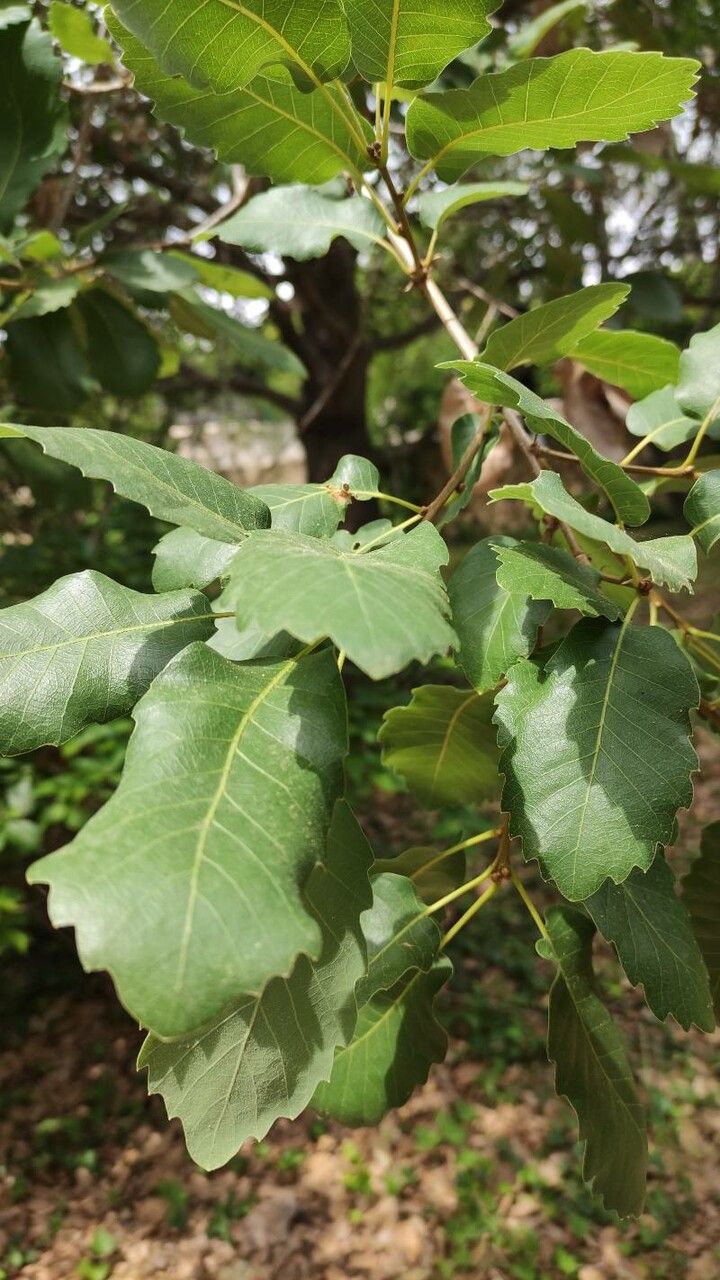
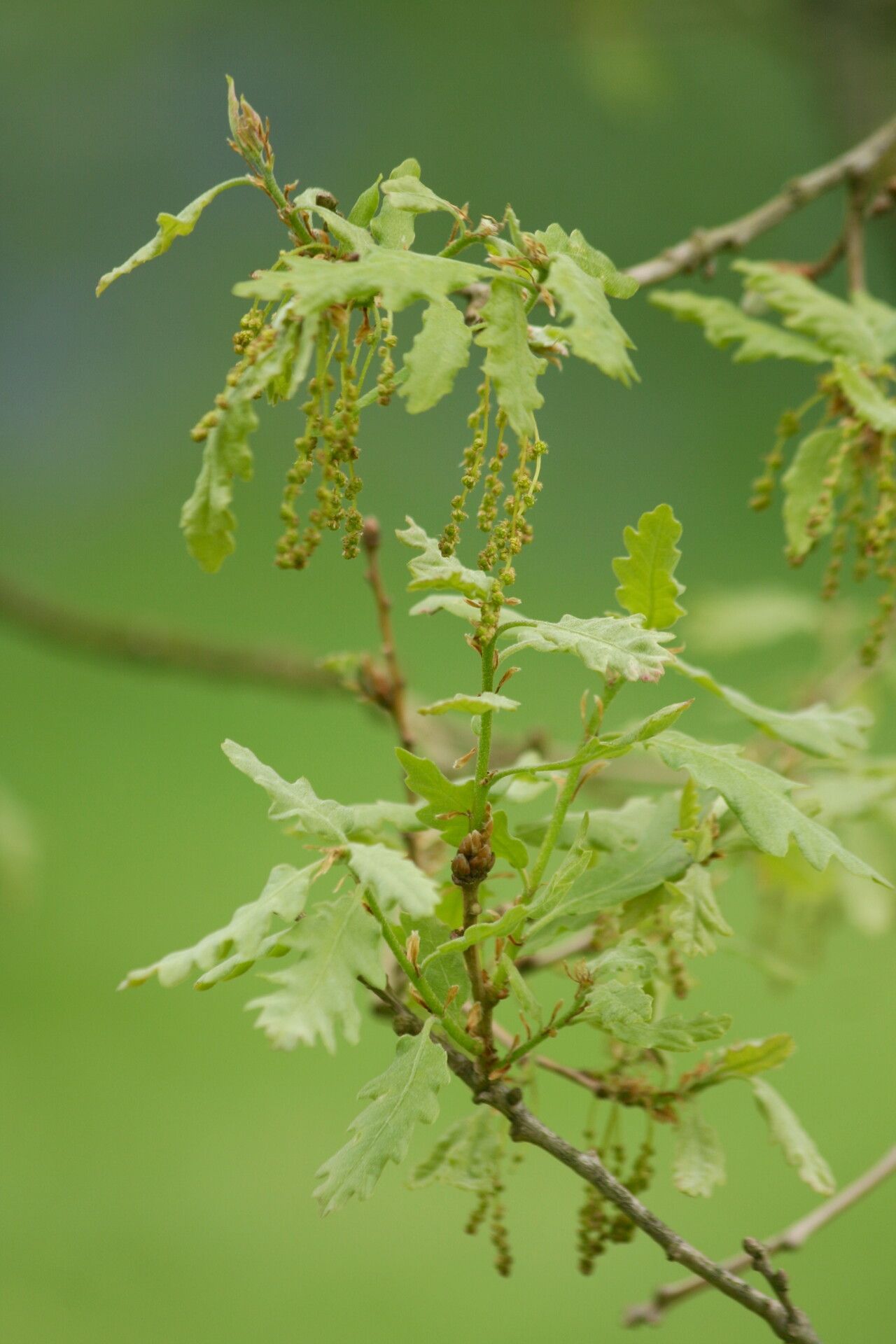
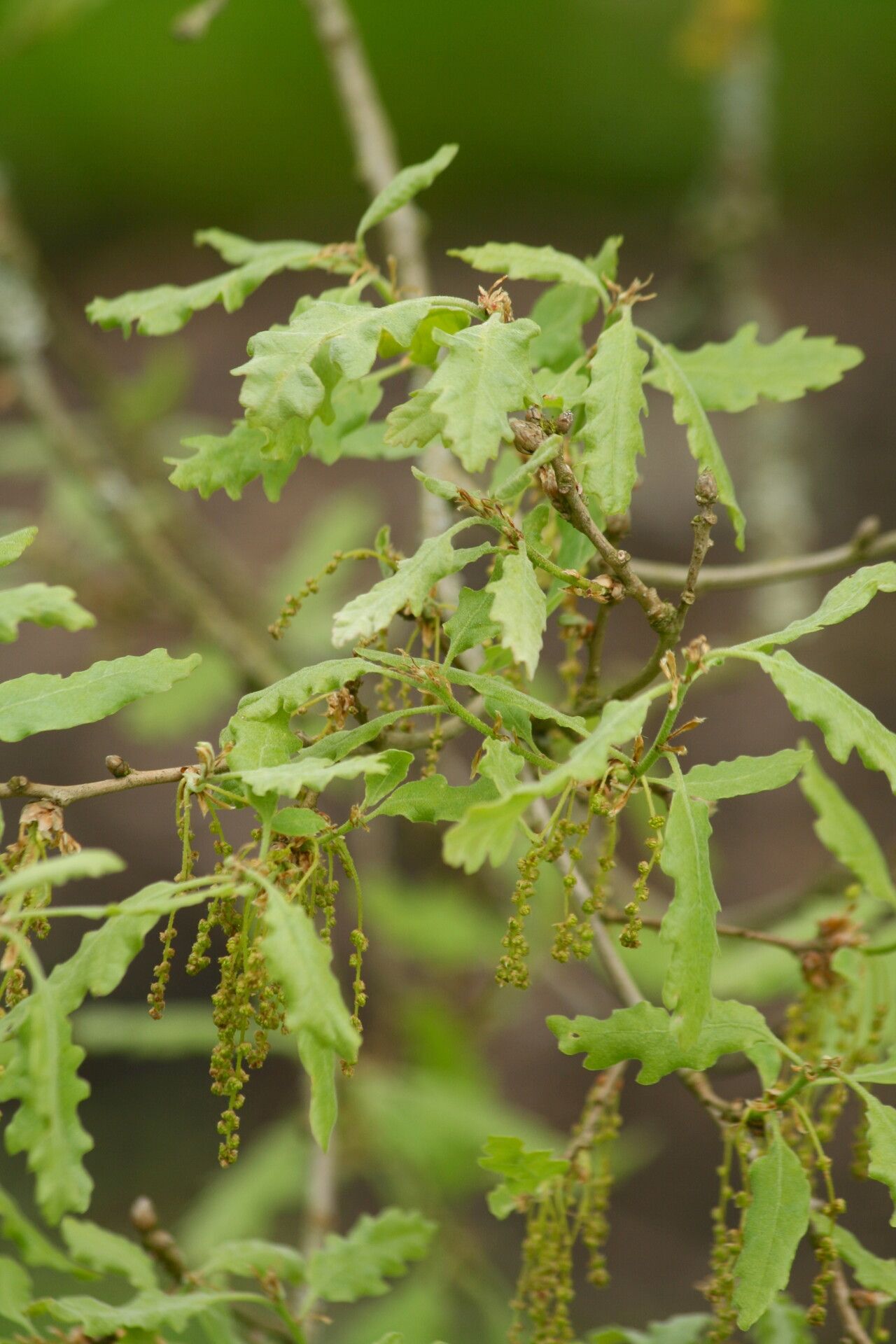
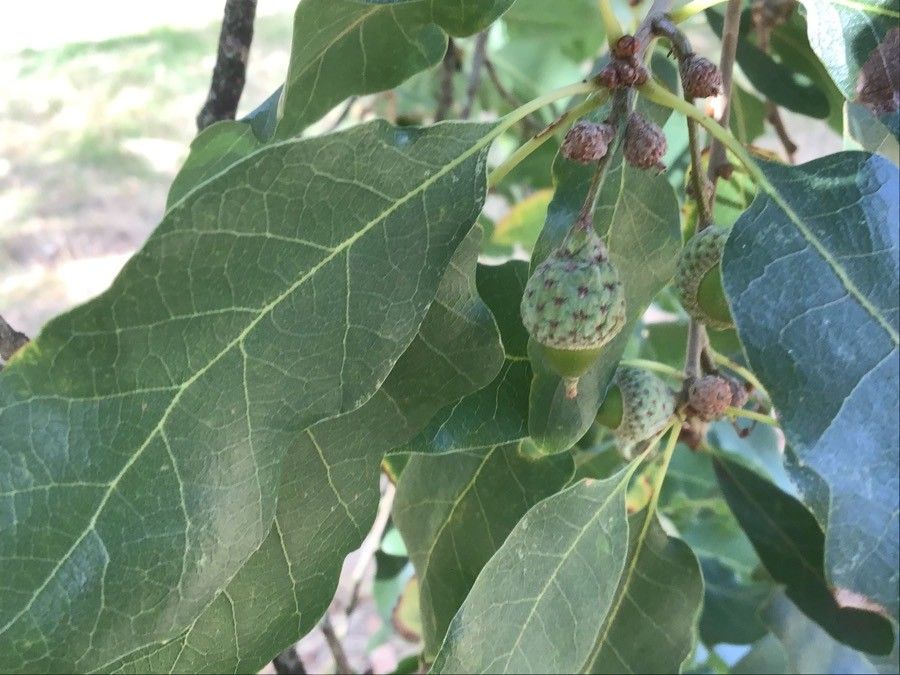
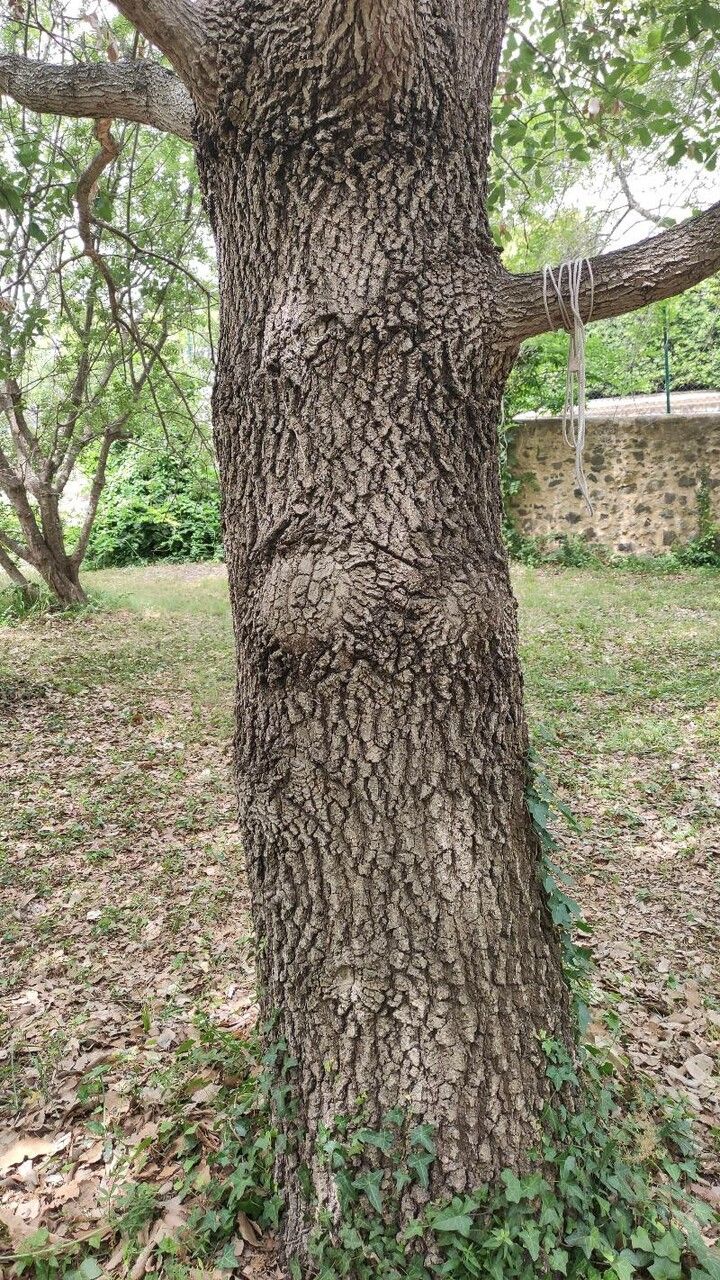
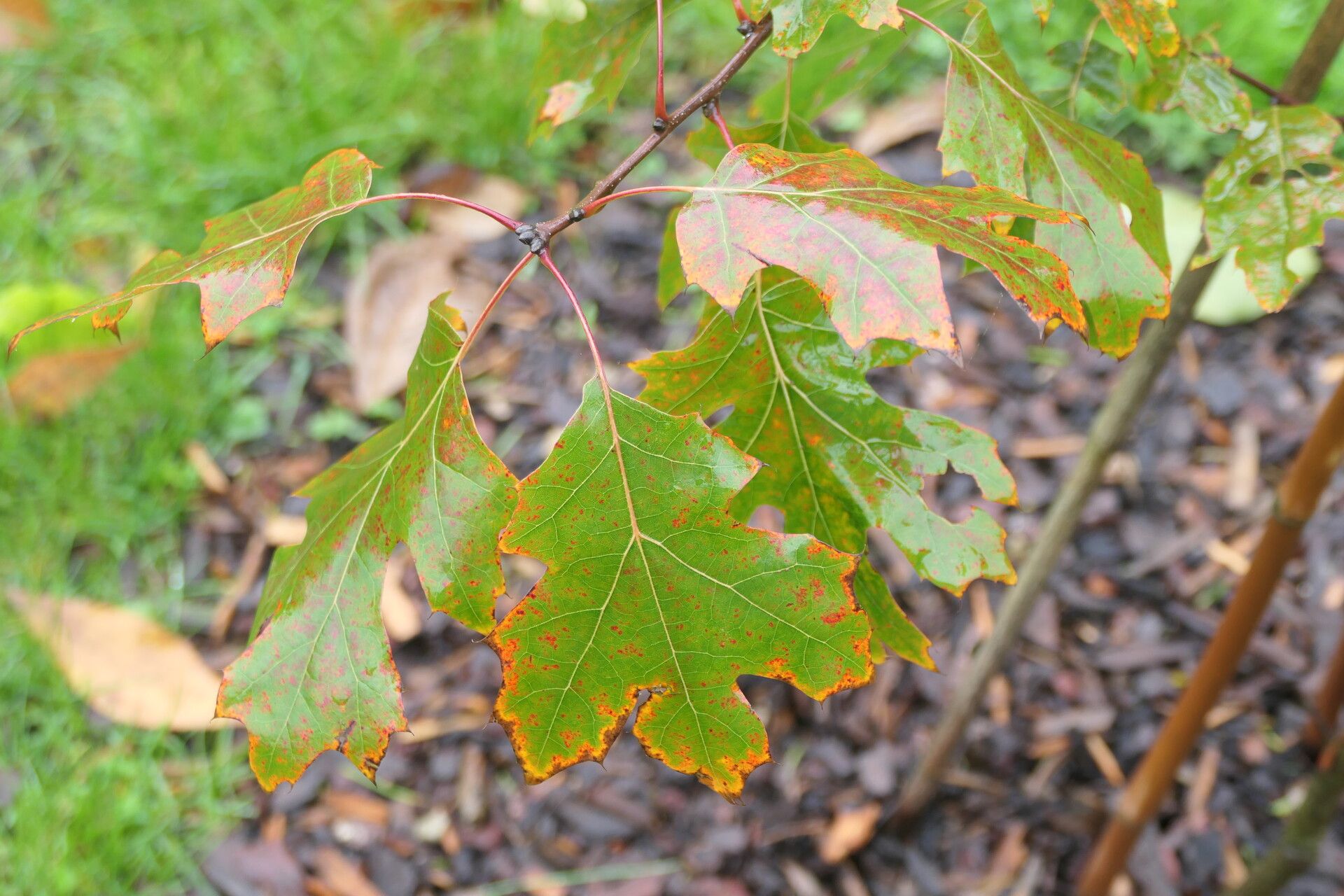
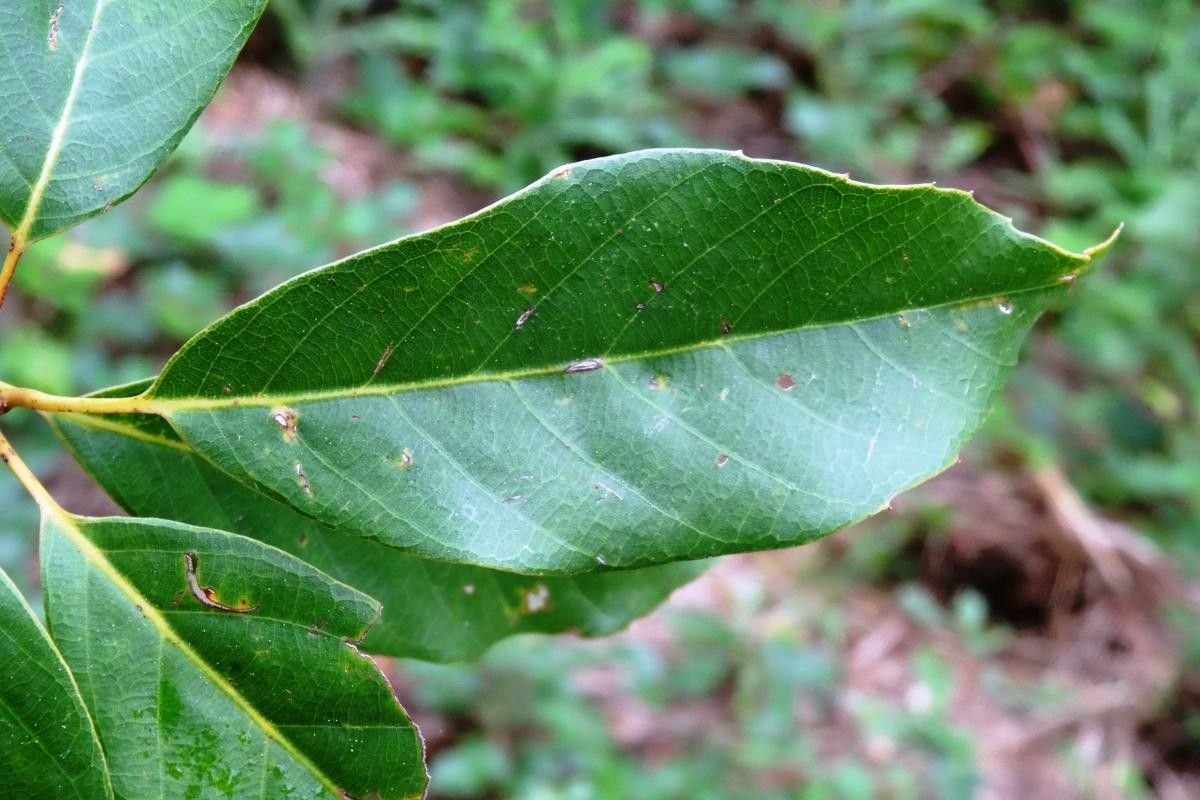
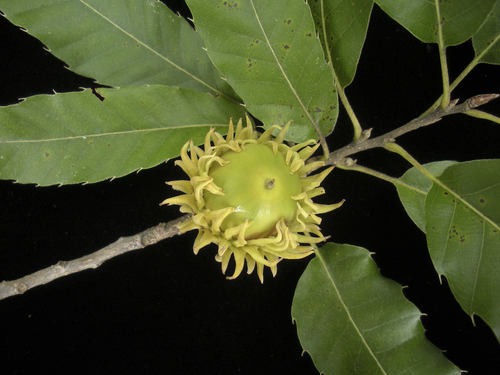
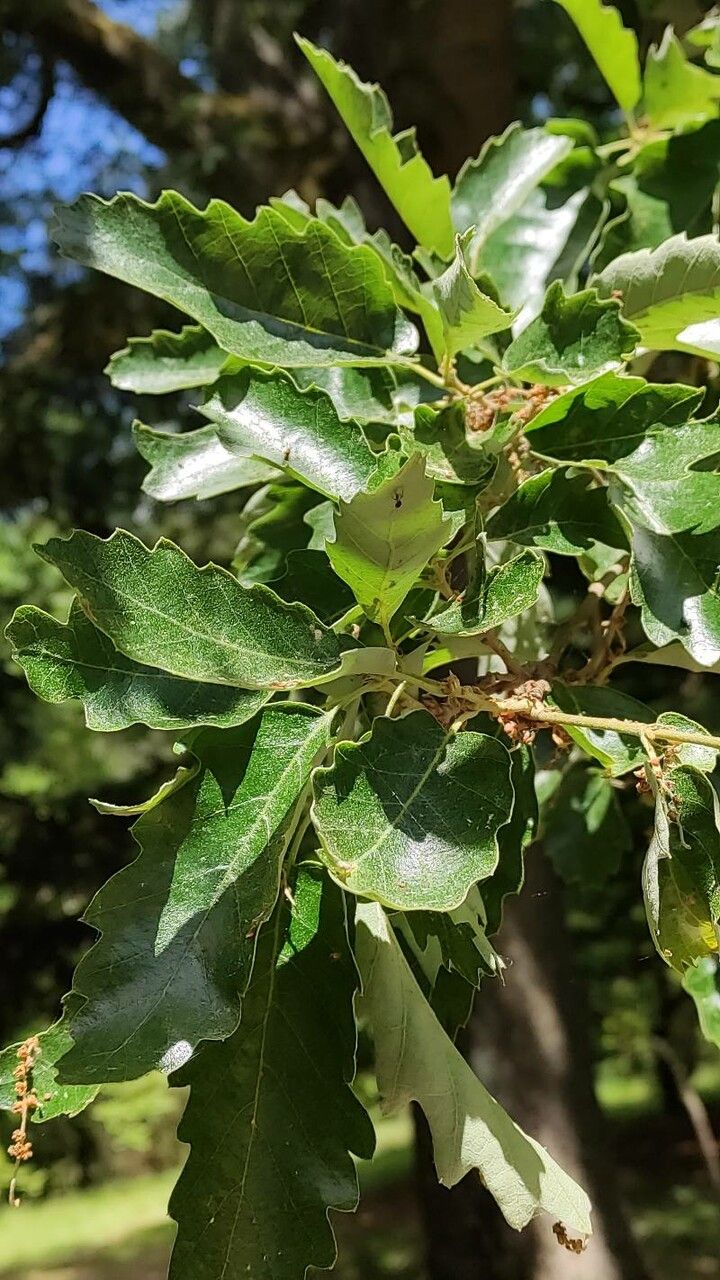
Quercus infectoria, also known as Aleppo oak or oak galls, is a species of oak tree native to the Mediterranean region. It can grow up to 15 meters tall and features a broad crown with dense foliage. The leaves are dark green, glossy, and have serrated edges.
One of the most notable characteristics of Quercus infectoria is the formation of galls on its branches and leaves. These galls result from the activity of a tiny wasp that lays its eggs in the tree's tissues. In response, the tree produces a chemical reaction that forms these round, hard structures.
For centuries, the galls have been used in traditional medicine for their antibacterial, antifungal, and anti-inflammatory properties. They contain tannins, gallic acid, ellagic acid, flavonoids, and other compounds that have demonstrated various health benefits.
Apart from their medicinal uses, Quercus infectoria galls are also employed in dyeing textiles and making ink for calligraphy.
Overall, Quercus infectoria is a fascinating plant species with unique features that have been utilized by humans for various purposes throughout history. Its medicinal properties make it an important species from both ecological and cultural perspectives.
Aleppo oak is resistant to disease and is generally not susceptible to illnesses. Regarding care, this plant is fairly low-maintenance. When grown outdoors it needs little watering, and larger specimens typically do not require pruning. Smaller plants, however, should be trimmed after they have bloomed. Aleppo oak is suitable for anyone with an outdoor area, such as a garden or deck, and does not need a great deal of care experience.
How to keep Quercus Infectoria.
Light
Aleppo oak comes from open habitats, such as sunny meadows and forest edges, which offer abundant light. It does best in Full Sun but can also tolerate Partial Sun, adapting well to various sunlight conditions.
Water
To care for an Aleppo oak, keep the soil moist but well-drained. Make sure the soil is humid several inches below the surface, but avoid flooding the topsoil. During summer, reduce the amount of water you use, as Aleppo oaks can tolerate dry spells well and this will help them thrive.
Temperature
Aleppo oak is highly adaptable to a wide range of climate conditions, from sweltering summers to freezing winters. Still, it has a preferred temperature range for optimal growth. If temperatures get too high, the plant can suffer from heat and humidity stress, which may cause it to die. In areas where temperatures near the lower limit of its cold tolerance, it is necessary to provide insulation to protect the plant.
Fertilizer
Fertilize your Aleppo oak in early spring to encourage healthy growth. Regular feeding boosts its overall health, producing vigorous growth, greater resilience to harsh conditions, and improved resistance to pests and diseases. Keep to a set fertilization schedule for your Aleppo oak to achieve vibrant, deeply colored foliage and a lush appearance.
Pruning
The Aleppo oak benefits from pruning, ideally carried out from early to late winter. During this time, you should focus on removing dead wood and thinning crowded branches to improve airflow. This approach helps maintain the tree's natural shape, reduces stress, and promotes vigorous growth in the spring. Overall, it enhances the tree's health and effectively manages its size.
Botanical profile.
- Plant Type
- Shrub
- Life Cycle
- Perennial
- Genus
- Quercus
- Family
- Fagaceae
- Hardiness Zone
- 6-8
- Mature Height
- 0.91 m to 2.13 m
- Mature Spread
- 3.05 m to 4.88 m
- Leaf Color
- Green
- Leaf Type
- Evergreen
- Flower Color
- Yellow
- Flower Size
- 1.52 cm
- Bloom Time
- Mid spring, Late spring
- Planting Time
- Spring, Summer, Autumn
- Harvest Time
- Late summer, Early fall, Mid fall
Other names.
Reader questions.
What are the sunlight requirements for Aleppo oak (Quercus infectoria)?
Aleppo oak, known botanically as Quercus infectoria, thrives under specific sunlight conditions. For optimal growth, it requires full sun exposure, which means it needs to be in a spot that receives more than 6 hours of sunlight daily. However, it can also tolerate partial sun, meaning it can grow in areas that get about 3-6 hours of sunlight. It's crucial to observe how sunlight moves through your garden throughout the day. Finding locations that offer the right mix of light and shade is essential for ensuring the health and happiness of your plants.