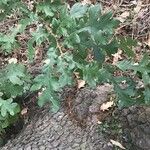
Quercus ithaburensis
Valonia Oak · Tabor Oak · Vallonea Oak
Description
Source: leafsnapQuercus ithaburensis, commonly known as the Ithaburensis oak, is a species of oak tree native to the eastern Mediterranean region. It belongs to the Fagaceae family and can grow up to 20 meters tall. The tree has a broad, rounded crown with dark green leaves that are glossy on top and pale underneath. The leaves are deeply lobed with pointed tips, giving them an attractive appearance. The Ithaburensis oak produces oval-shaped acorns about 2 cm long, with a cup-like structure at their base that encloses about one-third of the nut's length. This oak species prefers well-drained soils in full sun or partial shade environments. While it can tolerate drought conditions, it requires regular watering during its early growth stages. The Ithaburensis oak has various uses in traditional medicine. Its bark contains tannins with antiseptic properties, which are used for treating wounds, diarrhea, and fever, among other ailments. In conclusion, Quercus ithaburensis is an attractive tree species with ornamental value due to its broad crown shape and glossy green leaves. Additionally, it has medicinal properties, with its bark extract being used in traditional medicine in some regions around the Mediterranean Basin where it grows natively.
Care Guide
💧 Water Every 7 days
The Mount Tabor oak is well adapted to arid conditions and exhibits excellent drought tolerance. It thrives when watered infrequently, about every 2 to 3 weeks. Ideally, it should be grown outdoors, and its need for water decreases in the fall as it sheds its leaves. During this dormancy period, the tree conserves moisture effectively.
What should I do if I give too much or too little water to the Mount Tabor oak?
An overwatered Mount Tabor oak may exhibit yellowing, dropping, and wilting leaves, as well as a dull and unhealthy appearance with mushy stems. When these signs appear, it's recommended to adjust your watering schedule, as wilting can also be a sign of under watering. Underwatered leaves may become crispy and dry, while overwatered leaves will be soft and wilted. If the soil is dry and watering alone is not enough, give the oak a thorough watering. However, even with sufficient water, the plant may still appear dry with yellow leaves due to a damaged root system, though this will stop once it returns to normal. When growing a Mount Tabor oak indoors, regularly check the moisture levels in the pot to avoid overwatering. If black spots are present, allow the soil to dry out by refraining from watering for a few days. Overwatering can lead to root rot, so it's important to prevent this by avoiding overly soggy soil. When planting the oak outdoors, make sure to dig deep enough. If the soil feels excessively dry when checked with your fingers, it may indicate underwatering, and adequate watering is necessary for the plant's recovery.
How often do I need to water my Mount Tabor oak?
The Mount Tabor oak prefers deep and infrequent watering, especially when planted in pots. In pots, the soil dries out quickly due to limited water storage, so it's best to soak the oak with a gallon of water every time. In cold regions, watering is needed every 3 to 5 days. Water the plant early in the morning when the soil is dry, whether it is indoors or outdoors. You can also determine when to water by checking the soil. If the top 2-3 inches are dry, give the plant a thorough watering. On hot days, check the soil daily as the heat can dry it out quickly. If you have a garden, irrigation of the soil is necessary. In hot climates, water once a week when the soil is too dry. Avoid watering if there is already sufficient rainfall to prevent root rot. Mulch about 3 to 4 inches deep when the oak is outdoors to conserve water. Sandy soil drains faster, so water the plant more frequently. With clay soil, you can water less frequently, allowing 2-3 days for the plant to dry and prevent root rot. Keep track of watering dates and look out for drooping leaves as a sign that watering might be needed.
How much water does my Mount Tabor oak tree need?
The Mount Tabor Oak generally needs a gallon of water on a regular schedule. For potted plants, water them deeply until water drips from the bottom of the pot, then wait for the soil to dry before watering again. Use a water calculator or a moisture meter to determine how much water you've given the plant in a week. During the flowering period, provide plenty of water, but allow the moisture to evaporate to prevent root rot. If the Mount Tabor Oak is planted outdoors with sufficient rainfall, it may not need additional watering. When the oak is young or newly planted, ensure it receives 1-2 inches of rain per week. As the oak grows, it can rely solely on rainfall. Only when the weather is extremely hot or when there has been no rainfall for 2-3 weeks should you consider giving the oak a thorough watering during cooler times of the day to prevent heat damage. Additional watering will be necessary during prolonged dry spells.
Should I change how often I water my Mount Tabor oak depending on the time of year or the weather?
The Mount Tabor oak requires water from rain when outdoors, but only needs watering during persistent dry weather. It is important to keep the soil moist but not overly soggy during the spring and fall growing seasons, as alternating dry and moist conditions promote healthy growth. In the summer, hot weather can cause water to evaporate too quickly, so if there is a lack of rainfall, more frequent watering is necessary to keep the soil moist. During winter, the Mount Tabor oak requires less water as it drops its leaves and goes dormant. Well-draining soil like terracotta can help with water evaporation. Once the oak begins to leaf out in the spring, watering can be skipped as it can rely on fall and winter rains to survive. Good drainage is important at all times, especially during winter when ponding can be detrimental. When planted in pots, the oak has limited root growth, so it should be well-watered, especially during summer. Deep soaking watering once or twice a week is best, rather than shallow sprinkles that encourage fungal growth and do not reach the roots. Even during fall and winter dormancy, the oak should not be allowed to dry out completely. It is important to avoid drowning the plants and ensuring the soil drains well to prevent damage during winter. Applying mulch can help reduce stress, conserve water, and promote healthy blooms.
What things do I need to watch out for when watering my Mount Tabor oak in different seasons, climates, or during different growing periods?
If you are planting Mount Tabor oak in the ground, it mainly relies on rain for water. However, if there is no rainfall for 2-3 weeks, you may need to give the plants a deep watering. If you water the oak in the summer, it's best to do it in the morning to avoid stressing the roots with a large temperature difference. Also, avoid watering the bushes when it's too hot outside. In the spring, when the ground is not too cold, start mulching them. The age of the plants is important, as lack of water is a common reason for newly planted ones to fail to grow. Once they are established, you can decrease the watering schedule. During fall and winter, especially if there is a water-retaining material in the soil, reduce watering. Dry winds in winter can dry out the plants and newly planted ones are at risk of drought during windy seasons. Therefore, more watering is required. If you planted Mount Tabor oak in pots, they tend to dry out faster and need more watering. Look out for signs like less blooming and drying leaves. Watering potted plants can be more complicated and the frequency may fluctuate. Ensure that the pot does not sit in water and avoid using containers with saucers, bowls, or trays. Overwatering in the fall can cause mottled or yellowish foliage. Regardless of the climate or season, it's important to prevent overwatering. When the oak starts to flower, you may want to increase the watering frequency, but once they are fully grown, give them a rest. Water them adequately every 3 to 5 days, but do not stick to a strict schedule. Check the soil's dryness by sticking your finger in the pot or using a moisture meter if you are unsure. Be careful not to overwater or underwater as it can result in root rot and death of the plants.
☀️ Light Full sun
The Mount Tabor oak does best with abundant sunlight for most of the day, which encourages healthy, vigorous growth. Still, it can tolerate stretches of reduced sun exposure. This fondness for sun comes from the well-lit conditions of its native habitat. Excessive or insufficient light can potentially impede its growth.
What are the sunlight requirements for Mount Tabor Oak?
Mount Tabor Oak requires full sunlight to thrive, necessitating above 6 hours of sunlight daily. However, it can also manage with partial sun, roughly 3-6 hours of sunlight. It's important to observe the movement of sunlight through your garden to find the ideal spots that offer the right balance of light and shade, ensuring your plants' well-being. This species favors ample sunlight, mimicking its native habitat conditions, but it's crucial to avoid both overexposure and underexposure to light, as these can negatively affect the plant's growth.
How does artificial lighting support Mount Tabor Oak's growth indoors?
Indoor Mount Tabor Oaks may require artificial lighting to supplement natural sunlight, especially in environments where natural light is scarce, such as during winter or in rooms with limited sunlight exposure. Artificial lights, such as LED lights, can be optimized to provide the wavelengths necessary for the plant's growth. For optimal growth under artificial lighting, full sun plants like the Mount Tabor Oak need about 30-50 watts per square foot, while the light source should be positioned 12-36 inches above the plant to simulate natural sunlight conditions. Generally, 8-12 hours of artificial light per day is sufficient, mimicking the natural daylight hours specific to the plant species.
What symptoms indicate insufficient or excessive light exposure in Mount Tabor Oak?
Mount Tabor Oak shows several symptoms when exposed to inappropriate light levels. Insufficient light can result in smaller new leaves, leggy growth, premature leaf drop, stunted growth, and lighter-colored leaves, indicating a lack of chlorophyll. Excessive light may cause chlorosis, with leaves turning yellow due to chlorophyll breakdown, sunscald manifesting as bleached areas on foliage, leaf curling as a defense against water loss, wilting from excessive water transpiration, and leaf scorching, indicated by brown, dry edges on leaves. These symptoms highlight the plant's struggle with light management, impacting its health and growth.
What are the solutions for managing light-related issues in Mount Tabor Oak?
To address light-related issues in Mount Tabor Oak, gradual adjustments to the plant's location can help it adapt to and receive the optimal amount of sunlight. For indoor plants, transitioning them towards a sunnier spot or utilizing artificial lighting can ensure they receive at least 6 hours of direct sunlight daily. Outdoor plants should also be moved gradually to avoid sunburn. Reducing obstructions, such as pruning trees that block sunlight, and carefully transplanting smaller plants to sunnier locations, can significantly improve light exposure. It's essential to avoid sudden changes in light intensity to promote healthy plant development.
🌡️ Temperature 10–35°C
Mount tabor oak is native to temperate environments where temperatures range from 50 to 95 °F (10 to 35 ℃). In warmer months, provide shade to keep temperatures within this preferred range. In winter, ensure the surrounding environment remains above freezing.
What is the native climate for Mount Tabor Oak?
Mount Tabor Oak, also known as Quercus ithaburensis, thrives in temperate climates where the temperatures range from 50 to 95 °F (10 to 35 °C). It is important to provide shade during warmer months to maintain this temperature range. During winter, it's crucial to ensure the environment does not drop below freezing, although the Mount Tabor Oak possesses strong cold resistance and typically does not require special frost protection measures. If winter temperatures are expected to fall below -25°C, protection such as wrapping the trunk and branches with non-woven fabric or cloth is advisable. Additionally, watering the plant abundantly before the first freeze in autumn to keep the soil moist can help prevent drought and water scarcity during the colder months.
How does Mount Tabor Oak react to low temperatures?
Mount Tabor Oak is well adapted to cold environments, thriving best when the temperature remains above 10°C. During the winter season, it is vital to ensure the temperature stays above -15°C to prevent damage. If temperatures drop below -25°C, the oak may not show immediate damage during winter, but come spring, its branches could become brittle and dry, with no new shoots emerging. The best approach to care for the oak in spring, after experiencing such low temperatures, is to prune any dead branches that have not produced new leaves, which will encourage healthy new growth.
What should be done if Mount Tabor Oak is exposed to high temperatures?
During the summer, it is important to ensure that the Mount Tabor Oak does not endure temperatures above 35°C. Exposure to temperatures exceeding 38°C can lead to the plant's leaves becoming lighter in color, with tips that may dry out and wither, increasing susceptibility to sunburn. To mitigate these effects, it is advisable to trim away any sunburned or dried-up parts of the plant. Relocating the oak to a shaded area or using a shade cloth to protect it from the midday and afternoon sun can be beneficial. Regular watering in the morning and evening will help keep the soil moist and support plant health under high temperature stress.
💨 Humidity
🪴 Soil 6-7
🌱 Fertilizer
Fertilize your Mount tabor oak in early spring to encourage healthy growth. Regular feeding improves overall health, producing vigorous growth, better tolerance of challenging conditions, and greater resistance to pests and diseases. Stick to a consistent fertilization schedule for your Mount tabor oak to preserve vibrant, deeply colored foliage and a lush appearance.
🪴 Pot & Repot
✂️ Pruning
The Mount Tabor oak is characterized by its sturdy canopy and uniquely lobed leaves. To maintain its health, prune the tree in early spring by removing dead branches and thinning out crowded areas, allowing more light to penetrate. Avoid heavy pruning to minimize sap loss. Ensure you use clean tools and provide proper wound care to encourage robust growth and extend the tree's lifespan.
🌿 Propagating
🐛 Diseases & pets
☠️ Toxicity
Characteristics
- Plant Type
- Tree
- Life Cycle
- Perennial
- Genus
- Quercus
- Family
- Fagaceae
- Hardiness Zone
- 6-9
- Mature Height
- 14.94 m
- Mature Spread
- 11.89 m to 14.94 m
- Leaf Color
- Green
- Leaf Type
- Deciduous
- Flower Color
- Yellow, Green
- Flower Size
- 5.08 cm
- Bloom Time
- Mid spring, Late spring
- Planting Time
- Spring, Autumn
- Harvest Time
- Late summer, Early fall, Mid fall