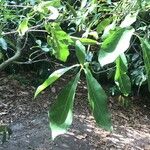
Quercus laurifolia
Laurel oak · Swamp laurel oak · Darlington Oak · Diamond Leaf Oak · Obtusa oak
Description
Source: leafsnapQuercus laurifolia, commonly known as laurel oak, is a large deciduous tree belonging to the Fagaceae family. Native to the southeastern United States, it can grow up to 100 feet tall with a spread of 50 feet. The tree features a straight trunk with grayish-brown bark and glossy green leaves that are oblong in shape with wavy margins. In warm climates, its leaves are evergreen, while in colder regions, they turn reddish-brown before falling off. Laurel oak produces acorns that serve as an important food source for wildlife such as squirrels, deer, and birds. The wood of this tree is strong and durable, making it valuable for construction purposes like flooring, furniture making, and shipbuilding. This tree prefers well-drained soils but can tolerate wet conditions once established. It thrives in full sun but can also grow in partial shade. It is relatively low maintenance once established, although it may require pruning to maintain its shape or remove dead branches. Overall, Quercus laurifolia offers numerous benefits. Its large size and aesthetic appeal make it an excellent shade provider, while its acorns provide food for wildlife. Additionally, its strong wood properties make it economically valuable for various construction purposes.
Care Guide
💧 Water Every 7 days
Laurel oak flourishes in environments similar to temperate forests, where moderate humidity and drought conditions prevail. To maintain its health, water the tree every three weeks, making sure the soil retains balanced moisture. While it benefits from natural rainfall outdoors, additional watering may be necessary during dry periods. Be aware that its water requirements decrease when the tree sheds its leaves and enters dormancy.
☀️ Light Full sun
The laurel oak performs best when it gets a generous amount of sunlight each day, though it can stay healthy with a reduced level of light. Because it comes from environments rich in light, abundant sun is important for its development. Too little sunlight can cause stunted growth or diminished vigor, while too much can result in leaf scorch.
What are the sunlight requirements for Laurel Oak?
Laurel Oak thrives best in areas where it can receive an ample amount of sunlight each day. It is adaptive and can sustain health with varying degrees of sunlight but ideally prefers copious sun exposure for optimal growth. Full sun, characterized by above 6 hours of sunlight, is essential, though it can also manage with partial sun, about 3-6 hours of sunlight. However, insufficient sunlight may lead to stunted growth or reduced vitality, while excessive sun exposure could cause leaf scorch. It's important to watch how sunlight moves through your garden to choose the best spots that offer a balance of light and shade, ensuring the plants' happiness.
What should I do if my Laurel Oak does not receive enough sunlight?
If your Laurel Oak does not receive adequate sunlight, you can take several steps to improve its light exposure. For indoor plants, gradually move your plant to a location where it receives at least 6 hours of direct sunlight daily. Use south-facing windows and keep curtains open during the day. For large or immovable plants, consider using artificial light, keeping lamps on for at least 8 hours daily, or investing in professional plant grow lights. Outdoors, gradually move your plants to sunnier spots to allow them to adapt without experiencing sunburn. It's crucial to observe and adjust the environment to minimize obstructions like trees by pruning branches that block sunlight. For smaller plants, consider transplanting during their dormant period, usually late winter or early spring, to a location with ample sunlight and good drainage. Note that parts of the plant affected by insufficient sunlight may not recover, but new growth should be healthy after increasing light exposure.
What are the symptoms of poor light exposure in Laurel Oak?
Laurel Oak may show several symptoms when it receives poor light exposure, including smaller new leaves, leggy or sparse growth, faster leaf drop, slowed or ceased growth, lighter-colored new leaves, chlorosis, sunscald, leaf curling, wilting, and leaf scorching. These symptoms indicate a variety of stress factors such as insufficient sunlight leading to a lack of chlorophyll and essential nutrients, damage from excessive sunlight exposure, and increased water loss causing wilting and reduced photosynthesis. Properly managing sunlight exposure is crucial to avoid these symptoms and ensure the health of your Laurel Oak.
How can artificial lighting supplement sunlight for indoor Laurel Oaks?
Indoor Laurel Oaks can benefit significantly from artificial lighting, especially when natural sunlight is insufficient. LED lights are a popular choice as they can be customized to provide specific wavelengths necessary for plant growth. Full sun plants require 30-50W/sq ft of artificial light, partial sun plants need 20-30W/sq ft, and full shade plants require 10-20W/sq ft. The light source should be placed 12-36 inches above the plant to mimic natural sunlight and be kept on for 8-12 hours per day, mimicking natural daylight hours. This approach promotes faster, healthier growth when natural lighting conditions are not ideal.
🌡️ Temperature 10–35°C
Laurel oak is a hardy plant that thrives at temperatures between 10 and 35°C (50 and 95°F). Its native habitat features mild temperatures, indicating it is not fully tolerant of freezing. With seasonal changes, provide warmth during the colder months.
What are the ideal growth conditions for Laurel oak?
Laurel oak thrives in mild temperatures, with its ideal growth conditions ranging between 10 to 35°C (50 to 95°F). Although it is resilient and has strong cold resistance, it is not fully adapted to tolerate freezing temperatures. To ensure the health of the plant, it is important to provide warmth during colder months and ensure the soil remains moist before the first freeze in autumn, helping to prevent drought and water scarcity during winter and early spring.
How should Laurel oak be protected in winter?
Due to its strong cold resistance, Laurel oak usually does not require special frost protection measures during winter. However, if winter temperatures are expected to drop below -25°C, it is crucial to protect the plant. This can be done by wrapping the trunk and branches with non-woven fabric or cloth. Additionally, watering the plant abundantly before the first freeze in autumn helps in keeping the soil moist and prevents water scarcity during the colder months.
What are the symptoms of cold damage in Laurel oak?
When the temperature falls below -25°C, Laurel oak may not show noticeable changes during winter, but by spring, its branches may become brittle and dry, and new shoots might fail to emerge. To address this, prune away any dead branches in spring that have not produced new leaves, aiding the tree's recovery and promoting new growth.
How does high temperature affect Laurel oak, and what are the solutions?
High temperatures, especially above 41°C, can be detrimental to Laurel oak, causing its leaves to lighten in color, with tips becoming dry and withered, and making the plant more susceptible to sunburn. To mitigate these effects, trim away sunburned and dried-up parts, move the plant to a shadier location or use a shade cloth to protect it from midday and afternoon sun. Additionally, watering the plant in the morning and evening helps to keep the soil moist and reduces stress on the plant.
💨 Humidity
🪴 Soil 5-6
🌱 Fertilizer
Fertilize your Laurel oak in early spring to encourage healthy growth. Regular feeding boosts overall health, producing vigorous growth, greater resilience to harsh conditions, and improved resistance to pests and disease. Keep to a consistent fertilization schedule for your Laurel oak to maintain vibrant, deeply colored, and lush foliage.
🪴 Pot & Repot
✂️ Pruning
To keep a laurel oak healthy and well-shaped, it's best to prune it annually in early spring. During this process, focus on removing any dead or crossing branches to improve both air circulation and light penetration. Opt for thinning the tree rather than heavy cutting, as this approach strengthens its structure, reduces the risk of storm damage, and enhances its overall appearance.
🌿 Propagating
🐛 Diseases & pets
☠️ Toxicity
Characteristics
- Plant Type
- Tree
- Life Cycle
- Perennial
- Genus
- Quercus
- Family
- Fagaceae
- Hardiness Zone
- 6-10
- Mature Height
- 10.97 m to 21.95 m
- Mature Spread
- 10.36 m to 13.41 m
- Leaf Color
- Dark Green, Olive Drab
- Leaf Type
- Semi-evergreen, Deciduous
- Flower Color
- Yellow, Green
- Flower Size
- 2.54 cm
- Bloom Time
- Early spring, Mid spring
- Planting Time
- Spring, Summer
- Harvest Time
- Late summer, Early fall, Mid fall