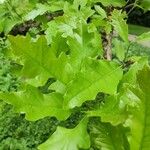
Quercus lyrata
Swamp post oak · Overcup oak · Swamp white oak · Water white oak
Description
Source: leafsnapQuercus lyrata, the overcup oak, is an oak in the white oak group (Quercus sect. Quercus). The common name, overcup oak, refers to its acorns that are mostly enclosed within the acorn cup. It is native to lowland wetlands in the eastern and south-central United States, in all the coastal states from New Jersey to Texas, inland as far as Oklahoma, Missouri, and Illinois. There are historical reports of it growing in Iowa, but the species appears to have been extirpated there. It is a slow-growing tree that often takes 25 to 30 years to mature. It has an estimated lifespan of 400 years.
🌳 The resilient wood of the overcup oak is prized for its water resistance and strength, making it an excellent choice for building outdoor structures and even for boatmaking. Its hardy timber is important in traditional craftsmanship, where resistance to the elements is necessary. Beyond its structural roles, overcup oak offers habitat and food for wildlife, particularly squirrels and ducks that feed on its acorns. Thus, overcup oak carries cultural, economic, and ecological significance through its varied uses.
🎭 Security, Wellness, Finances
Care Guide
💧 Water Every 1-2 weeks
The Overcup Oak, native to wetlands and floodplains, flourishes in consistently moist soil but can withstand periods of moderate drought. To avoid waterlogging, water the tree every 1-2 weeks. Because it is an outdoor tree, the Overcup Oak typically benefits from natural rainfall during the growing season, which minimizes the need for additional watering.
☀️ Light Full sun
Overcup oak performs best in places that receive plenty of sunlight, which promotes healthy growth. It can tolerate spots where light is dappled through other trees, but a broad open sky is preferred. It generally withstands high light levels well, whereas too little light can limit its growth.
What are the sunlight requirements for Overcup oak?
Overcup oak requires abundant sunlight to thrive, ideally in an environment that receives more than 6 hours of sunlight daily for full sun conditions. It can tolerate partial sun, defined as about 3-6 hours of sunlight, and is generally resilient to overexposure. However, insufficient light can hinder its growth. It's important to observe the movement of sunlight in your garden and position your plants in spots that achieve a good balance of light and shade to ensure the plants' well-being.
How does artificial lighting support indoor Overcup oak growth?
For indoor Overcup oaks or in areas with less natural sunlight, artificial lighting can be a crucial factor in promoting healthier and faster growth. Key tips include choosing the right type of artificial light, such as LED lights that can provide specific light wavelengths needed by the plants. The recommended artificial light intensity is 30-50W/square foot for full sun plants, 20-30W/square foot for partial sun plants, and 10-20W/square foot for full shade plants. The light source should be placed 12-36 inches above the plant and kept on for 8-12 hours per day to mimic natural daylight conditions as closely as possible.
What are common symptoms of insufficient light exposure in Overcup oaks?
Overcup oaks not receiving sufficient light may exhibit several signs including small leaves, leggy or sparse growth, faster leaf drop, slower or halted new growth, and lighter-colored or yellowing leaves (chlorosis). Excessive sunlight can lead to different issues such as sunscald, wilting, leaf curling, leaf scorching, and a general reduction in plant health due to the breakdown of chlorophyll and increased water loss.
How can Overcup oak's light exposure be optimized?
To optimize light exposure for Overcup oaks, gradually acclimate the plants to receive more sunlight, especially if they've been in low light conditions. For indoor plants, use a south-facing window for natural light or supplement with artificial lighting for at least 8 hours a day. Outdoors, find the optimal spot for sunlight and adapt the plants to stronger light gradually to avoid sunburn. Pruning nearby trees can help reduce shade on the plants. If necessary, transplant smaller plants during their dormant period to areas with better sunlight access and good drainage, ensuring a healthier growth environment.
🌡️ Temperature 5–32.2°C
Overcup oak's native temperature-related growth habitat includes regions with mean annual temperatures of 57 to 70 ℉ (14 to 21 ℃). The tree prefers a temperature range of 41 to 90 ℉ (5 to 32 ℃). To accommodate seasonal change, overcup oak requires moderate to low winter temperatures with occasional freezing and moderate to high summer temperatures with frequent rainfall.
What is the native growth temperature range for Overcup Oak?
Overcup oak thrives in regions where the mean annual temperatures range between 57 to 70 °F (14 to 21 °C). The tree is comfortable in a wider temperature spectrum of 41 to 90 °F (5 to 32 °C). It requires moderate to low temperatures during winter, possibly with occasional freezing conditions, and moderate to high temperatures in the summer accompanied by frequent rainfall. Overcup oak possesses a strong resistance to cold, thus special frost protection is typically not required. However, in cases where winter temperatures are anticipated to fall below the growth limit, it's advisable to protect the tree by wrapping its trunk and branches with insulating materials like non-woven fabric or cloth. Additionally, watering the tree generously before the first freeze of autumn helps in maintaining soil moisture through winter and early spring, which is crucial for the plant's hydration.
What should be done if an Overcup Oak experiences very low temperatures?
Overcup oak is noted for its cold tolerance, ideally thriving when temperatures are kept above its suitable minimum growth temperature. During winter, the temperature should not fall below its tolerable growing minimum. If it does, there might not be immediate visible distress, but branches could become brittle and dry by spring, potentially resulting in a lack of new shoots. The recommended action in spring following such a condition is to prune any dead branches that have not produced new leaves, aiding the tree in recovery and new growth.
How to care for an Overcup Oak during high temperatures?
During the summer, it's crucial to ensure that the Overcup oak's exposure to temperatures does not exceed its suitable maximum growth threshold. If temperatures surpass the tolerable growing maximum, the tree may exhibit signs of stress such as lighter leaf color, dry and withered leaf tips, and increased susceptibility to sunburn. To mitigate these issues, trim away the sunburned and dried parts of the plant. Relocating the plant to a shadier location or using a shade cloth to protect it from the harsh midday and afternoon sun can prevent further damage. Additionally, watering the tree during cooler times of the day, like morning and evening, helps in maintaining soil moisture and overall plant health.
💨 Humidity
🪴 Soil 5-6
🌱 Fertilizer
Fertilize your Overcup oak in early spring to promote healthy growth. Regular fertilization improves overall health, leading to vigorous growth, greater tolerance of tough conditions, and enhanced resistance to diseases and pests. Maintain a specific fertilization schedule for your Overcup oak to ensure vibrant, deeply colored foliage and a lush appearance.
🪴 Pot & Repot
✂️ Pruning
The Overcup Oak is known for its rounded, lobed leaves and acorns that detach early. To ensure the tree remains healthy, it is important to prune it in early spring. Remove any dead branches and thin out crowded areas to improve air circulation. Additionally, maintaining a strong central leader will enhance the tree's structural integrity, shape, and overall vigor.
🌿 Propagating
🐛 Diseases & pets
☠️ Toxicity
Characteristics
- Plant Type
- Tree
- Life Cycle
- Perennial
- Genus
- Quercus
- Family
- Fagaceae
- Hardiness Zone
- 4-8
- Mature Height
- 10.67 m to 18.29 m
- Mature Spread
- 9.14 m to 11.89 m
- Leaf Color
- Green, Silver, Gray, Red, Bronze, Brown
- Leaf Type
- Deciduous
- Flower Color
- Yellow, Green, Brown, Gold
- Flower Size
- 7.62 cm to 10.16 cm
- Bloom Time
- Mid spring, Late spring
- Planting Time
- Autumn, Winter
- Harvest Time
- Mid summer, Late summer, Early fall