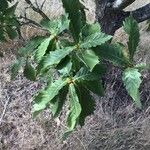
Quercus mongolica
Mongolian oak
Description
Source: leafsnapQuercus mongolica, commonly known as Mongolian oak, is a species of oak native to Japan, China, Korea, Mongolia, and Siberia. The species can grow to be 30 metres (98 feet) tall. The flavono-ellagitannins mongolicin A and B can be found in Quercus mongolica var. grosseserrata.
Care Guide
💧 Water Every 2 weeks
Mongolian oak flourishes in temperate forests, where it favors moderate humidity. After it is well-established, it demonstrates a tolerance for drought. The oak needs watering every two weeks and conserves water by shedding its leaves during the colder months, effectively managing its hydration in response to seasonal changes.
☀️ Light Full sun
Mongolian oak does best in locations with continuous, full sunlight but can tolerate areas with less exposure. This preference comes from its original growing conditions in broad, open landscapes. Insufficient light can restrict growth, whereas excessive exposure may not produce any harmful effects.
What are the sunlight requirements for Mongolian oak?
Mongolian oak requires full sunlight for optimal growth, which means it thrives best in areas that receive more than 6 hours of direct sunlight per day. However, it can also tolerate partial sun, which is about 3-6 hours of sunlight daily. It's essential to watch how sunlight moves through your garden to pick spots that offer the right balance of light and shade, ensuring the plants remain happy and healthy. Originating from expansive, open landscapes, Mongolian oak's need for continuous sun exposure is vital, with insufficient light affecting its growth. While too much sun does not typically harm, ensuring the plant gets enough light is crucial for its development.
How does artificial lighting affect the growth of indoor Mongolian oak plants?
Indoor Mongolian oak plants require adequate lighting for optimal growth, especially when natural sunlight is insufficient, such as during winter or in less sunny spaces. Artificial lights, particularly LED lights tailored to provide specific wavelengths needed by the plants, can significantly enhance growth. For plants needing full sun, 30-50W/sq ft of artificial light is recommended, partial sun plants require 20-30W/sq ft, and full shade plants 10-20W/sq ft. The artificial light source should be placed 12-36 inches above the plant to mimic natural sunlight, and it's important to mimic natural daylight hours by keeping lights on for 8-12 hours per day, depending on the plant's specific needs.
What are the symptoms of light deficiency in Mongolian oak?
When Mongolian oak receives insufficient light, it may exhibit symptoms such as smaller new leaves, leggy or sparse growth, faster leaf drop, slower or no new growth, lighter-colored new leaves, and symptoms of excessive sunlight exposure like chlorosis, sunscald, leaf curling, wilting, and leaf scorching. These signs indicate the plant is struggling with the lighting conditions, whether it be too little or too much light. Properly diagnosing these symptoms can help in adjusting care to ensure the plant's health and growth.
What solutions exist for addressing light-related issues in Mongolian oak?
To combat light-related growth issues in Mongolian oak, indoor plants can be gradually moved to sunnier locations to ensure they receive at least 6 hours of direct sunlight daily. Using south-facing windows and keeping curtains open during daylight hours can maximize sunlight exposure. Additionally, artificial lighting, such as desk, ceiling, or professional grow lights, should be considered for plants that are large or not easily movable, keeping them on for at least 8 hours. For outdoor plants, gradually adapting plants to sunnier spots while avoiding drastic changes in light intensity is crucial to prevent sunburn. Solutions also include reducing environmental obstructions to sunlight and transplanting smaller plants during their dormant periods to sunnier locations with better drainage. It's important to note that while parts of the plant affected by insufficient sunlight may not recover, new growth after increasing light exposure will be healthy.
🌡️ Temperature 5–32.2°C
Mongolian oak originates from regions where spring and summer temperatures range from 41 to 89.6 °F (5 to 32 ℃). It does best in these conditions because it tolerates temperature fluctuations well. Seasonal adjustments may be necessary for the plant to maintain optimal health.
What is the native environment of Mongolian oak?
Mongolian oak, or Quercus mongolica, is native to regions where the temperatures in spring and summer range between 41 to 89.6 °F (5 to 32 °C). It is well-adapted to these temperature fluctuations and can thrive optimally under such conditions. The species has significant cold resistance, negating the need for special frost protection in most cases during winter. However, in extremely cold conditions where temperatures drop below -25°C, certain precautions such as wrapping the trunk and branches with protective materials and ensuring the soil remains moist before the first frost occurs are recommended to maintain the plant's health.
How does Mongolian oak handle low temperatures?
Mongolian oak is known for its strong cold tolerance, thriving best when temperatures remain above 5°C and generally should be kept above -20°C during the winter months. Despite its resilience, temperatures falling below -25°C can still pose a risk. Under these extreme conditions, the tree may not show immediate signs of distress; however, by spring, the branches could become brittle and dry, and fail to produce new shoots. To mitigate this, it's advised to prune away the dead branches in the spring to encourage new growth and maintain the health of the oak.
What should be done if Mongolian oak experiences high temperatures?
During the summer, it is crucial to ensure that the Mongolian oak does not endure temperatures exceeding 32°C. Exposure to temperatures above 35°C can result in symptoms such as leaves turning lighter in color, tips becoming dry and withered, and increased susceptibility to sunburn. To counteract these effects, it's advisable to trim away the damaged parts of the plant, provide shading during the peak sun hours of the day, and keep the soil moist with regular watering in the cooler morning and evening times. Implementing these measures can help protect the oak from the adverse effects of high temperatures.
💨 Humidity
🪴 Soil 5-6
🌱 Fertilizer
Fertilize your Mongolian oak in early spring to encourage healthy growth. Regular feeding boosts the tree’s overall health, leading to vigorous growth, improved tolerance of difficult conditions, and increased resistance to pests and diseases. Keep a set fertilization schedule for your Mongolian oak to maintain foliage that is richly colored and has a lush appearance.
🪴 Pot & Repot
✂️ Pruning
Mongolian oak benefits from strategic pruning, which is best carried out in early spring before new growth begins. The primary goal should be to remove any unhealthy branches to improve air circulation and light exposure. Effective pruning promotes vitality, maintains balanced canopy density, and helps develop a healthier, more visually appealing plant structure.
🌿 Propagating
🐛 Diseases & pets
☠️ Toxicity
Characteristics
- Plant Type
- Tree
- Life Cycle
- Perennial
- Genus
- Quercus
- Family
- Fagaceae
- Hardiness Zone
- 5-8
- Mature Height
- 24.99 m to 29.87 m
- Mature Spread
- 14.94 m
- Leaf Color
- Green, Yellow, Brown
- Leaf Type
- Deciduous
- Flower Color
- Green, Yellow
- Flower Size
- 5.08 cm to 6.35 cm
- Bloom Time
- Mid spring, Late spring
- Planting Time
- Spring, Summer, Autumn
- Harvest Time
- Late summer, Early fall, Mid fall