Quercus phellos
Willow oak · Dean
Description
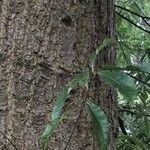
Source: leafsnapQuercus phellos, commonly known as the willow oak, is a deciduous tree belonging to the Fagaceae family. Native to eastern North America, it thrives in a variety of habitats, including wetlands, bottomlands, and upland forests. The tree can grow up to 100 feet tall with a trunk diameter of 3 to 4 feet. The leaves of Quercus phellos are long and narrow with pointed tips, resembling those of willow trees. They are dark green during the summer but turn yellow or brown in autumn before falling off for winter. The bark is grayish-brown with deep furrows that become more pronounced as the tree ages. The acorns produced by Quercus phellos are small, about 1 inch long, and have shallow caps covering less than half their surface area. Willow oaks are popular ornamental trees due to their attractive foliage and ability to tolerate urban environments well. They also provide food for wildlife such as squirrels, deer, turkeys, and birds. Overall, Quercus phellos is an important species ecologically, providing habitat for wildlife while also serving as an aesthetically pleasing addition to many landscapes across North America.
💡 Famous Nashville musician Will Hoge has declared the willow oak his favorite tree, humorously dubbing it the "Will Hoge Oak." In the Nature Conservancy's series "If Trees Could Sing," he extensively discusses the benefits willow oaks offer, particularly in terms of energy conservation and erosion control.
🌳 Willow oak is valued not only for its decorative qualities but also for practical uses. Its wood is prized for being exceptionally strong and resistant to decay; this comes from a high tannin content, which is known for preserving things, as overbrewed tea demonstrates. The acorns are an important food source for birds, deer, and squirrels, and with proper preparation they can be turned into an edible flour for humans.
🎭 Affection, Fortune-telling, Defense, Power, Nobleness
Care Guide
💧 Water Every 7 days
Willow oak, which is native to moist regions, thrives with consistent moisture but is also moderately drought-tolerant. To maintain its health and promote leaf development, water the tree every 1-2 weeks, especially during the growing season. It also adapts well to the humidity typical of its natural habitat.
When should I water my Willow Oak?
Watering your willow oak (Quercus phellos) accurately and on time is crucial for its health and development. The need for water is signalled by dryness in the top 1-2 inches of soil, wilting or drooping leaves, and changes in leaf color from green to dull or yellow. It's essential to assess not just the soil's surface but its deeper moisture levels, as both overwatering and underwatering can pose significant risks to the tree's health. Utilizing tools like a moisture meter can help in determining the precise time for watering.
How should I water my Willow Oak?
Watering a willow oak effectively involves using methods like a drip irrigation system or a soaker hose to ensure slow, deep water penetration into the soil, which prevents runoff and ensures the roots absorb the water properly. A watering can with a long spout can be beneficial for directing water to the base without disturbing the soil. It is recommended to focus on watering the tree's base and at the drip line while avoiding the foliage to prevent diseases. Incorporating a moisture meter and possibly a tree watering bag for young trees can complement your watering routine, especially in dry periods.
How much water does Willow Oak really need?
Willow oak's water requirements are contingent on factors like pot size, root depth, and the overall size of the plant. With a moderate root depth, willow oak requires thorough watering that reaches deeper soil layers. Generally, a mature plant in a medium-sized pot needs about 1 to 2 liters per watering session. Indications of adequate hydration include vibrant, glossy leaves, and firm stems. Over-watering or under-watering can manifest through various signs such as wilting, yellowing leaves, or stunted growth, highlighting the importance of a balanced watering practice.
What kind of water is best for Willow Oak?
Rainwater is the ideal choice for watering willow oak, though distilled or filtered water are also fine options. If tap water is used, it should be left out to dechlorinate sufficiently as willow oak is slightly sensitive to chlorine. While the tree can tolerate a moderate level of minerals in water, excessive mineral salts can impede its growth. Ensuring the water is at room temperature is beneficial, as cold water can shock the plant, affecting its health.
How do Willow Oak's watering needs change with the seasons?
Seasonal changes significantly affect how you should water your willow oak. In spring, as the tree exits dormancy, its water needs increase to support new growth. The soil should be kept moderately moist. Summer demands more frequent watering to counterbalance evaporation and sustain growth, with deep watering sessions being most beneficial. Autumn sees a reduction in watering needs as the tree prepares for dormancy. Winter requires minimal watering, focusing on preventing waterlogged conditions, especially during cold spells.
☀️ Light Full sun
To achieve peak vigor, the willow oak does best with plentiful light, though it can tolerate periods of somewhat reduced brightness. Adequate illumination supports its healthy growth, and this is reflected in its native habitat. Yet both excessive and insufficient light can impede its development.
What are the sunlight requirements for willow oak?
Willow oak thrives best under full sun, needing more than 6 hours of sunlight daily. It can also tolerate partial sun, which means about 3-6 hours of sunlight per day. It's crucial to observe how sunlight moves through your garden to ensure plants receive the ideal balance of light and shade, fostering their growth and well-being.
How important is light for the willow oak's growth?
Light is essential for the willow oak’s vibrancy and growth, much like its natural habitat which is abundant in light. While it can withstand a bit of shade, optimal light is crucial for its health. However, extremes in lighting conditions can be detrimental to its development. When natural light is not enough, especially for indoor plants, artificial lighting such as LED lights, which can be adjusted to match the plant's needs, becomes necessary. The intensity and duration of artificial light should mimic natural sunlight as closely as possible to promote healthy growth.
What are the common symptoms of inadequate lighting in willow oak?
Willow oak may show various symptoms when there's not enough light, such as smaller new leaves, leggy growth, and faster leaf drop, indicating a struggle in low-light conditions. The plant could also exhibit slower or halted growth, paler new leaves, chlorosis (leaves turning yellow), sunscald, leaf curling, wilting, and leaf scorching. These symptoms reflect the plant's difficulty in photosynthesis and maintaining health under insufficient lighting or excessive sunlight.
How can I address light-related issues for willow oak indoors?
For indoor willow oaks facing light deficiencies, gradually increasing sunlight exposure to at least 6 hours daily is beneficial. This can be done by moving the plant to a sunnier spot, ideally near a south-facing window, and keeping curtains open during daylight hours. If natural sunlight is insufficient or the plant is large and not easily movable, supplementing light with artificial sources, like keeping a lamp on for at least 8 hours daily or using professional grow lights, can significantly help.
What steps should I take for outdoor willow oak struggling with light?
For outdoor willow oaks, adjusting their position to receive optimal sunlight gradually is crucial. Avoid abrupt changes in light exposure to prevent sunburn. In cases where sunlight is blocked by trees or structures, actions such as pruning to allow more light through or transplanting smaller plants during their dormant period to a sunnier location can greatly improve their light access and overall health.
🌡️ Temperature 10–35°C
The willow oak is native to areas that have a generally warm, temperate climate. It prefers temperatures of 50 to 95 ℉ (10-35 ℃) and can withstand moderate cold snaps. In summer, give it regular watering and some occasional shade to avoid leaf scorch. In winter, make sure the plant is shielded from prolonged exposure to temperatures below 20-25 ℉ (-6-4 ℃).
What are the ideal growing conditions for willow oak?
Willow oak thrives in warm, temperate climates, with ideal temperatures ranging from 50 to 95°F (10-35°C). It's able to tolerate moderate cold snaps but requires regular watering and some shade during the hot summer months to prevent leaf scorch. In winter, while willow oak shows strong cold resistance and doesn't usually need special frost protection measures, protecting the plant from prolonged exposure to temperatures below 20-25°F (-6-4°C) is advisable. If winter temperatures are expected to fall below the plant's cold tolerance threshold, wrapping the trunk and branches with non-woven fabric or cloth can offer protection. Additionally, abundant watering before the first freeze helps keep the soil moist, which is crucial for the plant's survival through winter and early spring.
How does low temperature affect willow oak and what are the solutions?
Willow oak is cold-tolerant, flourishing best above its critical temperature minimum. During winter, it's important to ensure the temperature stays above this threshold. Falling below it might not show immediate damage during winter; however, the branches could become brittle and dry by spring, with no new shoots emerging. The solution for this issue is to prune away any dead branches that have failed to produce new leaves in the spring, aiding the tree's recovery and encouraging healthy growth.
What should I do if my willow oak suffers from high temperature?
During the summer, it's crucial to keep willow oak's exposure to temperatures below its maximum tolerance level. Exceeding this can result in the leaves becoming lighter in color, with tips drying and becoming withered, increasing the susceptibility to sunburn. To mitigate damage from high temperatures, trim away sunburned and dried-up parts of the plant. Moving the plant to a shadier location or using a shade cloth can protect it from the harsh midday and afternoon sun. Also, watering the plant in the morning and evening helps maintain soil moisture, which is vital for the plant's health during hot periods.
💨 Humidity
🪴 Soil 4-6
🌱 Fertilizer
Fertilize your Willow oak in early spring to encourage healthy growth. Regular applications of fertilizer improve overall health, leading to vigorous development, better tolerance of harsh conditions, and greater resistance to pests and diseases. Adhere to a specific fertilization schedule for your Willow oak to maintain vibrant, deeply colored foliage and a lush appearance.
Why should I put fertilizer on my Willow oak tree?
Regular fertilization is crucial for the overall health of your Willow oak, regardless of the specific type you own. Providing the proper nutrients will promote vigorous growth, enhance resilience to challenging conditions, and improve its ability to fend off diseases and pests. The attractive foliage of your Willow oak can be preserved by adhering to a customized fertilization schedule. This will result in deep-colored leaves and an overall lush appearance.
When should I fertilize my Willow oak tree?
To ensure healthy growth, it is recommended to fertilize your Willow oak for the first time in late winter or early spring. This provides the necessary nutrients for the tree to thrive as the weather warms up. In warm climate regions, an extra fertilizer feeding in early fall can be beneficial. This not only adds nutrients to the soil for the following growing season but also helps the tree withstand winter cold and prevent foliage damage. Early fertilization ensures that new branches have ample time to grow and tolerate the harsh winter conditions.
When is the best time to not fertilize my Willow oak?
To ensure the best health for your Willow oak, it is important to be mindful of when to fertilize. Avoid fertilization during certain times of the year. One such time is the early and mid-winter months when the tree is dormant and does not require nutrients. Additionally, it is not recommended to fertilize during late spring and throughout the summer. This period tends to have hotter and drier weather, which can negatively impact the tree's response to fertilization. Instead, a better approach is to stick to a fertilization schedule that focuses on feeding the tree in early spring and early fall.
What kind of fertilizer should I use for my Willow oak?
In most cases, nitrogen is the most important nutrient for a Willow oak. However, this doesn't mean that phosphorus and potassium are unimportant. Actually, your Willow oak needs a decent amount of all three nutrients. That's why a balanced fertilizer like a 10-10-10 can work well. But it's worth noting that a more nuanced ratio of nutrients usually leads to optimal growth. In fact, fertilizers with a bit higher nitrogen content, like a 10-6-4 ratio, often work better. When fertilizing, you have the choice of using a granular fertilizer or a liquid-based one.
How should I fertilize my Willow oak tree?
To fertilize your Willow oak, you have two options. The first is using a granular fertilizer. Simply sprinkle it on the soil at the appropriate time. This slow-release fertilizer will gradually release nutrients over time. It's recommended to lightly water the tree before applying the fertilizer. Alternatively, you can use a liquid fertilizer, although this is less common. To do this, mix the fertilizer with water and pour it around the base of the Willow oak. Before fertilizing, it can be helpful to perform a soil test to determine if you need to adjust the soil's pH.
🪴 Pot & Repot Every 12 months
✂️ Pruning
Willow oak benefits greatly from pruning in early spring. By removing damaged or crossing branches, you can enhance airflow and light penetration, which encourages a strong structure and helps maintain its shape. This practice also helps prevent disease. When making minimal cuts on young limbs, you take advantage of the tree's rapid healing ability, improving its overall health and aesthetic value.
🌿 Propagating
🐛 Diseases & pets
☠️ Toxicity
Characteristics
- Plant Type
- Tree
- Life Cycle
- Perennial
- Genus
- Quercus
- Family
- Fagaceae
- Hardiness Zone
- 6-9
- Mature Height
- 20.12 m to 29.87 m
- Mature Spread
- 9.14 m to 14.94 m
- Leaf Color
- Green, Yellow
- Leaf Type
- Deciduous
- Flower Color
- Tan
- Flower Size
- 2.54 cm
- Bloom Time
- Mid spring, Late spring
- Planting Time
- Spring, Autumn
- Harvest Time
- Mid summer, Late summer, Early fall