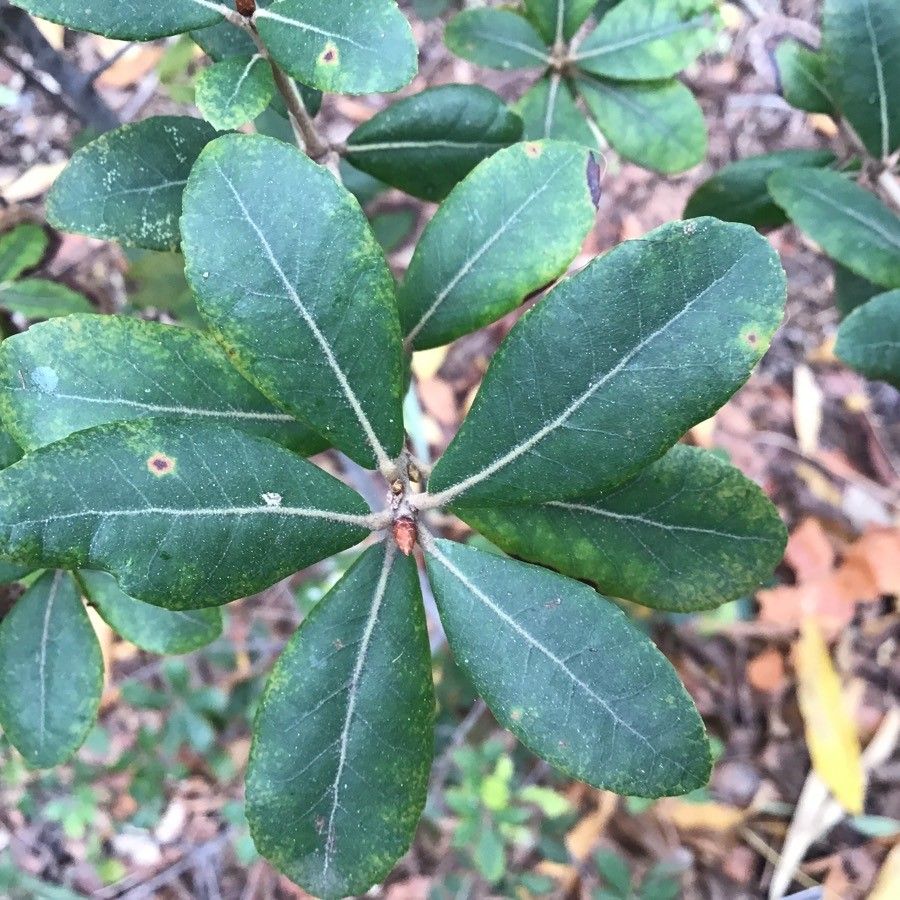
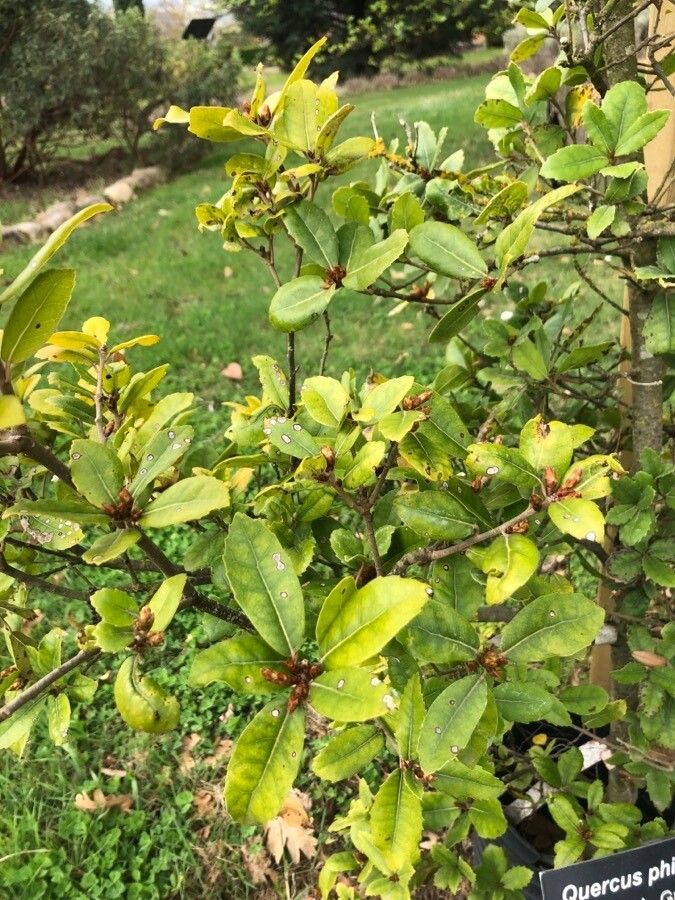
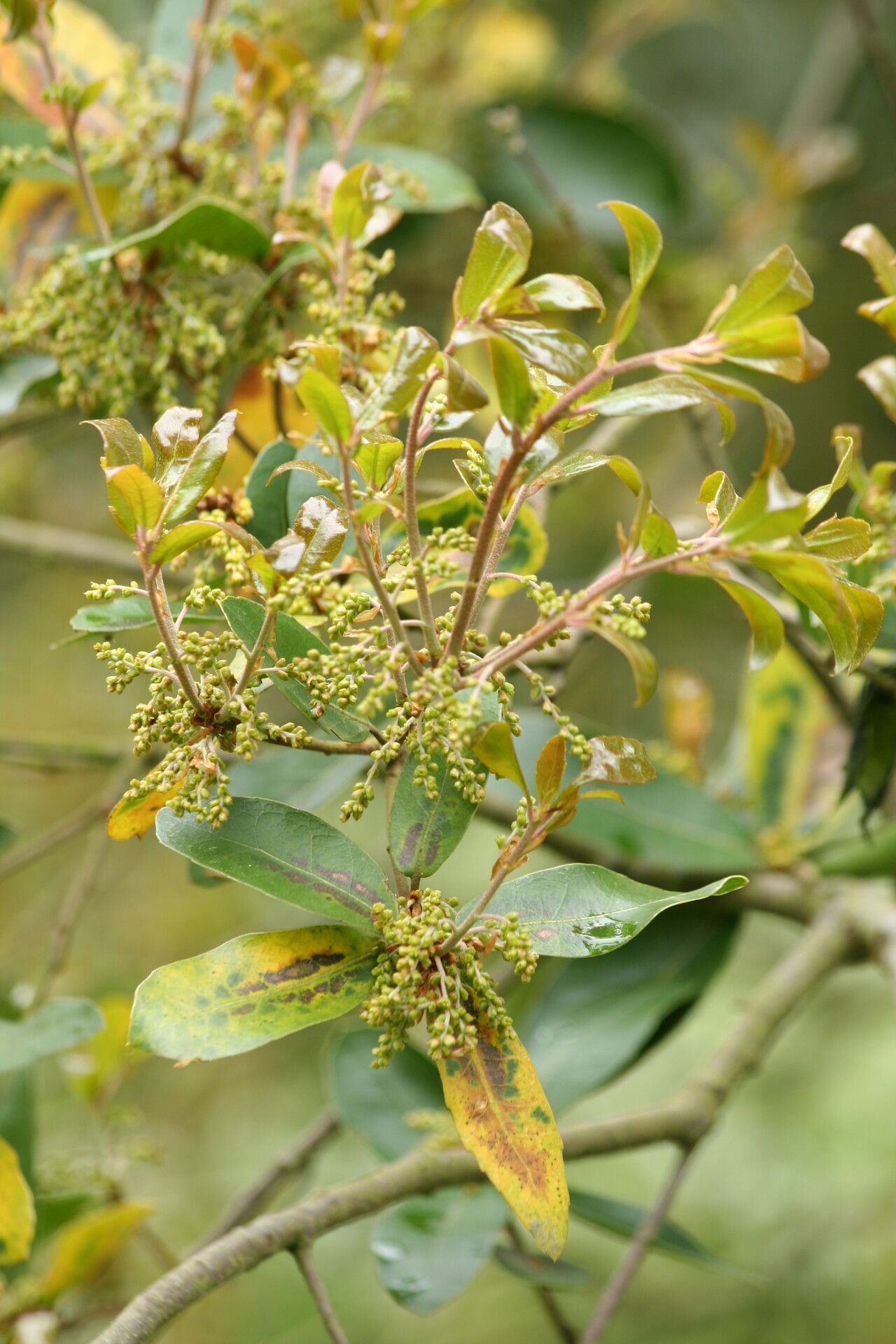
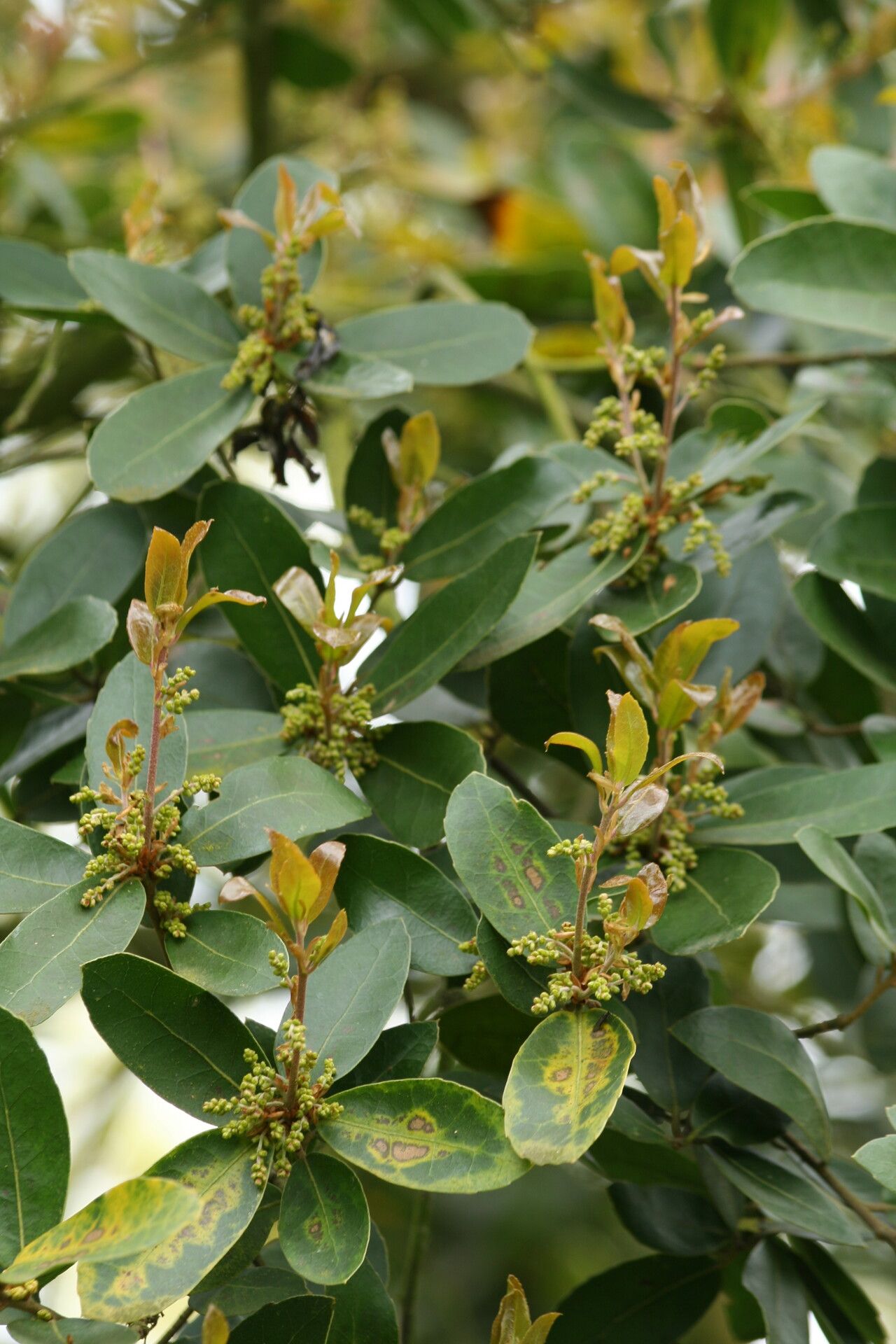
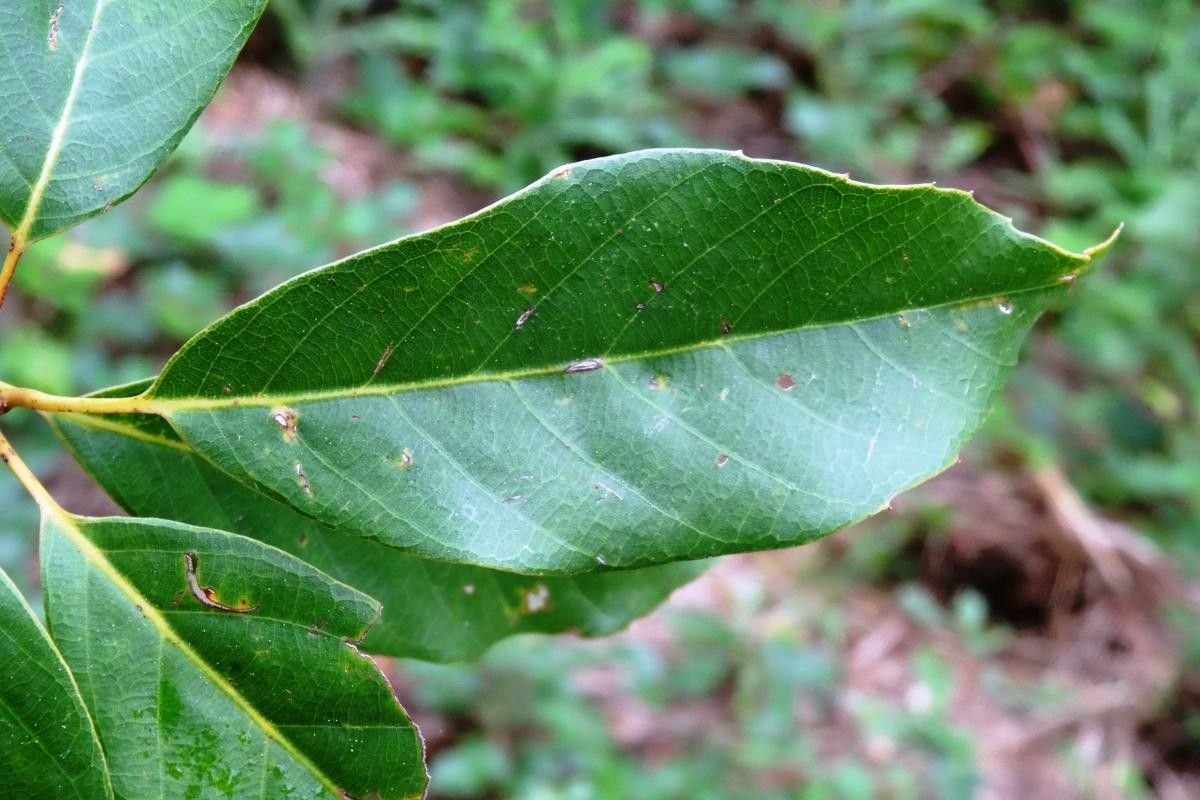
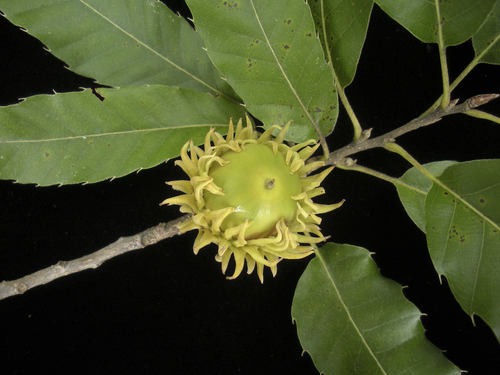
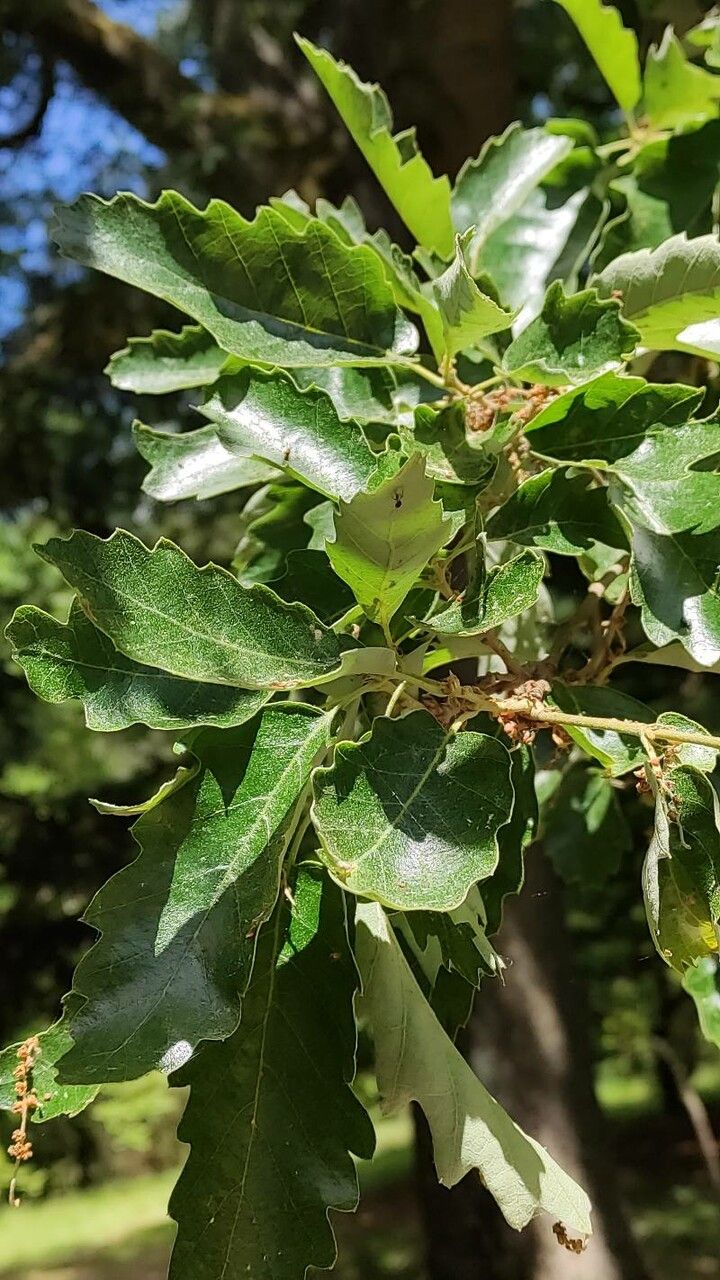
Quercus phillyreoides is a species of flowering plant in the genus Quercus. It is evergreen, withstands frost and can be grown in hardiness zone 7. It is native to southern China, the Ryukyu Islands, and Japan, and has been introduced to Korea.
Black Ridge oak is resistant to disease and typically not susceptible to illnesses. As for care, this plant is fairly low-maintenance. When grown outdoors it needs only minimal watering, and larger specimens usually do not require pruning. Smaller plants, however, should be pruned after they finish blooming. Black Ridge oak is suitable for anyone with outdoor space, such as a garden or a deck, and does not demand extensive experience in plant care.
How to keep Quercus Phillyreoides.
Light
Black ridge oak does best when it gets a lot of sun on a regular basis. It naturally occurs in places with very high sun exposure, such as open areas. If it receives too little light the plant can become weak and its growth slowed, while too much light can cause leaf scorch and wilting.
Water
Black Ridge Oak thrives in woodlands that experience dry spells and can withstand short droughts. To maintain the right moisture balance, water the tree every two weeks. While the oak is resilient in various conditions, consistent soil moisture is crucial for optimal growth during the growing season. It's important to avoid extreme wet or dry conditions.
Temperature
Black ridge oak is native to habitats where temperatures typically range from 50 to 95 °F (10 to 35 °C). It performs best when temperatures stay within that span. In seasons when conditions move beyond those limits, adjustments may be necessary to recreate a comfortable environment.
Fertilizer
Fertilize your Black ridge oak in early spring to encourage healthy growth. Regular feeding improves the tree’s overall health, leading to vigorous growth, resilience to harsh conditions, and increased resistance to pests and diseases. Keep a consistent fertilization schedule for your Black ridge oak to preserve vibrant foliage with deep color and a lush appearance.
Pruning
Pruning black ridge oak in late fall to early winter is crucial. This process involves removing dead branches and improving air circulation. Additionally, trimming new growth helps maintain the tree's size and shape while preserving its natural form. Regular pruning enhances the tree's health, vigor, and appearance, setting the black ridge oak up for success in the coming seasons.
Pot & Repot
When repotting Black ridge oak, select a pot 1-2 inches (2.5–5.1 cm) larger that has good drainage. Use a well-draining potting mix. Repot in spring or fall, making sure the root ball sits slightly lower than the rim of the flower pot. Water thoroughly after repotting and place the pot in a warm spot with indirect sunlight.
Botanical profile.
- Plant Type
- Tree, Shrub
- Life Cycle
- Perennial
- Genus
- Quercus
- Family
- Fagaceae
- Hardiness Zone
- 6-9
- Mature Height
- 9.14 m
- Mature Spread
- 10.06 m
- Leaf Color
- Dark Green, Olive Drab
- Leaf Type
- Evergreen
- Flower Size
- 1.02 cm to 4.06 cm
- Bloom Time
- Mid spring, Late spring, Early summer
- Planting Time
- Spring, Summer
- Harvest Time
- Mid summer, Late summer
- Native Area
- South Korea, Japan, China
Other names.
Reader questions.
What are the sunlight requirements for a Black ridge oak?
Black ridge oak requires consistent exposure to a good deal of sunlight to thrive well. For optimal growth, it is essential that the plant is exposed to full sun, which means it should receive above 6 hours of sunlight daily. However, it can also tolerate partial sun conditions, where it gets about 3-6 hours of sunlight. An original habitat of Black ridge oak includes areas with maximum sunlight exposure, like open terrains. Insufficient light can make the plant frail and slow its growth, while too much sun might lead to issues like leaf scorch and wilting. It's important to watch how sunlight moves through your garden and choose spots that offer the right balance of light and shade, ensuring the plants' happiness.
What is the ideal temperature range for Black Ridge Oak?
Black Ridge Oak, known botanically as Quercus phillyreoides, is native to environments that typically experience temperatures between 50 to 95°F (10 to 35°C). It thrives best within this temperature range. During seasons with extreme conditions beyond these temperatures, it may be necessary to make adjustments to simulate an environment that's comfortable for the plant. Black Ridge Oak possesses strong cold resistance, which generally negates the need for special frost protection measures in winter. However, if temperatures are anticipated to drop below -25°C, providing cold protection by wrapping the trunk and branches with non-woven fabric or cloth is advisable. To prepare the plant for winter, it's recommended to water it abundantly before the first freeze of autumn, ensuring the soil remains moist and enters a frozen state. This helps prevent drought and water scarcity for the plant during the cold months.
How can artificial lighting be used for Black ridge oak?
Indoor Black ridge oaks can benefit significantly from artificial lighting, especially when natural sunlight is insufficient, such as in winter or in less sunny indoor locations. LED lights are a popular choice for indoor plant lighting, as they can be tailored to provide specific wavelengths of light needed by the plants. For plants requiring full sun, 30-50W per square foot of artificial light is needed. Partial sun plants need 20-30W per square foot, and full shade plants 10-20W per square foot. The light source should be placed 12-36 inches above the plant to mimic natural sunlight. Most plants will need 8-12 hours of artificial light per day.
How does Black Ridge Oak respond to low temperatures?
Black Ridge Oak is exceptionally cold-tolerant and fares best when temperatures stay above 10°C. During the winter, it's vital to keep the temperature above -15°C. While the oak generally adapts well to low temperatures, should the mercury dip below -25°C, the plant may not show immediate signs of distress during the winter. However, come spring, the branches might become brittle and dry, and new shoots may fail to emerge. The solution in spring is to prune any dead branches that have not produced new leaves, ensuring the tree can focus its energy on healthy growth.
What are some symptoms of light deficiency or overexposure in Black ridge oak?
Black ridge oak, while thriving in full sunlight, can exhibit various symptoms in response to light deficiency or overexposure. Inadequate sunlight can lead to smaller new leaves, leggy or sparse growth, faster leaf drop, slower or no new growth, and lighter-colored new leaves indicating a lack of chlorophyll and essential nutrients. Overexposure to sunlight can cause chlorosis (leaves turning yellow), sunscald (damage from intense sunlight), leaf curling (as a defense mechanism to minimize water loss), wilting, and leaf scorching (brown, dry edges on leaves due to excess sunlight). Each of these symptoms indicates the plant's struggle with the current light conditions.
How does Black Ridge Oak respond to high temperatures?
During the summer, it's crucial to ensure that Black Ridge Oak's environment does not exceed 35°C. When temperatures climb above 38°C, the plant's leaves may lighten in color, and the tips can become dry and withered, increasing its susceptibility to sunburn. To mitigate these effects, trim away sunburned and dried-up parts of the plant. It's also beneficial to move the plant to a location that provides shade during the midday and afternoon sun, or alternatively, use a shade cloth. Additionally, watering the plant in the morning and evening will help keep the soil moist and reduce stress on the plant during periods of high heat.
What solutions are available for Black ridge oak facing light-related issues?
For indoor Black ridge oaks facing light issues, gradually increasing their sunlight exposure is key. Move the plant closer to a south-facing window, ensuring at least 6 hours of direct sunlight daily, and consider using artificial lights if moving the plant isn't feasible. For outdoor plants, it's important to acclimate them to sunnier spots gradually to avoid sunburn. Removing obstacles like overhanging branches can increase sunlight penetration. For smaller plants, relocate them during their dormant period to a spot with ample sunlight and good drainage. Remember, while affected parts of the plant may not recover, new growth should be healthy with improved light conditions.