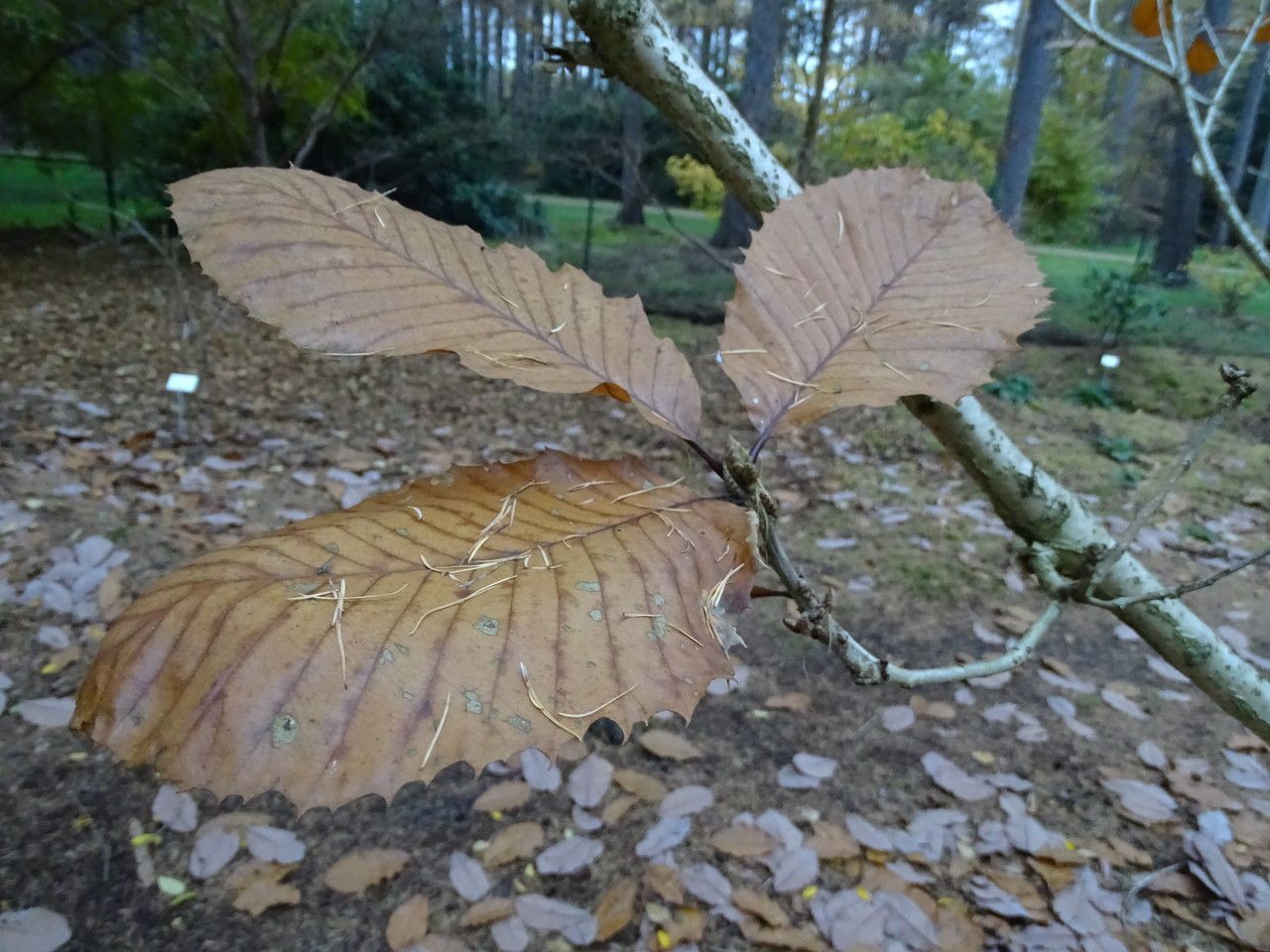
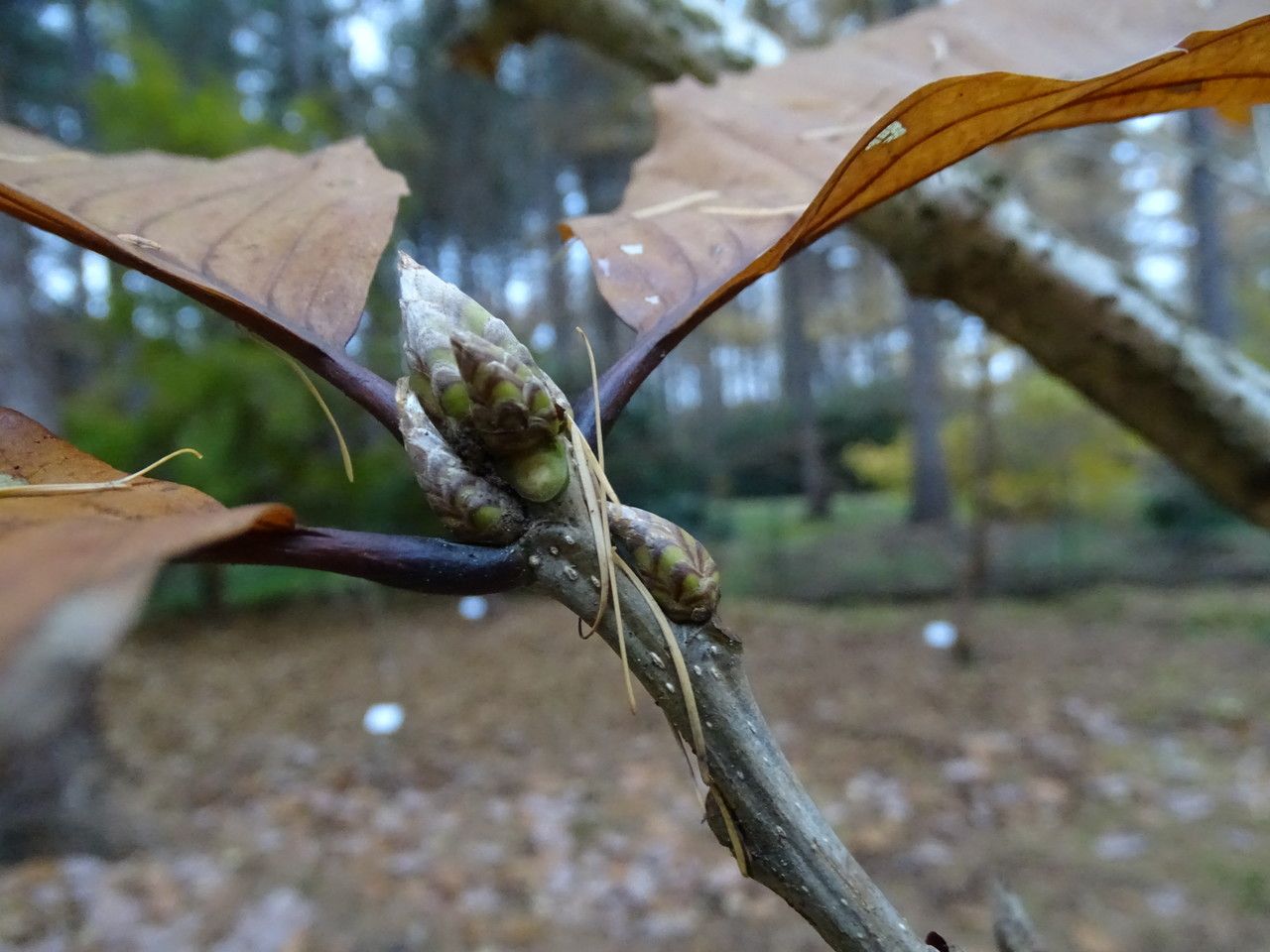
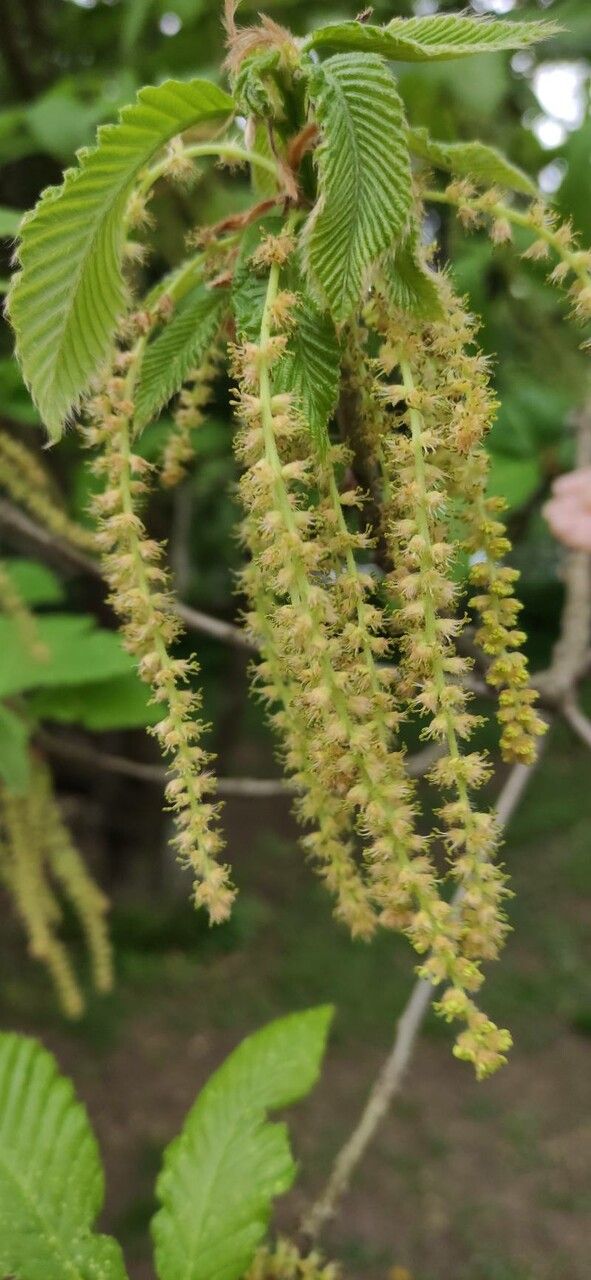
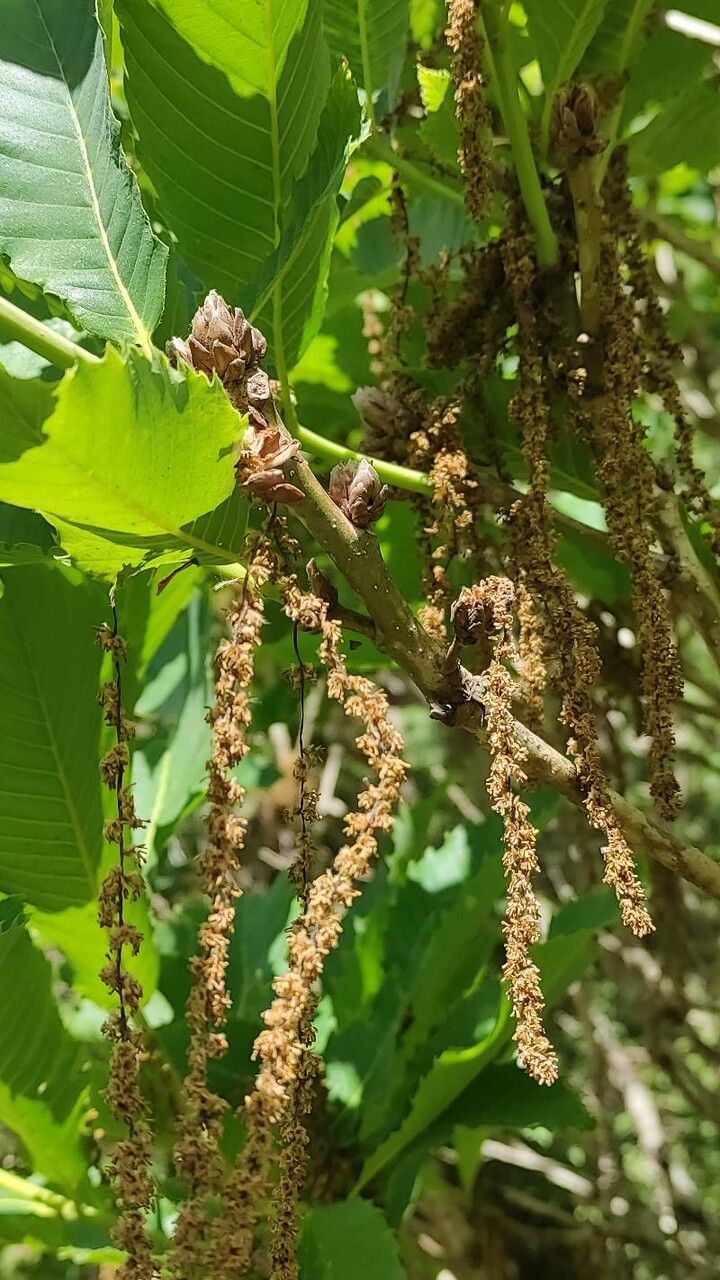
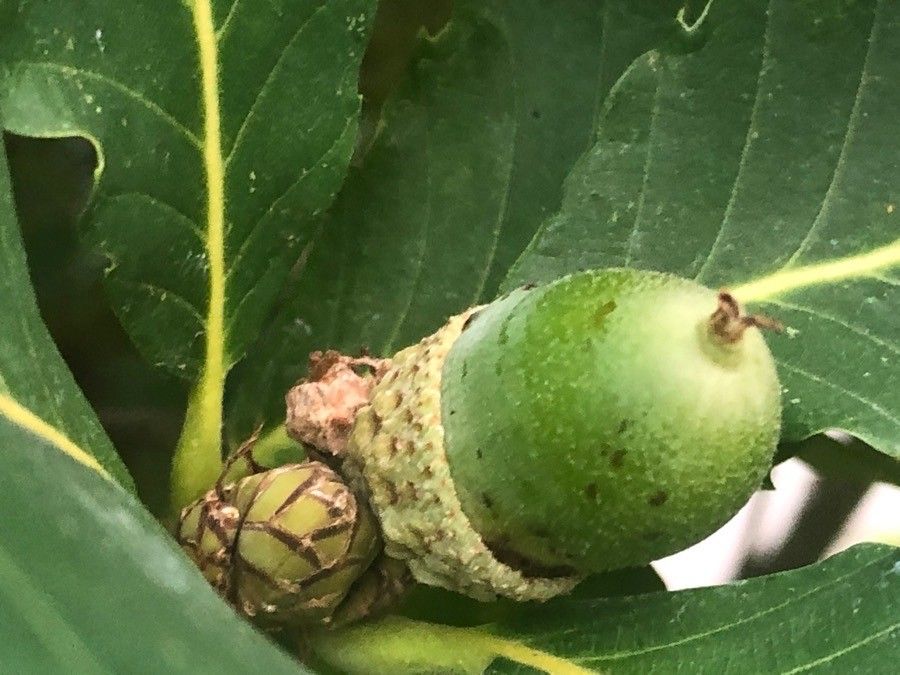
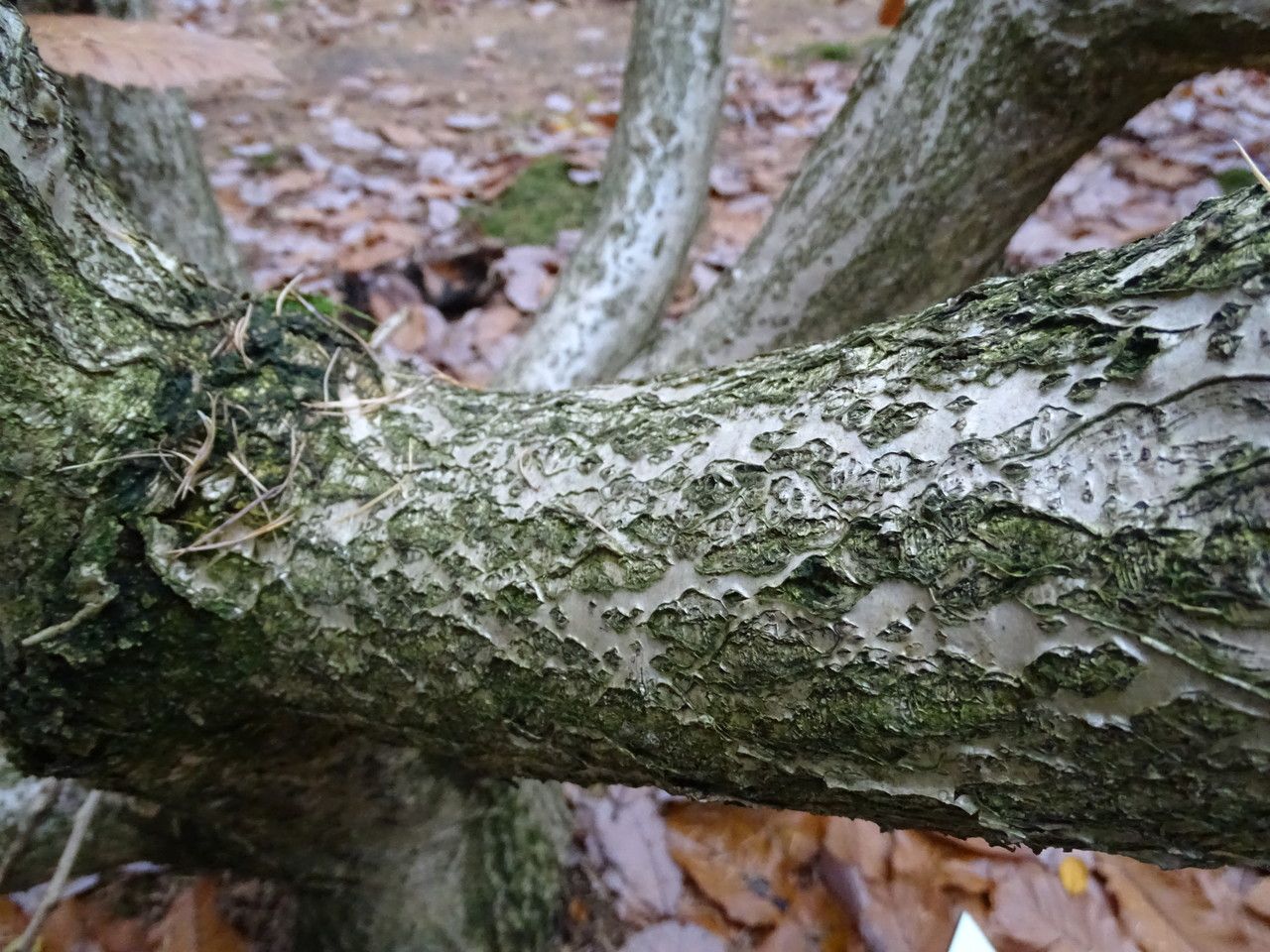
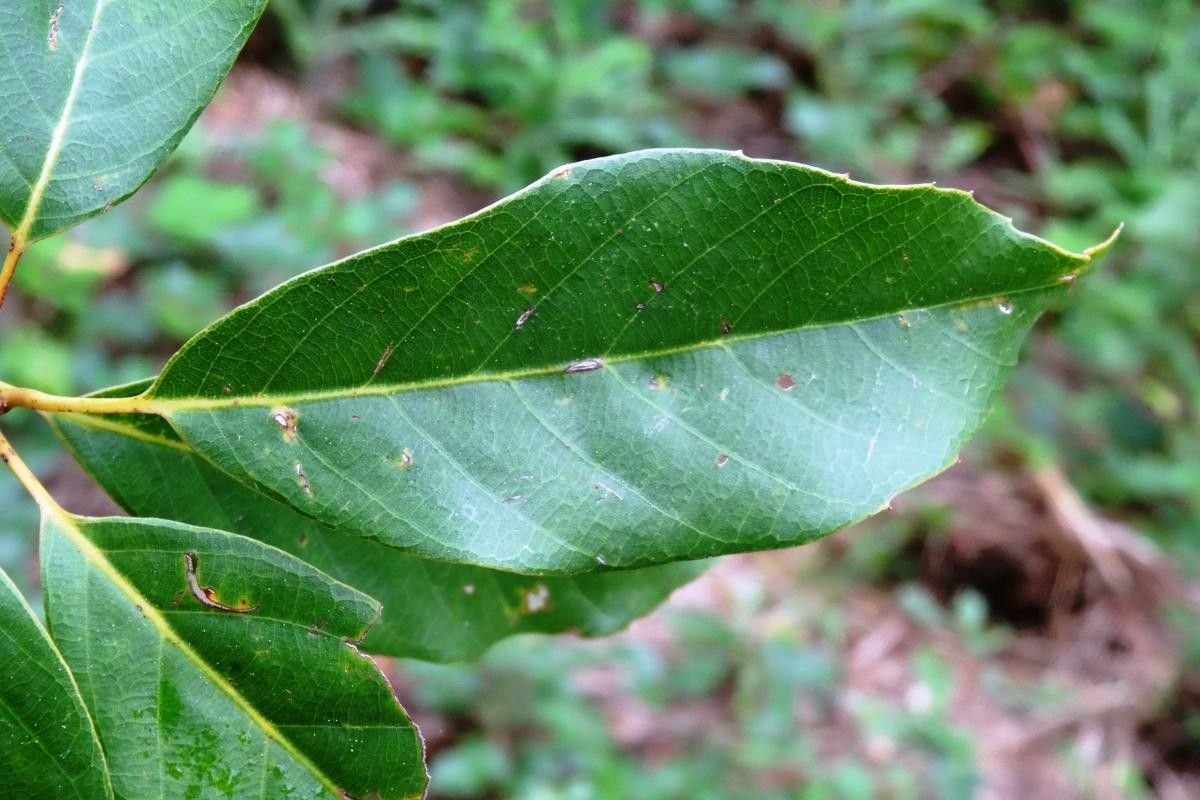
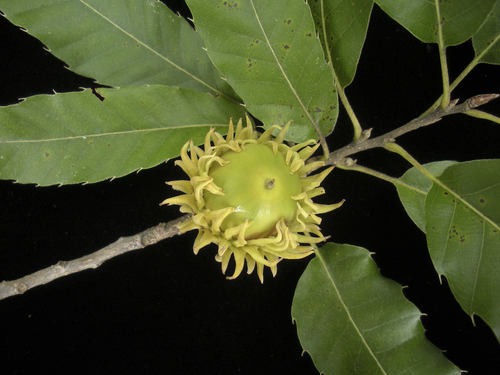
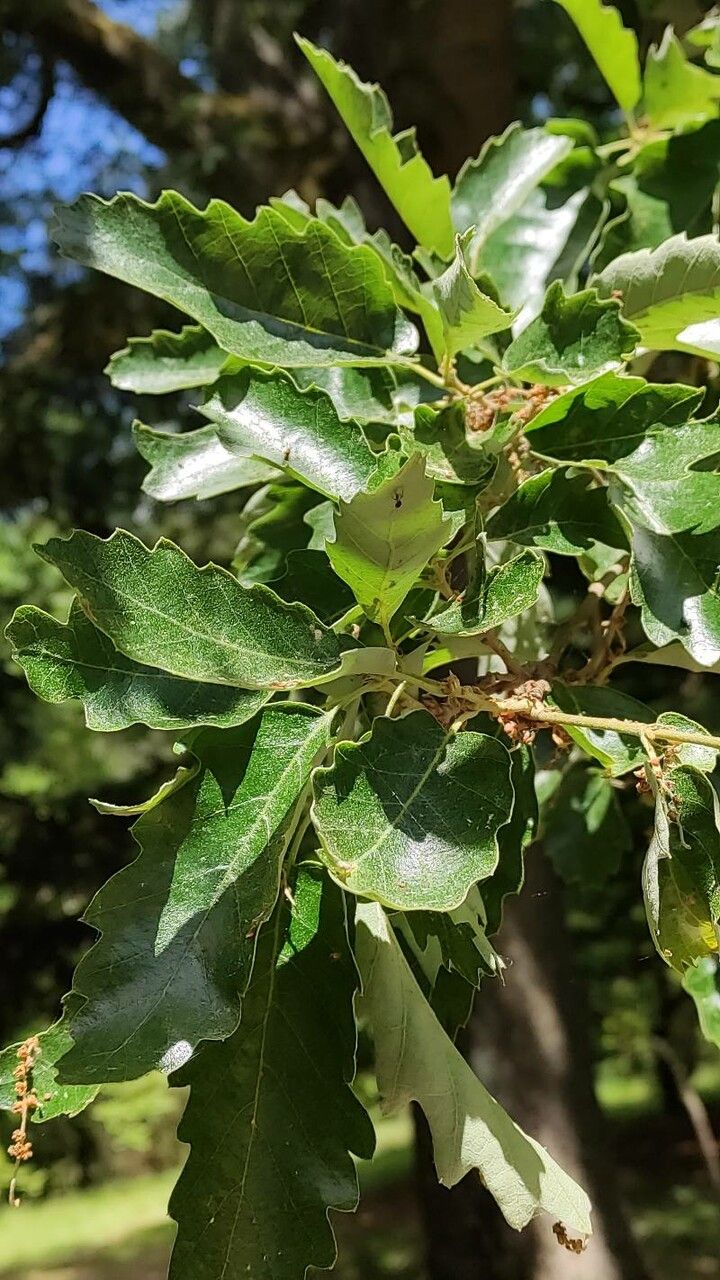
Quercus pontica, the Pontine oak or Armenian oak, is a species of endangered oak currently extant to the western Caucasus mountains of Georgia and northeastern Turkey where it grows at altitudes of 1,300–2,100 metres (4,300–6,900 feet).
Pontic oak is well resistant to disease and is generally not prone to illnesses. In terms of care, this species is relatively low-maintenance. When grown outdoors it needs minimal watering, and larger specimens typically do not require pruning. However, smaller specimens should be pruned after they have finished flowering. Pontic oak is suitable for anyone with an outdoor area, such as a garden or deck, and does not demand much care experience.
How to keep Quercus Pontica.
Light
Pontic oak grows naturally in places like forest understories and rocky sites, where it experiences natural shade. It prefers partial sun but can tolerate both full sun and full shade, illustrating its adaptable, hardy nature.
Temperature
Pontic oak is highly adaptable to a wide range of climatic conditions, from blistering summers to cold winters. Still, it has an optimal temperature range for healthy growth. If temperatures become too high, the plant can suffer from heat and humidity stress, which may lead to its death. In areas where temperatures approach the lower limit of its cold tolerance, it is necessary to use insulation measures to protect the plant.
Fertilizer
To encourage healthy growth, fertilize your Pontic oak in early spring. Regular feeding improves the tree's overall health, leading to vigorous growth, greater tolerance of harsh conditions, and increased resistance to diseases and pests. Keep a consistent fertilization schedule for your Pontic oak to preserve lush foliage with rich, deep color.
Pruning
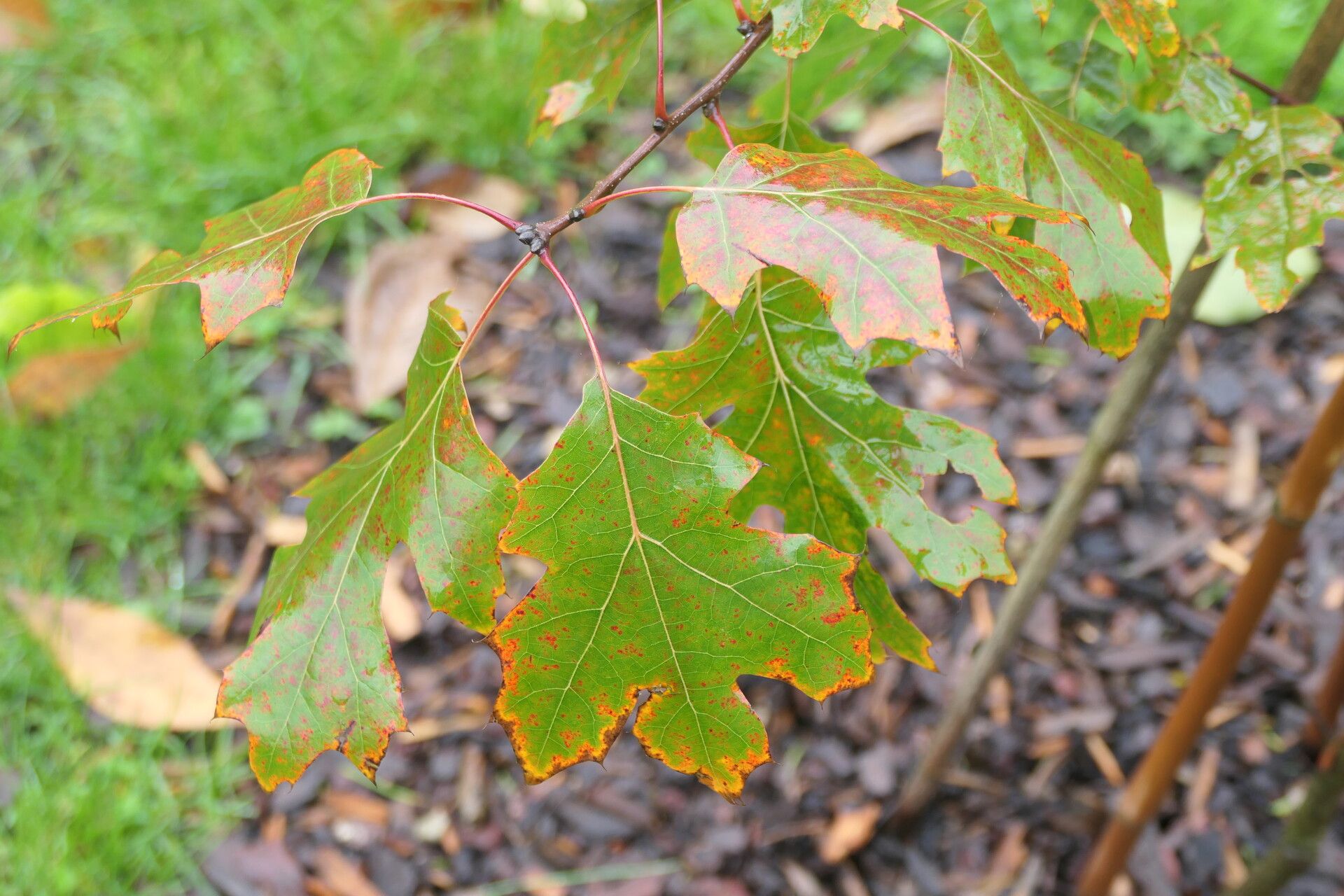
The Pontic oak is characterized by its large, lobed leaves and strong growth. To keep the tree healthy, it's best to prune it in early spring. Start by removing any dead branches, then thin out the canopy to improve air circulation. Light pruning encourages vigorous growth and helps reduce pest problems, ensuring that your Pontic oak thrives.
Botanical profile.
- Plant Type
- Tree
- Life Cycle
- Perennial
- Genus
- Quercus
- Family
- Fagaceae
- Hardiness Zone
- 5-8
- Mature Height
- 3.05 m to 6.1 m
- Mature Spread
- 7.92 m to 11.89 m
- Leaf Color
- Yellow, Green
- Leaf Type
- Deciduous
- Flower Color
- Yellow, Green
- Bloom Time
- Mid spring, Late spring
- Planting Time
- Spring, Summer
- Harvest Time
- Late summer, Early fall, Mid fall
- Native Area
- Turkey
Other names.
Reader questions.
What are the sunlight requirements for Pontic oak?
The Pontic oak, or Quercus pontica, thrives in various sunlight conditions. For areas receiving 'Full sun', it requires above 6 hours of sunlight daily. Where there's 'Partial sun', about 3-6 hours of sunlight each day is suitable. It's important to watch how sunlight gracefully moves through your garden, and choose spots that provide the perfect balance of light and shade for your plants, ensuring their happiness.
What is the Pontic oak?
The Pontic oak, known scientifically as Quercus pontica, is a species of oak. This tree is recognized by its specific botanical name, distinguishing it from other types of oaks. Unfortunately, there's no additional information provided on its characteristics, such as its essential features or typical symptoms if it's subjected to certain conditions.