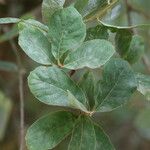
Quercus rugosa
Netleaf oak
Description
Source: leafsnapQuercus rugosa, commonly known as the Texas red oak or the netleaf oak, is a deciduous tree species in the Fagaceae family. Native to North America, it is commonly found in Texas, Oklahoma, and Mexico. The tree can grow up to 50 feet tall with a spread of 30 feet. The bark of Quercus rugosa is dark gray and deeply furrowed, forming diamond-shaped patterns. The leaves are simple, alternate, and dark green on top, with a lighter green underside covered in fine hairs, giving them a net-like appearance, thus the name "netleaf oak." In autumn, the leaves turn yellow or reddish-brown before falling off. Quercus rugosa produces acorns, which are an important food source for wildlife such as squirrels and deer. The wood from this tree is also valued for furniture making due to its durability. This tree prefers well-drained soils but can tolerate various types, including clay soils, as long as they are not waterlogged. It thrives in full sun but can also tolerate partial shade. Overall, Quercus rugosa is an attractive deciduous tree that provides food for wildlife and is useful for furniture making due to its durable wood.
🎭 Security, Wellness, Finances
Care Guide
💧 Water Every 7 days
The Netleaf oak thrives best in conditions similar to its native environment. Once established, it can withstand dry periods with minimal watering. To promote root growth, water the tree deeply every 2-3 weeks. As a deciduous species, the tree's water requirements decrease when it begins to shed its leaves before entering dormancy. While natural rainfall is generally sufficient during this time, the tree will need additional irrigation during extended droughts.
How should I water my Netleaf oak tree?
You have flexibility in how you water your Netleaf oak as it is not particular. Common watering tools such as watering cans, hoses, or cups can be used. It is important to water the soil directly and make sure all areas are adequately moistened to nourish the entire root system evenly. Filtering the water is preferable to remove harmful particles present in tap water. Additionally, using water that is at or close to room temperature is beneficial as extreme temperatures can be stressful for the Netleaf oak. Nevertheless, the Netleaf oak usually thrives regardless of the water type used.
What should I do if I give my Netleaf oak tree too much water or not enough water?
Outdoor plants, especially newly planted ones or seedlings, can be prone to lack of watering. It's important to water them enough for the first few months while they are still small. Once the roots are established, Netleaf oak can rely on rain most of the time. If your Netleaf oak is planted in pots, overwatering is more likely. If you accidentally overwater your plant, take immediate action to fix the situation. First, stop watering the plant to minimize the effects of overwatering. Then, remove the Netleaf oak from its pot to check the roots. If there are no signs of root rot, you can put the plant back in its container. But if there is root rot, trim affected roots and apply fungicide if needed. Finally, repot the Netleaf oak in well-draining soil. If your Netleaf oak is underwatered, simply water it more frequently. Underwatering is usually easy to rectify. When you underwater, the leaves may droop, dry out, and fall off, but they will regain fullness after sufficient watering. Adjust your watering frequency promptly if you notice underwatering.
How often do I need to water my Netleaf oak?
Most outdoor plants grow fine with rainfall, but if your area lacks rain, you should water them every 2 weeks in the spring and fall. In the summer, you'll need to water more often. In winter, when plants grow slower and need less water, you can water less or not at all. If your Netleaf oak is young or newly planted, water it more frequently to help it establish and grow. For potted plants, there are two ways to determine when to water your Netleaf oak. One way is to have a set watering schedule, such as every week or every other week. However, this may not be appropriate for your specific growing conditions. Another approach is to check the moisture level of the soil. Wait until the top few inches of soil, about ⅓ to ½ depth of the pot, are completely dry before watering again. This method may be more effective, especially during summer when the plant's water needs are highest.
How much water does my Netleaf oak tree need?
When watering your Netleaf oak, you may be surprised to learn that it doesn't always require a lot of water. Instead, if only a few inches of soil have dried since the last watering, you can promote healthy growth by giving it about five to ten ounces of water each time. You can also determine how much water to give based on the moisture in the soil. Take note of how many inches of soil have dried out between waterings. To ensure your Netleaf oak receives sufficient moisture, water enough to moisten all the dry soil layers since the last watering. If more than half of the soil is dry, you should consider watering more than usual. In these cases, continue watering until you see excess water draining from the pot's drainage holes. If your Netleaf oak is planted in an area that receives ample rainfall, it may not need additional watering. When the tree is young or still establishing, make sure it receives 1-2 inches of rain per week. As it grows and establishes itself, it can rely solely on rainwater. Only when the weather is exceptionally hot and there has been no rain for 2-3 weeks should you consider giving your Netleaf oak a thorough watering to prevent stress.
How do I know if I'm giving my Netleaf oak enough water?
The Netleaf oak is more commonly affected by overwatering, and there are a few signs to watch out for. When overwatered, the leaves will turn yellow and may fall off. Overwatering can also cause the plant's structure to shrink and increase the chances of root rot. On the other hand, an underwatered Netleaf oak will start to droop and its leaves may turn brown and become brittle. Whether you notice signs of overwatering or underwatering, it's important to take action and restore your Netleaf oak's health.
☀️ Light Full sun
Netleaf oak does best when it receives abundant sunlight for many hours each day. Excessive shade may harm its health and growth. It can, however, tolerate a lower amount of sunlight. In its natural range, this plant is found in locations with strong sun exposure, which reflects its need for light. Insufficient light can result in stunted growth.
How many hours of sunlight does a Netleaf oak tree need each day to grow healthily?
To ensure healthy growth, Netleaf oak should receive at least 3-6 hours of sun per day. This is the minimum amount needed, as most plants that can tolerate part sun can also do well in full sun. However, these plants are more adaptable since they require less light for photosynthesis compared to plants that need full sun or partial shade.
What kind of sunlight does Netleaf oak require?
Netleaf oak thrives in full or part sun, particularly benefiting from direct morning light. Nevertheless, during the summer, it requires some shade to shield it from the intense afternoon sun. If a netleaf oak is exposed to excessive hot afternoon sun in temperate environments, it can result in leaf burn, which negatively impacts the plant's overall appearance and health.
Can the sun harm Netleaf oak trees? How can Netleaf oak trees be kept safe from sun and heat damage?
Indoor Netleaf oak plants can be harmed by direct sunlight when they are moved outside. To prevent sunburn from too much exposure, it is recommended to gradually move the pots from a shady area to a brighter location. However, even plants accustomed to the sun can be damaged by extreme heat. During a heatwave, it is crucial to keep the soil consistently moist to help the plants handle the excessive heat. To protect sensitive Netleaf oak plants during extreme weather events, it is advisable to either move container plants to shaded areas in the afternoon or cover them with a shade cloth.
Should the Netleaf oak be kept out of the sun?
Netleaf oak benefits from bright morning sun and some full sun exposure, but it can struggle with the hot midday summer sun. When planted in the ground, the oak can acclimate to the increasing intensity of the summer sun throughout the season. However, potted plants that have been indoors or in a sheltered area may suffer damage if suddenly exposed to the intense direct sun of the hottest part of the day. To prevent this, it's best to plant or place the oak in an understory location where it will be shaded at midday by taller trees, plants, a building, or a landscape feature, providing protection from the intense afternoon summer sun.
What happens if Netleaf oak doesn't get enough sunlight?
Netleaf oak may exhibit signs of inadequate sunlight, such as pale green leaves or drooping, yellow leaves. While some leaf drop is normal, if no new leaves are growing in to replace them, it indicates a problem. In cases where Netleaf oak does manage to grow with insufficient light, the new growth is typically weak, pale, and easily attacked by insects. Therefore, it is important to take note of these signs and adjust the lighting conditions of the plant for a positive impact.
🌡️ Temperature 15–35°C
Netleaf oak comes from a climate where temperatures range from 59 to 95 °F (15 to 35 ℃). The plant does best when maintained within that temperature span. As seasons change, you should relocate it or alter its surroundings to recreate those conditions.
What is the best temperature for Netleaf oak?
The optimal temperature for the Netleaf oak to thrive is between 65 to 80℉ (18 to 27℃). During the primary growing phase, it can tolerate temperatures as high as 95℉ (35℃) and as low as 15℉ (-10℃). This species is resilient to low temperatures and can survive freezing winters. The ideal temperature range is as follows: Perfect: 65 to 80℉ (18 to 27℃), Highest: 85 to 95℉ (30 to 35℃), Lowest: -5 to 15℉ (-20 to -10℃) or below.
Should I change the temperature for the Netleaf oak tree during different stages of growth?
Research indicates that the Netleaf oak may experience slowed growth when exposed to extended periods of high temperatures, particularly during the growth of axillary buds and main shoots. To promote strong growth following germination or transplanting, it is beneficial to maintain a consistent and cooler temperature of approximately 65℉ (18℃).
How can I make sure the Netleaf oak tree stays warm during cold seasons?
Netleaf oak is a hearty tree that can survive freezing temperatures, as long as it is planted in the ground in areas where the temperature does not drop below -10℃ (15℉) during winter. However, if the tree is planted in pots or containers, its roots need to be protected from the cold. One way to do this is by wrapping the container in a blanket or bringing it inside to keep it completely shielded from the winter elements.
What happens to Netleaf oak when the temperature is too high or too low?
Netleaf oak is more strongly affected by consistently high temperatures than consistently low temperatures. When exposed to excessive heat, the oak's seed germination and photosynthesis efficiency decrease due to hormone triggers caused by heat stress. The plant will exhibit signs of distress, including wilting, browning of leaves, and potentially even death. On the other hand, if the oak is exposed to overly cold temperatures, its critical functions like nutrient uptake and photosynthesis will halt, potentially resulting in the plant's death. In the event of a freezing incident during the growing season, there is a risk of a membrane phase transition occurring, which can bring about a cessation of plant functions and eventually lead to the plant's demise.
What should I remember about temperature for Netleaf oak?
To ensure the health of the Netleaf oak and promote successful budding, flowering, and new growth, it is crucial to maintain a consistent soil temperature. This can be achieved by regularly watering the tree, applying a layer of mulch to any bare soil, and planting it in a shaded area.
💨 Humidity
🪴 Soil 5-7
🌱 Fertilizer
Fertilize your Netleaf oak in early spring to encourage healthy growth. Regular feeding boosts the tree’s overall health, leading to vigorous growth, greater resilience in difficult conditions, and better resistance to pests and diseases. Adhere to a specific fertilization schedule for your Netleaf oak to keep the foliage vibrant, richly colored, and lush in appearance.
Why should I add fertilizer to my Netleaf oak?
No matter what type of Netleaf oak you have, regularly fertilizing it will promote overall plant health. By providing the right nutrients, the oak tree will experience stronger growth and become more resilient to challenging conditions. This will also enhance its ability to fend off diseases and pests. Keeping the foliage intact is crucial since it is one of the tree's most attractive features. To achieve this, establish and stick to a fertilization schedule that is customized for your specific Netleaf oak. This will encourage the development of deep-colored leaves and a lush appearance.
When should I fertilize my Netleaf oak tree?
To ensure healthy growth, fertilize your Netleaf oak for the first time in late winter or early spring. This will provide the necessary nutrients for when the weather gets warmer. If you live in a warm climate, it can be beneficial to fertilize again in early fall. This will give your Netleaf oak additional nutrients for the next growing season and help it withstand the winter cold without damage to its foliage. Fertilizing earlier will allow new branches enough time to grow and be resilient during winter.
When is it not a good idea to use fertilizer on my Netleaf oak tree?
To ensure optimal growth for your Netleaf oak, there are specific times throughout the year when fertilization should be avoided. Firstly, during the early and mid-winter months when the tree is dormant, there is no need for feeding. Secondly, it is not recommended to fertilize the plant in late spring and throughout summer due to the hotter and dryer weather conditions. These conditions can have a negative impact on the tree's response to fertilization. To prevent any issues, it is best to follow a fertilization schedule that involves feeding only in early spring and early fall.
What kind of fertilizer should I use for my Netleaf oak tree?
The most important nutrient for a Netleaf oak is usually nitrogen. However, this doesn't mean that phosphorus and potassium are not important. In fact, your Netleaf oak requires a good amount of all three main nutrients. That's why a balanced fertilizer, like a 10-10-10, can be effective. But for optimal growth, a more nuanced ratio of nutrients is often better. Fertilizers with slightly higher nitrogen content, like a 10-6-4 ratio, tend to work well. When fertilizing, you have the option of using either granular or liquid-based fertilizers.
How should I feed my Netleaf oak tree?
To fertilize your Netleaf oak, you have two options: granular fertilizer or liquid fertilizer. If you choose granular fertilizer, simply sprinkle it on the soil at the right time. The slow-release nature of granular fertilizer means that nutrients will be released gradually over time. It's important to lightly water your Netleaf oak beforehand, as this helps the fertilizer work effectively. Alternatively, you can use liquid fertilizer, although this method is less common. To do this, mix the fertilizer with water and pour it onto the soil around the base of your Netleaf oak. In some cases, it may be helpful to perform a soil test before fertilizing to determine if any adjustments need to be made to the pH levels.
🪴 Pot & Repot
✂️ Pruning
Pruning netleaf oaks in late winter helps enhance their growth by removing dead or diseased branches and thinning the crown to improve air circulation and sunlight exposure. It's important to maintain a clear central leader to ensure structural integrity, and avoid excessive pruning to reduce stress. This approach promotes the tree's longevity and resilience.
🌿 Propagating
🐛 Diseases & pets
☠️ Toxicity
Characteristics
- Plant Type
- Tree
- Life Cycle
- Perennial
- Genus
- Quercus
- Family
- Fagaceae
- Hardiness Zone
- 7-9
- Mature Height
- 6.1 m to 9.14 m
- Mature Spread
- 4.88 m to 7.01 m
- Leaf Color
- Green, Blue
- Leaf Type
- Evergreen
- Flower Color
- Yellow, Green, Brown
- Flower Size
- 3.05 cm to 5.08 cm
- Bloom Time
- Mid spring, Late spring
- Planting Time
- Spring, Summer, Autumn
- Harvest Time
- Late summer, Early fall, Mid fall
- Native Area
- Honduras, Mexico, Guatemala