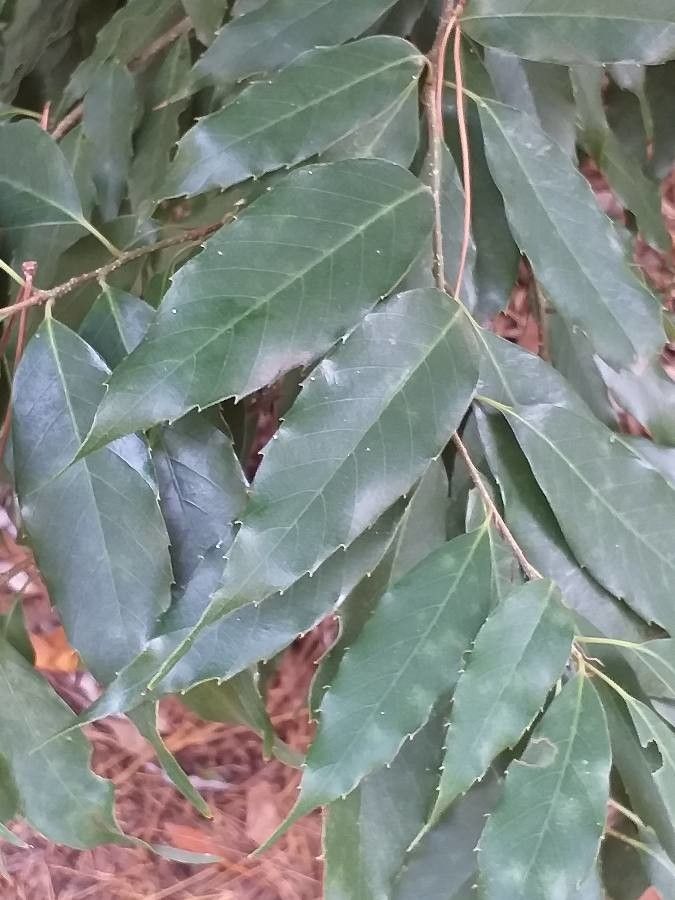
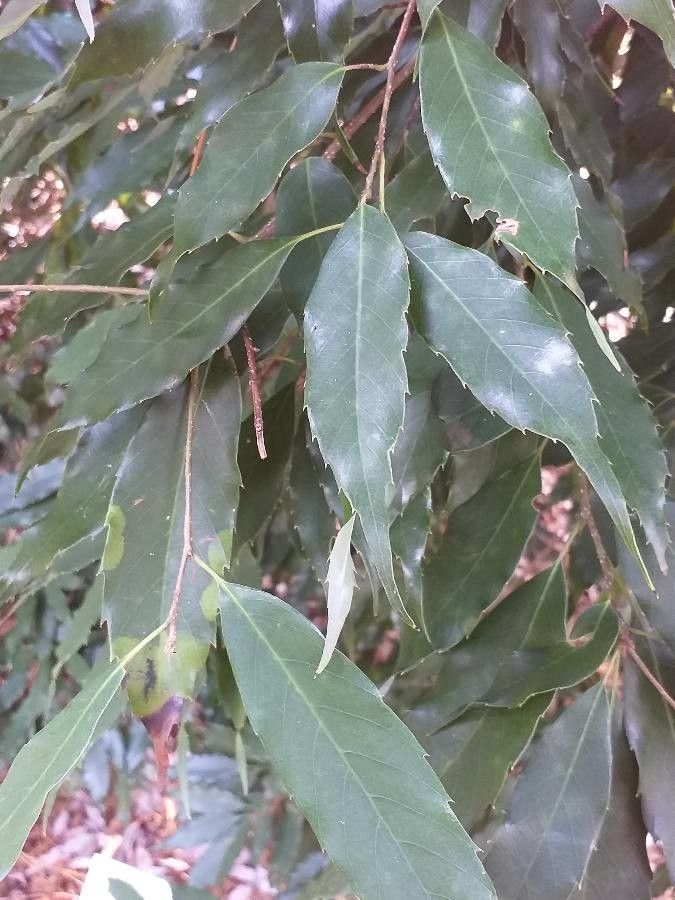
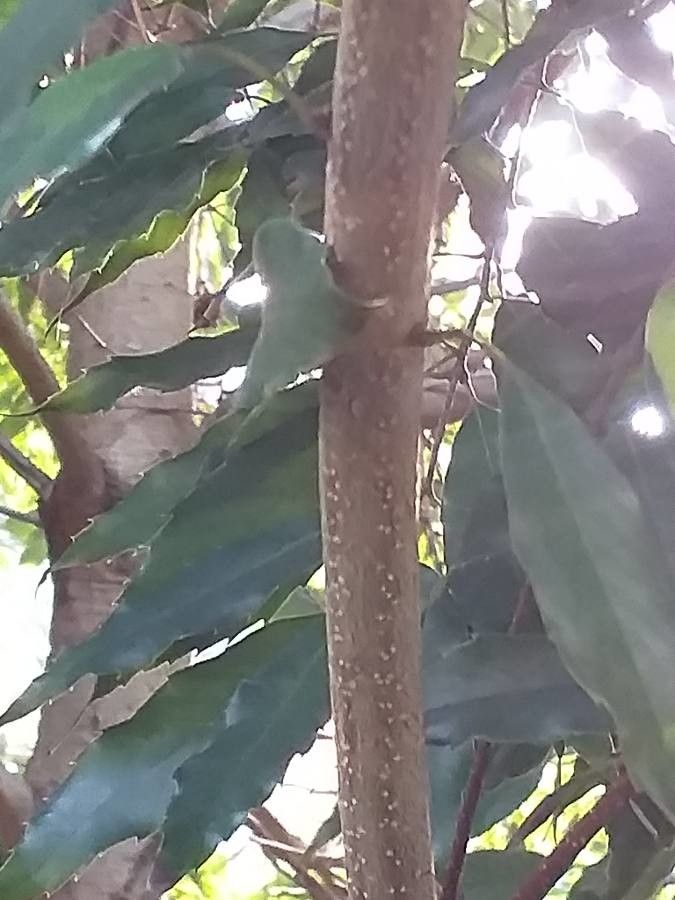
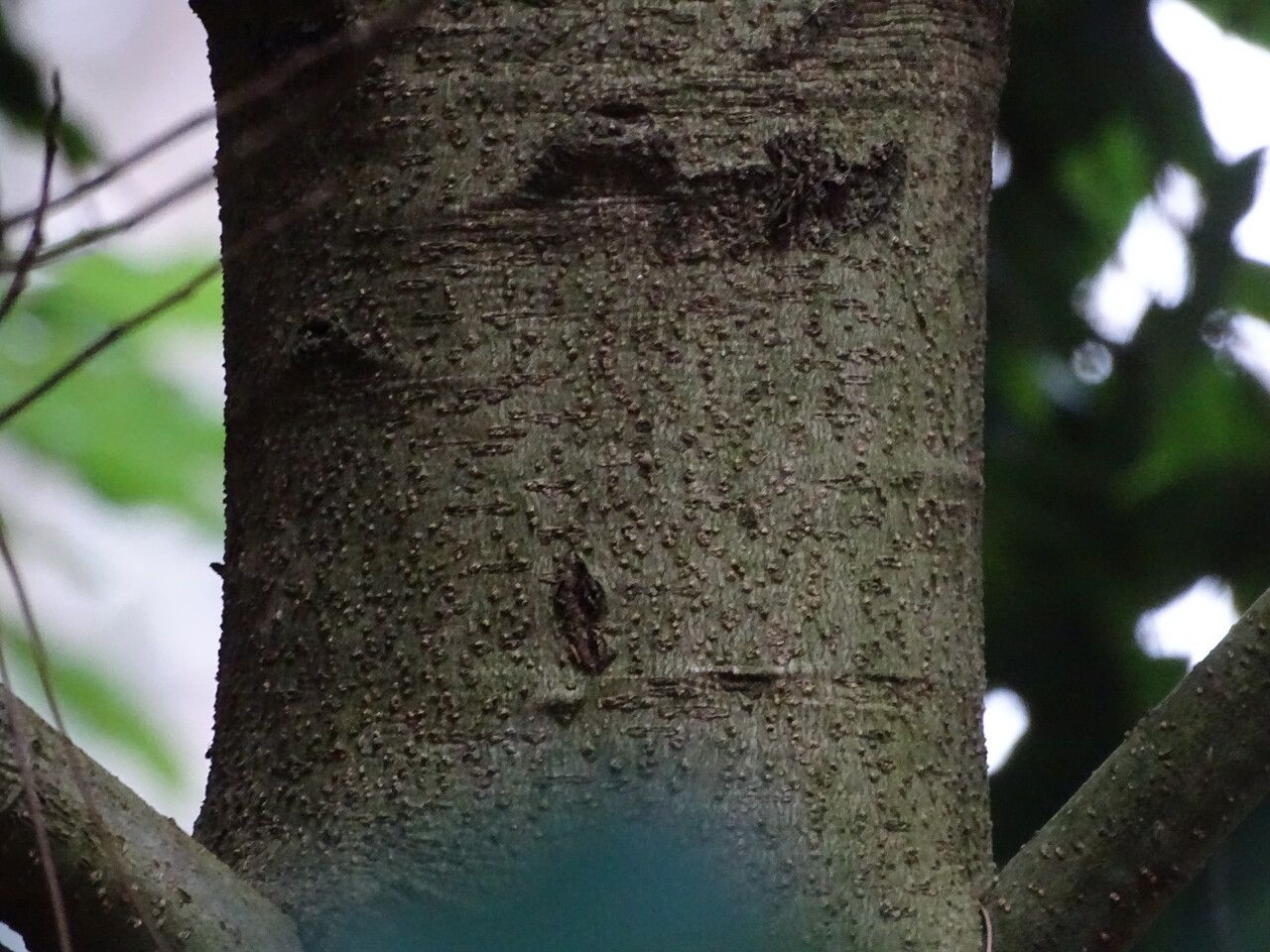
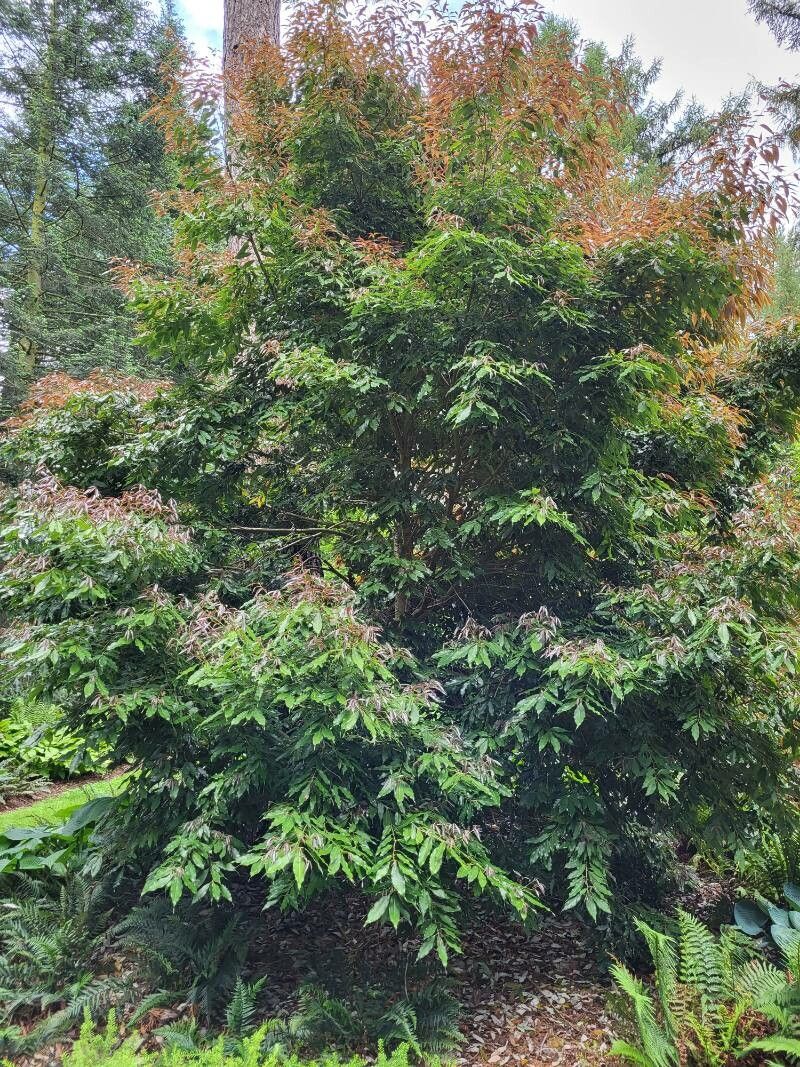
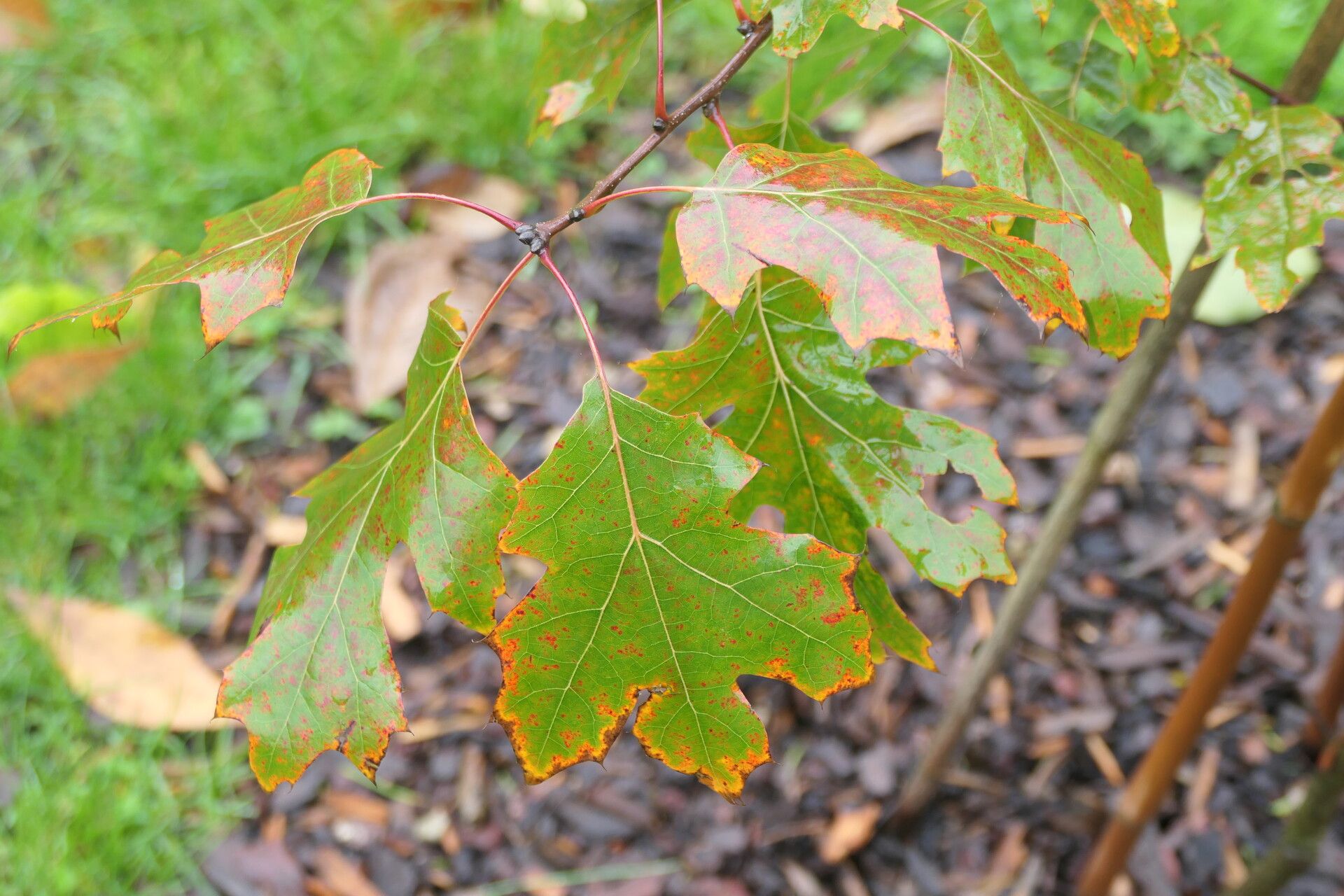
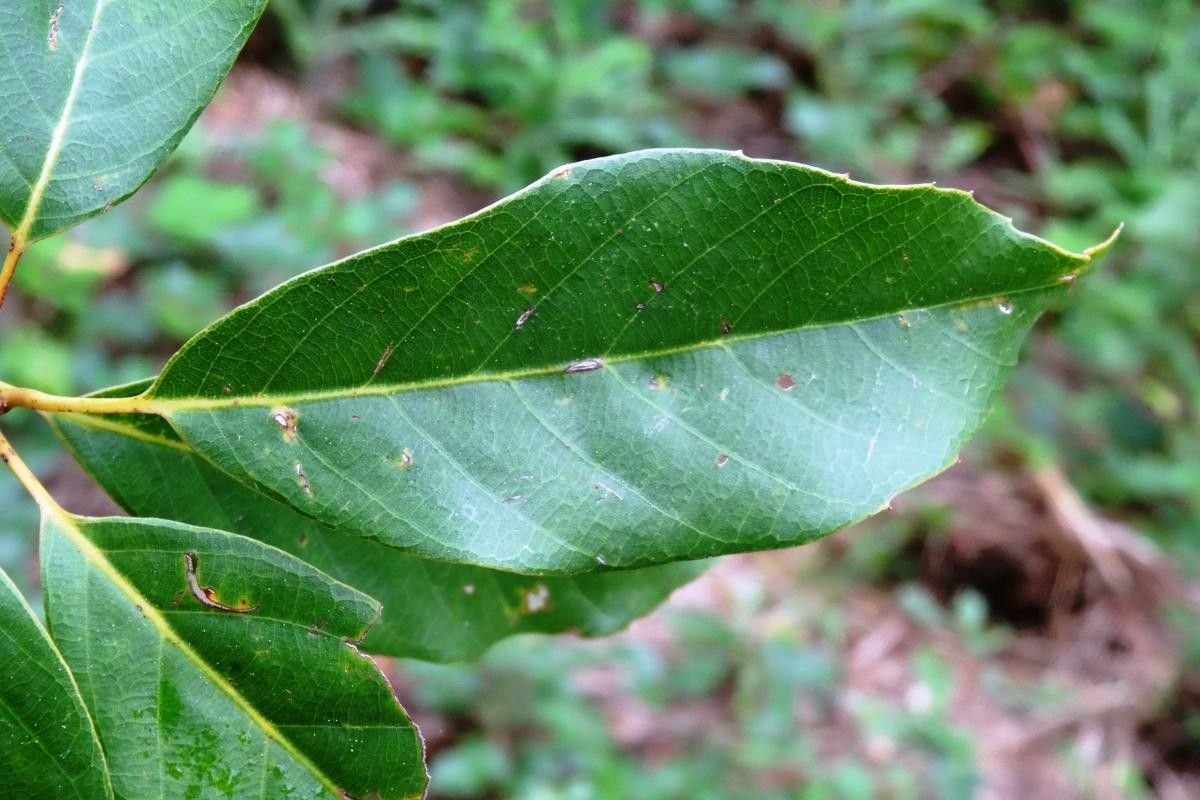
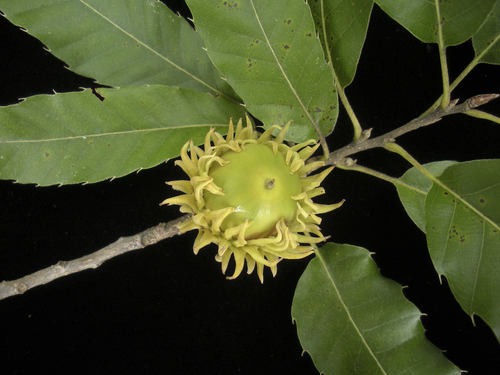
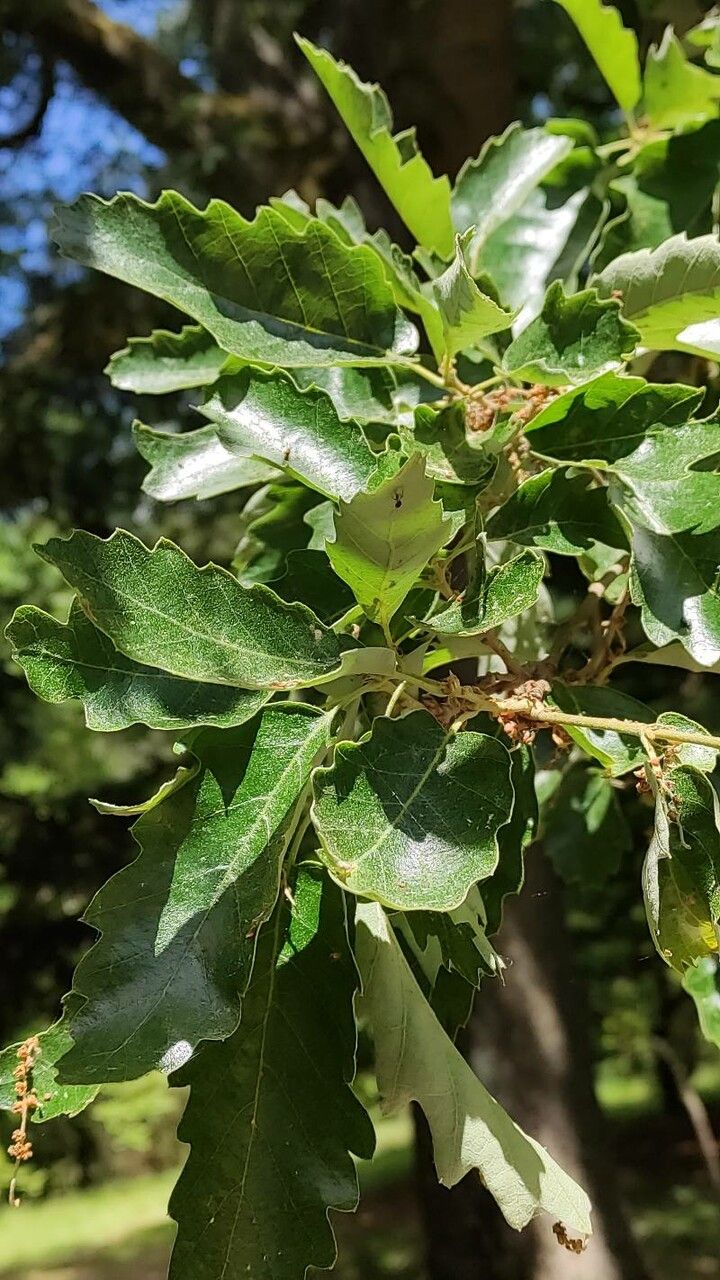
Quercus salicina is an oak species found in Japan, South Korea and Taiwan. The larvae of the Japanese oakblue (Arhopala japonica), of Acrocercops vallata and Marumba sperchius feed on Q. salicina. Stenophyllanin A, a tannin, and other quinic acid gallates can be found in Q. salicina. The triterpene friedelin can also be isolated from the leaves of the tree.
How to keep Quercus Salicina.
Water
The Japanese willowleaf oak thrives with moderate rainfall and exhibits good drought tolerance once it is well-established. To ensure its vitality, water the tree every 1 to 2 weeks. Being an evergreen, it retains its leaves all year and needs consistent moisture, particularly during the growing season.
Pruning
The Japanese willowleaf oak features slender leaves and gracefully arched branches. To maintain its health and appearance, prune the tree in early spring. This is the ideal time to enhance air circulation and manage its size by removing any dead or crossing branches. Concentrate on shaping young plants to establish a strong framework. Proper pruning encourages growth, prevents disease, and allows light to penetrate the canopy. Always use clean tools to make precise cuts.
Botanical profile.
Other names.