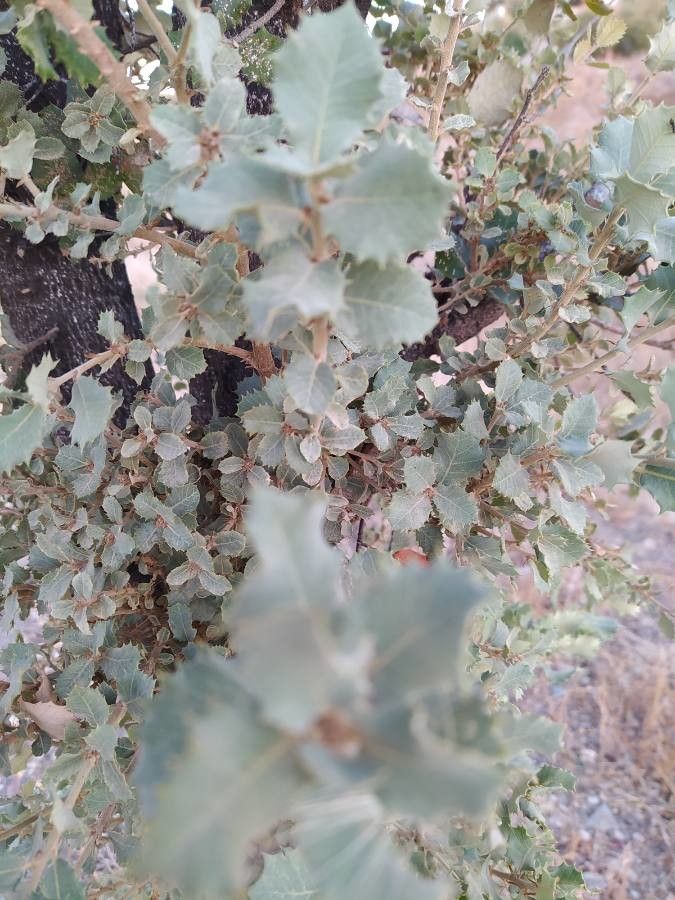
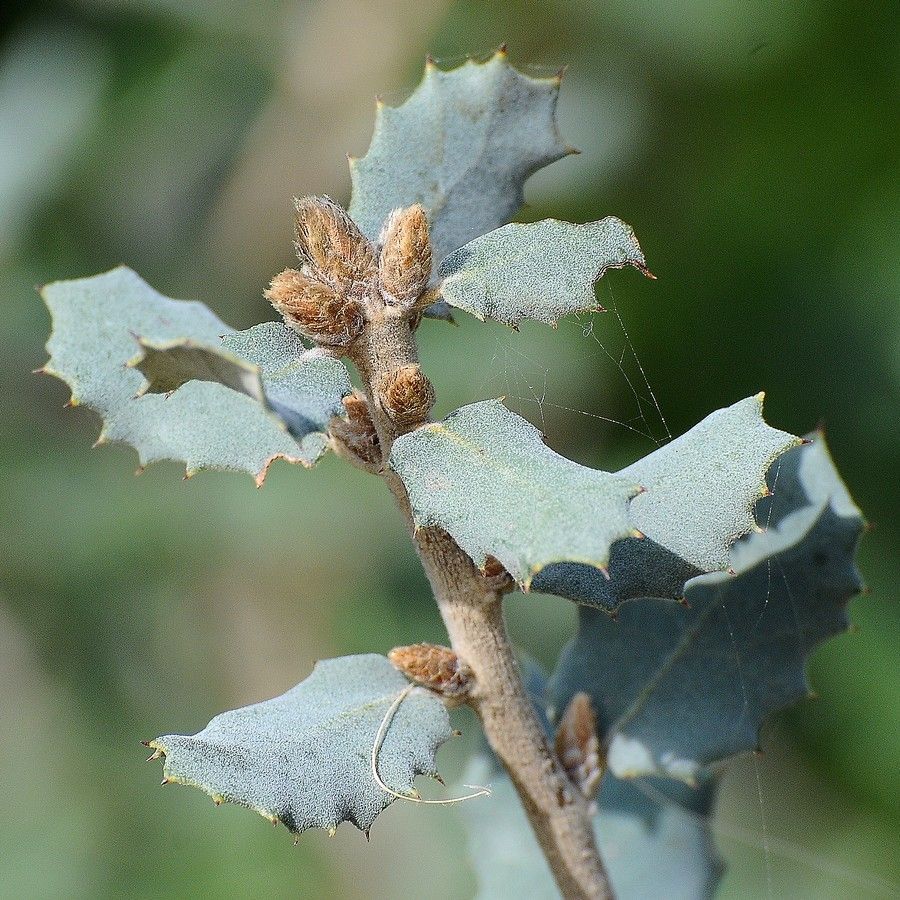
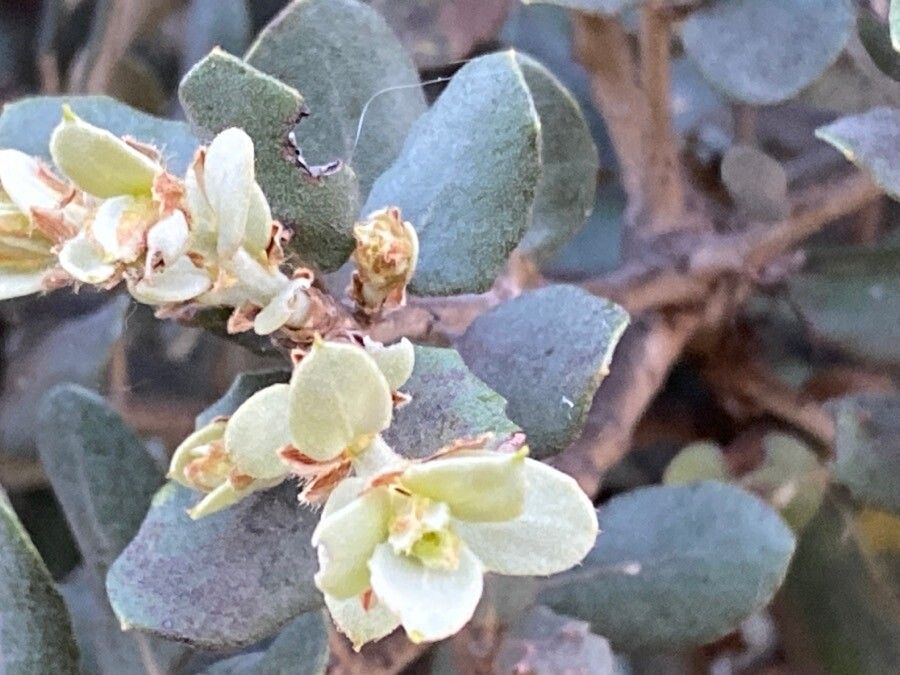
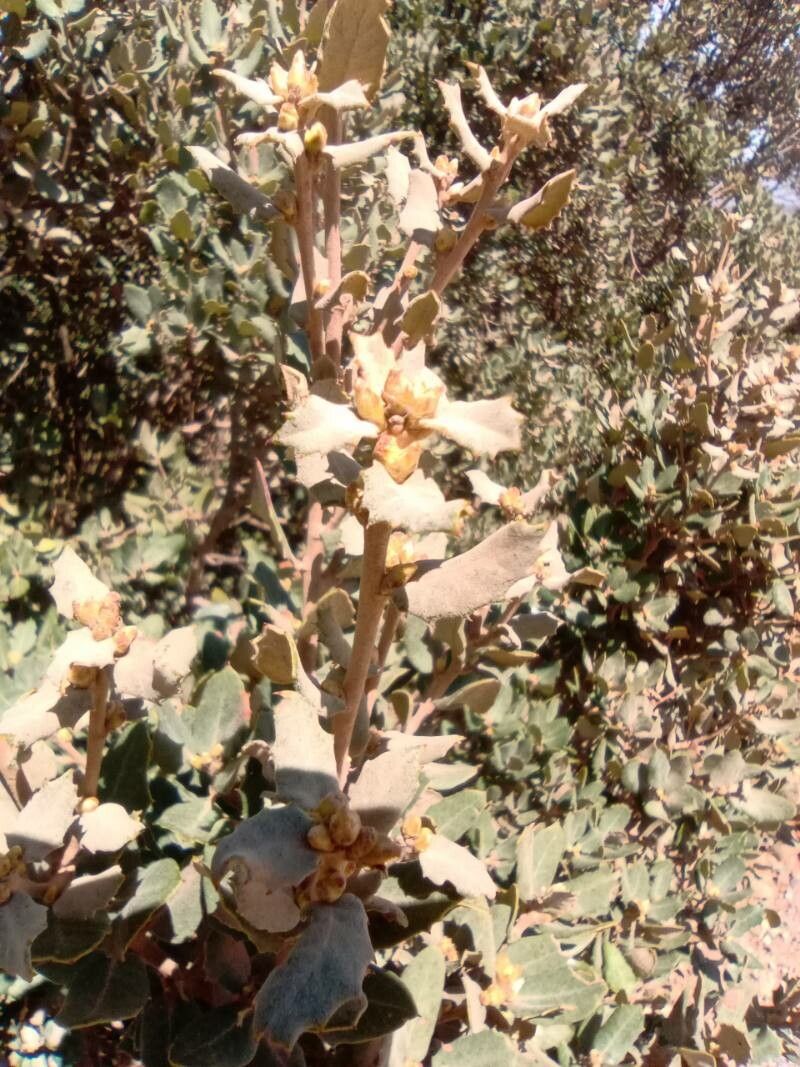
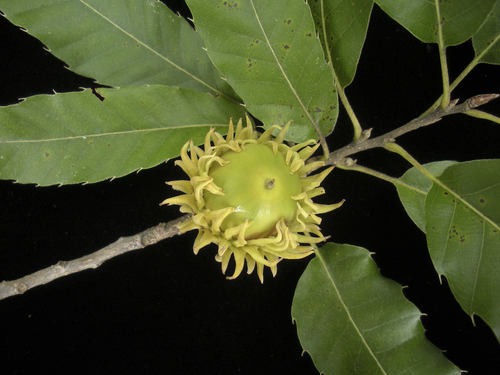
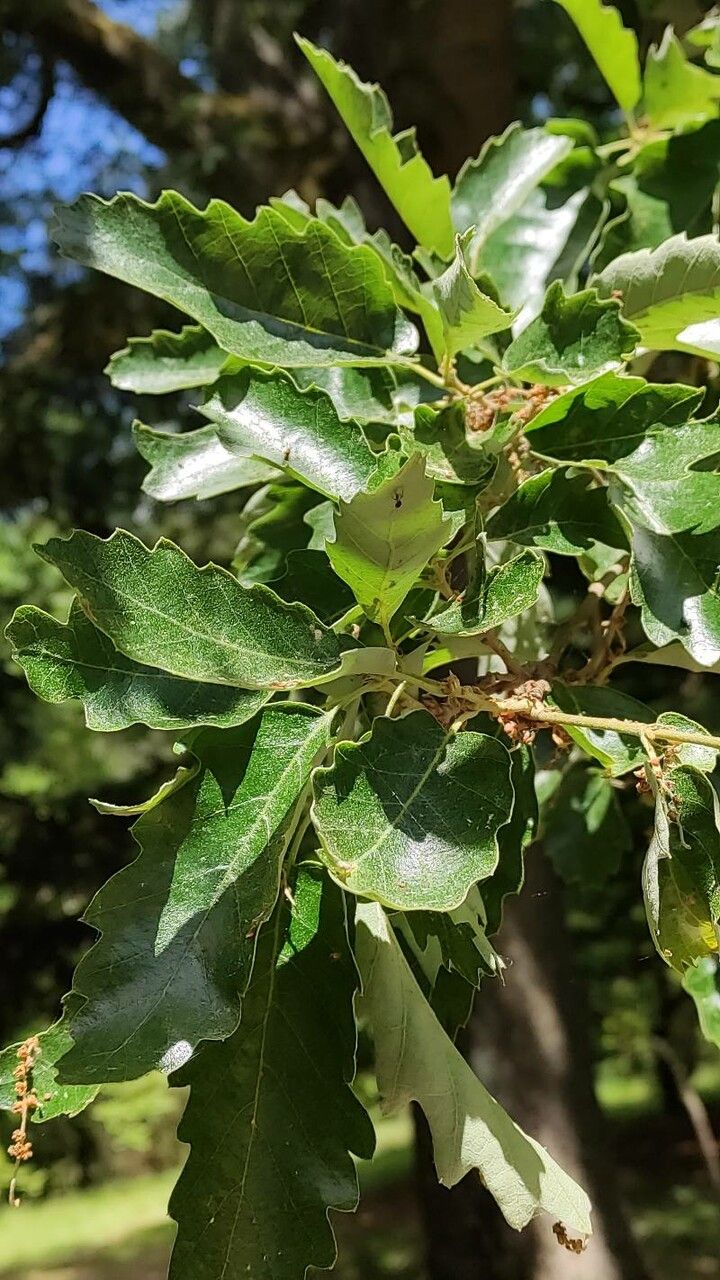
Quercus turbinella, commonly known as the Sonoran scrub oak, is a species of oak tree native to the southwestern United States and northwestern Mexico. This tree belongs to the Fagaceae family and can grow up to 30 feet tall with a trunk diameter of up to 2 feet. It features a rounded crown with dense foliage that offers excellent shade.
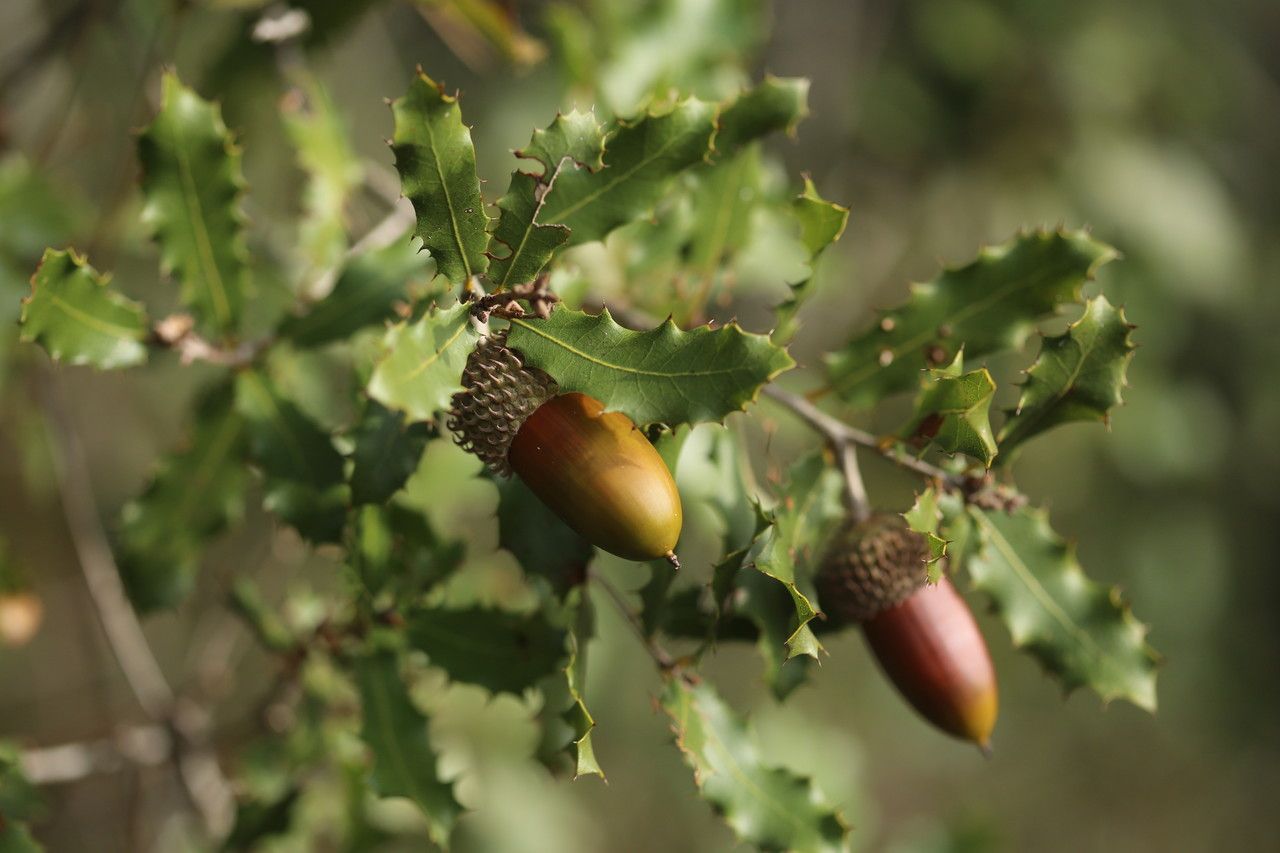
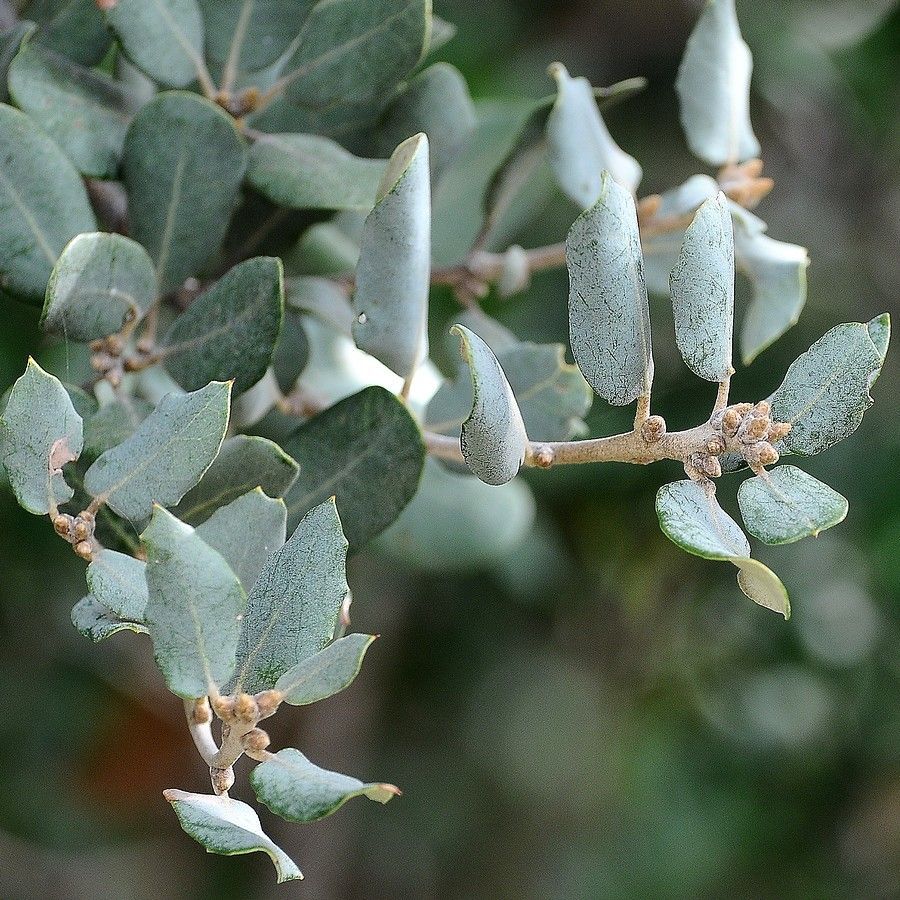
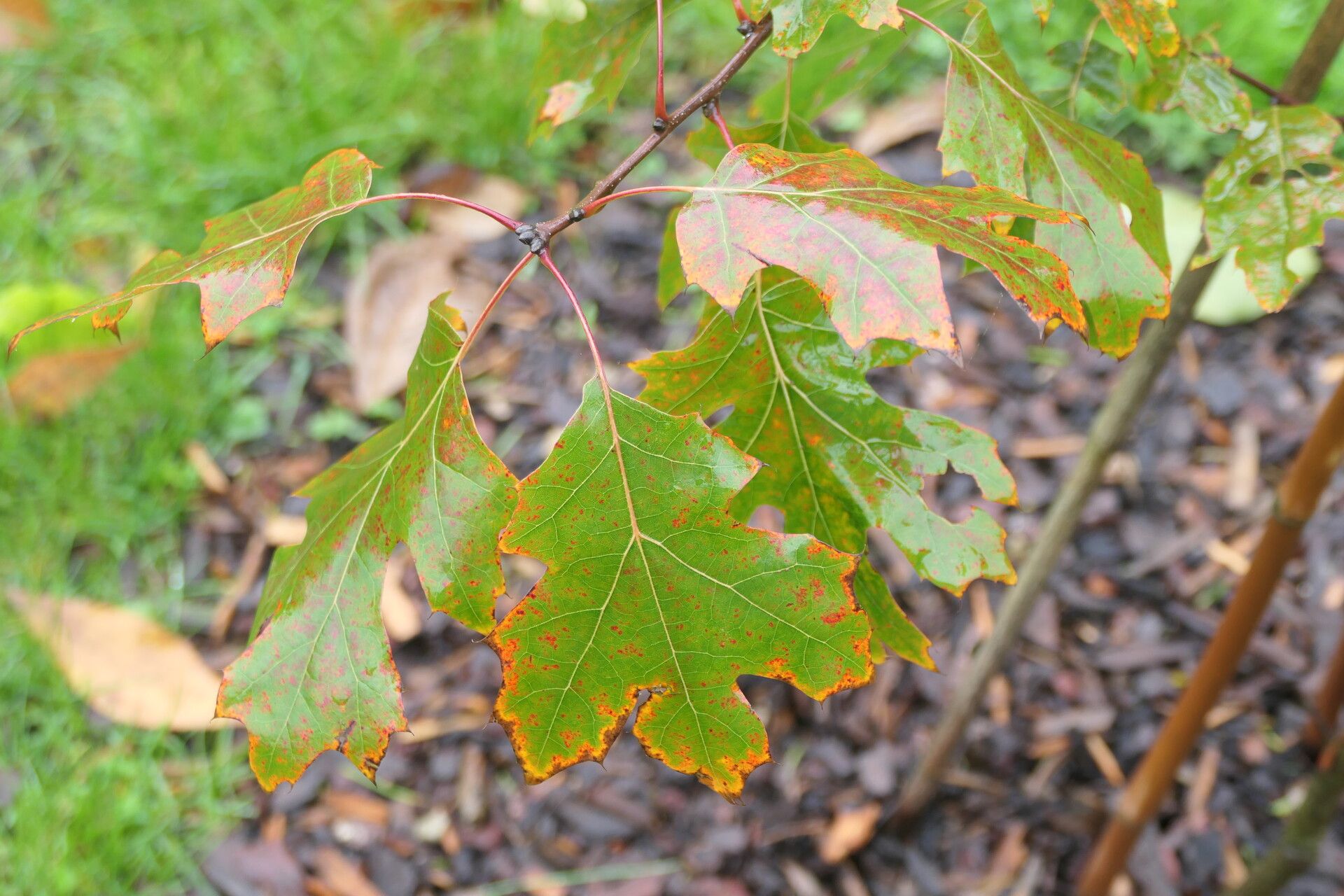
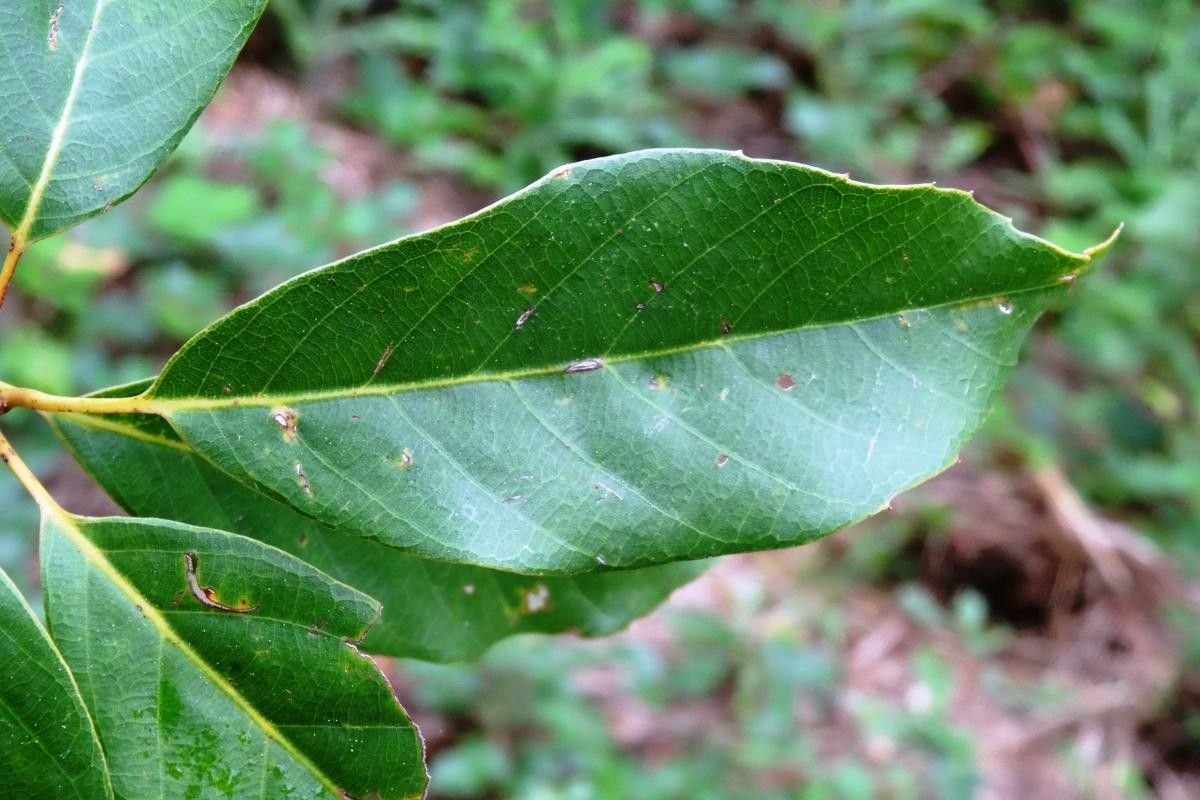
The leaves of Quercus turbinella are simple, alternate, and deciduous. They are dark green with serrated edges and can grow up to 4 inches long. The tree produces large acorns, up to 1 inch in length, with distinctive cup-shaped caps.
Quercus turbinella prefers well-drained soils in sunny locations but can also tolerate partial shade. It is commonly found growing on rocky slopes or hillsides in desert regions such as Arizona, New Mexico, Texas, Sonora (Mexico), and Baja California Sur (Mexico), among other areas.
The wood of Quercus turbinella is valued for its hardness and durability, making it useful for fuelwood and furniture-making. Additionally, the tree provides important habitat for various wildlife species, including birds like woodpeckers and mammals such as squirrels.
Overall, Quercus turbinella is an important plant species due to its ecological role within desert ecosystems and the economic benefits it has provided to humans over time.
Scrub Oak has good resistance to disease and is generally not prone to illnesses. In terms of care, this plant is fairly low-maintenance. When planted outdoors it needs minimal watering, and larger plants usually do not require pruning. Smaller plants, however, should be pruned after they have finished blooming. Scrub Oak is suitable for anyone with an outdoor area, such as a garden or a deck, and does not demand much experience in plant care.
How to keep Quercus Turbinella.
Light
For optimal growth and health, the scrub oak does best with unrestricted exposure to sunlight each day. It can tolerate moderate daylight, but less than that may cause stunted growth or other damage. These sunlight requirements reflect its native habitats, which are characterized by abundant sun exposure.
Water
Scrub Oak is perfectly adapted to arid conditions, flourishing with little moisture. This drought-tolerant plant only needs watering every 2 to 3 weeks, mimicking the natural rainfall pattern of its native habitat. Usually grown outdoors, Scrub Oak's growth cycle is more attuned to seasonal rainfall than to regular irrigation.
Temperature
Scrub Oak is naturally suited to cooler temperate regions and does best in temperatures of 50 to 77 °F (10 to 25 °C). During seasonal changes, it is advisable to carefully adjust the plant's environment to replicate its native cool conditions.
Fertilizer
Apply fertilizer to your Scrub Oak in early spring to encourage healthy growth. Regular feeding boosts overall health, producing vigorous growth, greater tolerance for harsh conditions, and increased resistance to pests and disease. Keep to a consistent fertilization schedule for your Scrub Oak to maintain deep-colored, vibrant, and lush foliage.
Pruning
Scrub Oak is a hardy shrub known for its dense growth. To improve its health and shape, prune dead branches and thin out congested areas in early spring. Make sure to make clean cuts, as this helps reduce stress on the plant. Additionally, be sure to properly dispose of any diseased material to prevent the spread of disease.
Botanical profile.
- Plant Type
- Tree, Shrub
- Life Cycle
- Perennial
- Genus
- Quercus
- Family
- Fagaceae
- Hardiness Zone
- 6
- Mature Height
- 2.13 m to 4.88 m
- Mature Spread
- 1.83 m to 3.05 m
- Leaf Color
- Green, Dark Green
- Leaf Type
- Semi-evergreen
- Flower Color
- Yellow, Green
- Flower Size
- 2.54 cm
- Bloom Time
- Mid spring, Late spring
- Planting Time
- Spring, Summer, Autumn
- Harvest Time
- Late summer, Early fall, Mid fall
- Native Area
- Mexico
Other names.
Reader questions.
How should I water my Scrub Oak plant in the best way?
To promote excellent root development, place a garden hose at the base of the plant. Avoid spraying the leaves directly and be aware that outdoor plants in direct sunlight will require more watering. You can use bubblers or soaker hoses to moisten the roots. When adding or removing plants, use soaker hoses that cover the entire garden or bed to deeply water the roots. Make sure to drain any excess water and allow the soil to dry before watering again. Water at ground level to prevent diseases. On a sunny day, you can spray the entire bush with water. Whether potted or in-ground, remember that Scrub Oak prefers deep watering rather than light sprinkling.
Why should I put fertilizer on my Scrub Oak?
No matter what type of Scrub Oak you have, regular fertilization is key to promoting overall plant health. Proper nutrient supply will lead to stronger growth and increased resilience to difficult growing conditions, as well as a better ability to fight off diseases and pests. Protecting the foliage of your Scrub Oak is crucial to maintaining its attractiveness. To do this, it is important to establish a consistent fertilization schedule tailored to your specific Scrub Oak. By doing so, you can expect vibrant, colorful leaves and a lush appearance.
What are the sunlight requirements for a Scrub Oak?
Scrub Oak requires abundant sunlight to thrive, ideally benefiting from unrestrained daily exposure for optimal growth and health. Full sun, characterized by more than 6 hours of sunlight, is essential for its vigorous growth, though it can also manage in partial sun conditions, which means about 3-6 hours of sunlight. The natural habitat of Scrub Oak, notable for its generous sun exposure, underscores the importance of these sunlight requisites for the plant.
What is the ideal temperature range for Scrub Oak?
Scrub Oak thrives best in cooler temperate regions, with an ideal temperature range between 50 to 77 °F (10 to 25 °C). It is naturally adapted to such climates and requires careful adjustment of its environment to mimic these cool conditions through seasonal changes. This species is highly cold-tolerant and doesn't necessitate additional frost protection in winter. However, to prepare for winter, it is advisable to water the plant generously before the first freeze in autumn to ensure the soil remains moist and enters a frozen state, aiding in the prevention of drought and water scarcity during the colder months.
What should I do if I give Scrub Oak too much or too little water?
If a Scrub Oak is overwatered, its leaves may turn yellow, drop off, and wilt. The plant may also appear dull and unhealthy, with mushy stems. To address these symptoms, it is recommended to adjust your watering schedule accordingly. Wilting can also indicate under watering, which is characterized by crispy and dry leaves. In such cases, check the soil moisture and provide a thorough watering if dry. Adequate watering can help the Scrub Oak recover, but it may still exhibit dryness and yellowing leaves due to root damage. Once the plant returns to normal, the yellowing of leaves will cease. When cultivating a Scrub Oak indoors, regularly check the moisture levels in the pot and avoid overwatering. Look out for black spots, and if present, let the soil dry out by withholding water for a few days. Overwatering can lead to root rot, so it is advisable to transfer the plant to a different pot if discolored and slimy roots are observed. Take precautions to prevent root rot and avoid allowing the soil to become excessively soggy. When planting a Scrub Oak outdoors, ensure the soil is adequately moist by digging a little deeper. If the soil feels too dry, this may indicate underwatering, and sufficient watering is necessary for plant recovery.
When should I fertilize my Scrub Oak?
To ensure healthy growth, the Scrub Oak should be fertilized in late winter or early spring. This will provide all the necessary nutrients for it to thrive once the weather warms up. In warm climate regions, it is beneficial to provide an extra fertilizer feeding in early fall. This helps add nutrients to the soil for the following growing season, and also makes the Scrub Oak more resilient to winter cold without damaging its foliage. Fertilizing earlier will give the new branches enough time to grow and withstand the cold winter.
What should I do if my indoor plants don't get enough natural sunlight?
For indoor plants, including Scrub Oaks, that don't receive adequate natural sunlight, artificial lighting can be a critical solution. It's important to choose the right type of light, such as LED lights, which can offer the specific wavelengths needed by your plants. Full sun plants need about 30-50 watts per square foot, partial sun plants require 20-30 watts per square foot, and full shade plants should have 10-20 watts per square foot of artificial light. Placing the light source 12-36 inches above your plant and ensuring it receives 8-12 hours of light per day mimics natural sunlight conditions and promotes healthy growth.
How does Scrub Oak respond to low and high temperatures?
In response to low temperatures, Scrub Oak displays a remarkable tolerance. Even though it can endure winter conditions without notable changes, it's crucial to keep the winter temperature above a certain threshold to prevent the branches from becoming brittle and dry by spring, which could result in a lack of new shoots. Pruning dead branches in spring is recommended. On the other hand, Scrub Oak does not fare well under high temperatures. Exceeding its maximum temperature threshold can cause significant leaf drop or, in severe cases, result in the plant's death. To mitigate damage from high temperatures, it's advised to trim sunburned and dried parts, relocate the plant to a shaded area or utilize shade cloth, and maintain soil moisture by watering in the morning and evening.
How frequently should I give water to my Scrub Oak?
The Scrub Oak prefers to be watered deeply but infrequently. When planting in pots, ensure that you soak them with a gallon of water each time. Potted plants have limited water storage and the soil tends to dry out faster. If you live in a cold region, water the Scrub Oak every 3 to 5 days. It's best to water in the morning when the soil is dry, whether you have the plant indoors or outdoors. To determine if watering is needed, check the soil inside the pot. If the top 2-3 inches are dry, it's time to water thoroughly. During hot days, monitor the moisture levels daily as the heat can quickly dry out the pot's soil. If you have a garden, you also need to irrigate the soil. In a hot climate, watering once a week might be necessary. Only water when you notice about 2 to 3 inches of soil becoming too dry, whether indoors or outdoors. Take into account the amount of rainfall and avoid overwatering to prevent root rot. If there is significant rainfall, additional watering may not be necessary. Scrub Oak typically grows during spring and fall, so when planting outdoors, add about 3 to 4 inches of mulch to conserve water. Sandy soil drains faster, requiring more frequent watering. On the other hand, clay soil should be watered less often, allowing the plant to dry out for 2-3 days to avoid root rot. Keeping track of watering dates on a calendar can help ensure timely watering. If you notice the leaves starting to droop, this could indicate that watering is needed soon.
When is the best time to not add fertilizer to my Scrub Oak?
There are several specific times of the year when you should avoid fertilizing your Scrub Oak. One is during the early and mid-winter months when the plant is dormant and doesn't require feeding. Another is during the late spring and throughout the summer when the weather tends to be hotter and drier. Fertilizing during these times can have a negative effect on the Scrub Oak. To prevent any problems, it's best to only fertilize in the early spring and early fall.
What are common symptoms of insufficient sunlight in Scrub Oaks?
Scrub Oaks not receiving enough sunlight may show several symptoms: smaller new leaves, leggy or sparse growth with increased space between leaves or stems, faster leaf drop as older leaves are shed prematurely, slower or halted new growth, leaves with paler coloration indicating lack of chlorophyll, chlorosis or yellowing of leaves, sunscald which shows as pale or necrotic patches on leaves or stems, leaf curling as a defense against excessive light, wilting due to loss of water, and leaf scorching characterized by brown or crispy leaf edges.
How much water does my Scrub Oak need?
The Scrub Oak generally needs about a gallon of water on a regular schedule. For potted plants, water them deeply until you see water dripping from the bottom of the pot. Then, wait for the soil to dry before watering again. To determine how much water you've given your plant in a week, you can use a water calculator or a moisture meter. During the flowering period, provide plenty of water, but let the moisture evaporate afterwards to avoid root rot. If the Scrub Oak is planted outdoors and receives adequate rainfall, it may not need additional watering. However, when the Scrub Oak is young or newly planted, make sure it gets 1-2 inches of rain per week. As the Scrub Oak continues to grow, it can survive solely on rainfall. Only water it thoroughly during the cooler part of the day if the weather is excessively hot or if there is no rainfall for 2-3 weeks. This will help prevent the plant from suffering heat damage. Additional watering will be necessary during extended dry periods.