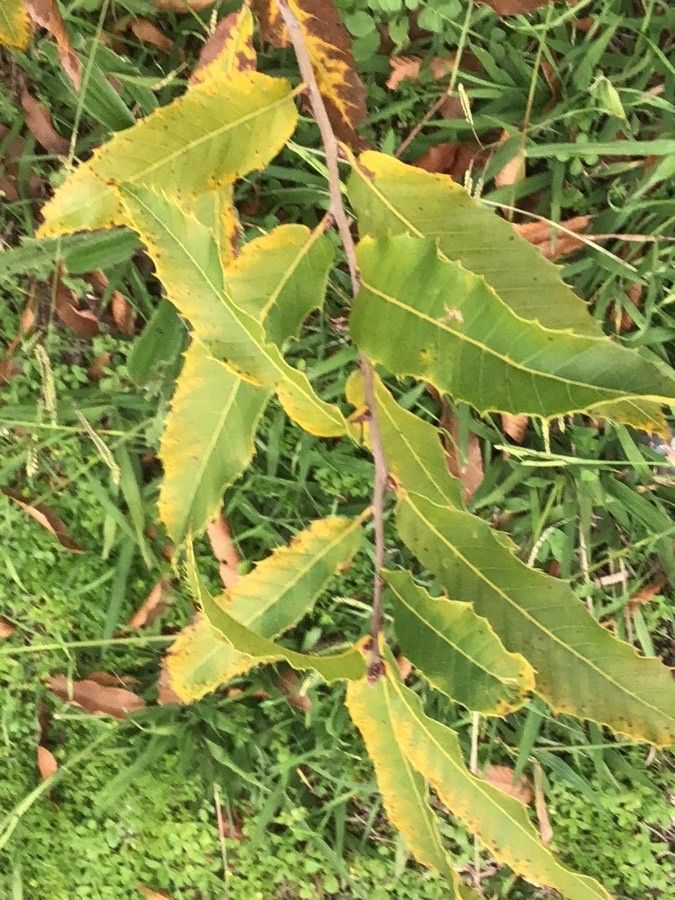
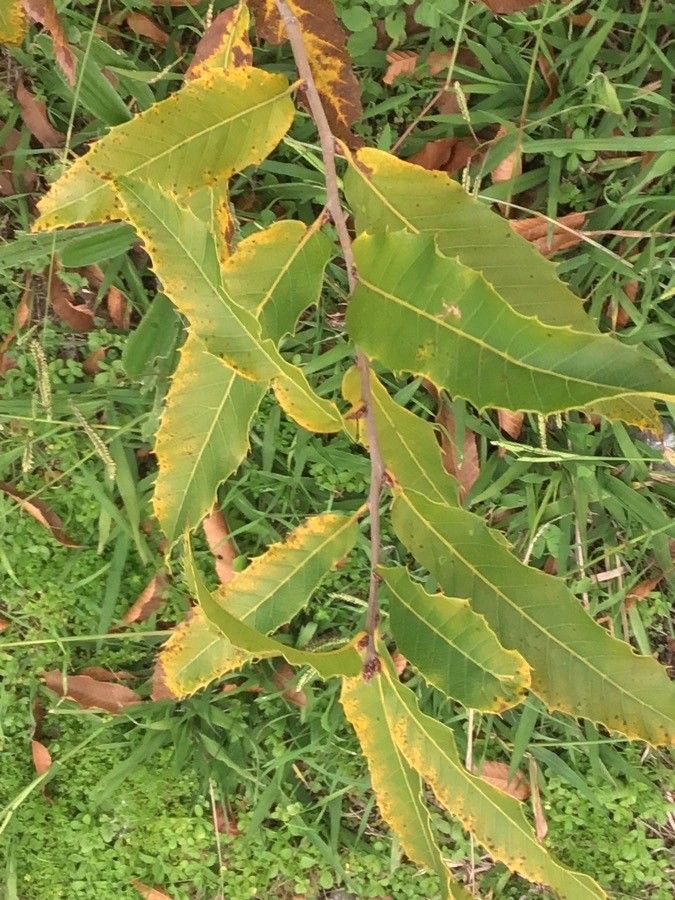
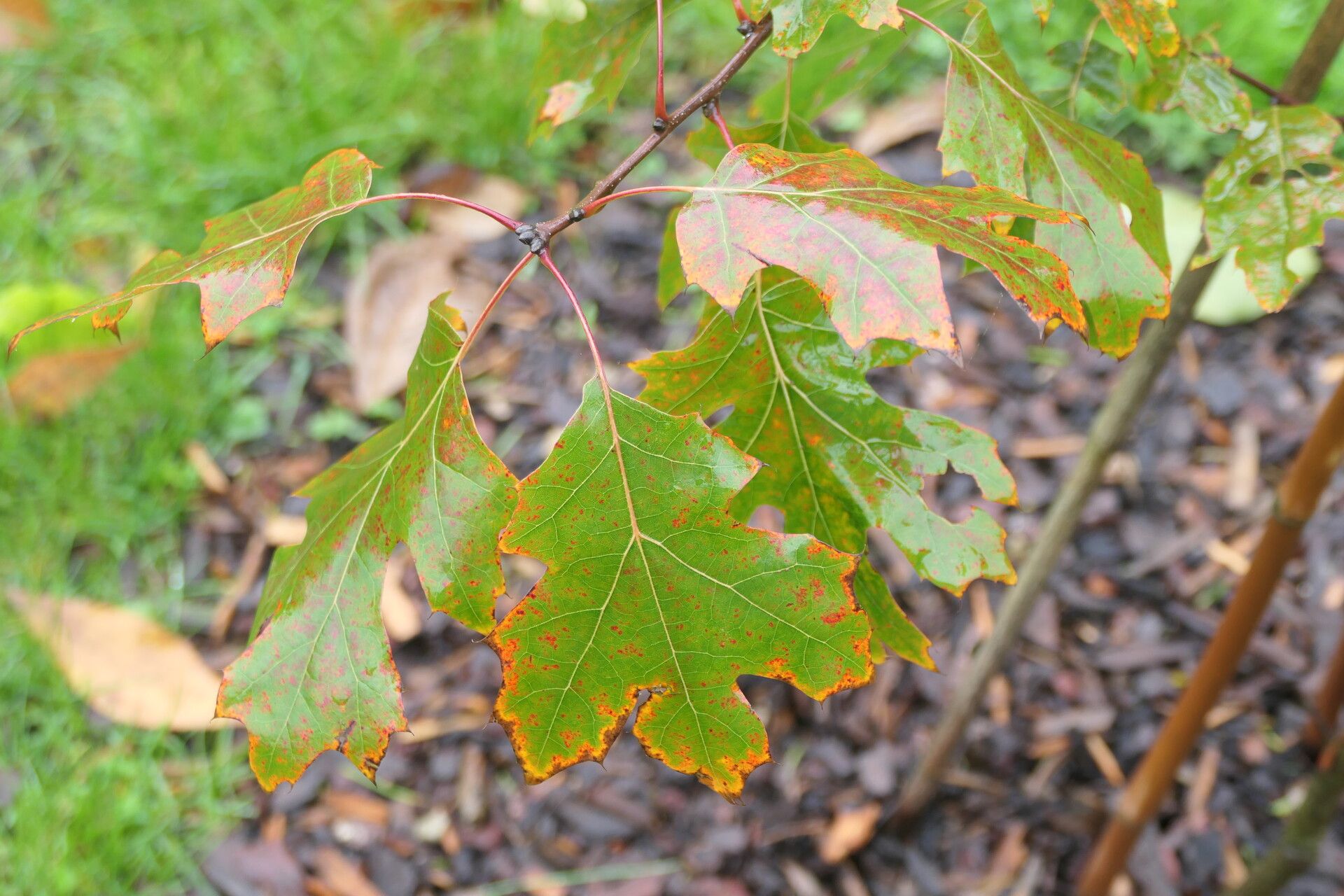
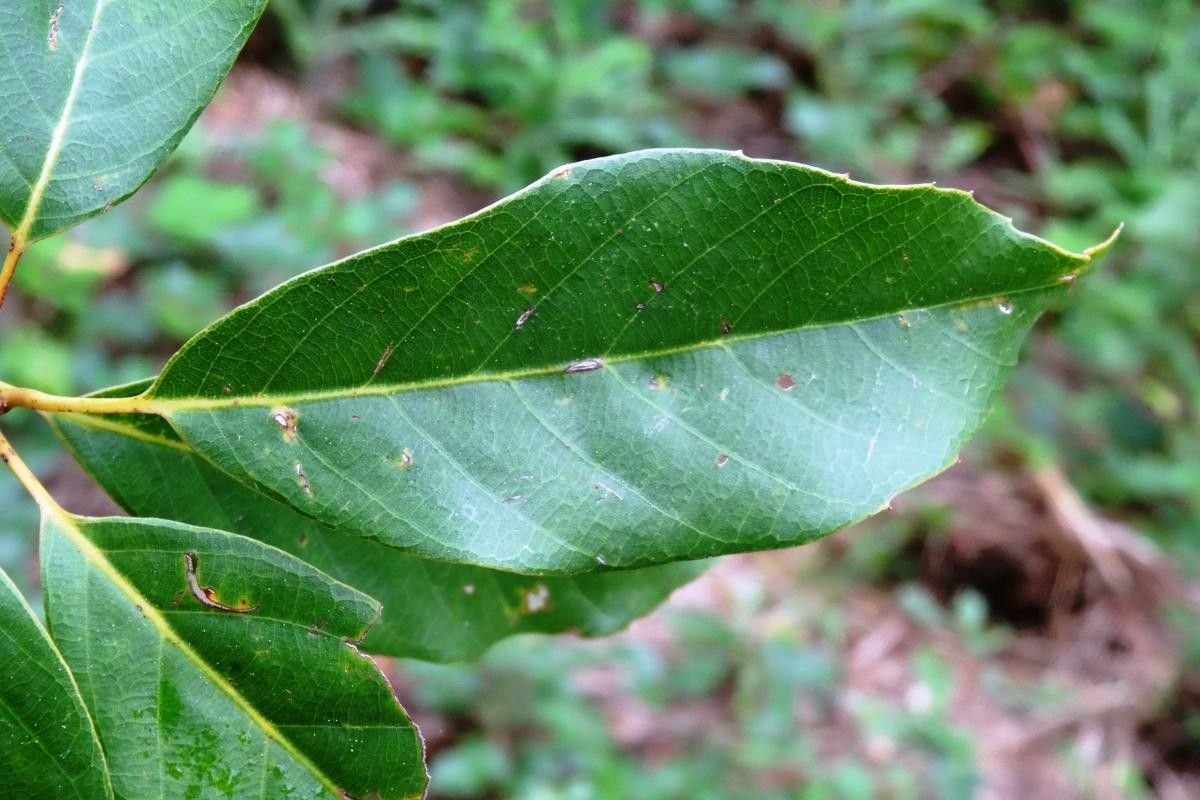
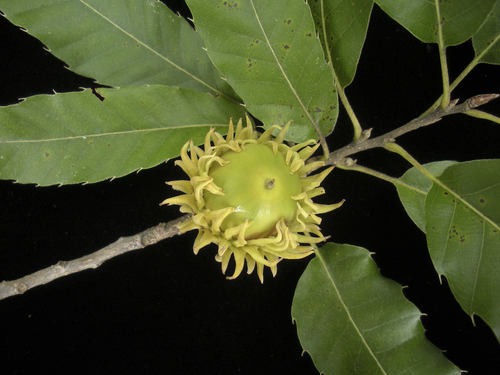
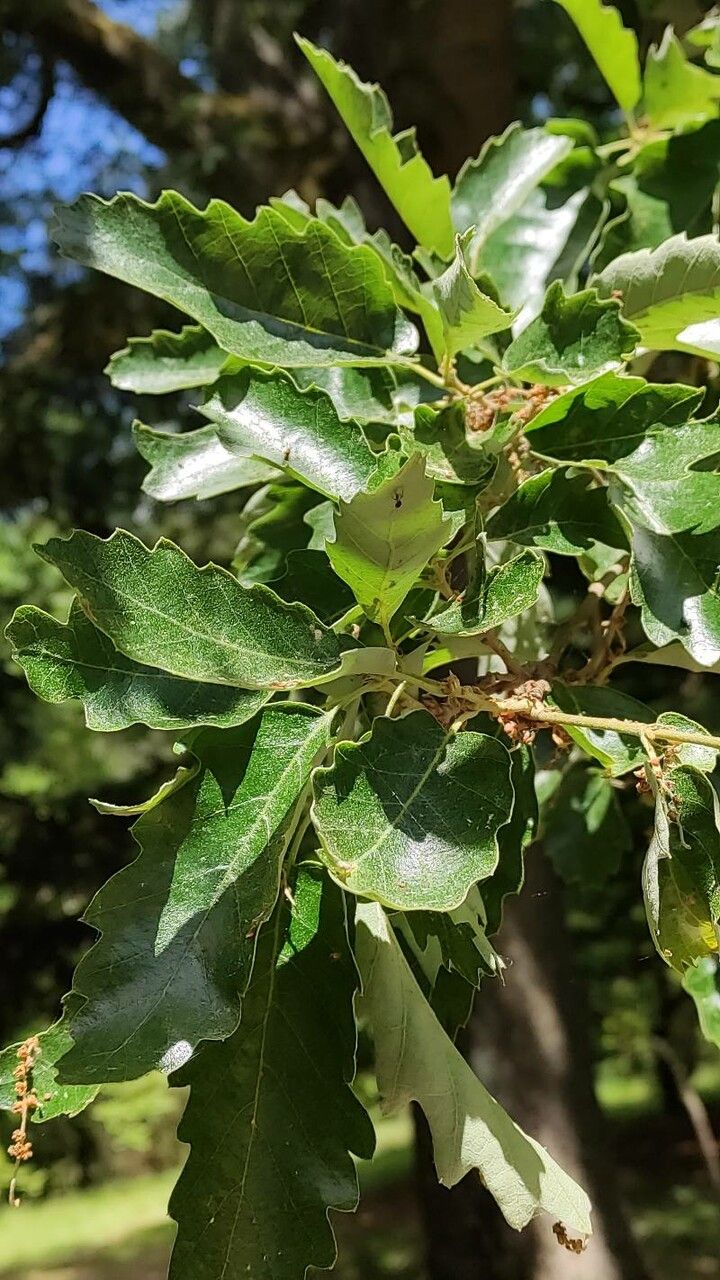
Quercus variabilis, the Chinese cork oak, is a species of oak in the section Quercus sect. Cerris, native to a wide area of eastern Asia in southern, central, and eastern China, Taiwan, Japan, and Korea.
Chinese cork oak has strong resistance to disease and is generally not susceptible to illnesses. In terms of care, this plant is fairly low maintenance. When grown outdoors it needs minimal watering, and larger specimens typically do not require pruning. Smaller plants, however, should be pruned after they finish blooming. Chinese cork oak is suitable for anyone with outdoor space, such as a garden or deck, and does not demand extensive care experience.
How to keep Quercus Variabilis.
Light
The growth and health of the Chinese cork oak are largely affected by sunlight, as it does best when given maximum sun exposure. It can, however, also tolerate conditions with somewhat less sunshine. Excessive shade or an insufficient amount of sun may restrict its growth. In its native habitat the Chinese cork oak demonstrates a strong tolerance for sunlight.
Water
The Chinese cork oak thrives in moderately moist environments, typically needing water every 1-2 weeks. It adapts well to outdoor conditions, benefiting from natural rainfall. During dormancy in the cooler months, its water needs decrease, which aligns with the seasonal cycles for moisture retention.
Temperature
Chinese cork oak is highly adaptable to a variety of climates, from very hot summers to cold winters. Nevertheless, it has an ideal temperature range for healthy growth. When temperatures climb too high, the plant becomes vulnerable to heat and humidity stress, which can cause it to die. In areas where temperatures approach the lower limit of its cold tolerance, providing insulation is important to protect the plant.
Fertilizer
Fertilize your Chinese cork oak in early spring to encourage healthy growth. Regular feeding improves overall health, producing vigorous growth, greater tolerance of adverse conditions, and increased resistance to pests and diseases. Keep to a consistent fertilization schedule for your Chinese cork oak to maintain lively foliage with rich color and a lush look.
Pruning
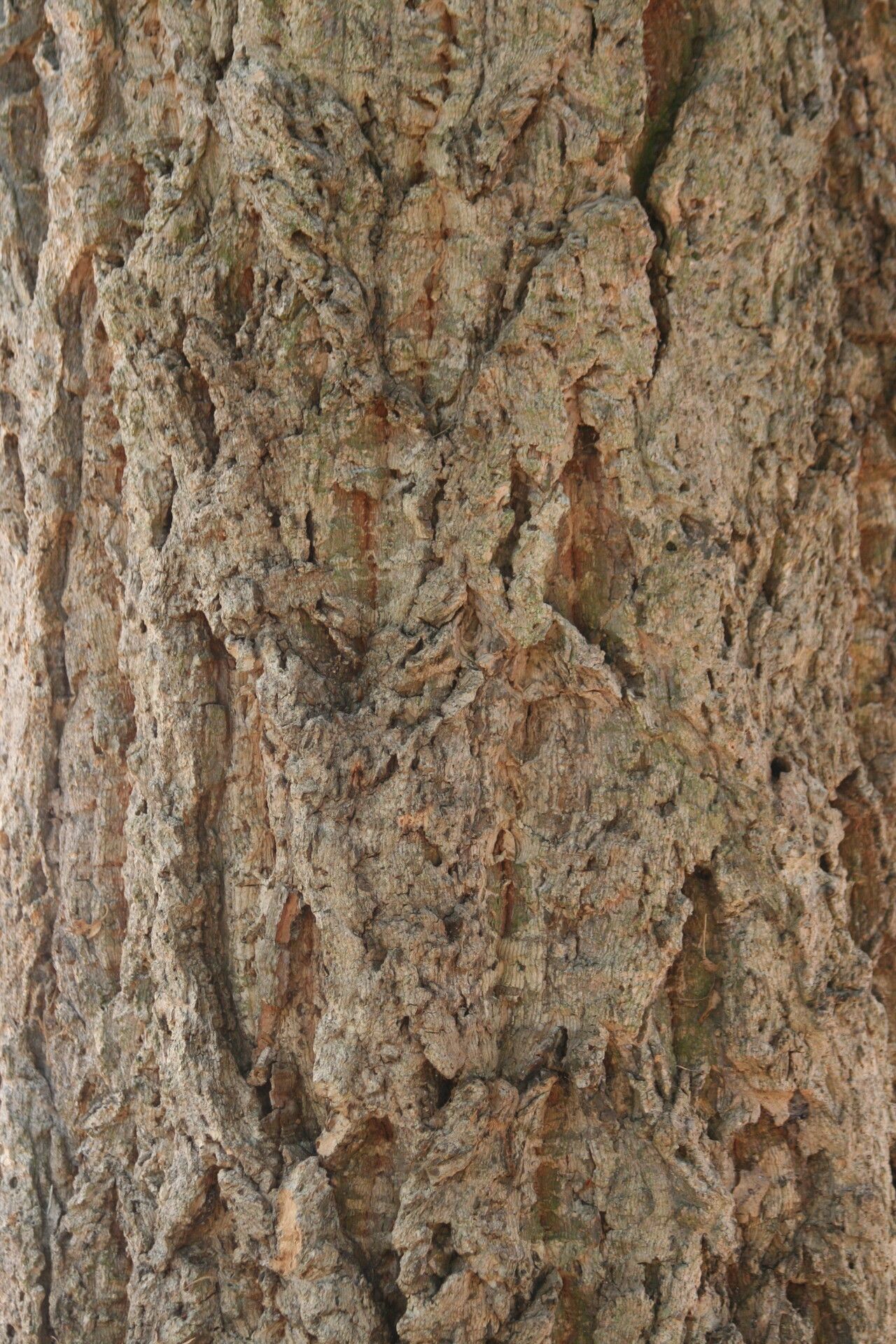
The Chinese cork oak features a robust, cork-like bark and a wide canopy. To maintain its health and appearance, prune the tree in early spring. This helps remove dead branches and improves air circulation, which in turn enhances the tree's health, visual appeal, and branch strength, while also reducing the risk of disease. For detailed pruning techniques, consult horticultural guides.
Botanical profile.
- Plant Type
- Tree
- Life Cycle
- Perennial
- Genus
- Quercus
- Family
- Fagaceae
- Hardiness Zone
- 5-9
- Mature Height
- 18.29 m to 24.38 m
- Mature Spread
- 17.98 m to 22.56 m
- Leaf Color
- Green, White
- Leaf Type
- Deciduous
- Flower Color
- Yellow, Green
- Flower Size
- 0.51 cm to 0.76 cm
- Bloom Time
- Mid spring, Late spring
- Planting Time
- Spring, Autumn
- Harvest Time
- Late summer, Early fall, Mid fall
- Native Area
- Vietnam, Japan, Koppen, South Korea, China
Other names.
Reader questions.
What are the sunlight requirements for the Chinese cork oak?
The Chinese cork oak thrives in full sunlight, requiring above 6 hours of sunlight (full sun) to maintain optimal growth and health. It can also adapt to conditions with about 3-6 hours of sunlight (partial sun) but may not grow as vigorously. In its native habitat, the Chinese cork oak shows a remarkable ability to adapt to the amount of available sunlight, although excessive shade or lack of adequate sun can impede its growth. It's important to watch how sunlight moves through your garden and choose spots that provide the right balance of light and shade, ensuring the happiness of your plants.
What is the Chinese cork oak?
The Chinese cork oak, known botanically as Quercus variabilis, is a species of tree without further details provided in the given data. No information on its essentials, content, additional details, or symptoms is available.
How can artificial lighting be used for indoor Chinese cork oak plants?
Indoor Chinese cork oak plants require adequate lighting for optimal growth, especially when natural sunlight is insufficient. Artificial lights offer a vital solution, promoting faster and healthier growth. LED lights are recommended due to their ability to provide specific wavelengths needed by plants. Full sun plants require 30-50W/sq ft, partial sun plants need 20-30W/sq ft, and full shade plants 10-20W/sq ft of artificial light. The light source should be placed 12-36 inches above the plant to mimic natural sunlight, and most plants need 8-12 hours of light per day to mimic natural daylight hours optimally.
What symptoms indicate light deficiency in a Chinese cork oak?
Symptoms of light deficiency in a Chinese cork oak include small and pale new leaves, leggy or sparse growth, faster leaf drop, slower or no new growth, chlorosis (leaves turning yellow), sunscald, leaf curling, wilting, and leaf scorching. These symptoms arise when the plant is not receiving adequate sunlight, leading to inefficient photosynthesis and overall reduced health. It is crucial to address these signs early by adjusting the plant's exposure to light, either by moving it to a sunnier location or supplementing with artificial light.
What are the solutions for a Chinese cork oak receiving inadequate sunlight?
To counteract inadequate sunlight for a Chinese cork oak, gradually move the plant to a sunnier location each week, aiming for at least 6 hours of direct sunlight daily. For indoor plants, keep them near a south-facing window with open curtains during the day, or use artificial grow lights for at least 8 hours daily if the plant is large or not easily movable. For outdoor plants, avoid sudden changes in light intensity to prevent sunburn. Removing obstructions that block sunlight, such as pruning trees, or transplanting smaller plants to sunnier areas with good drainage, can also help improve light exposure. Note that while parts of the plant affected by low sunlight may not recover, new growth should be healthy with increased light exposure.