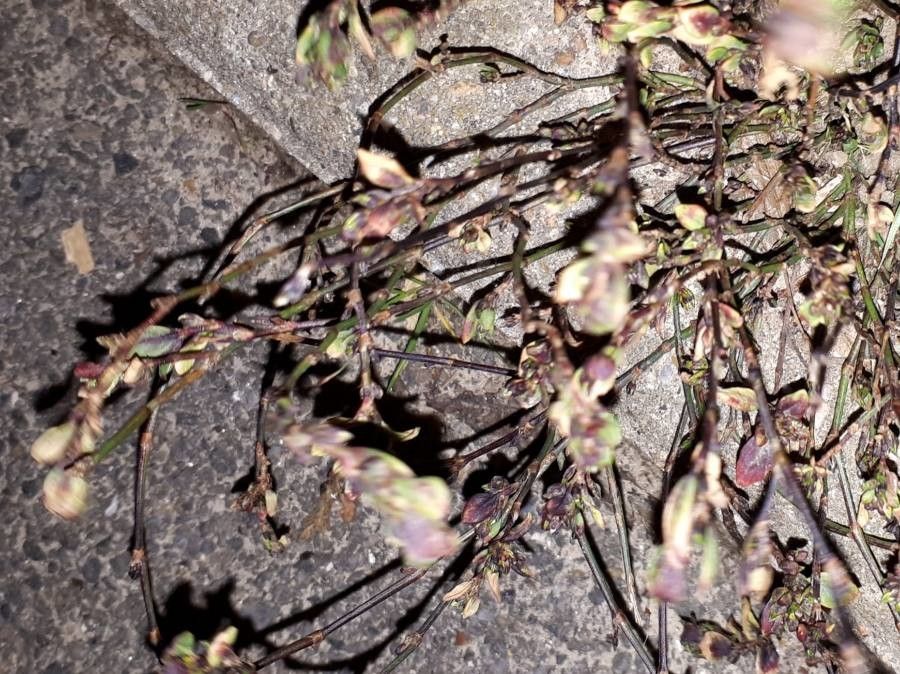
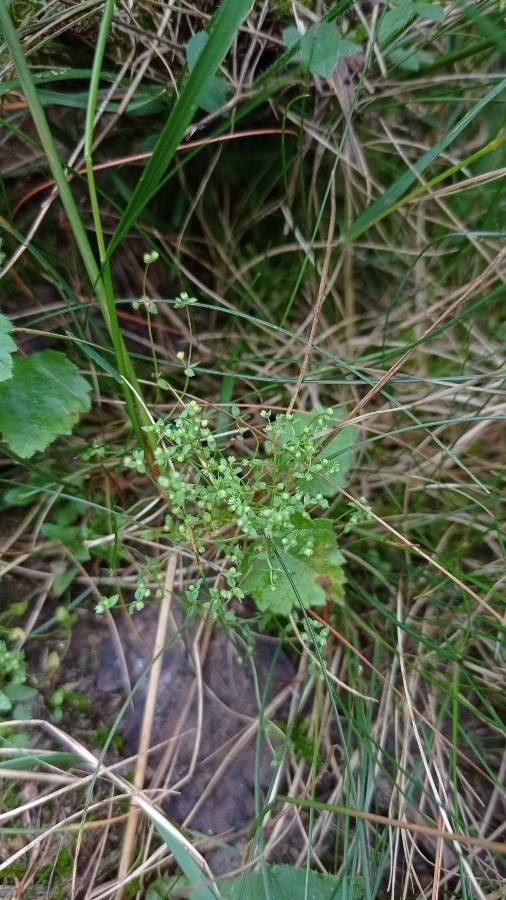
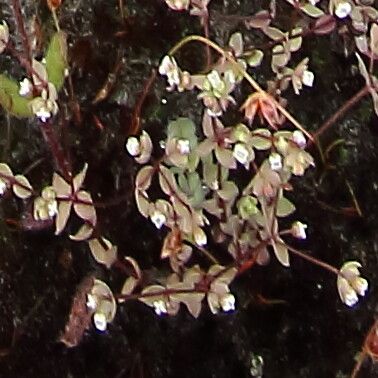
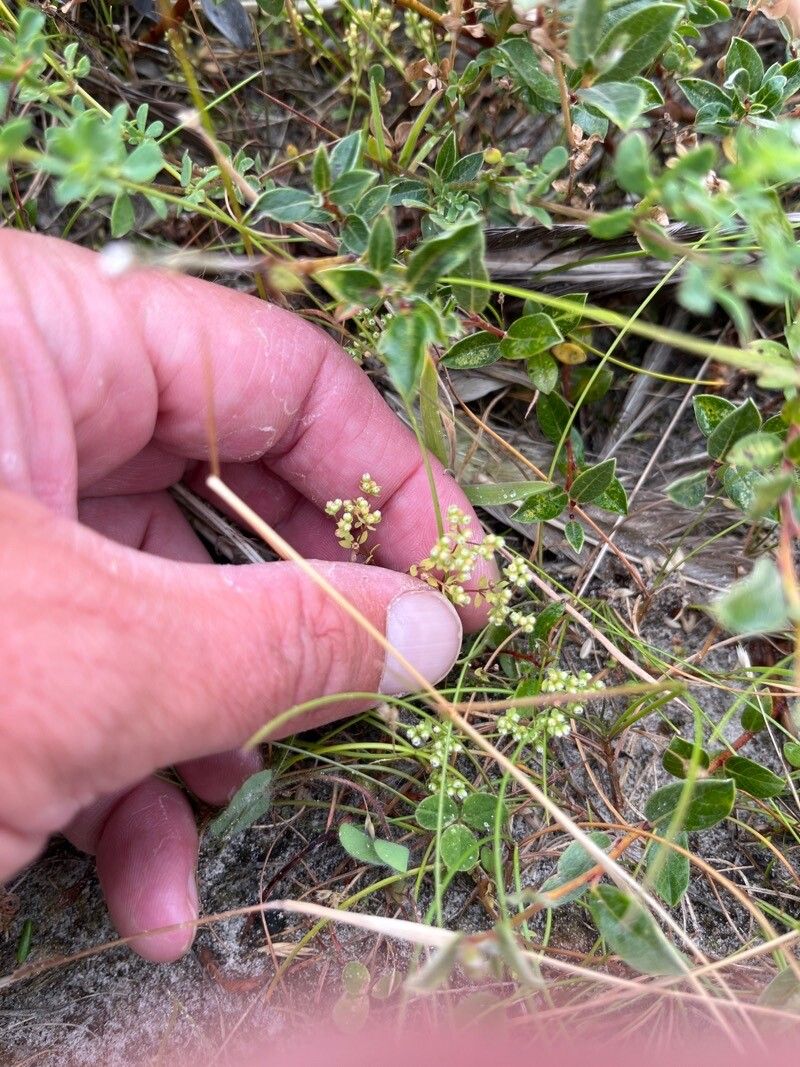
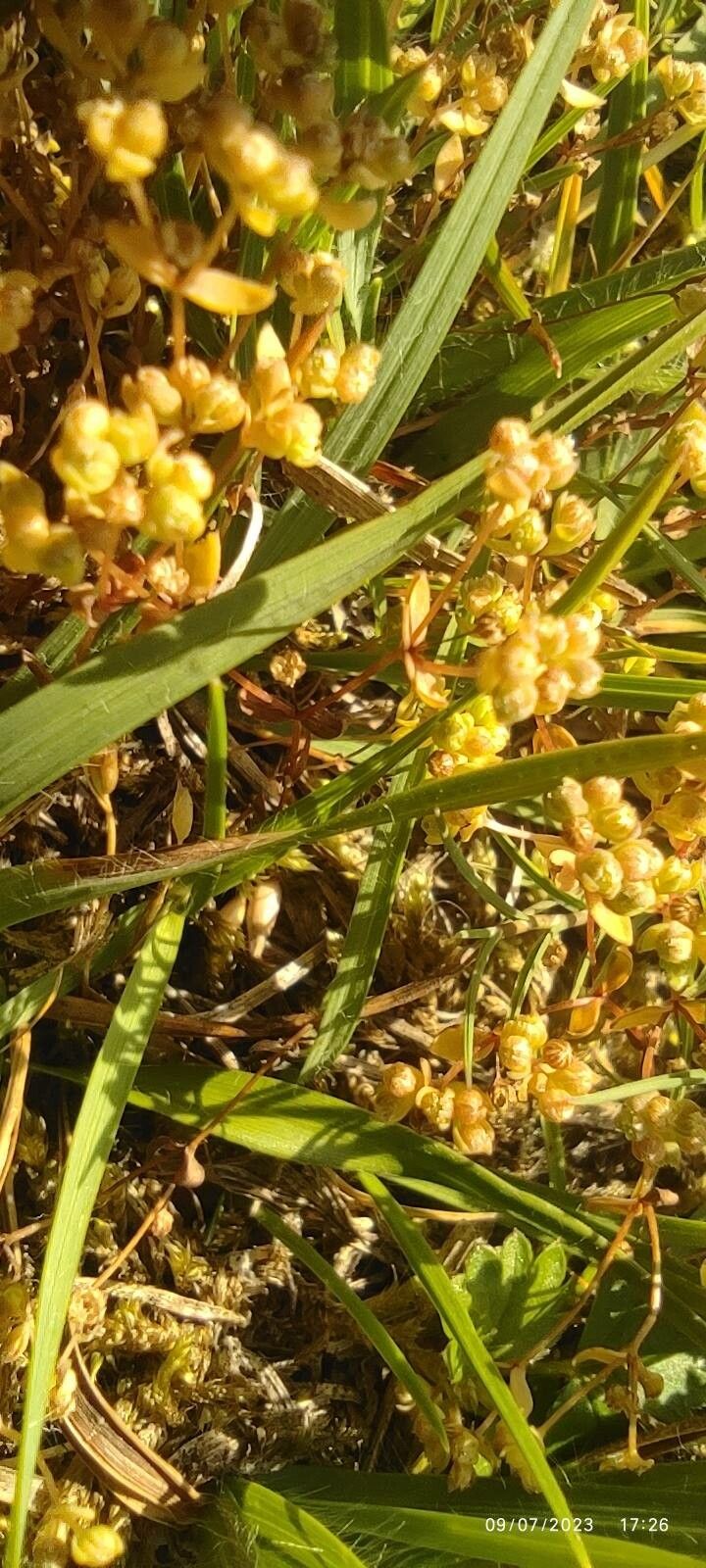
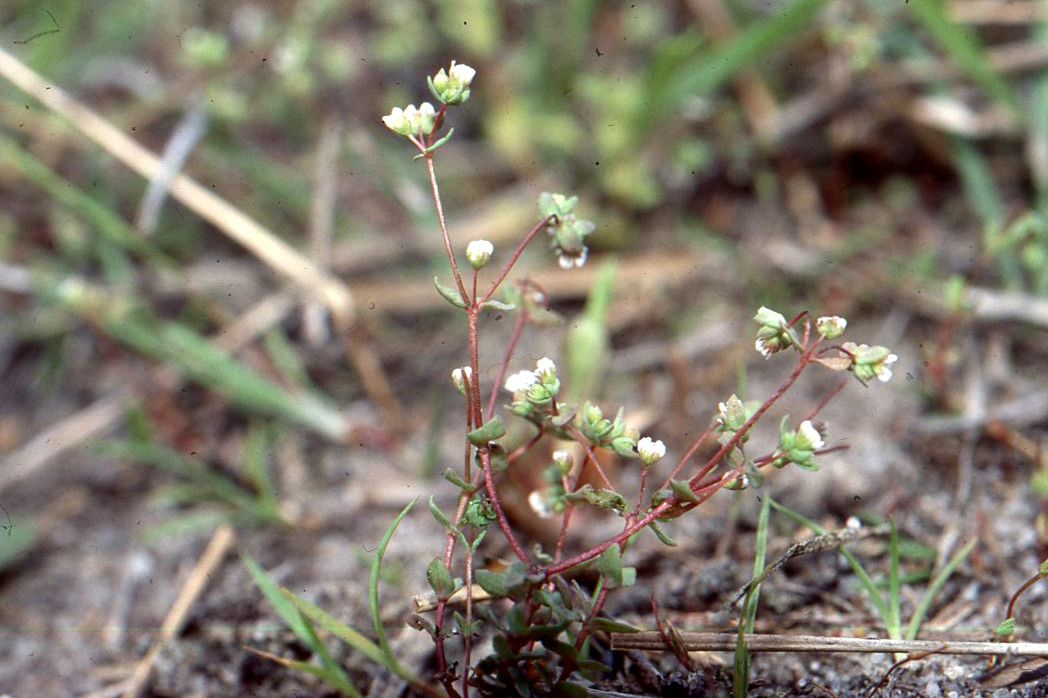
Radiola linoides, the allseed flax, is a species of flowering plant belonging to the family Linaceae.Its native range is Macaronesia, Europe to Mediterranean, Cameroon, Ethiopia, Tanzania to Malawi.
Allseed has strong resistance to diseases and is typically not vulnerable to them. Still, it can be affected by pests and diseases found in its environment. Such infections are generally mild. Regarding maintenance, this plant demands a moderate level of care. It should be trimmed regularly to preserve an attractive appearance and encourage healthy growth. Applying fertilizer can also aid in boosting bloom. Allseed is appropriate for anyone who has outdoor space, like a garden or patio, and does not call for extensive gardening experience. When cultivated indoors, it may need a higher level of attention.
How to keep Radiola Linoides.
Light
Allseed comes from bright, open habitats and does best in full sun. It can tolerate partial sun but favors direct sunlight for optimal growth. This annual or biennial plant is known for its sun-loving nature.
Water
Allseed flourishes in consistently hydrated conditions, needing weekly watering to keep the soil evenly moist but not waterlogged. When grown indoors, it's important to maintain higher humidity levels to encourage lush, year-round foliage, reflecting its naturally moist native habitat.
Temperature
Allseed is native to a moderate climate and prefers a temperature range of 68 to 95 °F (20 to 35 °C). To replicate its natural preferences, keep temperatures within this range throughout the year, making slight adjustments as the seasons change.
Fertilizer
Allseed responds well to regular, light applications of fertilizer to encourage healthy leaf development. Fertilize Allseed about once a month during the summer. Nitrogen is essential for foliage, and providing nitrogen-rich sources supports Allseed's thriving.
Pruning
Prune allseed from early to late spring to promote healthy growth and maintain a compact shape. Trim damaged stems carefully, avoiding heavy pruning, to protect its delicate structure. Regular pruning enhances airflow and reduces the risk of disease, ensuring a vibrant garden display.
Botanical profile.
- Plant Type
- Herb
- Life Cycle
- Annual
- Genus
- Radiola
- Family
- Linaceae
- Hardiness Zone
- 8
- Mature Height
- 5 cm
- Mature Spread
- 1 cm to 5 cm
- Leaf Color
- Light Green
- Leaf Type
- Semi-evergreen
- Flower Color
- White
- Flower Size
- 0.10 cm to 0.20 cm
- Bloom Time
- Summer
- Planting Time
- Spring, Autumn
- Harvest Time
- Late summer, Early fall, Mid fall
- Native Area
- Sweden, Slovakia, Montenegro, Slovenia, Morocco, Croatia, Belarus, Tanzania, Russia, Germany, Cameroon, Estonia, Ethiopia, Romania, Latvia, Belgium, Portugal, Netherlands, Malawi, France, Tunisia, Czech Republic, Bulgaria, Poland, Greece, Ukraine, Lebanon, Serbia, Lithuania, Norway, Italy, Spain, Switzerland, Denmark, Albania, Ireland, United Kingdom, Hungary, Algeria
Other names.
Reader questions.
How should I water my Allseed plant?
To water Allseed plants, there are a few different tools you can use - like a garden hose with a spray nozzle or a watering can. Allseed plants are not too particular about the type of water they receive, so you can use rainwater, tap water, or filtered water. It's important, though, to avoid watering this plant from above because it can harm the leaves and flowers and even cause disease. Instead, a drip irrigation system works best for watering Allseed plants as it evenly and directly applies water to the soil. If you have a container-grown Allseed plant, you can use a cup, watering can, or even just your tap to water it by applying the water directly to the soil.
What are the sunlight requirements for Allseed (Radiola linoides)?
Allseed thrives best in full sun, requiring more than 6 hours of sunlight daily to flourish optimally. It can also grow in partial sun, with about 3-6 hours of sunlight, but it prefers full exposure for the best results. When considering planting Allseed or caring for it, it's crucial to observe the way sunlight moves through your garden or space. This observation will help in choosing the perfect spots that offer a healthy balance of light and shade, ensuring your Allseed plants are happy and thrive well.
What is the ideal temperature range for Allseed?
Allseed, botanically known as Radiola linoides, thrives in moderate climates and prefers a temperature range between 68 to 95 °F (20 to 35 °C). It's crucial to keep the temperature within this range throughout the year, making gentle adjustments with the changing seasons to align with its natural preferences.
What should I do if I give my Allseed plant too much water or too little water?
The remedy for underwatering Allseed is simple: increase your watering frequency when you observe signs of moisture deficiency. On the other hand, overwatering can be a more serious issue if not detected early. When Allseed is overwatered, it becomes susceptible to diseases that can cause it to decline and eventually die. To prevent this, it is important to select a suitable growing location with ample sunlight, which assists in drying the soil, and proper drainage to prevent water accumulation. If you inadvertently overwater your potted Allseed, consider transferring it to a new pot with better soil drainage or more drainage holes. During repotting, be sure to use loose soils and an efficiently draining pot.
How does artificial lighting support Allseed's growth indoors?
For Allseed plants growing indoors, where natural sunlight may be insufficient, especially in winter or less sunny locations, artificial lighting provides an essential solution for optimal growth. It promotes faster, healthier growth through customizable LEDs that deliver specific light wavelengths needed by the plant. To simulate natural sunlight conditions, place the artificial light source 12-36 inches above the plant, ensuring it mimics the natural daylight's duration, which most plants need between 8-12 hours per day. For full sun plants under artificial light, aim for an intensity of 30-50W/sq ft, 20-30W/sq ft for partial sun plants, and 10-20W/sq ft for full shade plants.
Does Allseed require any special frost protection during winter?
Allseed possesses strong cold resistance, so it normally doesn't need special frost protection measures during winter. However, if winter temperatures are forecasted to fall below -10°C, it becomes important to protect the plant. Cold protection can be provided by covering the plant with insulating materials such as soil or straw. Additionally, it's recommended to water the plant abundantly before the first freeze in autumn to keep the soil moist and help prevent drought and water scarcity during winter and early spring.
How frequently do I need to water my Allseed?
Allseed needs regular watering during the growing season. In spring, water it once a week. As the season gets warmer, you may need to water it two to three times a week, but exceeding this rate can harm the plant. Make sure the soil stays moist but not soaked, regardless of the watering frequency. Watering Allseed in a pot is a bit different. Potted soil heats up and dries faster, so water the plant a few times a week, compared to just once a week for ground-planted Allseed.
What symptoms indicate inadequate light for indoor Allseed plants?
Allseed plants grown indoors with insufficient light might exhibit several symptoms, including smaller new leaves compared to mature ones, leggy or sparse growth due to longer spaces between leaves or stems, and faster leaf drop as the plant tries to conserve resources. Other symptoms include slower or halted growth, lighter-colored new leaves indicating a lack of chlorophyll, chlorosis (where leaves lose their green color), sunscald from intense exposure leading to pale or necrotic spots, curling leaves as a defense against overexposure, wilting from loss of water, and leaf scorching characterized by brown, crispy edges. These symptoms serve as signs that the Allseed plant needs more light to sustain healthy growth and development.
How does Allseed react to low temperatures, and what are the solutions if any issues arise?
Allseed is cold-tolerant and performs best when the temperature stays above 20°C. Throughout winter, it's essential to keep it above 0°C. When temperatures drop below -10°C, you might not observe immediate changes, but there could be a reduced rate of sprouting or a complete absence of sprouting by springtime. In such cases, the solution is to simply remove any parts of the plant that have failed to sprout come spring.
How much water does my Allseed plant need?
When it comes to determining the amount of water to give your Allseed, there are a few approaches you can take. One method involves checking the soil for moisture by feeling it. In this case, you should water until the top six inches of soil feel moist. Alternatively, you can use a predefined measurement, such as around two gallons of water per week, taking into account the temperature and rate of soil drying. However, adhering strictly to these guidelines may result in overwatering if your plant needs less than two gallons per week. When growing Allseed in a container, a different method is necessary. In this case, you should water enough to moisten all dry soil layers. You can check for moisture by inserting your finger into the soil or continue watering until you see a little bit of excess water draining from the pot's holes.
What are the solutions for Allseed plants suffering from inadequate sunlight?
To remedy inadequate sunlight exposure for Allseed plants, consider the following strategies: For indoor plants, it's recommended to gradually move them to sunnier locations each week until they receive at least 6 hours of direct sunlight per day. A south-facing window is ideal. If mobility is an issue or for larger plants, supplement with artificial lighting, keeping a desk or ceiling lamp on for with 8 hours daily, or use professional plant grow lights. For outdoor plants, similarly, gradually introduce them to sunnier spots to avoid sunburn. Note that while parts of the plant affected by low light might not recover, new growth will be healthy once light conditions improve. Additionally, for ground-planted Allseed, reducing obstructions such as pruning trees to allow more sunlight or transplanting to sunnier locations with good drainage can significantly improve their sunlight exposure and overall health.
What are the signs of Allseed being affected by high temperatures, and how can they be addressed?
During the summer months, it's crucial to ensure that Allseed's environment doesn't exceed 35°C. Should temperatures rise above 38°C, you may notice the plant's leaves turning lighter in color, becoming prone to curling, suffering from sunburn, and in extreme cases, the entire plant may wilt and dry out. The best course of action is to trim away the sunburned and dried-up parts, move the plant to a shaded area away from intense midday and afternoon sun, or provide shade using a cloth. Additionally, maintaining soil moisture by watering the plant in the morning and evening is vital.