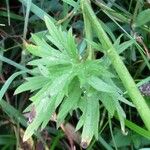
Ranunculus acris
Meadow Buttercup · Tall buttercup · Buttercup · Common buttercup · Giant buttercup
Description
Source: leafsnapRanunculus acris, commonly known as the Meadow Buttercup, is a perennial flowering plant belonging to the Ranunculaceae family. Native to Europe and Asia, it has also been introduced and naturalized in many parts of North America. The plant can grow up to 60 cm tall and features bright yellow flowers that bloom from May to August. Each flower has five petals and measures about 2-3 cm in diameter. The leaves of Ranunculus acris are deeply divided into three lobes with toothed edges. These leaves grow on long stalks originating from the base of the plant. The stem is hairy and has a few branches near its top. Meadow Buttercup prefers moist soils but can thrive in various soil types, including clay, loam, or sandy soils, as long as they are well-drained. It can tolerate both full sun and partial shade. Historically, the plant has been used for medicinal purposes due to its anti-inflammatory properties, making it useful for treating skin conditions such as eczema or psoriasis when applied topically. However, it's important to note that all parts of Ranunculus acris contain toxic compounds like protoanemonin, which can cause skin irritation if improperly handled or ingested by humans or animals. Overall, Ranunculus acris is an attractive wildflower commonly found in meadows and pastures across Europe and North America. While it has notable medicinal properties, it also poses potential toxicity risks if not handled with care.
🌳 A lesser-known fact about meadow buttercup is that it can act as a bioindicator of heavy metals in soil. Because it grows widely, researchers can examine its tissues to determine concentration levels of metals such as copper and zinc. This supports ecological monitoring and environmental assessments by revealing pollution levels and helping to implement soil remediation strategies.
🎭 Wealth
Care Guide
💧 Water Every 7 days
Meadow buttercup naturally grows in damp meadows and thrives in consistently moist soil. While it can tolerate moderate drought, it’s important to water it weekly, especially during its active growing season, to provide the moisture it needs for optimal growth and flowering.
How should I water my Meadow buttercup?
To properly water the Meadow buttercup, it is recommended to use filtered water at room temperature. Tap water may have harmful particles, so filtered water is preferable. Ensure the water is not cold, as the Meadow buttercup is accustomed to warm environments and cold water can be a shock to its system. Avoid watering from above, as this can lead to issues with the foliage. Instead, carefully pour filtered room temperature water onto the soil until it is thoroughly soaked. This helps to moisten the roots and promote the spread of nutrients through the soil.
What should I do if I give too much or too little water to my Meadow buttercup?
Overwatering is a more common problem than underwatering for Meadow buttercup plants. When Meadow buttercups get too much water, their stems and leaves wilt and turn yellow. This can also lead to diseases like root rot, mold, and mildew, which can be deadly for the plant. On the other hand, Meadow buttercups can tolerate drought, so underwatering is less likely. However, if underwatering does occur, the leaves will become brittle and brown. It's important to quickly recognize the signs of overwatering and take action to reduce watering if needed. Checking the soil drainage and replacing it with a well-draining potting mix can also help. If signs of underwatering are present, simply increase watering until the signs go away.
How often do I need to water my Meadow buttercup plant?
If your Meadow buttercup is in a pot, the most accurate way to determine if it needs water is by checking the soil with your finger. If the top two to three inches of soil feel dry, it's time to water it. The same technique can be used for Meadow buttercups grown outdoors in the ground. Once the first few inches of soil have dried out, it's time to water. Generally, during spring and early fall, watering once a week using this method is sufficient. However, in extremely hot weather, you may need to water twice or even more per week. It's worth noting that mature, well-established Meadow buttercups have a remarkable ability to withstand drought.
How much water does my Meadow buttercup plant require?
When watering your Meadow buttercup, it's important to not hold back on the amount of water you give. Make sure the first two to three inches of soil are dry, and then give the plant a good, thorough watering. The goal is to completely saturate the soil, so add enough water to see it flowing out of the drainage holes at the bottom of the pot. If you don't see excess water draining, you may have not given enough water. However, be careful not to let water accumulate inside the soil, as this can harm the plant. Poorly draining soil can also be detrimental, so ensure that water is able to flow through the pot properly. If the plant is outside, one inch of rain per week is sufficient.
How do I water my Meadow buttercup as it grows?
The water needs of the Meadow buttercup vary throughout its growth stages. In the first few years and after transplanting, the plant requires more water to support root growth. As the roots develop, they require extra moisture. After a few seasons, the water requirement decreases. Additionally, during the bloom period, the Meadow buttercup may need more water as flower development consumes significant moisture.
☀️ Light Full sun
Meadow buttercup needs a lot of sunlight to prosper. It can tolerate some shade, but requires abundant sun for the best growth. This plant thrived in its original sunny environment. If light levels are too high or too low, its health may decline. Excessive sunlight can cause wilting, while insufficient light can result in stunted growth.
What are the sunlight requirements for Meadow Buttercup?
Meadow Buttercup thrives best in conditions where it can receive ample sunlight. The plant requires full sun, which is above 6 hours of sunlight daily, but it can also tolerate partial sun, meaning about 3-6 hours of sunlight. Given its adaptability, it's essential to monitor the sunlight movement through your garden to identify spots that offer the right balance of light and shade, thereby ensuring optimal growth and health for your Meadow Buttercup.
How important is sunshine for Meadow Buttercup's growth?
Sunshine plays a critical role in the growth and overall health of the Meadow Buttercup. This plant naturally flourishes under significant amounts of sunshine, although it can tolerate some shade. Adequate sunlight is crucial for its optimal growth; however, too much sunlight can lead to wilting, while insufficient light may cause stunted growth. It's essential to find the right balance to maintain the plant's health. For indoor plants struggling with natural light availability, artificial lights, such as LED lights, can be a great solution, mimicking natural sunlight conditions to promote healthier growth.
What are the symptoms of inadequate light for Meadow Buttercup?
Inadequate lighting can lead to various symptoms indicating that a Meadow Buttercup is not receiving the required amount of sunlight. These include smaller new leaves, leggy or sparse growth, faster leaf drop, slowed or halted new growth, lighter-colored new leaves, chlorosis, sunscald, leaf curling, wilting, and leaf scorching. Each of these symptoms suggests that the plant is either receiving too little light, thus impeding its growth and leaf production, or too much light, leading to damage and reduced health.
What solutions can help Meadow Buttercup get adequate light?
To ensure Meadow Buttercup receives adequate light, gradual relocation to sunnier spots is recommended. For indoor plants, this could involve moving the plant closer to a south-facing window or employing artificial lighting solutions, like desk lamps or grow lights, for at least 8 hours daily. Outdoor plants should be moved gradually to avoid shock from sudden light intensity changes. Reducing obstructions, such as pruning nearby trees, can help increase sunlight exposure. In cases where small plants face shadowing, consider transplanting during their dormant period to a location with better sunlight and drainage. It's important to note that while damaged parts may not recover, new growth after adjusting light exposure should be healthy.
🌡️ Temperature 5–32.2°C
Meadow buttercup flourishes in its native habitat where temperatures range from 68 to 95 °F (20 to 35 ℃). In colder seasons, making adjustments to preserve this preferred climate is recommended for healthy growth.
What is the ideal temperature range for Meadow Buttercup?
Meadow Buttercup, scientifically known as Ranunculus acris, thrives best in its native environment with temperatures ranging between 68 to 95 °F (20 to 35 °C). To ensure healthy growth, it's advised to maintain this preferred climate, especially during the colder seasons.
Does Meadow Buttercup require frost protection during winter?
Meadow Buttercup possesses strong cold resistance, meaning special frost protection measures are not usually necessary. However, if winter temperatures are expected to drop significantly below the plant's tolerance level, providing protection by covering the plant with materials like soil or straw becomes important. It's also recommended to water the plant abundantly before the first freeze in autumn to keep the soil moist and prevent drought during winter and early spring.
How does Meadow Buttercup react to low temperatures?
Being cold-tolerant, Meadow Buttercup thrives when the temperature is kept within its suitable growth range and above its tolerable growing temperature minimum during winter. If temperatures fall below its growth limit, the plant might not show immediate changes, but there could be a decrease in sprouting or even no sprouting at all during spring. The solution for such a situation is to remove any parts of the plant that have failed to sprout in spring.
What are the effects of high temperatures on Meadow Buttercup?
During summer, it's crucial to keep Meadow Buttercup below its suitable maximum growth temperature. Exceeding its tolerable growing temperature maximum can cause the leaves to lighten in color, curl, become prone to sunburn, and, in severe cases, lead to the entire plant wilting and drying out. To help the plant cope, trim away sunburned and dried-up parts, move it to a shaded area during midday and afternoon sun, or use a shade cloth. Ensuring the soil remains moist by watering in the morning and evening is also beneficial.
💨 Humidity
🪴 Soil 6-7
🌱 Fertilizer
One fertilizer application in spring is typically enough for Meadow buttercup, though multiple feedings can boost growth to the fullest. Fertilize every one to one and a half months. Feeding improves leaf appearance and function, helping maintain even color and a healthy texture. It also encourages root development and nutrient uptake, supporting the plant's long-term health.
🪴 Pot & Repot 2-3 years
When repotting Meadow buttercup, select a pot 1–2 inches (2.5–5.1 cm) larger with ample drainage. Use a well-draining potting mix. Repot in spring or fall, making sure the root ball sits slightly below the rim of the flower pot. Water thoroughly after repotting and place the pot in a warm spot with indirect sunlight.
✂️ Pruning
To encourage continuous blooming, remove the faded flowers from the meadow buttercup. Once the flowering period ends and the leaves begin to turn yellow, stop watering the plant. If you're dealing with corms, cut off the tops, dig them up, treat them with a fungicide, and store them in a cool, dry place. Corms that are hardy can be left in dry soil. For potted plants, be sure to reserve 3 to 5 flower buds.
🌿 Propagating
🐛 Diseases & pets
☠️ Toxicity
Characteristics
- Plant Type
- Herb
- Life Cycle
- Perennial, Annual
- Genus
- Ranunculus
- Family
- Ranunculaceae
- Hardiness Zone
- 4-8
- Mature Height
- 0.3 m to 1.07 m
- Mature Spread
- 10 cm to 49 cm
- Leaf Color
- Green
- Leaf Type
- Deciduous
- Flower Color
- Yellow, Gold
- Flower Size
- 1.02 cm to 2.54 cm
- Bloom Time
- Late spring, Early summer, Mid summer
- Planting Time
- Summer, Autumn
- Harvest Time
- Early summer, Mid summer