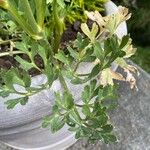
Ranunculus asiaticus
آلاله ایرانی · Persian buttercup · Persian crowfoot · Asian buttercup · Asiatic Buttercup
Description
Source: leafsnapRanunculus asiaticus, the Persian buttercup, is a species of buttercup (Ranunculus) native to the eastern Mediterranean region in southwestern Asia, southeastern Europe (Crete, Karpathos and Rhodes), and northeastern Africa.It is a herbaceous perennial plant growing to 45 cm tall, with simple or branched stems. The basal leaves are three-lobed, with leaves higher on the stems more deeply divided; like the stems, they are downy or hairy. The flowers are 3–5 cm diameter, variably red to pink, yellow, or white, with one to several flowers on each stem.It is a protected species in some jurisdictions, including Israel.
🌳 Beyond its ornamental value, persian buttercup has long been used to produce a natural yellow dye for fabrics. Although less well known, its mild scent is occasionally employed in perfumery, lending a fresh, green floral note to fragrances. The potential to extract essential oil from persian buttercup is an intriguing aspect that could have implications in the cosmetics industry.
🎭 Appeal and charm
Care Guide
💧 Water Every week
The Persian buttercup, native to the Mediterranean, thrives in moist environments but is also resilient to drought. To maintain its vitality, water it weekly and use mulch to help retain soil moisture. During its active growing season, it prefers consistent moisture without becoming waterlogged.
How can I water my Persian buttercup plant in the best way?
To properly water the Persian buttercup, it is best to use filtered water at room temperature. Filtered water is preferred over tap water because tap water may contain harmful particles. The water should be warmed up to room temperature or slightly warmer since the Persian buttercup is accustomed to a warm environment and cold water can be a shock to its system. It is important to avoid watering the plant from above as it can cause problems with the foliage. Instead, you should apply the filtered, room temperature water directly to the soil until it is fully saturated. This method of soaking the soil is highly beneficial for the Persian buttercup as it ensures that the roots are properly moisturized and able to absorb the necessary nutrients from the soil.
What should I do if I give my Persian buttercup too much or too little water?
Both overwatering and underwatering can harm the health of your Persian buttercup, but overwatering is more common. Too much water can cause wilting, yellowing, and diseases like root rot, mold, and mildew, which can be fatal. Underwatering is less likely, as these plants can tolerate drought well. However, if underwatering occurs, the leaves may become brittle and brown. It's important to notice signs of overwatering early to prevent irreversible damage. Reduce watering if you see early signs and check the soil quality. If the soil doesn't drain well, replace it with a loose, well-draining potting mix. If signs of underwatering are present, water more regularly until they subside.
How frequently should I water my Persian buttercup?
If your Persian buttercup is in a pot, the most accurate way to determine if it needs water is to check the soil with your finger. If the top two to three inches of soil feel dry, it's time to water it. For outdoor Persian buttercup plants in the ground, you can use a similar method. When the first few inches of soil are dry, it's time to water. Usually, watering once a week during spring and early fall is sufficient. However, during extremely hot weather, you may need to water twice a week or more. It's worth noting that mature and well-established Persian buttercup plants have a remarkable ability to withstand drought.
How much water does my Persian buttercup require?
When watering your Persian buttercup, don't hesitate to give it a generous amount of water. Make sure the first two to three inches of soil are dry before watering. It's best to thoroughly soak the soil by adding enough water to make it flow through the drainage holes at the bottom of the pot. If you don't see excess water draining, it means you haven't given enough water. However, be careful not to let water accumulate in the soil, as this can harm the plant. If there is no water draining from the pot, it could indicate that the soil doesn't drain well, which is not good for the plant's health. If the plant is outside, it will only need about 1 inch of rain per week.
How do I water my Persian buttercup when it's growing at different stages?
The water needs of the Persian buttercup can vary depending on its growth stages. When it is young or recently transplanted, it requires more water because it is focused on developing new roots for future growth. As it matures, it will need less water. Additionally, during the bloom period, it may need more water to support flower development.
☀️ Light Full sun
Persian buttercup prefers a location where it receives plenty of sunlight. It can also tolerate spots with moderate sun exposure. Naturally developing in sunny conditions supports its vigorous growth. However, prolonged exposure to too much sun, or too little sun during any stage of its development, can damage the plant.
What are the sunlight requirements for a Persian buttercup?
Persian buttercup requires full sun, which means it should receive more than 6 hours of sunlight daily, but it can also thrive in partial sun, around 3-6 hours of sunlight. It's important to observe your garden to find the perfect balance of light and shade, ensuring the plant's well-being and robust growth.
How can artificial lighting be used for indoor Persian buttercup plants?
Indoor Persian buttercups require adequate lighting, especially when natural sunlight is insufficient. A popular choice for artificial lighting is LED lights, which can be customized to provide specific wavelengths necessary for plant growth. For optimal growth, full sun plants need 30-50W/sq ft, partial sun plants 20-30W/sq ft, and full shade plants 10-20W/sq ft of artificial light. The light source should be placed 12-36 inches above the plant, and mimic natural daylight hours, usually 8-12 hours per day.
What are the symptoms of improper lighting for Persian buttercups?
Symptoms of light deficiency in Persian buttercups include smaller new leaves, leggy or sparse growth, faster leaf drop, slower or no new growth, lighter-colored new leaves, and symptoms of excessive sunlight include chlorosis, sunscald, leaf curling, wilting, and leaf scorching. These symptoms indicate that the plant is not receiving the ideal light conditions for its growth.
How can you address lighting issues for Persian buttercups?
To address lighting issues, gradually move indoor plants to sunnier locations to receive at least 6 hours of direct sunlight daily, using a south-facing window and keeping curtains open. Consider artificial lighting for large or immovable plants, ensuring at least 8 hours of light daily. For outdoor plants, avoid sudden changes in sunlight. If obstructions block sunlight, prune trees or branches, and for smaller plants, consider transplanting during their dormant period to a sunnier location with good drainage.
🌡️ Temperature 15–35°C
Persian buttercup originates from temperate regions and prefers warm conditions. Its preferred temperature range is 68 to 95 °F (20 to 35 ℃). Adjust care with the seasons to replicate its natural habitat, and consider providing additional warmth during colder months.
What is the ideal temperature range for Persian buttercup?
The Persian buttercup, or Ranunculus asiaticus, thrives in temperate regions and prefers warm conditions. Its ideal temperature range is between 68 to 95°F (20 to 35°C). Depending on the season, care adjustments may be necessary to replicate its native environment's conditions, including adding warmth during the colder months to maintain its health and vitality.
How should Persian buttercup be protected in cold temperatures?
Persian buttercup possesses some degree of cold tolerance and typically does not require additional measures when the temperature remains above its tolerable growing temperature minimum. However, if temperatures are forecasted to dip below this threshold, temporary measures should be taken to protect the plant from cold damage. This can include wrapping the plant with protective materials such as plastic film, fabric, or similar materials. Once temperatures rise back above the critical minimum, these protective measures should be promptly removed to avoid any potential negative effects on the plant.
What are the symptoms and solutions for Persian buttercup in low temperatures?
In low temperatures, the Persian buttercup shows moderate tolerance and fares best when kept above its suitable growth and tolerable minimum temperature. When the mercury drops below its limit growth temperature, leaves may droop and, in mild cases, have the potential to recover. However, severe cold may lead to leaves wilting and falling off eventually. The solution involves trimming off the frost-damaged parts of the plant. To prevent damage during future low-temperature events, it's advisable to wrap the plant with non-woven fabric or cloth and erect a wind barrier to shield it from cold winds.
How does high temperature affect Persian buttercup, and what are the remedies?
During the summer months, it is essential to keep the Persian buttercup below its suitable growth temperature maximum to prevent heat stress. Exposure to temperatures above its tolerable growing temperature max can result in lighter leaf colors, dry and withered leaf tips, curled leaves, and an increased susceptibility to sunburn. To mitigate these effects, trim away the sunburned and dried parts of the plant. Relocate the plant to a shaded area away from the midday and afternoon sun, or utilize a shade cloth to provide protection. Additionally, watering the plant in the morning and evening can help maintain soil moisture and minimize heat stress.
💨 Humidity normal (40-60%)
This plant will thrive in moderate humidity, which is probably the level in your home. However, misting it a few times a week can be very beneficial. Make sure the room has good ventilation.
🪴 Soil 6-7
🌱 Fertilizer
For the Persian buttercup, the primary time to apply fertilizer is in early spring as the flowers begin to form. An appropriate fertilizer promotes improved blooms and helps the Persian buttercup produce attractive flowers. Fertilizing in early spring ensures strong flowering throughout the season and provides energy for dormant growth phases.
Why do I have to add fertilizer to my Persian buttercup?
There are a few important reasons to fertilize a Persian buttercup. The most obvious reason is that fertilizer helps the flower produce beautiful blooms. Fertilizing in early spring is recommended to ensure excellent flowers during that season. Additionally, fertilizer gives the Persian buttercup extra energy to store in the ground during its dormant growth phases. Providing extra nutrients during fall planting or late spring will help the buttercup store more energy for when active growth resumes.
When should I fertilize my Persian buttercup for the best results?
To ensure optimal blooming, it is recommended to fertilize Persian buttercups during specific times. The first and main time is in early spring when the flowers are forming. Applying the right fertilizer during this period will promote better blooms. Another opportunity to fertilize is later in the spring after the flowers have faded. By feeding the plant during this period, it will accumulate energy to be used in the following year. Additionally, if you are planting Persian buttercups for the first time in the fall, it is beneficial to fertilize during the planting process. This increases the likelihood of the plant producing a healthy set of flowers during its first growing season.
When is the best time to not use fertilizer on my Persian buttercup?
To properly fertilize a Persian buttercup, you should do it during three specific times: when planting in the fall, during the early spring when it blooms, and in the late spring after it has finished blooming. It is important to avoid fertilizing at any other time as it can actually harm the plant. When taking care of a Persian buttercup, keep in mind that it has a dormant period, which means it requires less fertilizer and water. This dormant phase happens during the winter months, but it also occurs during the summer. When the flowers fade, the leaves will remain for a short period before dying back. Once this happens, the plant has entered its dormant phase and fertilizer is no longer needed.
What kind of fertilizer does my Persian buttercup require?
There are a few different types of fertilizer that can help Persian buttercup thrive. To simplify things, a balanced fertilizer with equal amounts of nitrogen, phosphorus, and potassium is always a safe option. Fertilizer ratios like 10-10-10 or 5-5-5 work well. It's generally better to use granular fertilizer instead of liquid. If you want to get more specific with your fertilizer choice, consider using one that is overall rich in nutrients but has a higher phosphorus content. Many gardeners believe that more phosphorus leads to better, longer-lasting flowers. Organic options like bonemeal can provide the extra phosphorus that can benefit Persian buttercup and help it bloom.
How should I fertilize my Persian buttercup?
To properly fertilize your Persian buttercup, it's best to do so during two specific times. The first is during the planting process in the fall. As you dig a hole to plant the bulb, you can also add some granular slow-release fertilizer. While planting, make sure to keep the soil consistently moist by watering it continuously. After the plant has been fully planted, another fertilization can be done in the early spring when the plant starts emerging from the ground and developing flowers. For this, use a granular fertilizer with a balanced mix of nutrients and sprinkle it on the ground. While applying the fertilizer, remember to water the soil gently to ensure proper absorption.
🪴 Pot & Repot 2-3 years
To ensure healthy growth, repot your Persian buttercup every 2 to 3 years in the spring. Choose a medium-sized pot that allows enough room for the plant's tuberous roots. Use well-draining soil and make sure to maintain consistent moisture levels. Place the plant in a location that receives partial sunlight. Handle the plant with care, as its delicate structure requires gentle treatment for optimal growth.
✂️ Pruning
To ensure your Persian buttercup thrives, regularly prune the plant from early to late spring. This helps with both bloom development and maintaining its shape. Be sure to remove any dead foliage to improve air circulation and overall plant health. This practice not only prevents diseases but also promotes vigorous flowering. Remember to use clean, sharp tools for the best results.
🌿 Propagating
🐛 Diseases & pets
☠️ Toxicity
Characteristics
- Plant Type
- Herb
- Life Cycle
- Perennial, Annual
- Genus
- Ranunculus
- Family
- Ranunculaceae
- Hardiness Zone
- 8-10
- Mature Height
- 20 cm to 49 cm
- Mature Spread
- 34 cm
- Leaf Color
- Green
- Leaf Type
- Deciduous
- Flower Color
- Red, Yellow, White, Pink, Orange
- Flower Size
- 3.05 cm to 10.16 cm
- Bloom Time
- Spring
- Planting Time
- Spring
- Harvest Time
- Late spring, Early summer, Mid summer
- Native Area
- Libya, Egypt, Turkey, Iraq, Syria, Iran, Cyprus, Greece, Lebanon