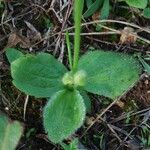
Ranunculus bullatus
Autumn buttercup
Description
Source: leafsnapRanunculus bullatus, commonly known as the Bulbous Buttercup, is a perennial herbaceous plant in the Ranunculaceae family. Native to Europe and Asia, it thrives in meadows, pastures, and along roadsides. The plant can grow up to 30 cm in height and features a bulbous root system that enables it to withstand harsh conditions, such as droughts. Its leaves are basal, with long petioles, and are deeply lobed or divided into three leaflets. The bright yellow flowers of Ranunculus bullatus have five petals and can reach up to 2 cm in diameter. These flowers bloom from April through June, held aloft on long stems above the foliage. Ranunculus bullatus serves as an important food source for many insects, including bees and butterflies, thanks to its nectar-rich flowers. However, it can be toxic if ingested by livestock or humans due to its high concentration of protoanemonin. Overall, Ranunculus bullatus is a beautiful wildflower that adds color and diversity to natural landscapes while providing significant ecological benefits to pollinators.
Care Guide
💧 Water Every 7 days
Blistered-leaved crowfoot thrives in environments with consistent moisture and moderate rainfall. To maintain its vibrancy, it requires weekly watering. As an herbaceous perennial, this plant goes dormant during the colder months, needing less water at that time.
How should I water my Blistered-leaved crowfoot plant?
When watering the Blistered-leaved crowfoot, it's important to use filtered water at room temperature. Tap water may contain harmful particles for this plant. It's best to use room temperature or slightly warm water, as the Blistered-leaved crowfoot comes from a warm environment and cold water can be a shock to its system. Avoid overhead watering, as it can cause problems with the foliage. Instead, carefully pour the filtered room temperature water onto the soil until it is completely soaked. This helps moisten the roots and allows them to spread through the soil to collect necessary nutrients.
What should I do if I give my Blistered-leaved crowfoot too much water or too little water?
Overwatering is a common issue for Blistered-leaved crowfoot plants and can cause wilting, yellowing, and potential diseases like root rot, mold, and mildew. Underwatering is less common, but can cause brittle, brown leaves. It's important to recognize the signs of overwatering early and reduce the watering schedule if needed. Assessing the soil's drainage is also important, as poorly draining soil should be replaced with a well-draining potting mix. If signs of underwatering are present, simply water more regularly until the symptoms subside.
How many times should I water my Blistered-leaved crowfoot plant?
If your Blistered-leaved crowfoot is in a pot, the most precise way to determine if it needs water is by checking the soil. Simply insert your finger into the soil and if the first two to three inches are dry, it's time to water. For Blistered-leaved crowfoot planted in the ground outdoors, you can use a similar method to test the soil. When the first few inches of soil become dry, it's time to water. In spring and early fall, this typically means watering once a week. However, during extremely hot weather, you may need to increase watering to twice per week or more. That being said, mature and well-established Blistered-leaved crowfoot plants have a remarkable ability to withstand drought.
How much water does my Blistered-leaved crowfoot require?
When watering your Blistered-leaved crowfoot, don't hold back on the amount of water you give. Once the top two to three inches of soil are dry, it's time for a good, thorough watering. Make sure to soak the soil completely, adding enough water to allow for excess water to drain out of the pot's drainage holes. If you don't see any excess water draining, you may have not watered enough. However, be careful not to let water accumulate in the soil, as this can harm the plant. On the other hand, if water doesn't drain properly from the pot, it may indicate poorly draining soil, which is not good for the plant's health. If the plant is located outside, aim for about 1 inch of rainfall per week.
How do I water my Blistered-leaved crowfoot as it grows?
The water needs of the Blistered-leaved crowfoot can vary depending on its growth stages. In the first few years of its life or after transplanting, it requires more water to support the development of new roots. These roots need extra moisture to ensure future growth. However, as the plant matures, it will require less water. Additionally, during the bloom period, the plant may require more water due to the significant amount of moisture needed for flower development.
☀️ Light Full sun
Blistered-leaved crowfoot does best in places that receive sunlight throughout the day. Too little light can endanger its healthy growth, while too much exposure may cause damage. Its native habitat had similar light conditions, so it is adapted to that level of illumination.
What are the full sun requirements for Blistered-leaved crowfoot?
Blistered-leaved crowfoot requires above 6 hours of sunlight daily to thrive optimally. It's crucial to observe the movement of sunlight through your garden to determine spots that offer a perfect balance of light and shade, ensuring the plant's happiness and vigorous growth.
How does Blistered-leaved crowfoot respond to its environment?
Blistered-leaved crowfoot flourishes best in conditions where it is exposed to sun rays throughout the day. This plant's health can be compromised by insufficient sunlight, while too much exposure could cause damage. Its natural habitat offers similar light conditions, making the plant well-adapted to such an environment. When natural sunlight is lacking, especially during winter or in less sunny areas, artificial lighting may be necessary to encourage healthy growth. Options such as LED lights, which can emulate the specific wavelengths needed, can significantly promote plant health when properly implemented.
What symptoms indicate light deficiency in Blistered-leaved crowfoot?
Symptoms of light deficiency in Blistered-leaved crowfoot include smaller new leaves, leggy or sparse growth, faster leaf drop, slower or halted growth, lighter-colored new leaves, and symptoms of overexposure like chlorosis, sunscald, leaf curling, wilting, and leaf scorching. These symptoms highlight the plant's struggle in inadequate lighting conditions, signaling the need for adjustments in its care regimen.
What are the solutions for improving light conditions for Blistered-leaved crowfoot?
To improve light conditions for Blistered-leaved crowfoot, gradually move the plant to a sunnier location, ensuring it receives at least 6 hours of direct sunlight daily. For plants indoors or those that are not easily movable, consider using artificial light sources, keeping them on for at least 8 hours a day. Outdoors, avoid sudden changes in light exposure to prevent sunburn. Also, identify and reduce obstructions like tree branches that block sunlight, and for smaller plants, consider transplanting them to a sunnier spot with ample sunlight and good drainage during their dormant period.
🌡️ Temperature 15–35°C
Blistered-leaved crowfoot originates from temperate regions and prefers temperatures between 59 and 95 °F (15 to 35 ℃). Seasonal adjustments may be necessary if temperatures rise above or fall below this range.
What is the native region and temperature preference of Blistered-leaved crowfoot?
Blistered-leaved crowfoot, botanically known as Ranunculus bullatus, is native to temperate regions. It prefers temperatures ranging from 59 to 95 °F (15 to 35 °C). To maintain its health and growth, seasonal adjustments might be required to ensure temperatures do not consistently exceed or fall below this preferred range.
How does Blistered-leaved crowfoot handle cold temperatures?
Blistered-leaved crowfoot has a moderate tolerance to cold temperatures and generally thrives best when the temperature remains above 15°C. It can tolerate temperatures down to -5°C without needing additional protection. However, if temperatures are expected to drop below -5°C, taking temporary measures such as wrapping the plant with plastic, fabric, or other insulating materials is necessary. These protective measures should be removed once the temperature rises to avoid any potential damage from overheating or reduced air circulation.
What should I do if my Blistered-leaved crowfoot experiences extremely low temperatures?
If the temperature falls below -10°C, Blistered-leaved crowfoot's leaves may droop, and in severe cases, they may wilt and eventually fall off. To aid recovery and protect the plant from future cold spells, trim off the frost-damaged parts. Wrap the plant with non-woven fabric, cloth, or construct a wind barrier to shield it from cold winds. These steps can help mitigate damage and promote recovery.
How should I care for Blistered-leaved crowfoot in high temperatures?
During summer, it's crucial to ensure that Blistered-leaved crowfoot is kept in conditions below 35°C to avoid stress and damage. If the temperature exceeds 41°C, the plant may show signs of distress such as lighter leaf color, dry and withered leaf tips, leaf curling, and increased susceptibility to sunburn. To manage this, trim away the sunburned and dried-up parts of the plant. Relocate it to a shaded area, especially during the midday and afternoon sun, or use a shade cloth. Additionally, maintaining soil moisture through watering in the morning and evening can help the plant cope with high temperatures.
💨 Humidity
🪴 Soil 6-7
🌱 Fertilizer
The ideal time to fertilize a Blistered-leaved crowfoot is in early spring, when it is emerging from dormancy and beginning active growth. Fertilization supplies essential nutrients for healthy development. Although Blistered-leaved crowfoot has relatively low fertilizer requirements, annual fertilization can improve its survival and encourage better, longer-lasting flowers.
🪴 Pot & Repot
✂️ Pruning
Blistered-leaved crowfoot is distinguished by its unique blistered leaves and requires pruning from early to late spring. When pruning, focus on trimming faded blooms and any damaged foliage. However, avoid removing more than one-third of the plant to prevent stress. Proper pruning encourages vibrant blooming and reduces the risk of disease, ensuring the plant maintains a healthy and robust appearance throughout the season.
🌿 Propagating
🐛 Diseases & pets
☠️ Toxicity
Characteristics
- Plant Type
- Herb
- Life Cycle
- Perennial
- Genus
- Ranunculus
- Family
- Ranunculaceae
- Hardiness Zone
- 8-10
- Mature Height
- 15 cm to 40 cm
- Mature Spread
- 10 cm to 30 cm
- Leaf Color
- Lime Green, Forest Green
- Leaf Type
- Deciduous
- Flower Color
- Yellow, Gold
- Flower Size
- 2.54 cm
- Bloom Time
- Mid fall, Late fall, Early winter
- Planting Time
- Spring, Summer, Autumn
- Harvest Time
- Winter
- Native Area
- Turkey, Tunisia, Italy, Portugal, Spain, Cyprus, Algeria, Greece, Morocco, France