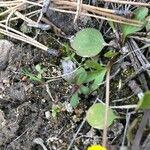
Ranunculus glaberrimus
Sagebrush buttercup · Shiny-leaved buttercup
Description
Source: leafsnapRanunculus glaberrimus, the sagebrush buttercup, is a species of flowering plant in the buttercup family, Ranunculaceae. It is native to interior western North America, in western Canada, the western United States, and the northwestern Great Plains.
🎭 Cleansing, Deliverance
Care Guide
💧 Water Every 3-5 days
The sagebrush buttercup flourishes in dry conditions, demonstrating impressive drought tolerance. It typically needs to be watered once a week and makes use of its efficient root system to absorb water during dry periods. Adapted to seasonal rainfall, the sagebrush buttercup is often found in open fields and meadows.
How should I water my Sagebrush buttercup?
To properly water the Sagebrush buttercup, it is best to use filtered water at room temperature. Tap water may contain harmful particles, so filtered water is preferred. The Sagebrush buttercup is accustomed to a warm environment, so cold water should be avoided to prevent any shock. It is also important not to water the plant from above, as this can cause problems with the foliage. Instead, you should thoroughly soak the soil with filtered room temperature water. This helps to moisturize the roots and promote their growth and nutrient absorption.
What do I do if I give my Sagebrush buttercup too much or too little water?
Overwatering and underwatering are both harmful to your Sagebrush buttercup, but overwatering is more common and problematic. When the plant gets too much water, its stems and leaves may wilt and turn yellow. Overwatering for a long time can also cause diseases like root rot, mold, and mildew, which can kill the plant. While underwatering is less common because Sagebrush buttercups can tolerate drought, it is still possible. When this happens, the leaves become brittle and brown. It is essential to recognize the signs of overwatering promptly. Some of the diseases caused by overwatering, such as root rot, are not fixable if you delay action. If you see early signs of overwatering, reduce your watering schedule immediately. Also, check the soil quality of your Sagebrush buttercup. If it drains poorly, replace it with a loose, well-draining potting mix. On the other hand, if your Sagebrush buttercup shows signs of not receiving enough water, simply increase your watering frequency until the signs go away.
How often should I water my Sagebrush buttercup plant?
If you have a potted Sagebrush buttercup plant, the most accurate way to determine if it needs water is by sticking your finger into the soil. If the top two to three inches of soil feel dry, it's time to water it. The same method can be used for Sagebrush buttercup plants grown outdoors in the ground. Whenever the top few inches of soil are dry, it's time to water. Generally, during spring and early fall, watering once a week is sufficient. However, in extremely hot weather, you may need to water twice or more per week. It's worth noting that mature, well-established Sagebrush buttercup plants have an impressive ability to withstand drought.
How much water does my Sagebrush buttercup require?
When watering your Sagebrush buttercup, don't be shy about the amount of water you give. Make sure the first two to three inches of soil are dry before watering. Give it a thorough watering, making sure to soak the soil completely. To know if you've added enough water, check if excess water flows out of the drainage holes at the bottom of the pot. If you don't see any excess water draining, it means you've likely underwatered the plant. However, be cautious not to let water accumulate in the soil, as it can be harmful to the plant. Improperly draining soils can also be detrimental to the plant's health, so avoid using them. If the plant is outdoors, 1 inch of rain per week is sufficient.
How do I water my Sagebrush buttercup as it grows?
The water requirements of the Sagebrush buttercup can vary depending on its growth stages. In the early years of its life or after transplanting, it will require more water than usual. This is because during these stages, the Sagebrush buttercup focuses its energy on developing new roots to support future growth. These new roots need more moisture to perform optimally. Once the plant matures after a few seasons, it will require less water. Additionally, during the bloom period, the Sagebrush buttercup may require more water due to the demands of flower development.
☀️ Light Full sun
The sagebrush buttercup does best when exposed to plentiful, strong light. Its natural habitat of open, uninterrupted sunshine is crucial for healthy growth. Such bright exposure encourages vigorous development at every stage by supporting efficient photosynthesis. It should not be kept in dim or shaded light, as that can hinder its growth and reduce its vigor.
What are the sunlight requirements for Sagebrush buttercup?
Sagebrush buttercup, or Ranunculus glaberrimus, requires full sun exposure, meaning it needs above 6 hours of sunlight daily to thrive. It's crucial for the plant's location to provide a perfect balance of light and shade to ensure optimal growth and health. In its natural habitat, the Sagebrush buttercup thrives under abundant, strong light exposure, which is instrumental for healthy growth at all stages, supporting robust growth and facilitating optimal photosynthesis. However, exposure to shadowy lighting conditions should be avoided as it can impede the plant's growth and vitality.
Can artificial lighting be used for Sagebrush buttercup, and how?
Yes, artificial lighting can be used for Sagebrush buttercup, especially for indoor plants when natural sunlight is insufficient, such as in winter or less sunny spaces. Artificial lights, such as LED lights, serve as a vital solution, promoting faster, healthier growth. They can be customized to provide specific wavelengths of light that the plant needs. For full sun plants, 30-50W per square foot is recommended; for partial sun plants, 20-30W per square foot; and for full shade plants, 10-20W per square foot. The light source should be placed 12-36 inches above the plant, mimicking natural sunlight, and it's typically advised that most plants need 8-12 hours of light per day.
What are notable symptoms of inadequate lighting in Sagebrush buttercup?
Inadequate lighting can lead to several symptoms in Sagebrush buttercup, indicating the plant's struggle to adapt. These symptoms include smaller new leaves compared to the older ones, leggy or sparse growth due to longer spaces between leaves or stems, faster leaf drop as the plant sheds older leaves to conserve resources, slower or no new growth as the plant enters a survival mode, lighter-colored new leaves lacking sufficient chlorophyll, and specific conditions such as chlorosis (leaves turning yellow), sunscald, leaf curling, wilting, and leaf scorching, all of which can diminish the plant's health and appearance.
What solutions are available for managing inadequate or excessive sunlight exposure for Sagebrush buttercup?
To manage inadequate or excessive sunlight exposure for Sagebrush buttercup, consider gradually moving plants to sunnier or adequately lit locations. For indoor plants, it may involve using a south-facing window or artificial light, such as desk or ceiling lamps or professional grow lights, for at least 8 hours daily. For outdoor plants, finding the best sunlight spot and adjusting the plant's position gradually to avoid sunburn is key. Additionally, minimizing obstructions like pruning trees or transplanting to better-lit locations can help. It's important to note that parts of the plant affected by insufficient sunlight may not recover, but new growth should be healthy following these adjustments.
🌡️ Temperature 15–32.2°C
Sagebrush buttercup is native to habitats with average temperatures between 59 and 90 °F (15 to 32 ℃). It flourishes under these thermal conditions, which are its preferred range. For optimum growth, adjust seasonally by maintaining the temperature within this range.
What is the indigenous environment of the Sagebrush buttercup?
Sagebrush buttercup, or Ranunculus glaberrimus, is indigenous to environments where the average temperatures range between 59 to 90 °F (15 to 32 °C). These temperatures represent its preferred thermal range for thriving. The plant exhibits strong cold resistance, which means it usually doesn't require special frost protection measures in winter. However, if temperatures are forecasted to drop below -15°C, it's crucial to provide cold protection by covering the plant with insulating materials such as soil or straw. Additionally, it's recommended to water the plant abundantly before the first freeze in autumn to ensure the soil remains moist and enters a frozen state. This practice helps prevent drought and water scarcity during the winter and early spring.
How does low temperature affect Sagebrush buttercup and what are the solutions?
Sagebrush buttercup is predominantly cold-tolerant and thrives best with temperatures staying above 15°C. During the winter months, it's advisable to maintain the temperature above -10°C to ensure the plant's vitality. Exposure to temperatures below -15°C might not cause noticeable changes during the winter season itself, but it could lead to a reduction in sprouting or a lack of sprouting come springtime. In spring, it's recommended to remove any parts of the plant that have failed to sprout as a solution to address the damage caused by low temperatures.
What are the effects of high temperature on Sagebrush buttercup and how can they be mitigated?
During the summer season, it's important to ensure that the Sagebrush buttercup does not endure temperatures above 32°C. Exceeding this temperature range, specifically going beyond 35°C, may result in the leaves of the plant becoming lighter in color, showing a tendency to curl, becoming susceptible to sunburn, and, in severe scenarios, the entire plant may wilt and dry out. To mitigate these high temperature effects, it is advisable to trim away the sunburned and dried parts of the plant. Relocating the plant to an area that provides shade during the midday and afternoon hours or utilizing a shade cloth to generate shade can offer relief. Additionally, watering the plant during the cooler morning and evening hours can help keep the soil moist and protect the plant from the harsh effects of high temperatures.
💨 Humidity
🪴 Soil 6-8
🌱 Fertilizer
For Sagebrush buttercup, the primary time to fertilize is in early spring, when flowers are developing. The appropriate fertilizer promotes improved blooms and helps Sagebrush buttercup produce attractive flowers. Fertilizing in early spring ensures strong flowers during the season and supplies energy for dormant growth phases.
🪴 Pot & Repot
✂️ Pruning
To promote the healthy growth and shape of the sagebrush buttercup, it is beneficial to prune it annually during early to late spring. Start by removing any damaged stems and thinning out overcrowded areas to improve air circulation. This practice not only encourages vigorous blooming but also enhances the plant's appearance and helps prevent diseases by ensuring proper ventilation.
🌿 Propagating
🐛 Diseases & pets
☠️ Toxicity
Characteristics
- Plant Type
- Herb
- Life Cycle
- Perennial
- Genus
- Ranunculus
- Family
- Ranunculaceae
- Hardiness Zone
- 7-8
- Mature Height
- 5 cm to 15 cm
- Mature Spread
- 5 cm to 20 cm
- Leaf Color
- Dark Green, Forest Green
- Leaf Type
- Semi-evergreen
- Flower Color
- Yellow
- Flower Size
- 2.54 cm
- Bloom Time
- Late winter, Early spring
- Planting Time
- Spring, Summer
- Harvest Time
- Mid spring, Late spring
- Native Area
- Northwestern US, western Canada