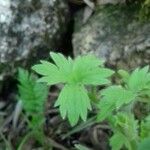
Ranunculus parviflorus
Small-Flower Buttercup · Smallflower buttercup · Small-flowered buttercup
Description
Source: leafsnapRanunculus parviflorus, commonly known as the small-flowered buttercup, is a perennial herbaceous plant in the Ranunculaceae family. Native to North America, it thrives in a variety of habitats, including meadows, prairies, and open woods. The plant can grow up to 30 cm tall and features a basal rosette of deeply lobed leaves. Its slender, branching stems are adorned with small yellow flowers that bloom from May to July. Each flower boasts five petals with a bright yellow center and is surrounded by shiny green sepals. Ranunculus parviflorus prefers moist soils but can tolerate dry conditions once established. It serves as a delightful addition to wildflower gardens or naturalized areas, thanks to its attractive blooms and ability to attract pollinators like bees. It is important to note that all parts of the plant are toxic if ingested by humans or animals. The presence of protoanemonin can cause skin irritation or gastrointestinal distress if consumed in large quantities. In summary, Ranunculus parviflorus is an appealing native wildflower with bright yellow blooms that bring color and interest to various landscapes while providing ecological benefits for pollinators.
🌳 Hairy buttercup functions as a biological indicator of soil fertility and ecological quality. Although it appears modest, hairy buttercup thrives abundantly in soils rich in nutrients. That tendency allows scientists to use its presence to indicate the nitrogen content of the soil. In ecological monitoring, hairy buttercup is used to evaluate the health of agricultural land. It also helps confirm the effects of fertilization and crop rotation practices.
🎭 Appeal and charm
Care Guide
💧 Water Every 7 days
The Smallflower Buttercup flourishes in moist meadows, preferring consistent hydration but can tolerate brief periods of dryness. To support its growth and water-dependent processes, it should be watered weekly. As an herbaceous plant, the Smallflower Buttercup needs steady soil moisture, especially during its growing season, to ensure healthy foliage and vibrant flowering.
☀️ Light Full sun
Hairy buttercup grows best with plentiful sunlight, which is essential for its healthy development. Native to places with abundant light, it can still tolerate some shade fairly well. However, both too little and too much light can cause problems in its growth.
What are the sunlight requirements for Smallflower Buttercup?
Smallflower Buttercup (Ranunculus parviflorus) requires full sun, meaning it needs above 6 hours of sunlight daily to thrive. It's vital to observe how sunlight moves through your garden to choose spots offering a balance of light and shade, ensuring optimum growth conditions. This plant's happiness is significantly influenced by substantial exposure to sunlight, replicating its native environment's conditions. Insufficient or excessive sunlight can alter its growth process, making it crucial to find the right sunlight balance.
What should I know about providing artificial lighting for Smallflower Buttercup indoors?
For Smallflower Buttercup grown indoors, artificial lighting can be essential, especially when natural sunlight is insufficient, like in winter or less sunny spaces. LED lights are recommended because they can be adjusted to give off specific wavelengths needed by your plants. Full sun plants require 30-50W per square foot, partial sun plants need 20-30W per square foot, while full shade plants need 10-20W per square foot. The light source should be placed 12-36 inches above the plant to mimic the sun, and most plants benefit from 8-12 hours of light daily.
What are the symptoms of inadequate light in Smallflower Buttercup?
When Smallflower Buttercup does not receive enough light, it may display symptoms such as smaller new leaves, leggy or sparse growth, premature leaf drop, halted or slow new growth, and lighter-colored or yellowing leaves (chlorosis). These signs indicate a struggle due to low light levels. Conversely, excessive sunlight can lead to sunscald, leaf curling, wilting, and leaf scorching, showing damage from overexposure. Recognizing these symptoms is crucial to adjusting light conditions for your plant's health.
How can I address light-related issues for Smallflower Buttercup?
To resolve light-related issues for Smallflower Buttercup, an indoor approach involves gradually moving the plant to a sunnier spot each week to achieve at least 6 hours of direct sunlight daily. Utilize a south-facing window and consider artificial lighting, such as grow lights, for additional support. Outdoors, gradually adapt your plant to sunlight to prevent sunburn, avoiding drastic light intensity changes. Minimize obstructions like trees by pruning and consider transplanting smaller plants to sunnier locations with good drainage during their dormant period.
🌡️ Temperature 5–35°C
Hairy buttercup originates from temperate regions and prefers a temperature range of 68 to 95 °F (20 to 35 °C). During colder seasons, adjustments to heat sources may be needed to keep growth conditions favorable.
What is the native climate of the Smallflower Buttercup?
The Smallflower Buttercup, scientific name Ranunculus parviflorus, thrives in regions with moderate climates. It prefers temperatures ranging from 68 to 95 °F (20 to 35 °C). To ensure the plant maintains its health during hotter parts of the year, it's advised to provide shade to keep it within its optimal temperature range. This warmth-loving plant does not tolerate cold well, making it paramount to protect it from colder temperatures. During autumn, it's recommended to bring outdoor plants indoors, placing them near a bright window while avoiding direct contact with heaters to prevent potential damage.
How can you protect Smallflower Buttercup from low temperatures?
The Smallflower Buttercup is particularly sensitive to low temperatures and shows a preference for warmth, thriving best in conditions above a certain minimum suitable growth temperature. Throughout winter, the temperature should be kept above the tolerable growing temperature minimum to prevent damage. Exposure to temperatures below the limit growth temperature can lead to symptoms such as leaves lightening in color, which may progress to brown or black as frost damage occurs, followed by wilting and drooping. To counteract frost damage, it is advisable to trim the damaged parts and move the plant to a warmer indoor location immediately. Placing the plant near a south-facing window ensures it receives sufficient sunlight without the harsh effects of heaters or air conditioning vents, which can cause the air to become excessively dry.
What should be done if the Smallflower Buttercup experiences high temperatures?
In the event that the Smallflower Buttercup is exposed to temperatures above its suitable growth temperature max during summer, the plant may display signs of stress such as a lightening of leaf color and increased vulnerability to sunburn. To mitigate these effects, any sunburned or dried-up parts of the plant should be trimmed away. Relocating the plant to an area providing shade, especially from the harsh midday and afternoon sun, can offer relief. Additionally, it's crucial to water the plant during the cooler parts of the day, specifically in the morning and evening, to maintain soil moisture and support the plant's wellbeing in higher temperatures.
💨 Humidity
🪴 Soil 6-7
🌱 Fertilizer
Hairy buttercup does well with regular, light applications of fertilizer to encourage healthy leaf growth. Fertilize Hairy buttercup roughly once a month during the summer. Nitrogen is important for foliage, so providing nitrogen-rich fertilizers helps Hairy buttercup thrive.
🪴 Pot & Repot
✂️ Pruning
To encourage blooming in smallflower Buttercup, regularly remove faded flowers during the growing season. Once the plant has finished flowering and the leaves begin to turn yellow, stop watering and allow the leaves to die back naturally. For handling corms, cut off the tops, dig them up, and store them in a cool, dry place. Be sure to treat them with a fungicide. Hardy corms can be left in dry soil without being disturbed.
🌿 Propagating
🐛 Diseases & pets
☠️ Toxicity
Characteristics
- Plant Type
- Herb
- Life Cycle
- Annual, Biennial, Perennial
- Genus
- Ranunculus
- Family
- Ranunculaceae
- Hardiness Zone
- 4-9
- Mature Height
- 40 cm
- Mature Spread
- 8 cm to 20 cm
- Leaf Color
- Green, Blue
- Leaf Type
- Evergreen, Deciduous
- Flower Color
- Yellow, Gold
- Flower Size
- 2.54 cm
- Bloom Time
- Mid spring, Late spring, Early summer
- Planting Time
- Spring, Autumn
- Harvest Time
- Early summer, Mid summer
- Native Area
- Libya, India, Austria, Sweden, Slovakia, Montenegro, Croatia, Slovenia, Morocco, Belarus, Russia, Germany, Koppen, Romania, Latvia, Belgium, France, Netherlands, Tunisia, Czech Republic, Bulgaria, Poland, Greece, Ukraine, Serbia, Lithuania, Italy, Spain, Switzerland, Denmark, Albania, United Kingdom, Hungary, Algeria