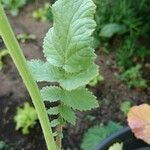
Raphanus raphanistrum
ترب و تربچه · ترب وحشی (FA) · فجيلة · تورۆکە · Wild radish
Description
Source: leafsnapRaphanus raphanistrum, commonly known as wild radish or jointed charlock, is a flowering plant species in the Brassicaceae family. Native to Europe and Asia, this plant has now spread worldwide as a weed. It can grow up to 1 meter tall and features rough, hairy stems with green, lobed leaves. The flowers, which bloom from May to September, are white or yellow with four petals. Wild radish is an annual plant that thrives in disturbed areas like fields, roadsides, and waste places. It can tolerate a wide range of soil types but prefers well-drained soils with moderate moisture levels. For centuries, the seeds of Raphanus raphanistrum have been used for their anti-inflammatory properties in medicinal applications. They have also been utilized in traditional Chinese medicine to treat digestive disorders. However, wild radish can become problematic when it invades agricultural fields. It competes with crops for nutrients and water, leading to reduced yields. Additionally, it produces allelopathic chemicals that inhibit the growth of surrounding plants. Overall, Raphanus raphanistrum is an interesting species due to its medicinal properties. However, when it grows outside its native range, it is often classified as an invasive weed, as it poses significant challenges in many countries around the world today.
🌳 Wild radish, frequently viewed as merely a wildflower or weed, is prized for its traditional role in dye production. Its sap becomes a vivid yellow in sunlight and was historically used to dye fabrics and make paint. Additionally, its piquant seeds are pickled or added to salads, raising the possibility of cultivating it as a distinct spice.
Care Guide
💧 Water Every 7 days
Wild radish thrives when it is watered regularly, needing weekly watering to stay healthy. Although it can tolerate drought to some extent, it prefers consistent moisture, especially during its active growing season. This stable watering promotes vigorous growth and resilience.
How should I water my Wild radish plant?
There are a few different options for watering Wild radish. You can use a garden hose with a spray nozzle, a watering can, or any other common watering tool. Wild radish is not too particular about the type of water it receives – rainwater, tap water, or filtered water will all work. It's best not to water this plant from above, as this can harm the leaves and flowers and may cause disease. A drip irrigation system is often the most effective way to water Wild radish, as it applies water evenly and directly to the soil. If you have a Wild radish growing in a container, you can use a cup, watering can, or your tap to water it directly into the soil.
What should I do if I give my Wild radish too much or too little water?
To remedy underwatering of Wild radish, simply water it more regularly when you notice it lacks moisture. Overwatering, however, can be more serious if left unnoticed. It can lead to diseases and the decline and death of the plant. To prevent this, choose a sunny location with good soil drainage to ensure excess water drains properly. If your potted Wild radish is overwatered, consider changing the pot to one with better drainage and using loose soils during repotting.
How often do I need to water my Wild radish?
Wild radish requires regular watering throughout the growing season. In the spring, watering once per week is sufficient. As the season progresses and temperatures rise, you may need to increase watering to two or three times per week. However, watering too much can harm the plant, so ensure the soil remains moist but not saturated. When growing wild radish in a pot, watering needs are slightly different. Potted soil can dry out faster, so watering frequency should be increased to a few times per week, compared to just once per week for in-ground plants.
How much water does my Wild radish plant need?
Determining the appropriate amount of water for your Wild radish can be approached in a few different ways. Some gardeners prefer to assess soil moisture by feeling it, ensuring that the top six inches are adequately moist before watering. Another approach is to use a specific measurement, such as providing approximately two gallons of water per week. However, it's essential to consider factors like temperature and soil drying speed, as strictly adhering to measurements can result in overwatering if the plant requires less. When growing Wild radish in a container, a different method is necessary. You should aim to moisten all layers of dry soil by inserting your finger and sensing for moisture. Additionally, watering until a slight trickle of water drains out from the pot's drainage holes can indicate sufficient watering.
How do I know if I'm giving enough water to my Wild radish plant?
Avoiding overwatering your Wild radish can be somewhat difficult. On one hand, these plants have deep roots that require weekly soil moistening. However, Wild radish is highly prone to root rot, which can cause browning. It is less likely to underwater your Wild radish as they can survive for a while without extra watering. But if you go too long without giving water, it will wilt and show dry leaves.
☀️ Light Full sun
Wild radish requires ample exposure to sunlight for optimal growth. Its health and vigor are strongly affected by generous sun exposure. It flourishes in areas that consistently receive a great deal of sunshine, reflecting its native habitat with abundant light. However, it can also adapt to places with somewhat reduced sunlight. Very intense or very limited sunlight might compromise its health.
What are the sunlight requirements for wild radish?
Wild radish requires significant exposure to sunlight for optimum growth, flourishing in locations that receive substantial sunlight throughout the day. It can adapt to both full sun, which is above 6 hours of direct sunlight, and partial sun, about 3-6 hours of sunlight. It's imperative to observe how sunlight traverses your garden to ensure plants get the right balance of light and shade, considering wild radish's natural preference for abundant sunlight. However, wild radish can also tolerate somewhat reduced sunlight, although extreme or insufficient sunlight could harm its health.
How can artificial lighting benefit indoor wild radish plants?
For indoor wild radish plants where natural sunlight is inadequate, artificial lighting serves as an essential alternative to support their growth, especially in winter or less sunny spaces. LED lights are recommended because they can provide specific wavelengths needed by plants. Full sun plants should get 30-50W/sq ft of artificial light, partial sun plants 20-30W/sq ft, and full shade plants 10-20W/sq ft. The light source should be placed 12-36 inches above the plant, simulating natural sunlight, and kept on for 8-12 hours a day to mimic natural daylight hours, promoting healthier and faster growth.
What are the symptoms of inadequate light for indoor wild radish plants?
Indoor wild radish plants not receiving enough light may display several symptoms indicating light deficiency. These include the emergence of smaller new leaves, leggy or sparse growth, faster leaf drop, slower or halted new growth, and lighter-colored or yellowing leaves (chlorosis). Excessive sunlight can also harm, leading to sunscald, leaf curling, wilting, leaf scorching, and damage from intense direct sunlight. These symptoms reflect the plant's struggle to adapt to insufficient or extreme light conditions.
What are the solutions for wild radish plants suffering from inadequate sunlight?
To remedy insufficient sunlight for wild radish plants, indoor plants can be gradually moved to a location with at least 6 hours of direct sunlight daily or supplemented with artificial light, such as keeping a lamp on for at least 8 hours or investing in grow lights. Outdoor plants should be relocated to sunnier spots gradually to prevent sunburn, making slight adjustments each week. Reducing obstacles that block sunlight, like pruning trees, or transplanting smaller plants to sunnier areas during their dormant period can also help improve light exposure. While parts of the plant that suffered might not recover, new growth should be healthy with these adjustments.
🌡️ Temperature 0–37.8°C
Wild radish originates from areas with temperate climates and grows best in temperatures between 68 and 100 °F (20 to 38 ℃). For optimal growth, keep temperatures within this range year-round whenever possible.
What is the native climate for wild radish, and how can it be cultivated effectively?
Wild radish is native to regions with moderate climates, flourishing in temperatures between 68 to 100 °F (20 to 38 °C). For the most effective cultivation, it's important to maintain these thermal levels throughout the year whenever feasible. Wild radish possesses strong cold resistance, making special frost protection measures generally unnecessary during winter. However, if winter temperatures are anticipated to drop below -40°C, it's crucial to provide cold protection by covering the plant with soil or straw. Moreover, abundant watering before the first freeze in autumn is recommended to keep the soil moist, aiding in drought prevention and water scarcity for the plant during the colder months and early spring.
How does wild radish react to extreme temperatures, and what are the solutions for these conditions?
Wild radish shows a notable resilience to temperature fluctuations. In conditions below 20°C, it remains cold-tolerant, requiring temperatures to be maintained above 0°C during winter. Should temperatures fall below -40°C, there might not be noticeable changes during the winter, but a decrease in sprouting, or lack thereof, can occur in spring. The solution for spring is to remove any parts that have failed to sprout. Conversely, in summer, wild radish should be kept below 38°C. Temperatures exceeding 43°C can cause the leaves to lighten in color, become prone to curling, suffer from sunburn, and, in severe cases, lead to the wilting and drying of the entire plant. The advised solutions include trimming away sunburned and dried-up parts, moving the plant to a shaded location, or using a shade cloth to protect it from the midday and afternoon sun. Additionally, watering the plant in the morning and evening helps keep the soil moist and the plant healthy.
💨 Humidity
🪴 Soil 6-7
🌱 Fertilizer
Wild radish benefits from regular, light applications of fertilizer to encourage healthy leaf growth. You should fertilize Wild radish about once a month throughout the summer. Nitrogen is essential for foliage, and supplying nitrogen-rich sources helps Wild radish thrive.
Why should I add fertilizer to my Wild radish?
Plants need nutrients to grow, and while some plants can get all the nutrients they need without fertilizer, others require supplementation. Wild radish, like other plants, uses nutrients for growth and internal processes. The main nutrients plants need are nitrogen, phosphorus, and potassium, and each contributes to essential functions. In terms of foliage, nitrogen is particularly important. However, Wild radish may struggle to get enough nitrogen from the soil, so some gardeners choose to provide supplemental nitrogen through fertilizer.
When should I fertilize my Wild radish for the best results?
Wild radish generally grows well and can benefit from regular fertilization, particularly during the spring and summer months when it is actively growing. However, it is important to note that fertilization should be avoided during the fall and winter when the plant is less active and requires fewer nutrients. If you observe new growth, it is a good indication that it is time to start fertilizing the Wild radish. Whether the plant is grown outside or in a container, the fertilization schedule remains the same. However, if the Wild radish is in a container, it may not require fertilization for the first one to two months. This is because potting soil designed for container plants already contains sufficient nutrients. Only after the plant has been in the same soil for a while should you consider starting to fertilize it.
When is it not a good time to fertilize my Wild radish?
To ensure the best results, avoid fertilizing a Wild radish that is not in optimal health. This includes cases where the plant has a disease or is infested with insects. Additionally, refrain from fertilizing a plant that is dehydrated as this can exacerbate the issue. Focus on fertilizing plants that are already healthy. When watering, take care not to splash fertilizer onto the leaves or stem, as this may result in burned spots. In general, avoid direct contact between the fertilizer and the plant, unless you are using a specific foliage fertilizer.
What kind of plant food does my Wild radish need?
Fertilizers play a crucial role in promoting the growth of Wild radish. They contain essential nutrients like nitrogen, potassium, phosphorus, iron, manganese, and zinc. For Wild radish, a balanced fertilizer like an all-purpose one with a 10-10-10 NPK ratio is recommended. Alternatively, natural fertilizers like blood meal or worm castings can also be used. If you specifically want lush leaves, you can opt for a fertilizer higher in nitrogen, such as fish fertilizer. It's important to focus on the plant's desired outcome, whether it's foliage or flowers and seeds, when choosing supplements. Providing excessive supplements for flowers or seeds may not be necessary if that's not your goal in growing Wild radish.
How do I add nutrients to my Wild radish plant?
To properly fertilize your Wild radish, follow the instructions on the fertilizer you have purchased. It's wise to start with half-strength fertilizer initially to avoid over-fertilizing. This plant often gets too much fertilizer by accident due to its frequent need for fertilization. Remember, it's easier to add more fertilizer than to rescue an over-fertilized plant. Ensure the soil is not dry before applying fertilizer; it should be somewhat moist already. This helps the fertilizer absorb better and prevents fertilizer burn. Additionally, water the soil after applying dry fertilizers. Different fertilizers have different application methods. Some need to be mixed into the soil during planting, while others are sprinkled on top and then watered in. For most Wild radish varieties, using a water-soluble fertilizer is a convenient choice. Simply mix the recommended dosage of the fertilizer into your watering can and water the plant as usual. Alternatively, slow-release granules or fertilizer spikes can be used if you prefer less frequent fertilization.
🪴 Pot & Repot
✂️ Pruning
Wild radish is a fast-growing and hardy plant, known for its distinctive white to yellow flowers and lobed leaves. Pruning is best done from early to late spring, concentrating on removing dead stems to encourage healthy growth. This practice enhances air circulation and reduces the risk of disease, promoting a more vigorous plant.
🌿 Propagating
🐛 Diseases & pets
☠️ Toxicity
Raphanus raphanistrum pods are crisp and peppery, much like the root of a true radish, and can be eaten raw or cooked .The seeds are dangerous if eaten. Raphanus raphanistrum seeds and seedpods release a toxic vapour during storage that reduces the viability of other seeds in close proximity.
Characteristics
- Plant Type
- Herb
- Life Cycle
- Annual, Biennial
- Genus
- Raphanus
- Family
- Brassicaceae
- Hardiness Zone
- 2-11
- Mature Height
- 20 cm to 76 cm
- Mature Spread
- 10 cm
- Leaf Color
- Green, Blue
- Leaf Type
- Deciduous
- Flower Color
- White
- Flower Size
- 3.05 cm to 4.06 cm
- Bloom Time
- Mid spring, Late spring, Early summer
- Planting Time
- Spring
- Harvest Time
- Early summer, Mid summer
- Native Area
- Libya, Egypt, Turkey, Austria, Sweden, Pakistan, Morocco, Belarus, Uzbekistan, Germany, Iraq, Belgium, Portugal, Netherlands, France, Tunisia, Bulgaria, Cyprus, Poland, Greece, Ukraine, Afghanistan, Italy, Kazakhstan, Kyrgyzstan, Spain, Switzerland, Finland, Albania, Iran, Algeria, Hungary