Ratibida pinnata
Pinnate prairie coneflower · Drooping prairie-coneflower · Gray-head prairie-coneflower · Pinnate-leaf prairie-coneflower · Grayhead Or Pinnate Prairie Coneflower
Description
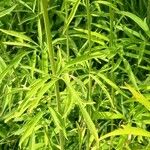
Source: leafsnapRatibida pinnata is a species of flowering plant in the family Asteraceae known by the common names pinnate prairie coneflower, gray-head coneflower, yellow coneflower, and prairie coneflower. It is native to the central and eastern United States and Ontario in Canada.This species is a perennial herb which can well exceed one meter in height. It has fibrous roots and rhizomes or woody caudices. The rough-haired, glandular leaves are up to 40 cm (16 in) long and are divided into several large lance-shaped or oval lobes. The inflorescences are tall, generally far above the highest leaves. Each flower head contains up to 15 yellow ray florets up to 6 cm (2+1⁄4 in) long. The center of the flower is globular or oval in shape and measures up to 2.5 cm (1 in) long. It is covered in up to 200 or more disc florets which are yellow-green to purplish in color. The disc heads have a scent reminiscent of anise when crushed.This plant grows in prairies, on the margins of woods, and on roadsides. It can grow in moist or dry habitat. It is hardy and not easily outcompeted by other plants.This plant is grown as an ornamental garden plant. It is attractive to butterflies and birds. Cultivars include 'Sunglow'.
🌳 The Gray-headed Coneflower is a striking plant known for its vibrant, drooping yellow petals. It is commonly planted in sunny borders of flower gardens, as well as in cottage, prairie, and meadow gardens. This species is deer-resistant and attracts butterflies, making it a delightful addition to any landscape. Its tall stems further enhance its visual appeal as an ornamental plant.
🎭 Power and healing
Care Guide
💧 Water
Native to prairie environments, the gray-headed coneflower thrives in dry conditions by tolerating short droughts and requiring only weekly watering. This herbaceous perennial features a deep taproot, which allows it to efficiently access water throughout the growing season. It balances its occasional need for moisture with a preference for drier soil.
How should I water my Gray-headed Coneflower to keep it healthy?
To properly water the Gray-headed Coneflower, it is recommended to use filtered water at room temperature. Tap water may contain harmful particles, so filtered water is preferred. Since the plant is accustomed to warm environments, it is important to avoid using cold water, as it could be a shock to the plant. Additionally, overhead watering should be avoided as it can cause issues with the foliage. Instead, the filtered room temperature water should be applied directly to the soil until it is completely soaked. This will benefit the plant by moistening the roots and assisting in nutrient absorption.
What should I do if I give my Gray-headed Coneflower too much or too little water?
Overwatering and underwatering can both harm your Gray-headed Coneflower, but overwatering is a more common issue. Excessive watering can cause wilting, yellowing, and diseases like root rot, mold, and mildew, which can kill the plant. Underwatering is less common, as this plant is quite drought-tolerant. However, when it occurs, the leaves may become brittle and brown. It is crucial to notice signs of overwatering early, as some diseases may not be reversible if left untreated. If you see early signs, reduce watering immediately and check the soil's drainage. Replace poorly draining soil with a loose, well-draining potting mix. If your plant shows signs of underwatering, simply water more regularly until the signs go away.
How frequently should I water my Gray-headed Coneflower?
If your Gray-headed Coneflower is in a pot, the most precise way to determine if it needs water is to check the soil with your finger. If the top two to three inches of soil are dry, it's time to water. If you have your Gray-headed Coneflower planted outdoors in the ground, you can use the same method to test the soil. Once the top few inches of soil have dried out, it's time to water. Typically, during spring and early fall, you'll need to water this plant about once a week using this method. However, in extremely hot weather, you may need to water it twice or more per week. It's worth noting that mature, well-established Gray-headed Coneflowers can handle drought quite well.
How much water does my Gray-headed Coneflower require?
To properly water your Gray-headed Coneflower, don't be hesitant with the amount of water you use. Make sure the top two to three inches of soil have dried out before watering, and when you do water, make sure to thoroughly soak the soil. You should add enough water so that it flows out of the drainage holes at the bottom of the pot. If you don't see excess water draining, it means you haven't watered enough, but be careful not to let water accumulate in the soil, as this can harm the plant. On the other hand, if water isn't draining properly, it could mean that the soil doesn't drain well, which is bad for the plant's health. If the plant is outside, one inch of rainfall per week should be enough.
How do I water my Gray-headed Coneflower at different stages of growth?
The water needs of the Gray-headed Coneflower vary depending on its growth stages. In the first few years of its life or when it has just been transplanted, it requires more water than usual. This is because during these stages, the plant focuses on developing new roots to support future growth, which require additional moisture. However, as the plant matures over a few seasons, its water requirements decrease. Additionally, during the bloom period, the Gray-headed Coneflower may need more water due to the significant amount of moisture used in flower development.
☀️ Light Full sun
Gray-headed Coneflower favors spots that receive ample sunlight all day, though it can survive in partially shaded areas. Originating from open plains, Gray-headed Coneflower is adapted to plentiful sun, which supports healthy growth. An imbalance in light exposure can potentially impede the plant's development.
What are the sun requirements for Gray-headed Coneflower?
Gray-headed Coneflower thrives best in full sun, which means it needs more than 6 hours of sunlight daily. However, it can also tolerate partial sun, requiring around 3-6 hours of sunlight. It’s crucial to observe the movement of sunlight through your garden to ensure your plants receive the ideal balance of light and shade, promoting optimal growth.
Can Gray-headed Coneflower grow in areas with less sunlight?
Yes, the Gray-headed Coneflower can grow in somewhat shaded spots, despite its preference for plentiful sunlight. Originating from open plains, this plant is adaptable to substantial sunlight exposure but can manage in areas where light conditions are not ideal. Too little sunlight, however, may affect its growth adversely.
How can I use artificial lighting for indoor Gray-headed Coneflowers?
For indoor Gray-headed Coneflowers with inadequate natural sunlight, artificial lighting is a beneficial solution. LED lights, preferred for their customization, should provide 30-50W/sq ft for full sun plants, 20-30W/sq ft for partial sun plants, and 10-20W/sq ft for full shade plants. The light source should be 12-36 inches above the plant, for 8-12 hours per day, mimicking natural sunlight conditions.
What are the symptoms of light deficiency in Gray-headed Coneflower?
Symptoms of light deficiency in Gray-headed Coneflower include smaller new leaves, leggy or sparse growth, faster leaf drop, slower or no new growth, lighter-colored or chlorotic new leaves, sunscald, leaf curling, wilting, and leaf scorching. These symptoms indicate the plant is not receiving sufficient light for optimal growth.
How can I address insufficient sunlight for my Gray-headed Coneflower?
To combat insufficient sunlight for indoor Gray-headed Coneflowers, gradually move them to sunnier spots until achieving at least 6 hours of direct sunlight daily or use artificial lighting for at least 8 hours a day. For outdoor plants, also transition them gradually to avoid sunburn. When dealing with ground plants, reduce obstructions like tree branches or consider transplanting to sunnier locations. Note that damaged parts may not recover, but new growth will be healthy post-adjustment.
🌡️ Temperature 5–35°C
The temperature preference of the gray-headed coneflower is 41 to 95 ℉ (5 to 35 ℃). This plant is native to the prairies and open woods of the central and eastern United States and needs a moderate temperature range. In summer, it is recommended to keep temperatures between 70 and 90 ℉ (21 to 32 ℃), and in winter temperatures should not fall below 41 ℉ (5 ℃).
What are the temperature preferences of the Gray-headed Coneflower?
The Gray-headed Coneflower, native to prairies and open woods of the central and eastern United States, thrives in a moderate temperature range. Its ideal temperature preferences range between 41 to 95 °F (5 to 35 °C). During the warmer summer months, it's best to maintain temperatures between 70 to 90 °F (21 to 32 °C), while in the colder winter months, temperatures should not fall below 41 °F (5 °C). The plant exhibits strong cold resistance, typically eliminating the need for special frost protection measures. However, in regions where winter temperatures are likely to drop below -30°C, it's important to provide additional cold protection by covering the plant with soil or straw. Additionally, to prevent drought and water scarcity during winter and early spring, it's recommended to water the plant abundantly before the first freeze in autumn, ensuring the soil remains moist.
How does low temperature affect the Gray-headed Coneflower, and what are the solutions?
The Gray-headed Coneflower is remarkably cold-tolerant, best thriving when temperatures remain above 5°C. It can withstand winters where temperatures do not drop below -25°C. However, when temperatures fall below -30°C, while there may not be any noticeable changes during the winter, these conditions may lead to a decrease in sprouting or even no sprouting at all during the spring. In such cases, the recommended solution is to remove any parts of the plant that have failed to sprout in spring.
What impact does high temperature have on the Gray-headed Coneflower, and how can it be managed?
During the summer season, it is crucial to ensure the Gray-headed Coneflower is not exposed to temperatures above 35°C. Exceeding this temperature limit can cause the leaves to lighten in color, become prone to curling, susceptible to sunburn, and in extreme situations, lead to the entire plant wilting and drying out. To manage high temperatures, trim away the sunburned and dried-up parts of the plant. Relocate the plant to an area that provides shade during the intense midday and afternoon sun, or use a shade cloth to offer protection. It is also beneficial to water the plant in the morning and evening to maintain soil moisture.
💨 Humidity
🪴 Soil 5-7
🌱 Fertilizer
The best time to fertilize a Gray-headed Coneflower is in early spring, as it emerges from dormancy and starts active growth. Fertilizing supplies essential nutrients needed for healthy development. Although the Gray-headed Coneflower has relatively low fertilizer requirements, an annual application can improve its survival and encourage stronger, longer-lasting blooms.
Why should I put fertilizer on my Gray-headed Coneflower?
Fertilization is important for the Gray-headed Coneflower and other plants as it provides essential nutrients for growth. Though the Gray-headed Coneflower has relatively low fertilizer needs and can survive without it, annual fertilization can greatly benefit the plant. Regular fertilization helps to keep the plant alive and may also enhance the quality and longevity of its flowers. Therefore, for optimal results, those caring for the Gray-headed Coneflower should maintain a yearly fertilization routine.
When should I put fertilizer on my Gray-headed Coneflower?
Fertilizing a Gray-headed Coneflower is best done in late winter to early spring when the plant is transitioning from dormancy to active growth. This timing promotes healthy growth and sets the plant up for a successful season. It is also acceptable to fertilize in the fall, but it is not recommended to feed the plant during summer or winter.
When should I not put fertilizer on my Gray-headed Coneflower?
To properly care for your Gray-headed Coneflower, remember to fertilize only during late winter and early spring. This plant has low fertilization needs, so one annual feeding is enough. Avoid fertilizing during spring, summer, and fall to prevent overfertilization and any associated issues. However, if you didn't fertilize in spring, it's acceptable to feed the plant in the fall. Also, refrain from fertilizing during the winter when the Gray-headed Coneflower is in a dormant growth phase and not producing new growth.
What kind of plant food does my Gray-headed Coneflower require?
For a Gray-headed Coneflower, any general-purpose fertilizer with a balanced amount of the three main plant nutrients will work well. However, there are specific nutrient blends that can be even more beneficial. Many gardeners believe that higher levels of phosphorus lead to stronger roots and better flowers. Since the Gray-headed Coneflower is a flowering plant, using a fertilizer with more phosphorus may be the best option. Whether it's a granular or liquid fertilizer, the key is to ensure there are plenty of nutrients available. Besides manufactured fertilizers, you can also improve the soil for your Gray-headed Coneflower using organic methods. Compost, manure, and similar materials can greatly enhance the growing medium and promote a healthy plant.
How should I give nutrients to my Gray-headed Coneflower plant?
To fertilize a Gray-headed Coneflower, the most common method is to use granular or pellet fertilizer. It's important to fertilize when the plant is growing actively after its winter dormant phase. In early spring, wait for the plant to start shooting through the soil before applying the fertilizer. If you prefer liquid fertilizer, dilute it with water before applying. Whether you choose granular or liquid fertilizer, remember to moisten the soil before, during, and after application.
🪴 Pot & Repot
✂️ Pruning
The Gray-headed Coneflower is a hardy perennial distinguished by its drooping yellow petals and grayish central cone. To maintain its health, prune the plant from early to late spring to remove dead stems and to shape it. Proper pruning promotes healthier growth, abundant blooms, and helps prevent the plant from becoming leggy. Be careful not to over-prune, as this can cause stress to the plant.
🌿 Propagating
🐛 Diseases & pets
☠️ Toxicity
Characteristics
- Plant Type
- Herb
- Life Cycle
- Perennial
- Genus
- Ratibida
- Family
- Asteraceae
- Hardiness Zone
- 4-9
- Mature Height
- 91 cm
- Mature Spread
- 46 cm to 61 cm
- Leaf Color
- Green
- Leaf Type
- Deciduous
- Flower Color
- Yellow, Brown
- Flower Size
- 2.54 cm to 5.08 cm
- Bloom Time
- Early summer, Mid summer
- Planting Time
- Spring
- Harvest Time
- Mid summer