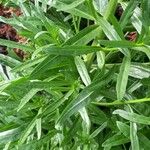
Reseda luteola
ورث زردنما، اسپرک · Weld · Dyer's rocket · Wild mignonette · Dyer's weed
Description
Source: leafsnapReseda luteola is a plant species in the genus Reseda. Common names include dyer's rocket, dyer's weed, weld, woold, and yellow weed. A native of Europe and Western Asia, the plant can be found in North America as an introduced species and common weed. While other resedas were used for the purpose, this species was the most widely used source of the natural dye known as weld. The plant is rich in luteolin, a flavonoid which produces a bright yellow dye. The yellow could be mixed with the blue from woad (Isatis tinctoria) to produce greens such as Lincoln green.
Care Guide
💧 Water
Dyer's weed thrives in its natural environment when watered weekly, which meets its moisture requirements. It prefers well-draining soil to encourage healthy root development and prevent waterlogging. This quality makes it suitable for both indoor and outdoor growth, promoting its overall vitality.
How should I water my Dyer's weed in the most effective way?
To properly water the Dyer's weed plant, it is important to follow a few guidelines. Firstly, use filtered water at room temperature or slightly warmer. Tap water may contain particles that can harm the plant. Secondly, avoid overhead watering as it can cause problems with the foliage. Instead, apply the filtered room temperature water directly to the soil until it is completely soaked. This helps to moisten the roots and allows them to spread and collect necessary nutrients. Lastly, keep in mind that the Dyer's weed plant prefers warmer water, as it originates from a warm environment. Cold water can be a shock to its system.
What should I do if I give my Dyer's weed too much or too little water?
Both overwatering and underwatering can harm the health of your Dyer's weed, but overwatering is more common. When overwatered, the plant's stems and leaves may wilt and turn yellow. Overwatering for a long time can also cause diseases like root rot, mold, and mildew, which can kill the plant. Underwatering is less common because Dyer's weeds can tolerate drought. However, it is still possible, and underwatered plants will have brittle, brown leaves. It's important to spot signs of overwatering early on. Some diseases caused by overwatering, like root rot, may not be fixable if you wait. If you notice early signs of overwatering, reduce your watering immediately. Check the soil quality and replace it if it drains poorly. If you see signs of underwatering, simply water more regularly until the signs disappear.
How frequently should I water my Dyer's weed?
If your Dyer's weed is in a pot, the best way to check if it needs water is to stick your finger in the soil. If the top two to three inches of the soil are dry, then it's time to water it. If you're growing Dyer's weed outside in the ground, you can use the same method to check the soil. Once you find that the top few inches of soil have dried out, it's time to water. In the spring and early fall, you'll likely need to water this plant about once a week using this method. However, during very hot weather, you may need to water it twice or even more often per week. Keep in mind though that mature, well-established Dyer's weed can handle drought quite well.
How much water does my Dyer's weed plant need?
When watering your Dyer's weed, it's important to not hold back on the amount of water you give. Make sure the first two to three inches of soil are dry before watering, and then give the plant a thorough soaking. The goal is to completely saturate the soil, so add enough water that it flows out of the drainage holes at the bottom of the pot. If you don't see any excess water draining, you probably haven't watered enough. On the other hand, be careful not to let the water accumulate in the soil, as this can harm the plant. If there's no water draining from the pot, it could mean that the soil is not draining properly, which is not good for the plant's health. If the plant is outdoors, it generally needs about 1 inch of rain per week.
How do I water my Dyer's weed when it is growing at different stages?
The water requirements of the Dyer's weed vary based on its growth stages. In the first few years and after transplanting, the plant focuses on developing new roots, which requires more watering than usual. As the plant matures, it will need less water. Additionally, during the bloom period, the Dyer's weed uses a lot of moisture for flower development, so extra watering may be necessary at this time.
☀️ Light Full sun
Dyer's weed does best with strong sunlight, though it can also grow with less light. Sun intensity affects how vigorously it develops, but there is no obvious difference in light requirements between the seedling and mature stages. In its native habitat, dyer's weed is found in areas with plenty of sun. Still, too much or too little light can be detrimental to the plant's health.
What are the sunlight requirements for Dyer's weed?
Dyer's weed thrives best in conditions of full sun, requiring more than 6 hours of sunlight daily, but it can also grow in partial sun, with about 3-6 hours of sunlight. The plant's origin habitat involves ample sun exposure, highlighting the importance of the sun for its growth and health. Despite its flexibility, the sun's intensity plays a significant role in its development from seedling to maturity, with no noticeable difference in sunlight requirements between these stages. However, both too much or too little light can have adverse effects on the plant's health.
How can artificial lighting support Dyer's weed indoors?
Indoor Dyer's weed plants require adequate lighting to ensure optimal growth, especially when natural sunlight is insufficient, such as in winter or in less sunny spaces. Artificial lighting, such as LED lights, can be customized to provide the specific wavelengths of light the plants need, supporting faster, healthier growth. For plants accustomed to full sun, 30-50W/sq ft of artificial light is recommended; partial sun plants will need 20-30W/sq ft, and full shade plants 10-20W/sq ft. The artificial light source should be placed 12-36 inches above the plant, mimicking natural sunlight as much as possible, and ensuring the plants receive 8-12 hours of light per day.
What are the symptoms of inadequate sunlight for Dyer's weed?
Dyer's weed may exhibit several symptoms when grown in conditions of inadequate light, including smaller new leaves, leggy or sparse growth, faster leaf drop, slower or halted growth, lighter-colored new leaves, and conditions like chlorosis, sunscald, leaf curling, wilting, and leaf scorching. These symptoms indicate a light deficiency affecting the plant's ability to photosynthesize effectively, conserve resources, and maintain overall health.
How can I manage light conditions for Dyer's weed?
To ensure Dyer's weed receives optimal light conditions, gradually move plants to locations with at least 6 hours of direct sunlight daily. For indoor plants, use a south-facing window, keep curtains open during the day, or use artificial light sources like desk or ceiling lamps for at least 8 hours daily. Outdoors, avoid sudden changes in light exposure to prevent sunburn. Reduce obstructions by pruning trees or bushes that block sunlight and consider transplanting smaller plants during their dormant period to better-lit locations. Note that parts of the plant affected by insufficient light may not recover, but new growth should be healthy with improved light conditions.
🌡️ Temperature 5–35°C
Dyer's weed originates from areas with temperatures between 68 and 95 °F (20 and 35 ℃). It favors moderate warmth and can tolerate seasonal shifts. Making small adjustments to care during extreme temperatures can encourage healthy growth.
What is the ideal temperature range for growing Dyer's weed?
Dyer's weed thrives best in regions where temperatures range from 68 to 95°F (20 to 35°C). It prefers moderate heat and can adapt well to seasonal changes. Slight adjustments in care during extreme temperatures can help maintain its healthy growth.
How does Dyer's weed handle cold weather?
Dyer's weed displays strong resistance to cold, eliminating the need for special frost protection in most cases. However, if temperatures are anticipated to fall below -25°C, it is important to implement cold protection strategies. This can include covering the plant with insulating materials like soil or straw. Additionally, watering the plant generously before the first freeze of autumn, ensuring the soil remains moist and enters a frozen state, can help prevent water scarcity and drought for the plant during winter and early spring.
What should be done if Dyer's weed experiences temperatures below its cold tolerance?
If Dyer's weed is exposed to temperatures below its cold tolerance level (below -25°C), it's crucial to monitor for a lack of or decreased sprouting during spring. In such cases, removing any parts that have failed to sprout in spring is recommended to maintain the health and appearance of the plant.
How should Dyer's weed be cared for during high temperatures?
During the summer, it's important to ensure that Dyer's weed is not exposed to temperatures above 35°C. Exposure to temperatures above 38°C may result in lighter leaf color, curling leaves, susceptibility to sunburn, and in severe cases, wilting and drying of the entire plant. To mitigate these issues, trim away sunburned and dried parts, move the plant to a shaded location or use a shade cloth to protect it from the midday and afternoon sun, and water it in the mornings and evenings to keep the soil moist.
What are the botanical characteristics of Dyer's weed?
Dyer's weed, scientifically known as Reseda luteola, is a plant known for its adaptability to various temperature ranges and conditions. It exhibits resilience to colder climates and has specific care requirements during extreme weather to ensure its healthy growth and development.
💨 Humidity
🪴 Soil 6-7
🌱 Fertilizer
Dyer's weed requires regular feeding to encourage flowering but does not tolerate excessive fertilizer. It needs light, frequent applications of fertilizer throughout its life, especially during the main period of active growth and while it is flowering. You will feed your Dyer's weed until they stop blooming.
Why should I put fertilizer on my Dyer's weed?
Dyer's weed plants are known for their vibrant and leafy foliage, which requires nitrogen and potassium for rapid growth. Additionally, nitrogen aids in promoting taller and fuller plants by supporting root development and anchoring them into the soil.
When should I put fertilizer on my Dyer's weed?
Dyer's weed are heavy feeders due to their fast growth, large leaves, and high water content. As a result, they require lots of nutrients throughout the growing season. If you don't provide fertilizer, you will notice deficiency symptoms and the plant's growth will suffer. It used to be believed that Dyer's weed needed fewer nutrients in the fall when their colors changed. However, research has shown that a small amount of nitrogen fertilizer is beneficial even after maturity. This won't significantly affect coloration and will prevent the bottom leaves from turning yellow and falling off.
When is it not a good idea to use fertilizer on Dyer's weed?
Fertilizer can sometimes harm Dyer's weed instead of helping it, especially when the plant is already stressed for other reasons. To prevent further damage, avoid fertilizing if the plant is struggling with diseases or insect problems. Adding fertilizer can weaken the plant's defenses, making it more susceptible to other pests or diseases. Additionally, do not fertilize when the soil surface is hardened or dry as this can lead to fertilizer burn on the plant's roots. Prior to fertilizing, it is advisable to water the potting soil until it is slightly moist.
What kind of fertilizer does my Dyer's weed need?
Fertilizers contain important nutrients like nitrogen, potassium, phosphorus, iron, manganese, and zinc. These nutrients are necessary for promoting the growth of Dyer's weed. A balanced fertilizer, like one with a 10-10-10 NPK ratio, is effective for Dyer's weed. Natural fertilizers like blood meal or worm castings can also be used. If you want to prioritize leaf growth, you can opt for a fertilizer with higher nitrogen content, such as fish fertilizer. It's important to tailor the fertilizer to your specific goal for growing Dyer's weed.
How should I give fertilizer to my Dyer's weed?
If you are growing container plants with potting soil that contains slow-release fertilizer, you don't need to fertilize the seeds when planting. The initial fertilizer in the soil, along with the nutrients in the seed, is enough for the first couple of weeks. However, if your potting soil does not have fertilizer, you should add a small amount of slow-release starter fertilizer to the potting mix before filling your containers. Once your plants are about four weeks old, you should begin fertilizing them every two weeks at a rate of one-third to one-half of the recommended amount specified on the product label. Keep up with this schedule until the plants reach full maturity. Once the plants are fully mature, you can reduce the frequency of fertilization to once every three to four weeks, using the same diluted strength. Alternatively, you can fertilize at a rate of one-quarter of the recommended amount every two weeks.
🪴 Pot & Repot Every 12 months
✂️ Pruning
Dyer's weed is a biennial herb recognized for its tall spikes and yellow-green flowers. To encourage bushier growth, prune it in the spring. Be sure to remove any dead stems and cut back the spent stalks to prevent the plant from self-seeding. Using clean and sharp tools can help prevent disease and promote the plant's healing.
🌿 Propagating
🐛 Diseases & pets
☠️ Toxicity
Characteristics
- Plant Type
- Herb
- Life Cycle
- Biennial, Perennial
- Genus
- Reseda
- Family
- Resedaceae
- Hardiness Zone
- 5-9
- Mature Height
- 40 cm to 76 cm
- Mature Spread
- 49 cm
- Leaf Color
- Green, Yellow, Bronze
- Leaf Type
- Semi-evergreen
- Flower Color
- Yellow
- Flower Size
- 2.54 cm
- Bloom Time
- Late spring, Early summer, Mid summer
- Planting Time
- Spring, Summer
- Harvest Time
- Mid summer
- Native Area
- Libya, Egypt, Turkey, Austria, Sweden, Slovakia, Montenegro, Pakistan, Croatia, Slovenia, Morocco, Uzbekistan, Russia, Iraq, Germany, Romania, Belgium, Netherlands, Portugal, France, Tajikistan, Tunisia, Czech Republic, Cyprus, Bulgaria, Poland, Armenia, Greece, Serbia, Lebanon, Afghanistan, Syria, Italy, Kazakhstan, Spain, Switzerland, Denmark, Iran, Albania, Ireland, United Kingdom, Hungary, Algeria, Azerbaijan, Turkmenistan