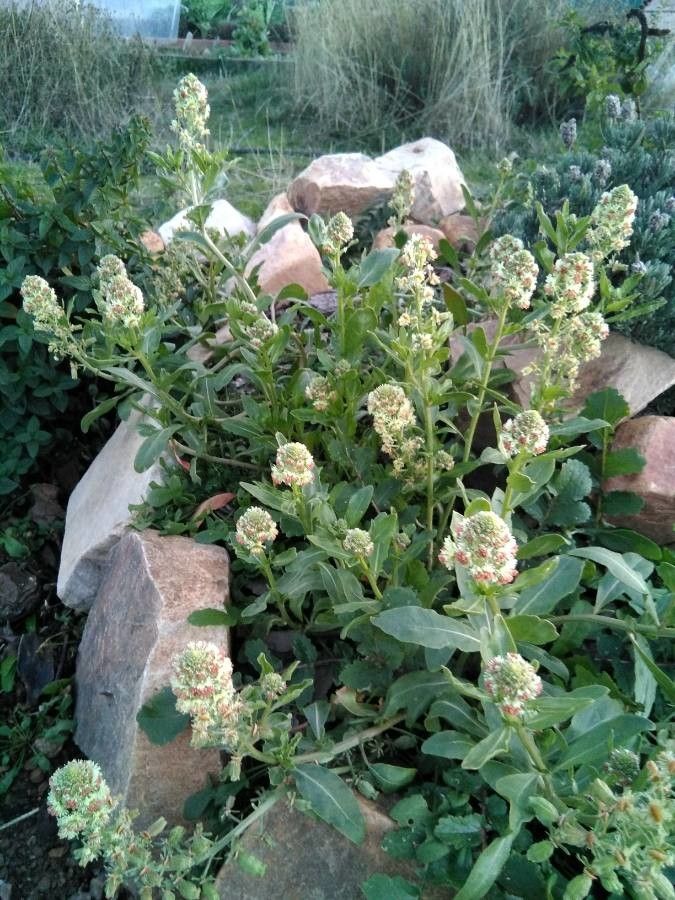
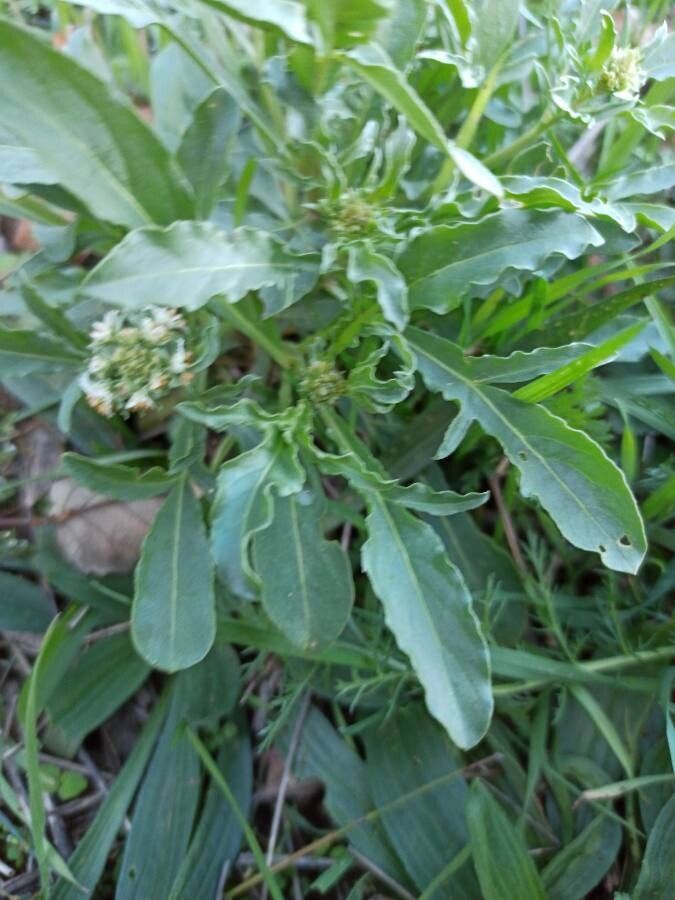
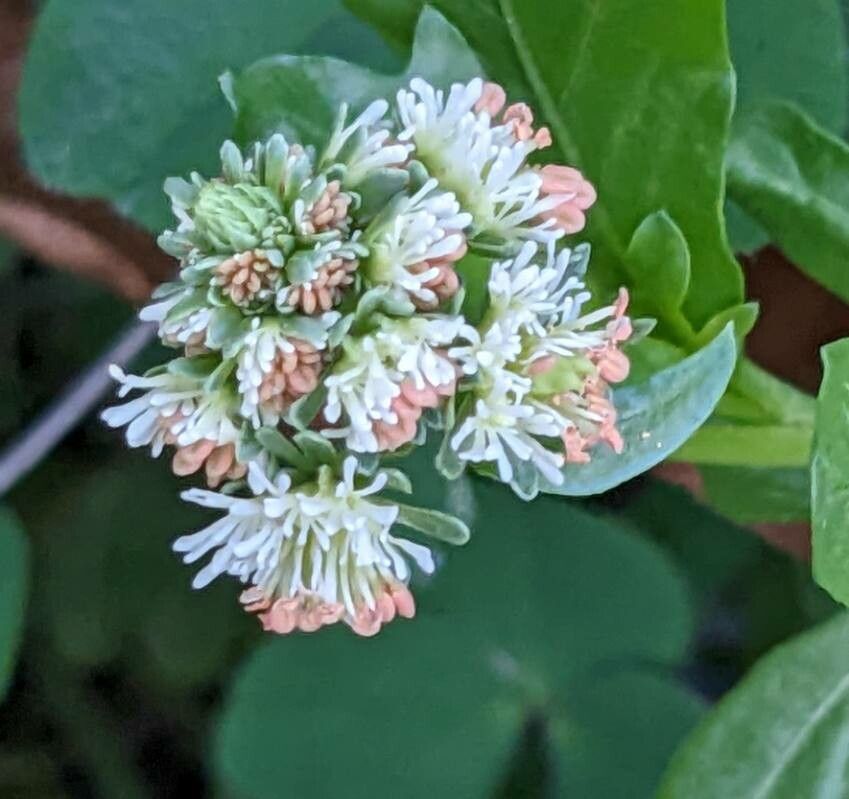
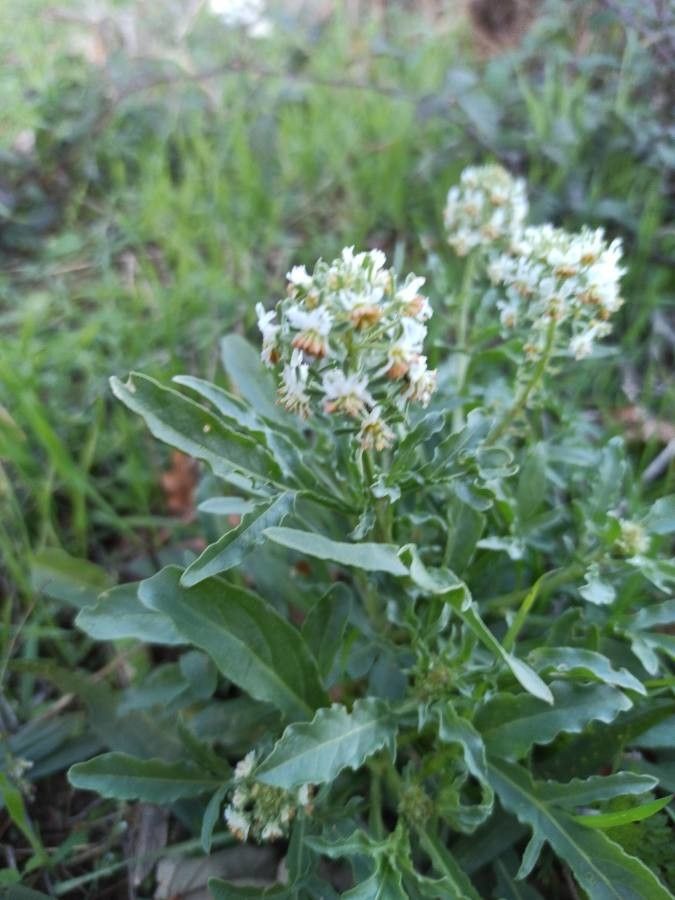
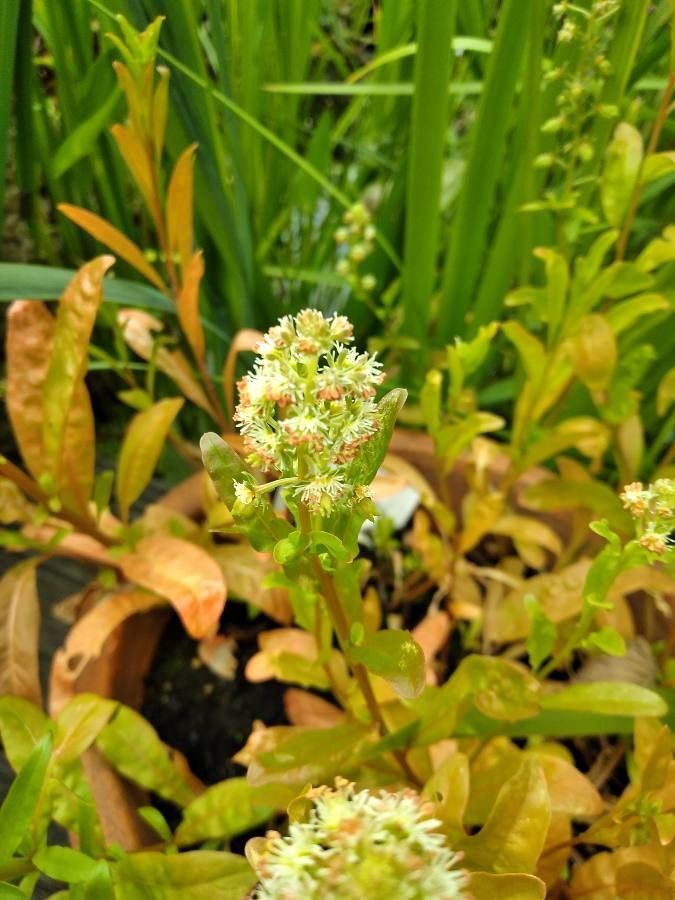
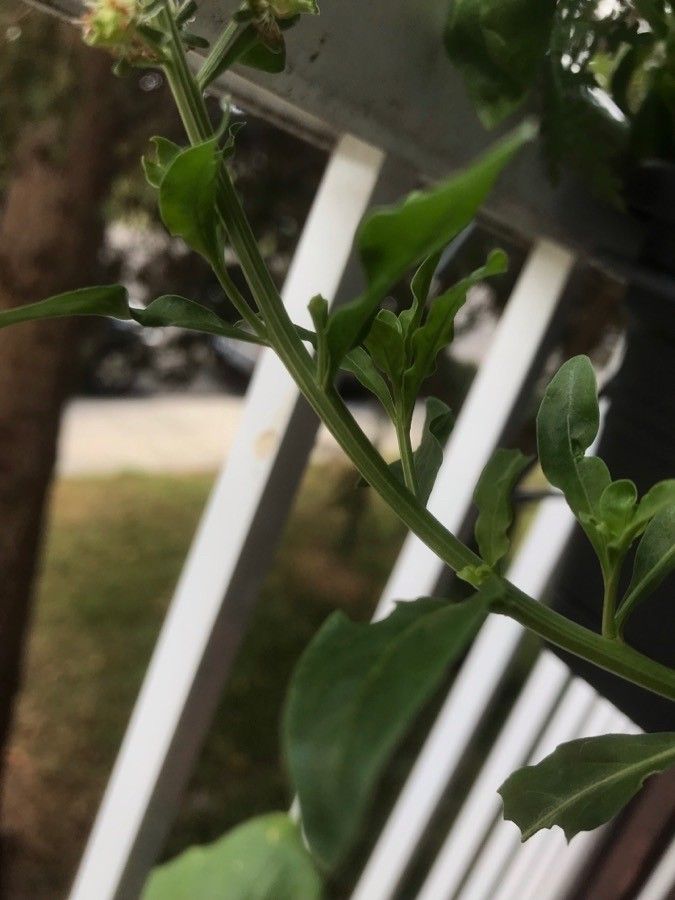
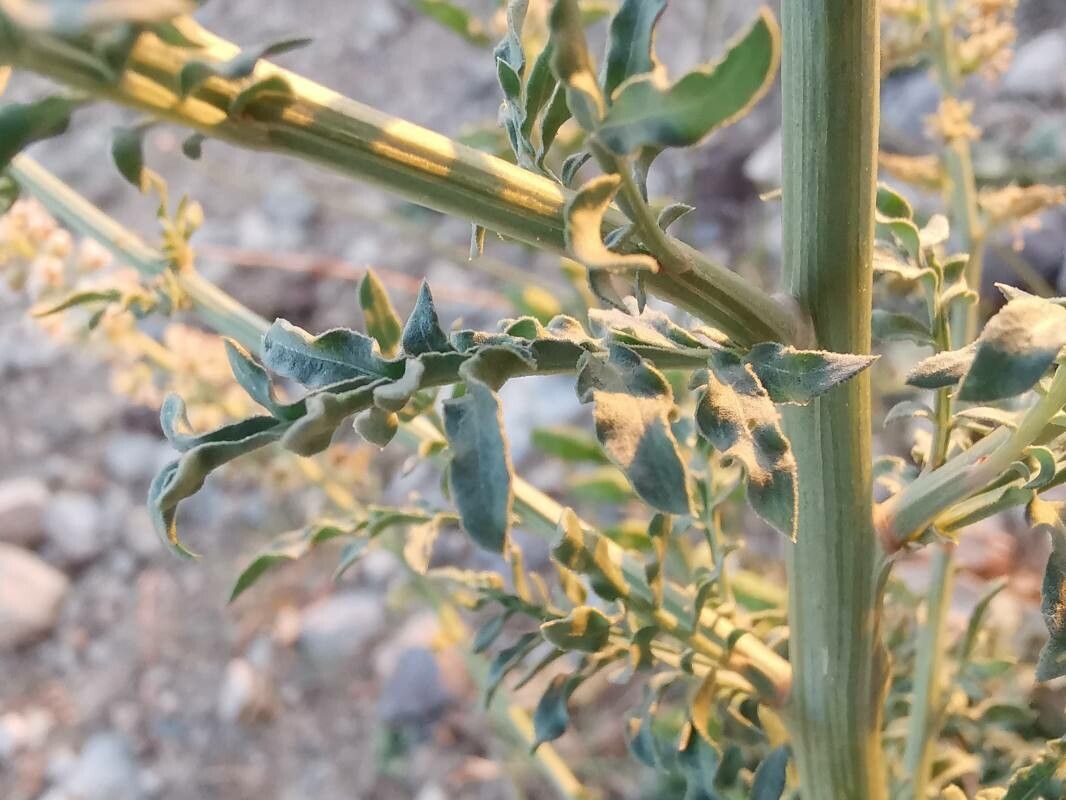
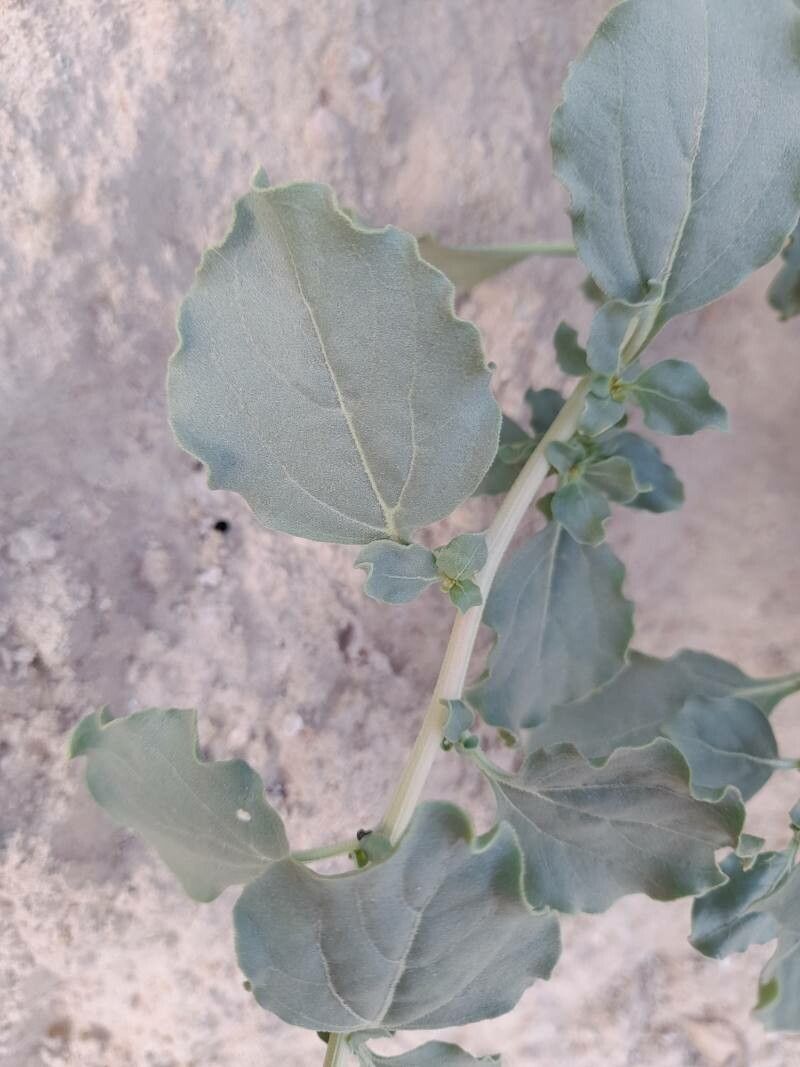
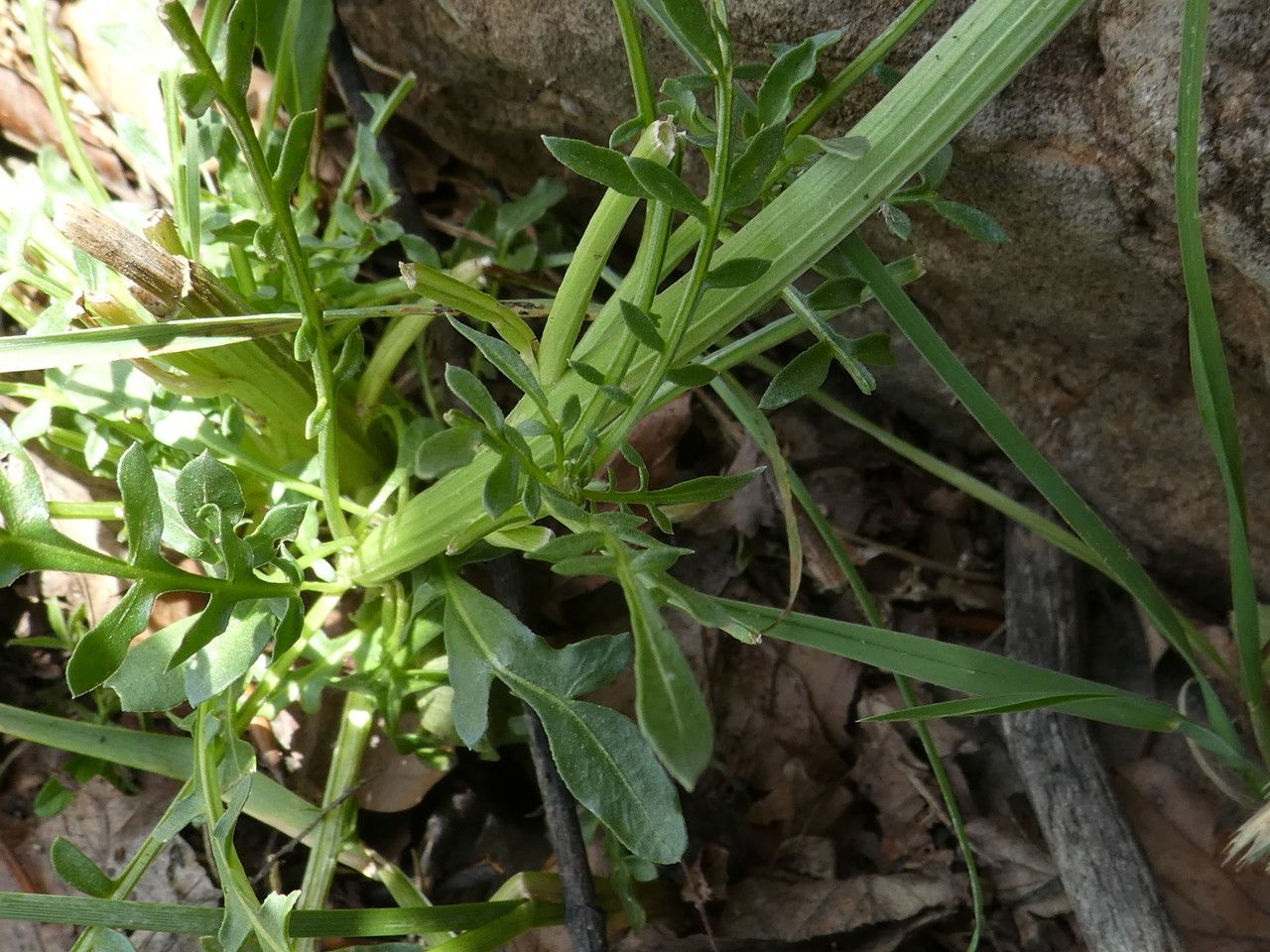
Reseda odorata, commonly known as mignonette, is a fragrant flowering plant that belongs to the Resedaceae family. Native to the Mediterranean region, it has been cultivated for its sweet scent since ancient times. The plant can grow up to 60 cm tall and has small green leaves arranged alternately on the stem. Its small, greenish-yellow flowers are grouped in clusters on long spikes that emerge from the stem. Mignonette blooms from late spring through summer, producing a sweet fragrance that attracts bees, butterflies, and other pollinators.
The plant prefers well-drained soil with full sun exposure but can also tolerate partial shade. It is easy to grow from seeds or cuttings, though it requires regular watering during dry periods for optimal growth.
Mignonette has been used for centuries as a natural perfume ingredient due to its sweet scent, which resembles honey or vanilla with hints of spice or fruitiness, depending on the variety of Reseda odorata. Its essential oil is also employed in aromatherapy for its calming properties.
In addition to its ornamental value, mignonette possesses medicinal properties. Traditionally, it was used as an herbal remedy for various ailments such as headaches, coughs, and fevers.
Overall, Reseda odorata remains an important ornamental plant today due to its fragrance, which makes it popular among gardeners looking to fill their gardens with pleasant scents during the summer months. Its medicinal uses further add to its significance as an important herbaceous species globally.
Garden mignonette is fairly disease-resistant and typically does not suffer from many illnesses. Still, it can be affected by pests and diseases present in its environment, though such problems are generally mild. Regarding upkeep, this plant needs a moderate amount of care. Regular pruning is necessary to preserve an attractive appearance and encourage healthy growth. Applying fertilizer can also help increase flowering. Garden mignonette is appropriate for anyone with outdoor areas like a garden or patio and does not demand extensive gardening experience. It may need extra attention if cultivated indoors.
How to keep Reseda Odorata.
Light
Garden mignonette comes from bright, open habitats and does best in full sun. It will tolerate partial sun but prefers direct sunlight for optimal growth. This annual or biennial plant is recognized for its sun-loving character.
Water
The garden mignonette, native to the Mediterranean region, thrives in semi-arid conditions. It is moderately drought-tolerant and prefers well-draining soil. For optimal growth, water it weekly. Although it benefits from natural rainfall, it requires good drainage to prevent moisture-related issues. Garden mignonette is best suited for outdoor cultivation.
Temperature
Garden mignonette can withstand a wide range of temperatures, yet its distribution may still be constrained by certain combinations of moisture and heat. It does best in warm summer climates with adequate rainfall or watering. Extended periods of cloudy and rainy weather, as well as prolonged high temperatures, can raise the likelihood of Garden mignonette dying. In winter, giving proper protection from cold can improve the plant’s survival rate.
Fertilizer
When most of the Garden mignonette blooms have opened to full size, resume fertilizing. Around the time of peak bloom, apply fertilizer again every three to four weeks, as weather permits. Then, once Garden mignonette begins producing fewer new blooms, stop fertilizing; there’s no need to fertilize when the plant can’t produce any more flowers.
Pruning
Garden mignonette is a fragrant flowering plant known for its colorful blossoms. To keep it healthy and attractive, prune between early and late spring. Start by removing any damaged stems and thinning out crowded areas to improve air circulation. Light pruning not only promotes growth and flowering but also helps the plant maintain a bushy appearance. Be sure to follow horticultural guidelines for the most effective pruning.
Botanical profile.
- Plant Type
- Herb
- Life Cycle
- Annual, Perennial, Biennial
- Genus
- Reseda
- Family
- Resedaceae
- Hardiness Zone
- 7-10
- Mature Height
- 30 cm
- Mature Spread
- 30 cm
- Leaf Color
- Green
- Leaf Type
- Deciduous
- Flower Color
- Yellow, Green, White, Red
- Flower Size
- 0.51 cm to 1.02 cm
- Bloom Time
- Mid spring, Late spring, Summer, Fall
- Planting Time
- Spring, Summer, Autumn
- Harvest Time
- Summer, Fall, Early winter
- Native Area
- Libya, Greece
Other names.
Reader questions.
How should I water my Garden mignonette in the best way?
To water Garden mignonette, you have a few options: a garden hose with a spray nozzle, a watering can, or any common watering tool. This plant isn't too picky about its water source, whether it's rainwater, tap water, or filtered water. It's generally best not to water this plant overhead to avoid damaging the leaves, flowers, and potential disease. A drip irrigation system works well for watering Garden mignonette as it evenly and directly applies water to the soil. For container-grown Garden mignonette, you can use a cup, watering can, or tap water to water the soil directly.
What are the sunlight requirements for Garden Mignonette (Reseda odorata)?
Garden Mignonette, known botanically as Reseda odorata, thrives in environments with full sun, which means it requires above 6 hours of sunlight daily for optimal growth. It can also tolerate partial sun, roughly about 3-6 hours of sunlight. When planning your garden, observe the movement of sunlight throughout the area to ensure that you select locations that provide an adequate balance of light and shade, key to the happiness and health of your plants.
What should I do if I give too much or too little water to my Garden mignonette?
To fix underwatering for Garden mignonette, simply start watering it more regularly when you notice it lacks moisture. Overwatering, on the other hand, can be a bigger problem if not caught early. Overwatered Garden mignonette can get diseases that cause it to decline and eventually die. To avoid this, make sure to choose a suitable spot with plenty of sunlight to dry the soil and good drainage to prevent water from pooling. If you overwater Garden mignonette in a pot, consider changing it to a new pot with better drainage. Fill it with loose soil and ensure the pot drains efficiently while repotting the overwatered plant.
How essential is sunlight for the growth of Garden Mignonette?
Sunlight is crucial for the growth of Garden Mignonette as it originates from bright, open habitats where it flourishes under direct sunlight. Though capable of tolerating partial sun, Garden Mignonette shows a preference for full sun conditions for optimal growth. This annual and biennial plant deeply appreciates the sun's rays for its development and flowering.
How frequently should I water my Mignonette Garden?
To keep your Garden mignonette healthy, it is important to water it regularly. In spring, watering once a week is sufficient. However, as the weather gets warmer, you may need to water it two to three times a week. It's important not to exceed this frequency as it can harm the plant. Remember to keep the soil moist but not too wet. If your Garden mignonette is in a pot, you'll need to water it more often compared to if it were in the ground. Generally, watering a potted Garden mignonette a few times a week is recommended, whereas once a week is enough for an in-ground plant.
What artificial lighting requirements do indoor Garden Mignonette plants have?
Indoor Garden Mignonette plants require adequate lighting to grow well, especially when natural sunlight is insufficient, such as during winter or in less sunny locations. Artificial lighting is a suitable substitute, with LED lights being a popular choice due to their ability to mimic the spectrum of sunlight needed by plants. The requirement for artificial light intensity varies: full sun plants need 30-50W/sq ft, partial sun plants need 20-30W/sq ft, while full shade plants require 10-20W/sq ft. The ideal placement for these lights is 12-36 inches above the plant to best imitate natural sunlight, and most plants will benefit from 8-12 hours of artificial light per day.
How much water does my Garden mignonette plant need?
Determining how much water to give to your Garden mignonette can be done in a few different ways. One approach is to feel the soil to gauge its moisture level. If the first six inches of soil feel dry, it's a sign that watering is needed. Another method is to use a set measurement, such as two gallons per week, depending on the heat and rate of soil drying. However, it's important to avoid overwatering if your plant requires less. For container-grown mignonettes, you can check the soil moisture by inserting a finger or watering until excess water trickles out of the drainage holes.
What are the signs of insufficient light in Garden Mignonette?
Garden Mignonette shows several symptoms when it doesn't receive enough light, including smaller new leaves, leggy or sparse growth due to the elongation of spaces between leaves or stems, and accelerated leaf drop as a conservation effort. Additionally, the plant may experience slower or halted growth, lighter-colored or chlorotic leaves due to insufficient chlorophyll, and damage from excessive sunlight such as sunscald, leaf curling, wilting, or leaf scorching. These signs indicate the plant's struggle with inadequate lighting conditions.
How do I know if I am watering my Garden mignonette enough?
Avoiding overwatering your Garden mignonette can be somewhat challenging due to its deep roots, which require weekly watering. However, Garden mignonette is also highly prone to root rot and browning if overwatered. On the other hand, underwatering is less of a concern as these plants can survive for a while without additional watering. But if you wait too long, your Garden mignonette will start wilting and develop dry leaves.
How can I address light deficiency issues in Garden Mignonette?
To combat light deficiency in Garden Mignonette, gradually increase sunlight exposure for both indoor and outdoor plants, aiming for at least 6 hours of direct sun daily. Use south-facing windows and keep curtains open for indoor plants, or supplement with artificial light for 8 hours daily if needed. Outdoor plants should be moved progressively to sunnier spots to prevent sunburn. Reducing obstructions and transplanting to brighter areas can also help. Remember, though some damage from insufficient light won't reverse, new growth following increased light exposure will be healthy.
How do I water my Garden mignonette at different times of the year?
Throughout the gardening season, the water needs of your Garden mignonette will change. In spring, watering once a week is sufficient. However, as summer arrives with its heat, you will need to increase the amount of water given to your mignonette, potentially watering up to three times per week. This is especially important for container-grown mignonette, as the soil in containers tends to dry out faster in warm weather. In autumn, when the temperature drops and the sun is not as intense, your blooming mignonette may require less water.
How do I give my Garden mignonette the right amount of water as it grows?
Garden mignonette goes through different growth stages throughout the year, each with varying water needs. When starting as a seed, it requires more water, so you should water it frequently to maintain consistent soil moisture. After a few weeks, when it grows above the soil, it will need slightly less water. Once the plant is mature, water it about once per week. During flower development, you may need to increase the watering slightly to support the process.