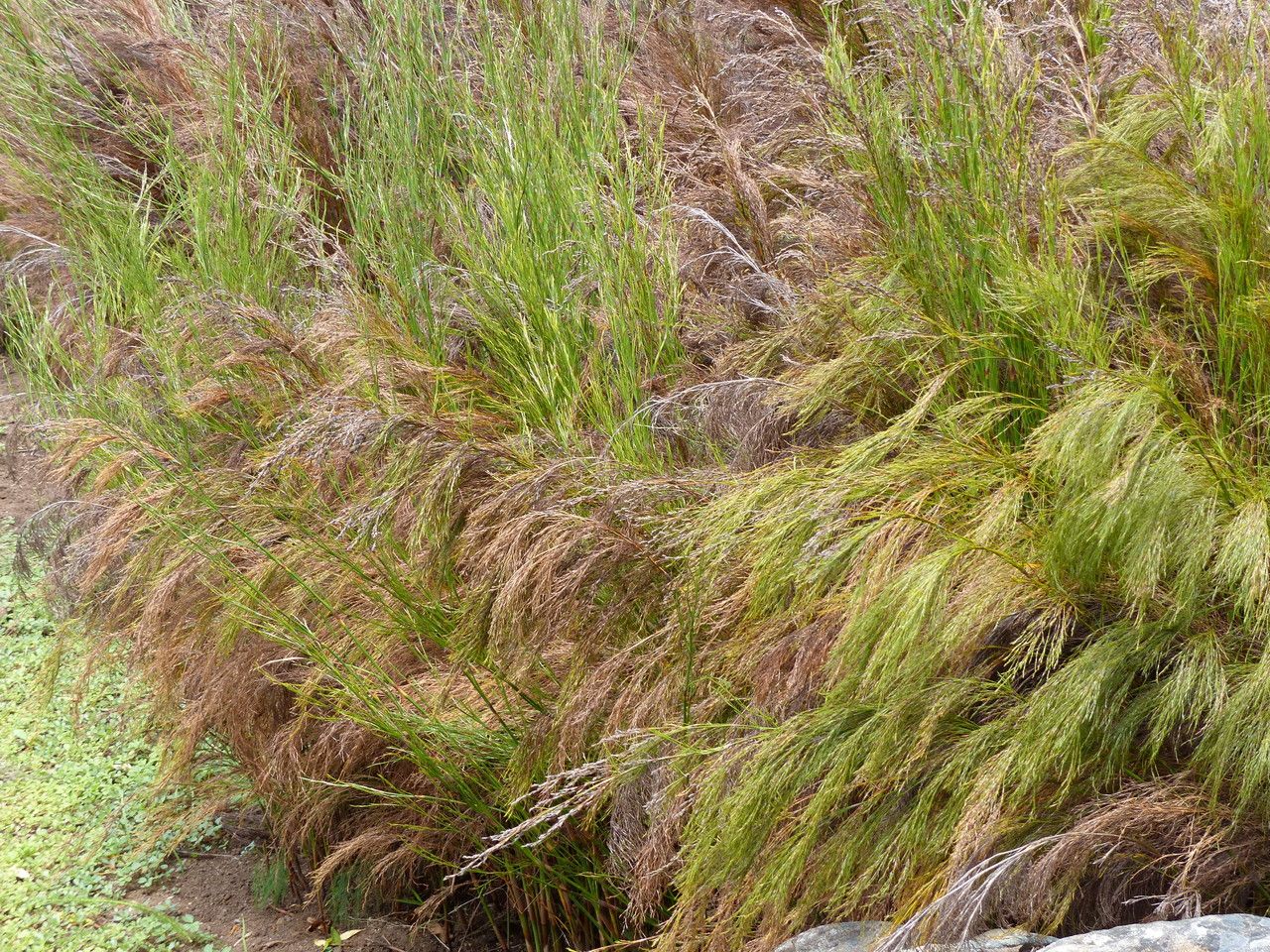
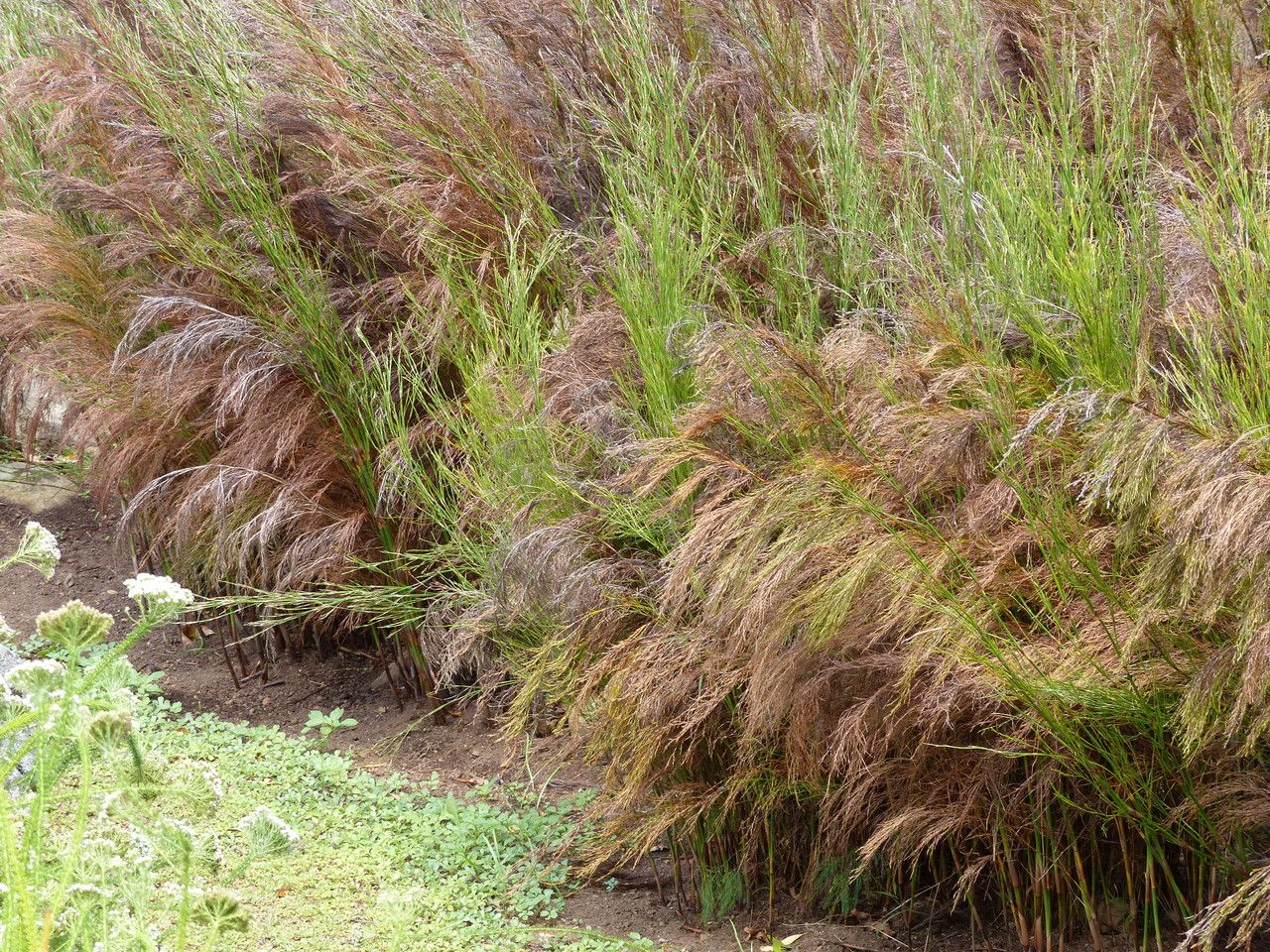
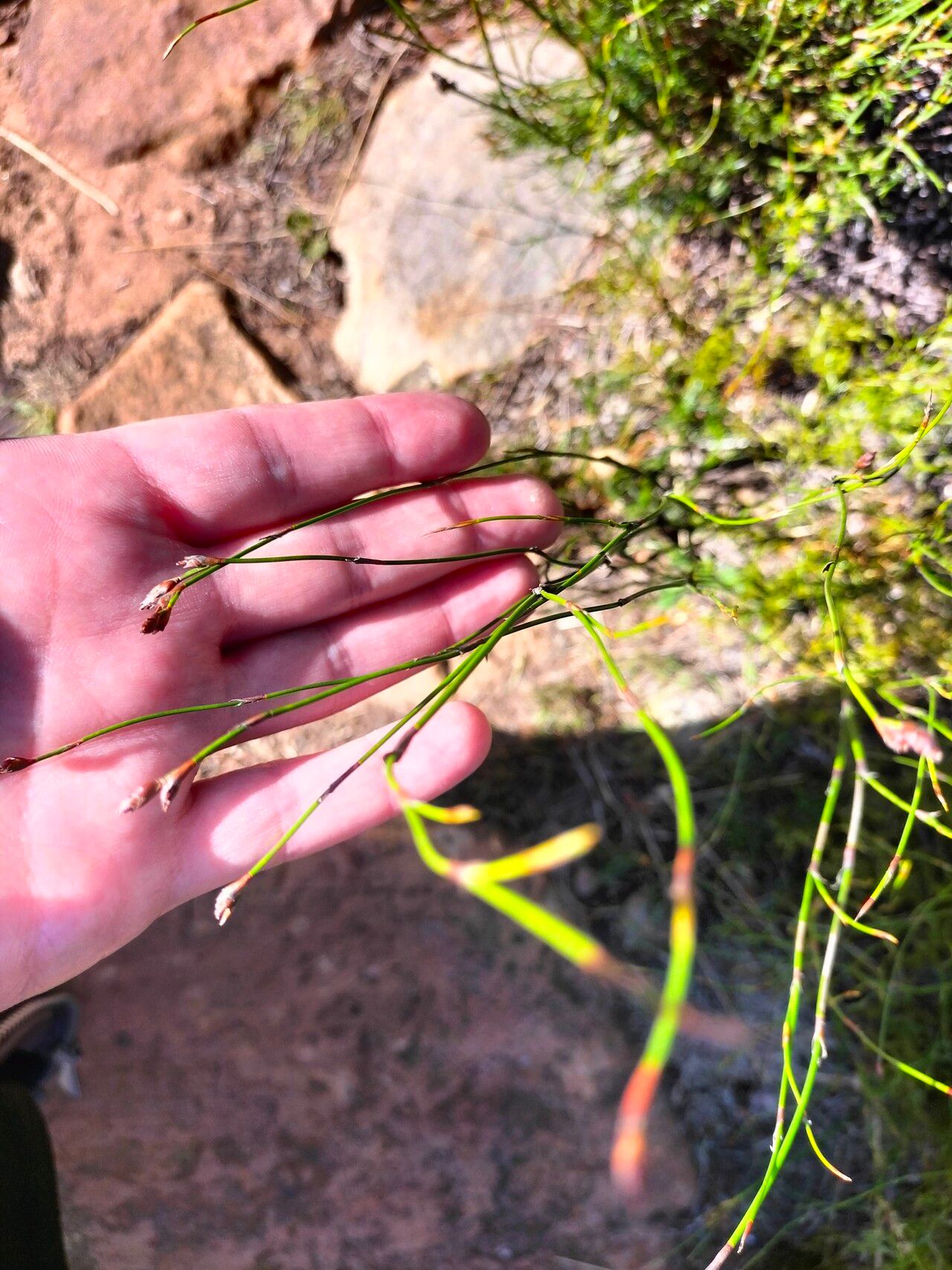
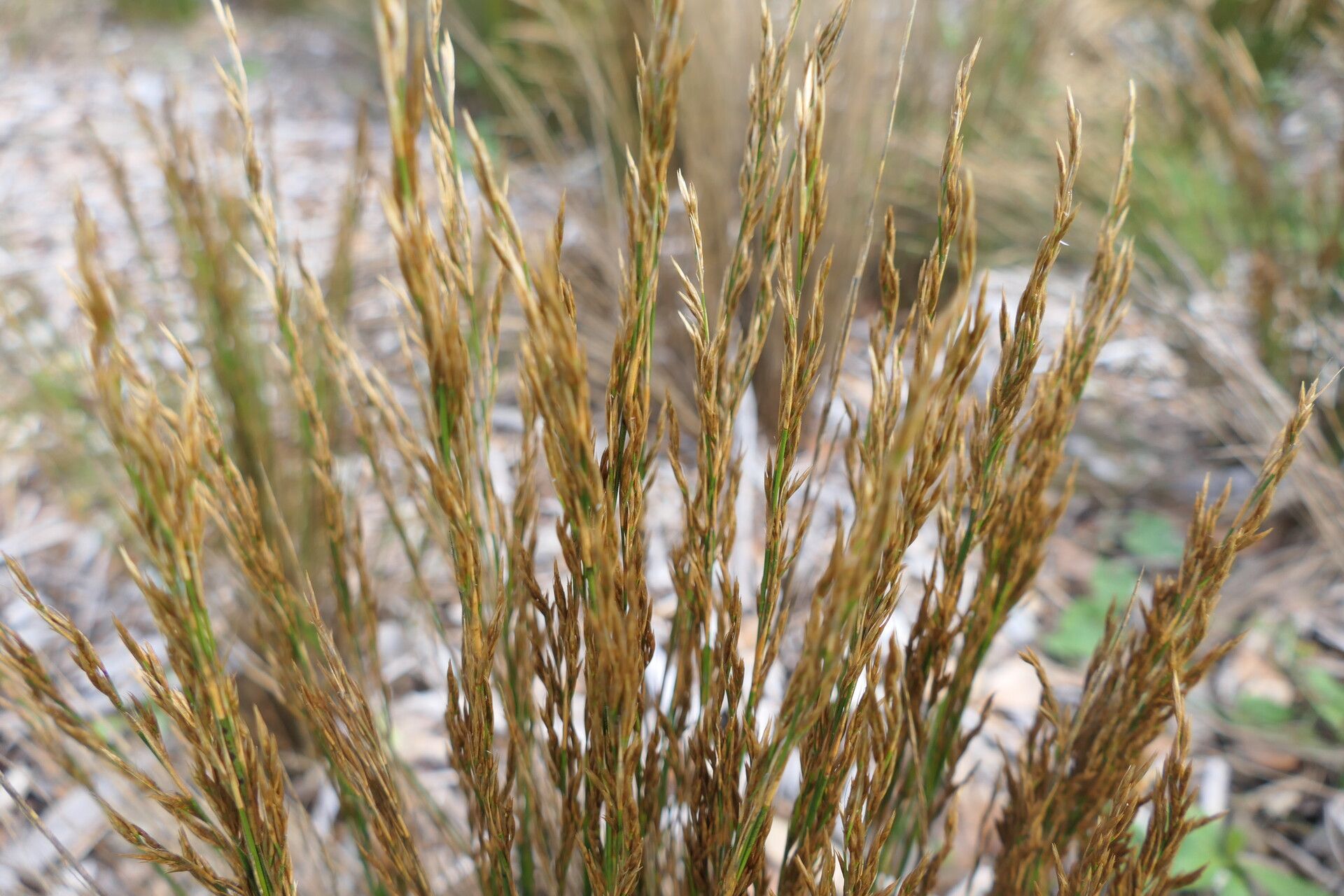
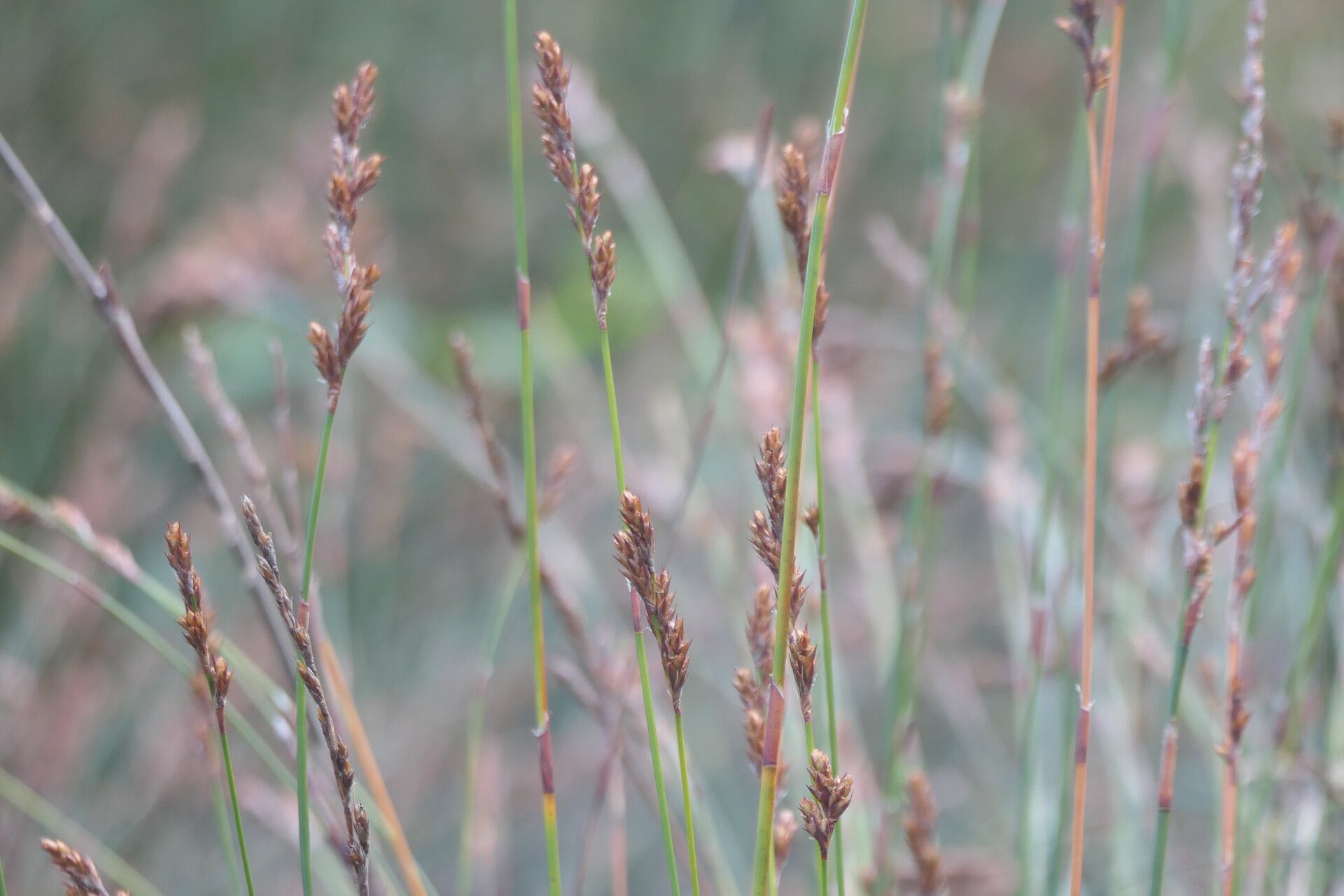
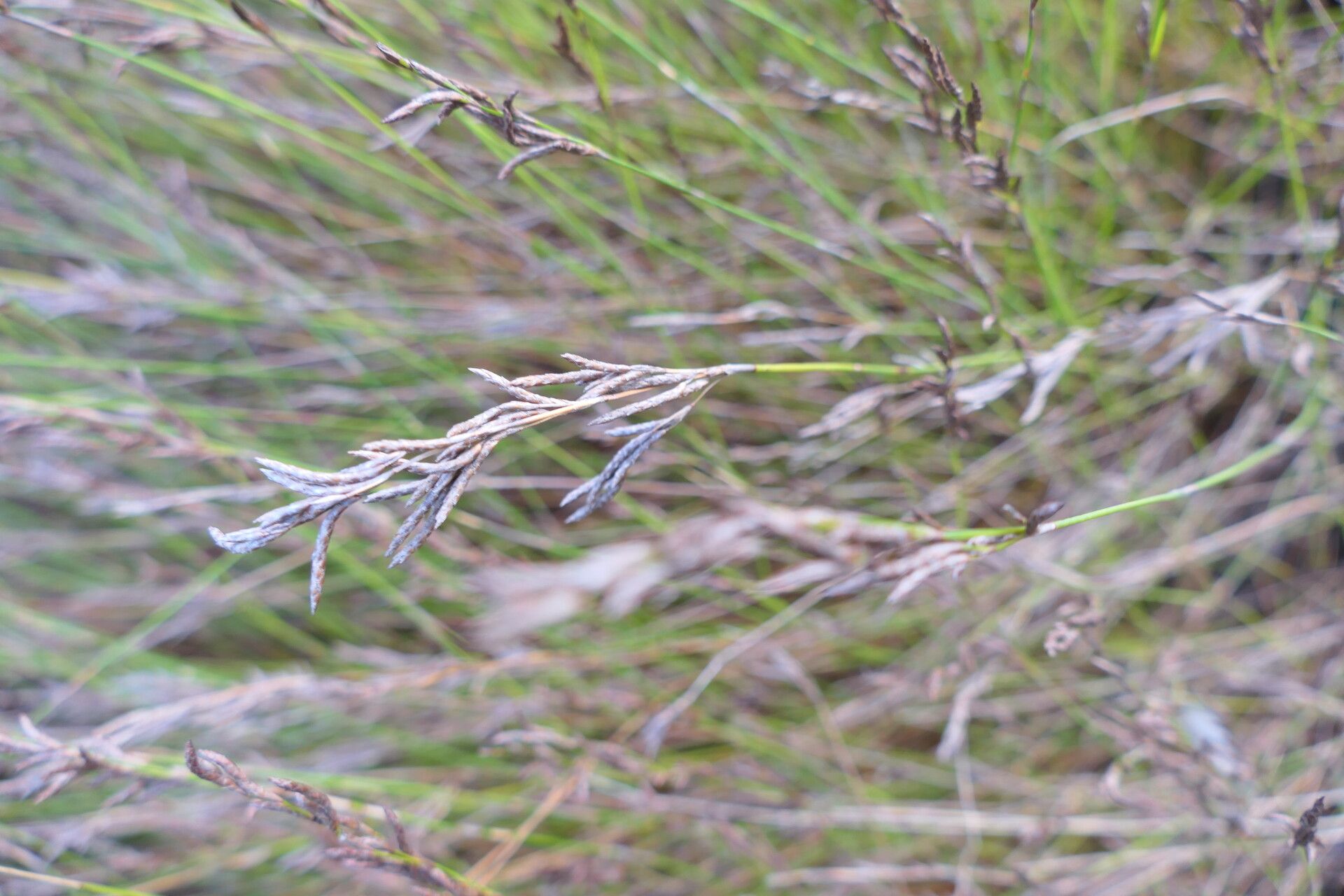
Broom anglereed is highly resistant to disease and is generally unlikely to be affected by illnesses. In terms of care, this plant is fairly low-maintenance. When grown outdoors it needs little watering, and larger plants typically do not require pruning. Smaller plants, however, should be pruned after they have finished blooming. Broom anglereedt is suitable for anyone with an outdoor area, such as a garden or deck, and does not need extensive care experience.
How to keep Restio Paniculatus.
Light
Broom anglereed is a sun-loving, herbaceous perennial native to open habitats, where it frequently grows in meadows and grasslands. It prefers full sun but can also tolerate partial sun.
Temperature
Broom anglereed can tolerate a wide range of temperatures, yet its distribution may still be restricted by various combinations of water and heat conditions. It does best in warm summer climates with adequate rainfall or watering. Prolonged cloudy, rainy periods and extended high temperatures can raise the likelihood of Broom anglereed dying. In winter, suitable protection against cold can improve the plant’s survival rate.
Fertilizer
Broom anglereed needs extra nutrients to encourage healthy new growth. In spring, putting some compost around the base of the plant will effectively supply the nutrition it requires. Fertilizing supports vigorous growth and helps the plant resist diseases and pests.
Pruning
For healthy and attractive broom anglereed, prune the plant in early spring to remove any dead stems. This promotes new growth and improves air circulation, which helps reduce the risk of disease. Cut old, woody stems at the base but keep the healthy ones intact. To achieve the best results, use sharp and clean tools.
Pot & Repot
When repotting Broom anglereed, select a pot 1-2 inches (2.5–5.1 cm) larger with ample drainage. Use a well-draining potting mix. Repot in spring or fall, ensuring the root ball sits slightly lower than the rim of the flower pot. Water thoroughly after repotting and place in a warm spot with indirect sunlight.
Botanical profile.
- Plant Type
- Grass
- Life Cycle
- Perennial
- Genus
- Restio
- Family
- Restionaceae
- Hardiness Zone
- 9-11
- Mature Height
- 2.13 m
- Mature Spread
- 4.88 m
- Leaf Color
- Green
- Leaf Type
- Evergreen
- Flower Color
- Green, Brown
- Bloom Time
- Fall
- Planting Time
- Spring, Summer
- Harvest Time
- Winter
- Native Area
- South Africa