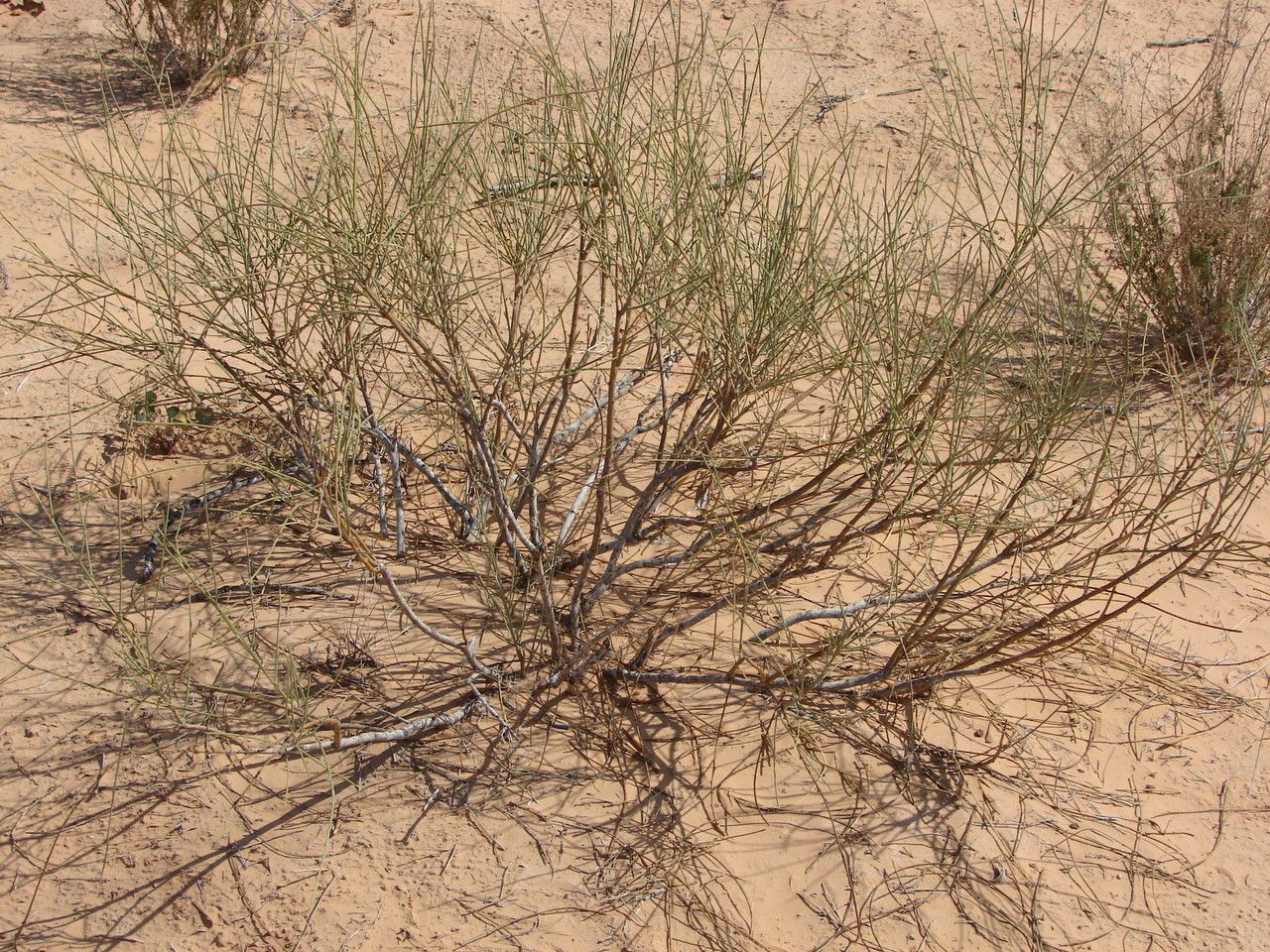
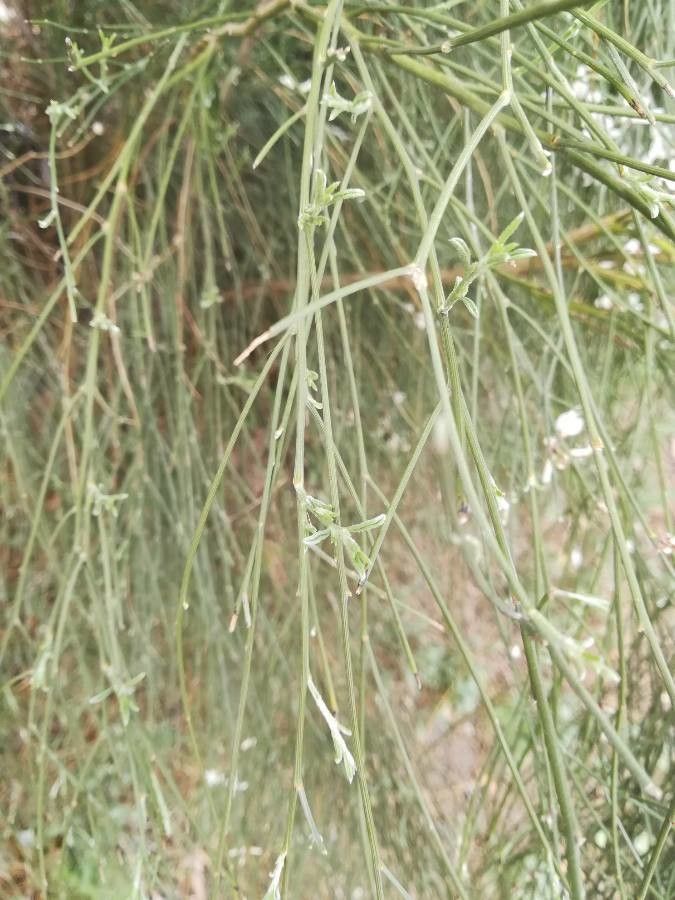
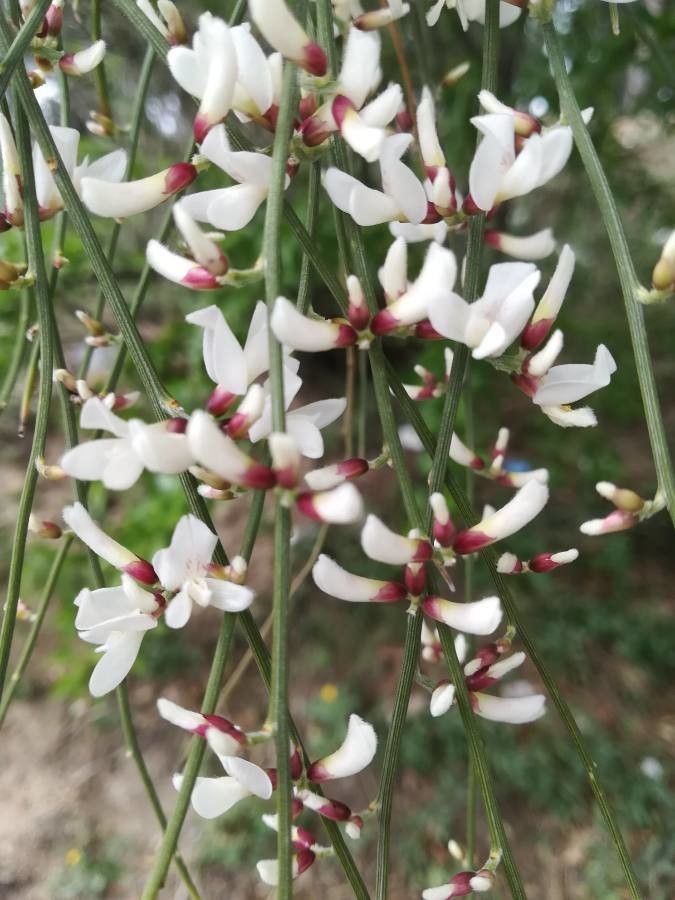
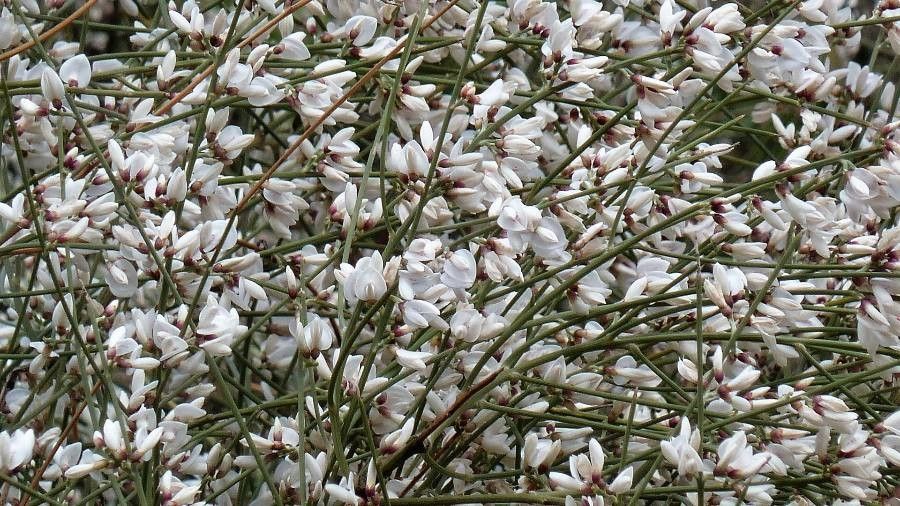
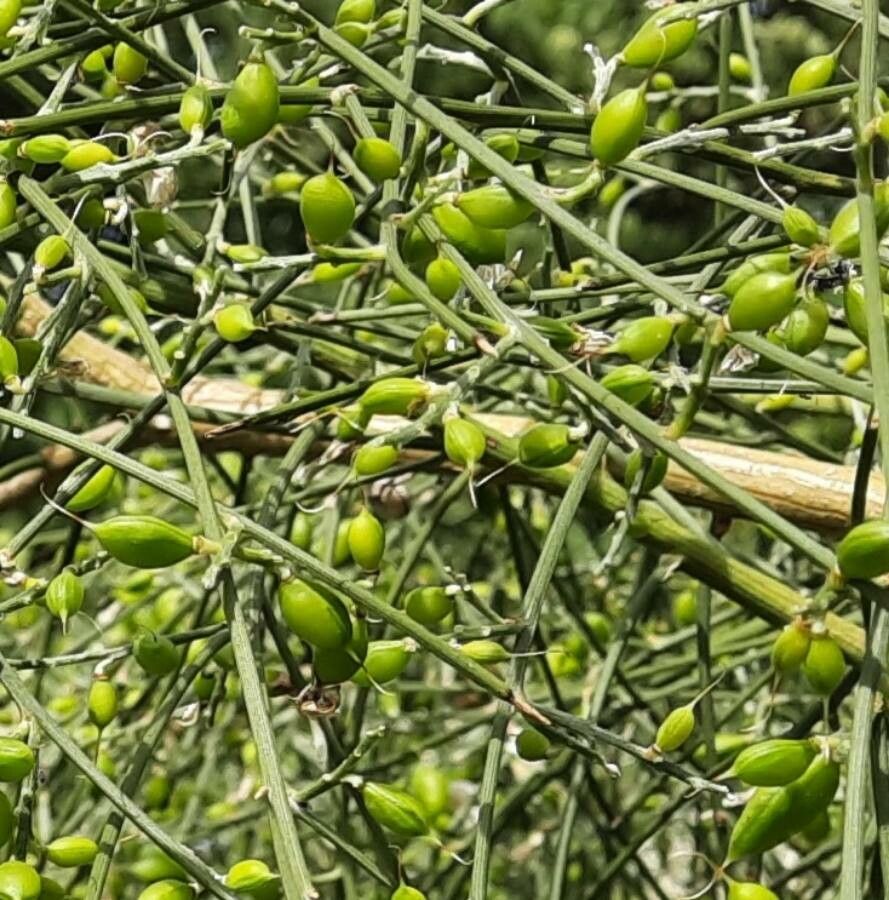
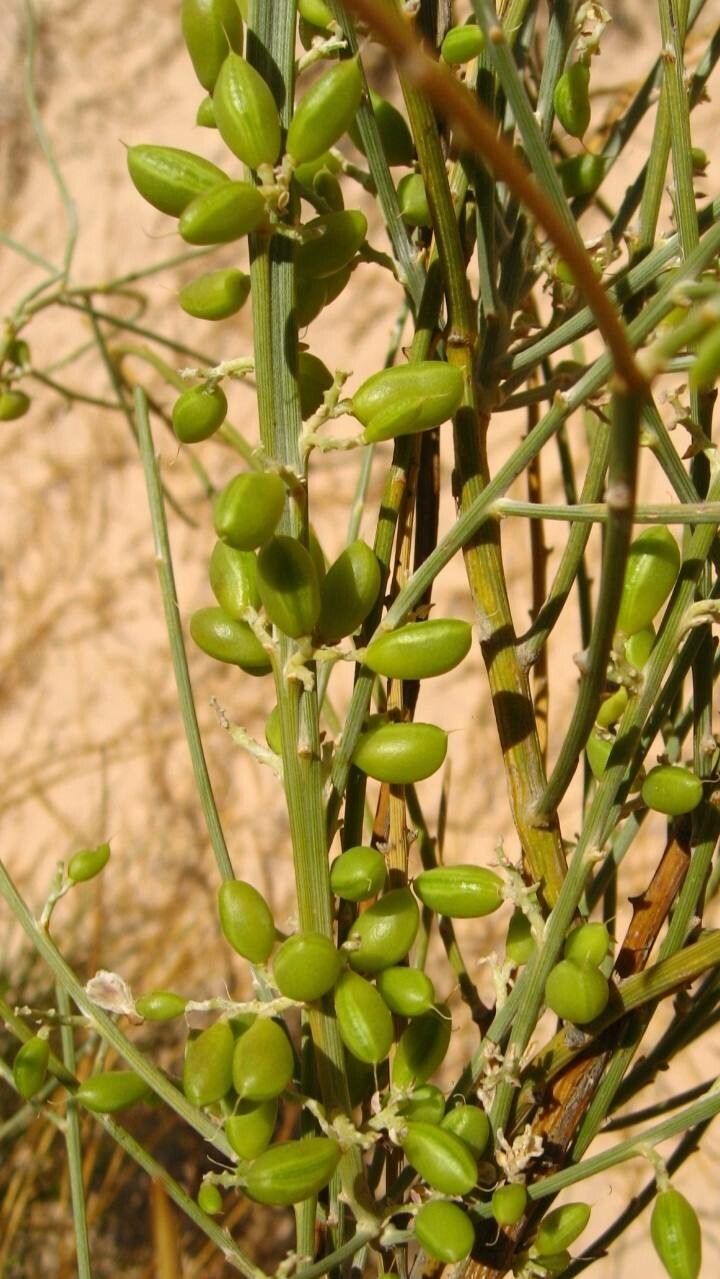
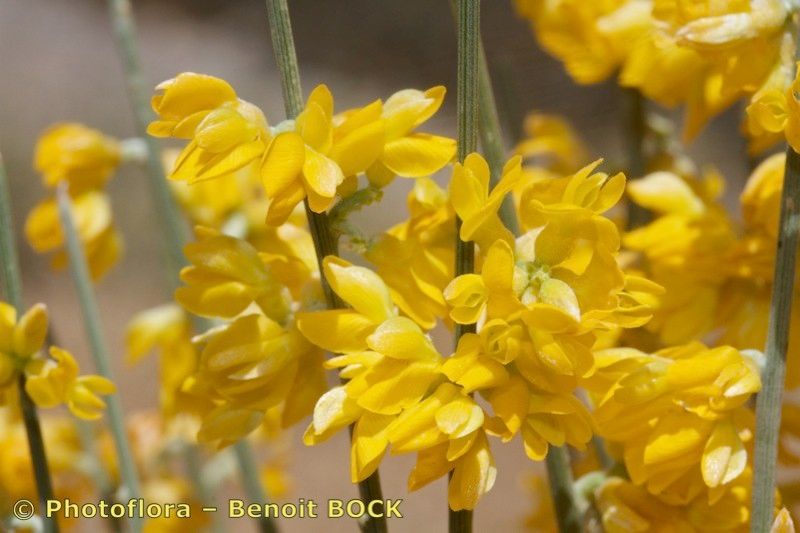
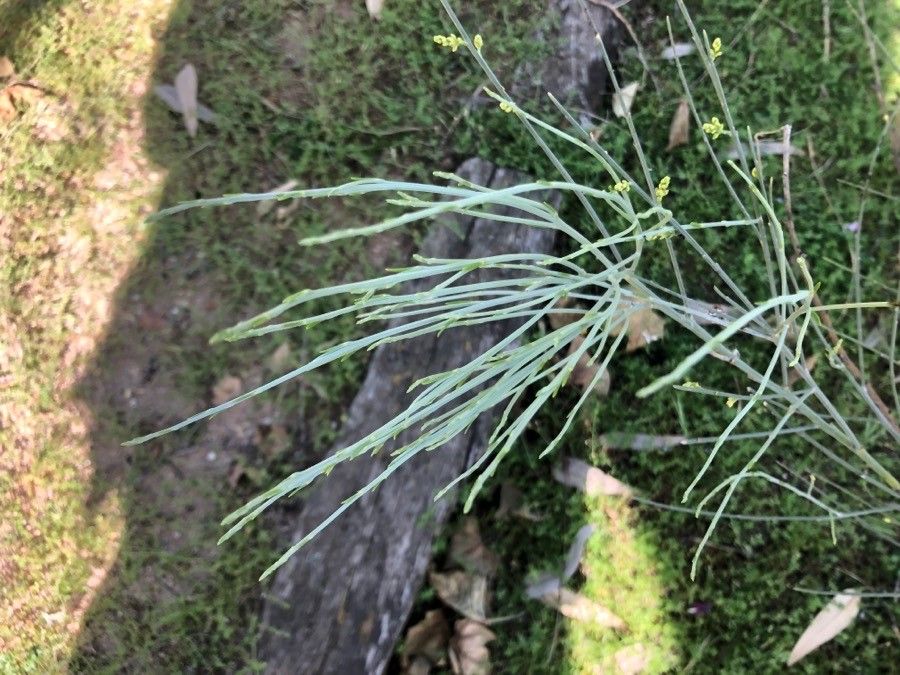
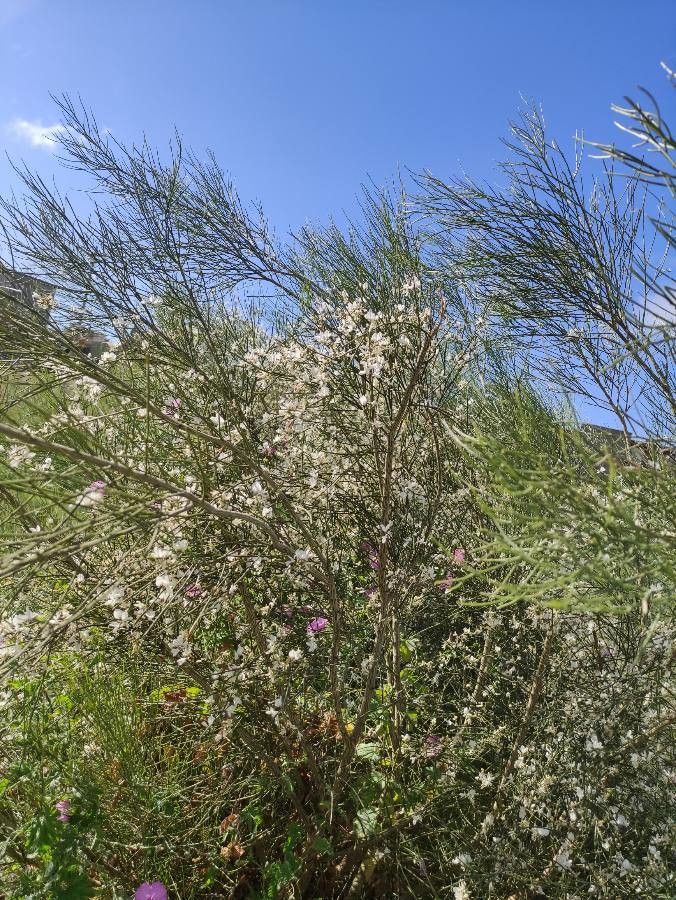
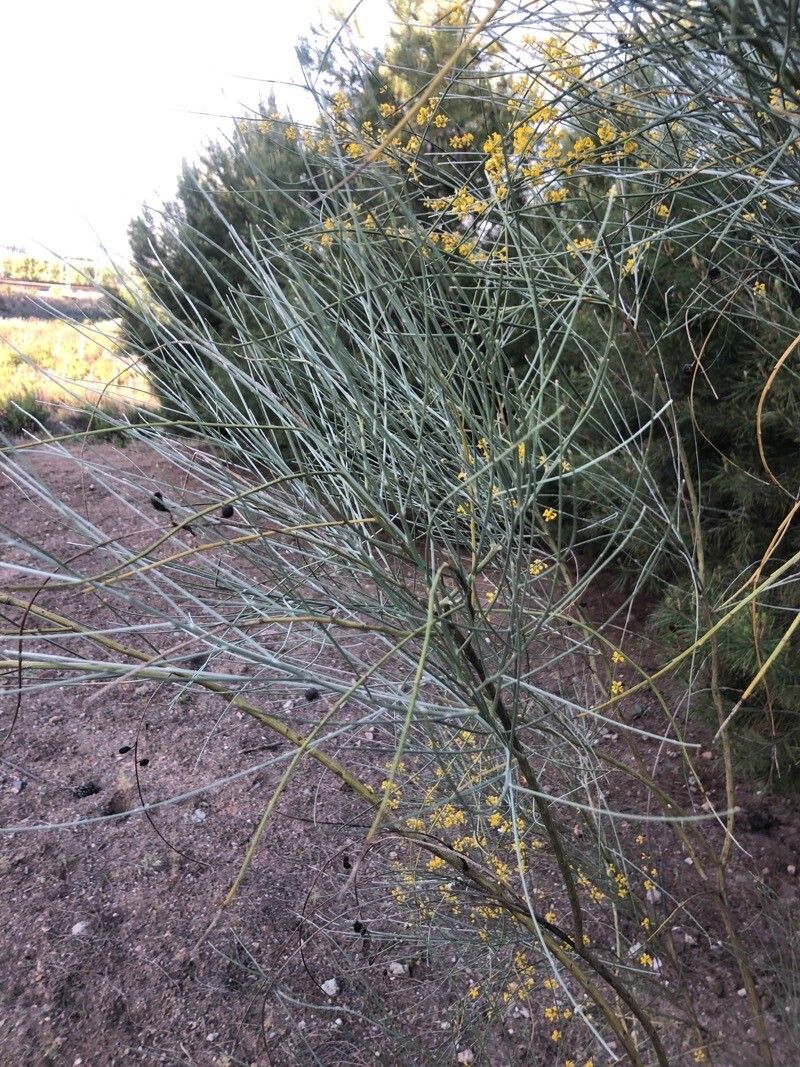
Retama raetam is a species of flowering plant in the family Fabaceae, native to northern Africa from the Western Sahara to Sudan, Sicily, the Sinai Peninsula, the Palestine region and Saudi Arabia, and widely naturalized elsewhere.
White broom is highly disease-resistant and is generally not susceptible to illnesses. Regarding care, this plant is fairly low-maintenance. When grown outdoors it needs only minimal watering, and larger specimens typically do not require pruning. Smaller plants, however, should be pruned after they finish blooming. White broom is suitable for anyone with outdoor space, such as a garden or a deck, and does not require much care experience.
How to keep Retama Raetam.
Light
White broom grows best in a spot that gets plenty of sunlight throughout the day. Its native environment strongly influences this light preference, since it originates from a habitat with abundant sun. Both too much and too little sunlight can adversely affect the plant’s healthy growth.
Water
White broom is well-suited for arid environments due to its excellent drought tolerance. It requires minimal watering, needing hydration only every 2 to 3 weeks. As an evergreen plant, white broom makes effective use of rainfall, which enhances its suitability for outdoor growth.
Temperature
White broom demonstrates strong temperature adaptability, able to endure higher heat and wide temperature fluctuations. In hot conditions, care should be taken to water adequately and provide suitable shading to avoid sunburn. However, White broom is fairly sensitive to low temperatures; it can tolerate some cold, but very low temperatures can cause frost damage.
Fertilizer
The timing for fertilizing White broom is important. Apply fertilizer in early spring and continue every month until early summer. Fertilizer encourages attractive blooms and supplies energy during both dormant and active growth periods.
Pruning
White broom benefits from careful pruning, which includes removing dead branches and shaping the plant to enhance its natural form. For optimal results, prune the plant in early to late winter while it is dormant. This will encourage robust growth in the spring, prevent legginess, and promote denser foliage. For more detailed pruning techniques, it's advisable to consult horticultural guides.
Botanical profile.
- Plant Type
- Shrub
- Life Cycle
- Perennial
- Genus
- Retama
- Family
- Fabaceae
- Hardiness Zone
- 9
- Mature Height
- 1.83 m to 2.44 m
- Mature Spread
- 1.83 m to 2.44 m
- Leaf Color
- Green, Gray
- Leaf Type
- Evergreen
- Flower Color
- White
- Flower Size
- 2.54 cm
- Bloom Time
- Early spring, Mid spring
- Planting Time
- Spring, Summer, Autumn
- Harvest Time
- Late spring, Early summer, Mid summer
Other names.
Reader questions.
How should I water my White broom plant in the most effective way?
You can water your White broom with various common tools like watering cans, hoses, or cups. It's important to apply the water directly to the soil and make sure all areas are equally moistened to provide the necessary water to the entire root system. Using filtered water is recommended to avoid harmful particles found in tap water. It's also better to use water that is at or slightly above room temperature, as extremely hot or cold water can shock the plant. However, the White broom usually responds well to any type of water you use.
What are the sunlight requirements for White broom?
White broom requires above 6 hours of sunlight daily to thrive best. Originating from environments with abundant solar exposure, it is crucial to position the plant in locations that benefit from full sunlight throughout the day. Paying attention to the movement of sunlight across your garden is beneficial, allowing for the selection of spots that offer an ideal balance of light and shade. This ensures the plant's health and growth by avoiding the negative impacts of too much or too little sunlight.
What is White broom?
White broom, known botanically as Retama raetam, is a plant recognized for its distinctive characteristics and uses. Although specific details about its essentials or symptoms related to its cultivation or care were not provided, the mention of its botanical name suggests its relevance in botanical or horticultural studies and practices.
What should I do if I give too much water or too little water to my White broom?
Outdoor plants, particularly newly planted ones or seedlings, may suffer from lack of watering. It is important to ensure adequate watering for the first few months when the tree is small or recently planted. Once the roots are established, White broom plants can rely on rain most of the time. Overwatering is more likely to occur when White broom is planted in pots. If you accidentally overwater your White broom plant, take immediate action to remedy the situation. First, stop watering the plant to minimize the impact of overwatering. Then, remove the plant from its pot to inspect the roots. If there is no root rot, you can return the plant to its container. However, if root rot is present, trim the affected roots and consider applying a fungicide. Finally, repot the White broom plant in well-draining soil. In the case of underwatering, simply water the plant more frequently. Underwatering is usually easily fixed, as the leaves will droop and dry out but will regain fullness after sufficient watering. Adjust your watering frequency promptly when underwatering occurs.
How can artificial lighting benefit indoor White broom plants?
When natural sunlight is insufficient, especially during winter or in less sunny spaces, artificial lighting can be a crucial support for indoor White broom plants. It promotes optimal growth by compensating for the lack of natural sunlight. The choice of artificial light, such as LED lights, allows for customization to provide specific wavelengths needed by the plants. Full sun plants require 30-50W/sq ft, partial sun plants need 20-30W/sq ft, and full shade plants should have 10-20W/sq ft of artificial light. The light source should be placed 12-36 inches above the plant, with the duration mimicking natural daylight hours, generally between 8-12 hours per day.
How often should I give water to my White broom plant?
If you live in an area with regular rainfall, most outdoor plants can grow just fine without additional watering. However, if your area doesn't get much rainfall, you'll need to water your plants every 2 weeks in the spring and fall, and more frequently during the summer. In the winter, when plants grow slower and need less water, you should water them sparingly. You may not need to water them at all during the winter. If your White broom plant is young or newly planted, you should water it more frequently to help it establish and grow. For potted plants, there are two ways to determine how often to water your White broom. The first is to set a watering schedule of once a week or once every other week. However, this may not work well because it doesn't consider the unique conditions of your specific plant. Another approach is to check the soil moisture. Wait until the top two to four inches of soil have dried out before watering again. This is usually about one-third to one-half the depth of the pots.
What are the signs of light deficiency in White broom?
Signs of light deficiency in White broom include smaller new leaves, leggy or sparse growth, faster leaf drop, slower or halted growth, and lighter-colored new leaves. These symptoms indicate the plant is struggling with insufficient light, adapting by conserving resources or slowing down its growth. Conditions like chlorosis, sunscald, leaf curling, wilting, and leaf scorching can also manifest due to inappropriate light levels, indicating either too much or too little exposure to sunlight.
How much water does my White broom require?
To properly water your White broom, keep in mind that it doesn't always require a lot of water. If only a few inches of soil have dried since your last watering, give it about five to ten ounces of water. You can also adjust the amount based on soil moisture. Check how many inches of soil have dried between waterings. To ensure the plant receives enough moisture, water until all the dry soil layers from the previous watering are moistened. If more than half of the soil is dry, consider giving extra water until you see excess water draining from the pot's holes. If your White broom is planted outside and receives ample rain, additional watering may not be necessary. However, when it's young or just establishing, it should receive 1-2 inches of rain per week. As it grows, it can rely solely on rainwater, but in hot weather without rain for 2-3 weeks, provide a full watering to prevent stress.
What solutions are available for addressing light deficiency in White broom?
To address light deficiency in White broom, gradually increase exposure to direct sunlight to at least 6 hours daily, using a south-facing window or artificial light for indoor plants. For outdoor plants, finding the best sunlight spot is key, avoiding sudden changes in light intensity. Reducing obstructions that block sunlight or transplanting to a better-lit location can also help. It's important to note that while damaged parts may not recover, new growth will be healthy after improving light exposure.
How do I know if I am giving enough water to my White broom?
The White broom commonly faces issues with overwatering, which can be identified by yellowing leaves, leaf loss, and the shriveling of the plant structure. Overwatering can also lead to root rot. Additionally, an underwatered White broom will start to wilt and may show signs of brown or brittle leaves. In either case, it is important to take action and restore the health of your White broom when you notice these signs.
How do I give water to my White broom plant at different times of growth?
When the White broom is young, especially in its seedling stage, it requires more water compared to when it is mature. It is crucial to maintain consistently moist soil during the early stages of this plant's life to promote root development. This also applies when you transplant a White broom to a new growing location. Additionally, if you want your White broom to develop attractive flowers and fruits, providing proper care is important. During the flowering or fruiting phase, you will likely need to increase watering slightly to support these plant structures.
How can I make sure my White broom gets enough water all year long?
The amount of water you need to give your White broom will change with the seasons. In the hot summer months, especially if it gets a lot of sunlight, you'll likely need to water it more often. The strong summer sunlight can dry out the soil quickly, so you'll need to water it more frequently. On the other hand, during the winter when the plant is not actively growing, it will need less water. You can water it once every 2 to 3 weeks, or sometimes not at all. If you're growing it indoors, be cautious of appliances like air conditioners, as they can dry out the plant faster and require more frequent watering.