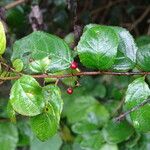
Rhamnus prinoides
Schefflera · Dogwood · Shiny leaf
Description
Source: leafsnapRhamnus prinoides, the shiny-leaf buckthorn, is an African shrub or small tree in the family Rhamnaceae. Commonly referred to as "gesho" it was first scientifically described by French botanist Charles Louis L'Héritier de Brutelle in 1789.
Care Guide
💧 Water
Dogwood trees come from humid, forested regions and thrive in environments with consistent moisture, although they can tolerate moderate drought. To prevent root rot, especially in temperate outdoor settings, they require weekly watering and well-draining soil. These conditions help mimic their natural habitat.
☀️ Light Full sun
Dogwood comes from open habitats like sunny meadows and forest edges, which supply plenty of light. It does best in full sun but can also tolerate partial sun, adapting well to different light conditions.
What are the sunlight requirements for Dogwood (Rhamnus prinoides)?
Dogwood (Rhamnus prinoides) thrives in various sunlight conditions. For full sun exposure, it requires above 6 hours of sunlight daily, which is ideal for its growth and flowering. If you're planning to place it in partial sun, it should receive about 3-6 hours of sunlight each day. It's important to observe how sunlight moves through your garden, to ensure you pick a location that provides a good balance of light and shade. This careful selection is crucial for the happiness and health of your Dogwood plant.
🌡️ Temperature 15–37.8°C
Dogwood is native to regions with mild to warm temperatures. Its preferred temperature range is 59 to 100 °F (15 to 38 °C). As the seasons shift, careful adjustments to temperature are necessary to preserve the plant's healthy, thriving growth.
💨 Humidity
🪴 Soil 6-7
🌱 Fertilizer
Fertilization is essential to Dogwood care. Regular feeding during the growing season preserves the energy for showy leaves and supports overall growth. Neglecting fertilization can lead to unhealthy leaves, reduced ornamental value, and stunted or weak growth that is more prone to breakage.
🪴 Pot & Repot
✂️ Pruning
Dogwoods are known for their lush foliage and ornamental beauty. Proper pruning techniques include removing dead branches, thinning for better airflow, and shaping the tree for aesthetic purposes. The best time to prune is from early to late winter, which promotes healthy growth and prevents disease, ensuring that the dogwood remains vibrant.
🌿 Propagating
🐛 Diseases & pets
☠️ Toxicity
Characteristics
- Plant Type
- Tree, Shrub
- Life Cycle
- Perennial
- Genus
- Rhamnus
- Family
- Rhamnaceae
- Hardiness Zone
- 8-11
- Mature Height
- 2.13 m to 4.57 m
- Mature Spread
- 0.91 m to 4.57 m
- Leaf Color
- Green
- Leaf Type
- Evergreen
- Flower Color
- Green, Cream
- Flower Size
- 0.20 cm to 0.25 cm
- Bloom Time
- Mid spring, Late spring
- Planting Time
- Spring, Autumn, Winter
- Harvest Time
- Mid summer, Late summer, Early fall
- Native Area
- Malawi, Lesotho, Angola, South Africa, Zambia, Sudan, Eritrea, Kenya, Uganda, Tanzania, Zimbabwe, Cameroon, Mozambique, Eswatini, Ethiopia, Botswana