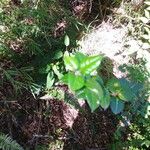
Rhaphithamnus spinosus
Prickly myrtle · Purple gum nut berry
Care Guide
💧 Water
Rhaphithamnus spinosus flourishes in a humid, well-draining environment and requires weekly watering to avoid waterlogging. While it can tolerate drought to some extent, it prefers consistent moisture. Applying mulch outdoors is beneficial for retaining soil moisture, particularly during the active growing season when the plant's water needs increase.
☀️ Light Partial sun
Prickly myrtle is native to habitats like forest understories and rocky areas, where it grows in natural shade. It prefers partial sun but can adjust to full sun or full shade, illustrating its versatile and hardy nature.
🌡️ Temperature 15–35°C
Prickly myrtle shows strong adaptability to a range of climates, from hot summers to cold winters. However, it does have a preferred temperature range for growth. If temperatures become too high, the plant can suffer from heat and humidity stress, which may kill it. In areas where temperatures reach the lower limit of its cold tolerance, it is important to provide insulation to protect the plant.
💨 Humidity
🪴 Soil 6-7
🌱 Fertilizer
Correct timing is important for fertilizing Prickly myrtle. Apply fertilizer in early spring and continue monthly until early summer. Fertilizer encourages attractive blooms and supplies energy during both dormant and active growth phases.
🪴 Pot & Repot 2-3 years
Repot Rhaphithamnus spinosus every 2 to 3 years during the spring, choosing a pot that is one size larger than the current one. After repotting, ensure the plant receives consistent moisture and place it in a sheltered location to aid its recovery. This will help maintain its health and encourage berry production with minimal effort.
✂️ Pruning
Rhaphithamnus spinosus features spiny branches and vibrant berries. It benefits from winter pruning, which helps remove damaged growth and improve air circulation. Pruning also maintains balance and supports healthy growth and fruit production. Using clean tools prevents the spread of disease, and pruning during winter minimizes stress on the plant while promoting vigorous growth in the spring. Regular care enhances both the plant’s health and its appearance.
🌿 Propagating
🐛 Diseases & pets
☠️ Toxicity
Characteristics
- Plant Type
- Shrub
- Life Cycle
- Perennial
- Genus
- Rhaphithamnus
- Family
- Verbenaceae
- Hardiness Zone
- 8-10
- Mature Height
- 7.01 m
- Mature Spread
- 4.88 m
- Leaf Color
- Dark Green
- Leaf Type
- Evergreen
- Flower Color
- Lavender
- Flower Size
- 1.02 cm to 1.52 cm
- Bloom Time
- Fall
- Planting Time
- Spring, Autumn
- Harvest Time
- Winter