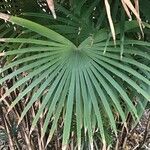
Rhapis humilis
Reed rhapis · Rattan palm · Slender lady palm
Description
Source: leafsnapRhapis humilis, commonly known as the dwarf lady palm, is a small, slow-growing palm species native to southern China and Taiwan. Belonging to the family Arecaceae, this plant is popular as an ornamental option due to its appealing appearance. It features multiple stems that can grow up to 2 meters in height, each adorned with dark green, glossy leaves that are deeply divided into several segments, giving them a distinctive fan-like look. Rhapis humilis thrives in partial shade or filtered sunlight and prefers well-draining soil that remains moist but not waterlogged. While it can tolerate low light conditions, such environments might slow its growth and limit leaf production. The dwarf lady palm serves multiple purposes, including indoor decoration, landscaping in gardens or parks, and even medicinal uses such as treating fever or coughs in traditional Chinese medicine. Overall, Rhapis humilis is an attractive, low-maintenance ornamental plant, making it an ideal choice for both indoor and outdoor settings.
Care Guide
💧 Water Every 7 days
Reed rhapis flourishes in tropical understory settings, where it enjoys consistently moist soil and high humidity. To keep its vibrant, evergreen foliage when grown indoors, water it weekly and mist it regularly to mimic its natural habitat.
How should I water my Reed rhapis plant in the best way?
Your Reed rhapis is not particular about how you water it. You can use any common watering tool, such as watering cans, hoses, or cups. Regardless of the tool, it's best to water directly onto the soil. Make sure to moisten all areas equally to provide water to the entire root system. If possible, use filtered water as tap water may have harmful particles. It's also helpful to use water that is at or slightly above room temperature, as extremely cold or hot water can shock the plant. However, the Reed rhapis generally responds well to any type of water you give it.
What should I do if I give too much or too little water to my Reed rhapis?
For outdoor plants, especially newly planted ones or seedlings, one common issue is lack of watering. It's crucial to consistently water them for a few months, especially when they are small or recently planted. Once the roots are established, Reed rhapis plants can rely on rain most of the time. When your Reed rhapis is in a pot, overwatering is more likely to happen. If you accidentally overwater your plant, there are steps you can take to address the problem. First, stop watering the plant immediately to minimize the impact of overwatering. Then, remove your Reed rhapis from its pot and check its roots. If no root rot is found, you can return the plant to its container. In case of root rot, trim any affected roots and consider applying a fungicide to prevent further damage. Finally, repot your Reed rhapis in well-draining soil. On the other hand, if your Reed rhapis is underwatered, a simple solution is to water it more frequently. Underwatering can be easily fixed by noticing drooping, dry, and falling leaves. Once sufficient watering is provided, the leaves will quickly regain their fullness. Make sure to adjust your watering frequency as soon as you notice underwatering occurring.
How frequently should I give water to my Reed rhapis?
To help your outdoor plants grow well, they usually just need rainfall. But if you live in an area with less rain, you should water them every 2 weeks in spring and fall. In the summer, you'll need to water them more often. In winter, when plants don't grow as much, water them less frequently or not at all. If your Reed rhapis is young or newly planted, it needs more water to help it grow and become more adaptable to drought. For potted plants like Reed rhapis, there are two ways to determine how often to water them. One way is to have a set schedule and water them once a week or every other week. However, this might not take into account the specific conditions of your Reed rhapis. Another approach is to check the soil moisture and water when the top 2-4 inches of soil, about 1/3 to 1/2 the depth of the pot, are completely dry. This is especially important in summer when the plant needs more water.
How often should I water my Reed rhapis plant?
Watering your Reed rhapis may not require a high volume of water. If only a few inches of soil have dried, you can give it about five to ten ounces of water each time. Consider the soil moisture and how many inches have dried between waterings. To ensure proper hydration, water enough to moisten all the dry soil layers since the last watering. If over half of the soil is dry, give more water until excess water drains from the pot. Outdoor plants may not need extra watering if they get enough rain. Young or establishing plants need 1-2 inches of rain per week, while mature plants can survive on rainwater. Only water when there is no rainfall for 2-3 weeks and the weather is hot to prevent stress.
How can I know if I am giving enough water to my Reed rhapis plant?
The Reed rhapis plant commonly suffers from overwatering, which can be identified through several signs. An overwatered Reed rhapis typically displays yellowing leaves and may shed some leaves. Additionally, overwatering can cause the plant's overall structure to shrink and lead to root rot. Conversely, an underwatered Reed rhapis will also show signs of distress. It may appear wilted and have brown or brittle leaves. If you notice either overwatering or underwatering symptoms, it is important to take action to revive the health of your Reed rhapis.
☀️ Light Full sun
Reed rhapis grows best with plenty of sunlight. It can, however, adapt to lower light conditions without compromising its growth. Because it originates from areas with strong sun exposure, both too little and too much light can harm its health and affect its overall vigor and development.
What are the sunlight requirements for Reed rhapis?
Reed rhapis, or Rhapis humilis, thrives best when exposed to abundant sunlight, ideally in conditions of full sun, which equates to more than 6 hours of sunlight daily. However, it can also adapt to partial sun, receiving about 3 to 6 hours of sunlight. It's crucial to watch the sunlight's movement through your garden and choose locations that provide a balance of light and shade, ensuring that your plants stay happy and healthy.
How does Reed rhapis react to different lighting conditions?
Reed rhapis does well in abundant sunlight but can adapt to lesser light conditions without significantly compromising its growth. Originating from environments rich in sunlight, both lack and excess of light can negatively impact its wellbeing, affecting its overall vitality and growth. It's important to adapt lighting conditions based on the plant's need, keeping in mind that artificial lighting can be used to supplement natural light, especially for indoor plants in dimly lit spaces or during the winter.
What artificial lighting recommendations are there for indoor plants?
For indoor plants, especially when natural sunlight is insufficient, artificial lighting can be a vital supplement. LED lights are a popular choice, as they can be customized to provide specific wavelengths needed for plant growth. For full sun plants, 30-50W per square foot is recommended, partial sun plants require 20-30W per square foot, and full shade plants need 10-20W per square foot. Artificial lights should be placed 12-36 inches above the plant and kept on for 8-12 hours per day to mimic natural daylight hours.
What symptoms indicate Reed rhapis is receiving inadequate light?
When Reed rhapis is not getting enough light, it may show symptoms such as small leaves, leggy or sparse growth, faster leaf drop, slower or no new growth, lighter-colored new leaves, chlorosis, sunscald, leaf curling, wilting, and leaf scorching. These symptoms can impact the plant's health and appearance, indicating a need for better light conditions.
How can you address lighting issues for Reed rhapis?
To address lighting issues for Reed rhapis, gradually move the plant to sunnier locations, ensuring at least 6 hours of direct sunlight daily for outdoor and indoor plants. Use south-facing windows and keep curtains open during the day for maximum exposure. Artificial lighting, such as desk lamps or professional grow lights, should be considered for indoor plants that aren't easily movable or don't receive enough sunlight. For outdoors, avoid sudden changes in light intensity to prevent sunburn. Removing obstructions and transplanting to brighter areas can also help improve light access.
🌡️ Temperature 20–37.8°C
Reed rhapis demonstrates good temperature adaptability, able to tolerate higher heat and wider temperature fluctuations. In hot weather, care should be taken with watering and to provide suitable shade to prevent sunburn. However, reed rhapis is comparatively less tolerant of low temperatures. While it can endure some cold, excessively low temperatures can cause frost damage.
What is Reed rhapis?
Reed rhapis, scientifically known as Rhapis humilis, is a plant species known for its distinct qualities and appearance. Specific details about its essentials, care, or symptoms were not provided.
💨 Humidity
🪴 Soil 5-6
🌱 Fertilizer
The timing of fertilizing Reed rhapis is critical. Apply fertilizer in early spring and repeat it monthly until early summer. Fertilizer encourages attractive blooms and supplies energy during both dormant and active growth phases.
Why should I put fertilizer on my Reed rhapis plant?
No matter what type of Reed rhapis you have, regular fertilization is key for its overall health. Giving the proper nutrients will result in stronger growth and enhance its ability to withstand difficult conditions and resist diseases and pests. Since the foliage is a main feature of your Reed rhapis, it's important to maintain it. This involves creating and following a customized fertilization schedule that will promote vibrant leaves and a lush appearance.
When should I fertilize my Reed rhapis plant?
For Reed rhapis plants, it is recommended to fertilize them for the first time in late winter or early spring. This will provide the necessary nutrients for healthy growth after the weather warms up. If you live in a warm climate, it can also be beneficial to give an additional fertilizer feeding in early fall. This will add nutrients to the soil for the following growing season and make the plants more resilient to cold winter conditions. By fertilizing earlier, the new branches will have enough time to grow and withstand the cold winter.
When is it not a good idea to fertilize my Reed rhapis?
There are specific times throughout the year when you should avoid fertilizing your Reed rhapis plant. The first time is during the winter months, specifically in the early and mid-winter period when the plant is dormant and does not require any nutrients. Similarly, it is not recommended to fertilize the plant in late spring and summer when the weather is generally hotter and drier. These conditions could have a detrimental effect on the plant if fertilized during this time. To prevent any problems, it is best to follow a fertilization schedule that only includes feeding in early spring and early fall.
What kind of fertilizer does my Reed rhapis plant need?
Nitrogen is typically the most important nutrient for a Reed rhapis, but that doesn't mean phosphorus and potassium are unimportant. In fact, your Reed rhapis needs a decent amount of all three nutrients, so using a balanced fertilizer like 10-10-10 is a good choice. However, a more precise nutrient ratio can lead to even better growth. Generally, fertilizers with slightly higher nitrogen content, such as 10-6-4, tend to work better. You can choose between granular or liquid-based fertilizers for application.
How can I fertilize my Reed rhapis plant?
To fertilize your Reed rhapis plant, you have the option of using either granular fertilizer or liquid fertilizer. With granular fertilizer, simply sprinkle it on the soil at the appropriate time. The nutrients in the fertilizer will be released slowly over time. It's recommended to lightly water your plant before applying the granular fertilizer. Alternatively, you can use liquid fertilizer by mixing it with water and pouring the mixture around the base of your plant. However, this method is less common. Occasionally, it is beneficial to conduct a soil test beforehand to determine if any pH adjustments are needed.
🪴 Pot & Repot 1-2 years
To support the healthy growth of a reed rhapis, repot the plant every 1-2 years in the spring. Choose a slightly larger pot with good drainage, and keep the soil moist. Place the plant in indirect light to help it recover after repotting. With consistent care, your reed rhapis will produce slender fronds and maintain its characteristic clumping growth.
✂️ Pruning
Reed rhapis is characterized by its slender stems and fan-shaped leaves. To keep the plant healthy and well-shaped, it's best to prune it in early spring. Start by removing any dead fronds and thinning out crowded areas to improve air circulation, which helps prevent pests. Be careful not to over-prune; instead, focus on regular maintenance to ensure the plant remains in good condition.
🌿 Propagating
🐛 Diseases & pets
☠️ Toxicity
Characteristics
- Plant Type
- Tree, Shrub
- Life Cycle
- Perennial
- Genus
- Rhapis
- Family
- Arecaceae
- Hardiness Zone
- 9-11
- Mature Height
- 2.44 m
- Mature Spread
- 2.44 m
- Leaf Color
- Green
- Leaf Type
- Evergreen
- Flower Color
- White
- Flower Size
- 2.54 cm
- Bloom Time
- Mid spring, Late spring, Summer, Early fall, Mid fall
- Planting Time
- Autumn, Winter
- Harvest Time
- Mid summer, Late summer, Fall, Early winter, Mid winter
- Native Area
- Japan, China