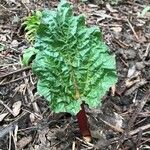
Rheum rhaponticum
Rhubarb · False Rhubarb · Common Rhubarb · Garden Rhubarb · Giant Rheum
Description
Source: leafsnapRheum rhaponticum, the false rhubarb, rhapontic rhubarb or rhapontic, is a plant species in the genus Rheum found in the wild. It is the only Rheum species found only in Europe, and is now restricted to the Rila mountain range in south-western Bulgaria. It was introduced to other countries in Europe. It is considered to be one of the parents of the modern culinary rhubarb.
🌳 False rhubarb is an excellent choice for vegetable gardeners looking to create attractive border plantings. In cooler temperatures, its thick stems turn a striking crimson, adding vibrant color to the garden. The plant also integrates well into garden landscapes, offering vertical focal points. It pairs beautifully with asparagus, cabbage, kale, and artichokes. However, it should not be planted near root vegetables.
🎭 Advice
Care Guide
💧 Water
False rhubarb thrives in consistently moist conditions and needs regular watering, avoiding both over-saturation and extended periods of dryness. When cultivating this plant, it should be watered weekly. Its growth cycles are particularly shaped by natural rainfall patterns, especially when grown outdoors.
How should I water my False rhubarb plant?
To keep the False rhubarb plant healthy, it's important to water it correctly. Using filtered water at room temperature or slightly warmer is best because tap water can have harmful particles. Since the False rhubarb is used to a warm environment, cold water can be a shock. Instead of watering from above, you should directly apply filtered room temperature water to the soil until it's completely soaked. This helps the roots collect nutrients and spread through the soil.
What do I need to do if I give too much or too little water to my False rhubarb?
Overwatering and underwatering can both harm your False rhubarb, but overwatering is more common and can lead to various problems. When too much water is given to this plant, the stems and leaves may wilt and turn yellow. Overwatering for a long time can also cause diseases like root rot, mold, and mildew, which can be fatal to the plant. Underwatering, on the other hand, is less likely to occur as False rhubarb can tolerate drought quite well. However, it's still possible and can be identified by brittle and brown leaves. It's important to recognize signs of overwatering early on. Some diseases caused by overwatering, like root rot, may not be fixable if noticed too late. To address overwatering, reduce the watering schedule immediately and check the soil's drainage quality. Poor drainage requires replacing the soil with a loose and well-draining potting mix. If you notice signs of underwatering, simply increase the frequency of watering until the signs improve.
How often do I need to water my False rhubarb?
If your False rhubarb is in a pot, a precise way to determine if it needs water is by checking the soil moisture. Simply stick your finger into the soil and if the top two to three inches are dry, it's time for watering. The same method can be applied if you have False rhubarb growing outdoors in the ground. When the top few inches of soil have dried out, it's time to water. Typically, during spring and early fall, watering once a week is sufficient. However, in extremely hot weather, you may need to water twice or more per week. It's worth noting that mature, well-established False rhubarb plants have a remarkable ability to tolerate drought.
How much water does my False rhubarb plant require?
To properly water your False rhubarb, don't hesitate to give it a generous amount of water. Make sure the top two to three inches of soil are dry before watering, and then thoroughly soak the soil. You should add enough water that it flows out of the drainage holes at the bottom of the pot. If you don't see excess water draining, you may not have watered enough. However, be careful not to let water accumulate in the soil, as this can be harmful to the plant. Additionally, if the water isn't draining well, it could indicate poor soil drainage, which is bad for the plant's health. For outdoor plants, one inch of rain each week is sufficient.
How do I water my False rhubarb as it grows?
The water needs of the False rhubarb can vary depending on its growth stages. When the plant is young or has just been transplanted, it requires more water to support root development and future growth. As the plant matures, it will require less water. Additionally, during the bloom period, the False rhubarb may need more water due to the moisture requirements of flower development.
☀️ Light Full sun
Munk's rhubarb is a sun-loving, perennial herbaceous plant native to open habitats, commonly found in meadows and grasslands. It prefers full sun but can also tolerate partial sun.
What are the sunlight requirements for false rhubarb?
False rhubarb thrives under generous amounts of sunlight, indicating its best growth in full sun conditions, which is defined as above 6 hours of sunlight daily. It can also adapt to partial sun conditions, about 3-6 hours of sunlight. Observing how sunlight moves through your garden is crucial for finding the ideal balance of light and shade, ensuring your plants grow happily. Despite its preference for abundant sunshine, originating from sunny environments, false rhubarb can experience leaf burns from excessive direct sunlight or develop stunted growth due to inadequate light exposure.
How can artificial lighting be used for indoor false rhubarb plants?
Indoor plants like false rhubarb require adequate lighting for optimal growth, which can be provided by artificial lights when natural sunlight is insufficient, such as during winter or in less sunny spaces. The recommended type of artificial light is LED, which can be customized to offer the specific wavelengths your plants need. For full sun plants, 30-50W/sq ft of artificial light is suggested, 20-30W/sq ft for partial sun plants, and 10-20W/sq ft for full shade plants. It's important to place the light source 12-36 inches above the plant to mimic natural sunlight. Additionally, matching the length of natural daylight hours is vital, with most plants needing 8-12 hours of light per day.
What are the symptoms of inadequate lighting in false rhubarb?
Inadequate sunlight can lead to several growth issues for false rhubarb. New leaves may grow smaller, and the plant could exhibit leggy or sparse growth, with longer spaces between leaves or stems, giving it a stretched-out appearance. It may also experience faster leaf drop, where older leaves are shed early to conserve resources for new leaf growth. The development of lighter-colored new leaves suggests a lack of chlorophyll and essential nutrients, while chlorosis, or the yellowing of leaves, indicates excessive sunlight exposure harming the plant's ability to photosynthesize. Sunscald, leaf curling, wilting, and leaf scorching are other symptoms that can affect the plant's health due to inappropriate light exposure.
How to manage false rhubarb's exposure to sunlight?
Optimizing false rhubarb's sunlight exposure involves gradual adjustments and the use of artificial lighting when necessary. For indoor plants, gradually move them to a location where they can get at least 6 hours of direct sunlight daily, using either a south-facing window or artificial grow lights for additional light support. When adjusting outdoor plants, move them progressively to sunnier spots each week to prevent sunburn. It's also beneficial to minimize obstructions that block sunlight, such as pruning trees that create too much shade. Additionally, considering transplanting smaller plants during their dormant period to areas with ample sunlight and good drainage can improve their growth and health.
🌡️ Temperature 0–32.2°C
What is the native growth environment of False Rhubarb?
False rhubarb thrives in a native growth environment that demands a moderate temperature range, ideally between 0 to 35°C (32 to 95°F). It favors a cool temperate to subarctic climate, capable of tolerating cold temperatures as low as -25°C (-13°F). In the summer, it requires less watering and benefits from partial shade to manage the heat. Its strong cold resistance generally negates the need for special frost protection measures. However, protection, such as covering with soil or straw, is recommended if temperatures are expected to drop significantly below its tolerance. Additionally, watering the plant abundantly before the first autumn freeze helps maintain soil moisture, preventing drought and water scarcity during the colder months.
How does False Rhubarb react to low and high temperatures?
At low temperatures, False Rhubarb is quite cold-tolerant, optimally growing above its minimum suitable temperature threshold. It should be kept above a certain tolerable minimum during winter. If temperatures fall below its growth limit, the plant may show no immediate damage but could have reduced or no sprouting in spring. Removing non-sprouting parts in spring is advisable. In contrast, during high temperatures, particularly above its maximum suitable temperature, its leaves may lighten in color, curl, suffer from sunburn, or the entire plant might wilt and dry. To mitigate this, trim the affected areas, relocate the plant to a shaded area, especially from midday and afternoon sun, or use a shade cloth. Maintaining soil moisture with morning and evening watering is also beneficial.
💨 Humidity high (>60%)
This plant needs special care because it loves high humidity levels of 60-80% or more. The best way to achieve this is by placing a humidifier near the plant. Daily misting is also essential! Make sure the room has good ventilation.
🪴 Soil 6-7
🌱 Fertilizer
One fertilizer application in spring is generally enough for Munk's rhubarb, although multiple feedings can help maximize growth. Apply fertilizer every month to every month and a half. Fertilizing improves the leaves' appearance and performance, helping them maintain even color and a healthy texture. It also promotes root development and better nutrient uptake for the plant's long-term health.
Why should I use fertilizer for my False rhubarb?
The main structure of False rhubarb is made up of its leaves. Fertilization is vital in ensuring that these leaves look good and function well. When properly fertilized, False rhubarb can hold leaves with consistent color and a healthy texture. Fertilization also helps below the soil's surface, promoting the growth of new roots and maintaining existing ones. This means that fertilization not only keeps your plant healthy in the present, but also improves its ability to extract soil nutrients in the future.
When should I fertilize my False rhubarb?
When you grow False rhubarb outside, it will start growing new shoots in early spring. These new leaves indicate that it's time to fertilize the plant. Typically, one application of fertilizer in the spring is sufficient. However, if you want your False rhubarb to grow to its fullest potential, you can fertilize it multiple times during the spring and early summer. In this case, you should feed it about once every month to a month and a half.
When is the best time to not fertilize my False rhubarb?
During the late fall and winter, your False rhubarb will become dormant and stop producing new growth. So, it's best to avoid fertilizing it during this time. In spring and summer, if you decide to fertilize, start reducing the amount of fertilizer as summer approaches because the growth rate of your False rhubarb will also slow down. Remember, it's never a good idea to fertilize when the weather is unusually hot or the soil is exceptionally dry, as this can stress your False rhubarb and cause it to die earlier.
What kind of fertilizer does my False rhubarb need?
Choosing the best fertilizer for a False rhubarb is thankfully a simple task. These plants thrive on a general-purpose garden fertilizer with equal amounts of nitrogen, phosphorus, and potassium. A fertilizer with a 10-10-10 ratio or something similar will work effectively. Avoid fertilizers with excessive nitrogen when unsure. The majority of suitable fertilizers for False rhubarb come in granular form, which are easy to apply. It is also beneficial to use a slow-release, organic soil amendment like compost to feed your False rhubarb.
How can I make my False rhubarb grow better?
To ensure proper growth of your False rhubarb, wait until its first leaves have just emerged from the soil in early spring. Once you spot this, apply a granular slow-release fertilizer with a balanced formula to the soil surrounding the base of the plant. You can repeat this process later in the season if desired. When reapplying fertilizer, remember to apply it to the soil at the base of the plant, rather than directly onto the plant itself. This may involve moving some leaves aside to access the soil around the roots. It is also a good idea to water your False rhubarb before and after fertilizing.
🪴 Pot & Repot
✂️ Pruning
False rhubarb is known for its large, lush leaves and flourishes with the right care. To maintain its health, prune the plant in early spring to remove any dead leaves. Later, thin out overcrowded areas to improve air circulation. Always use sharp, sterile tools for pruning to prevent infection and promote both healthy growth and an attractive appearance.
🌿 Propagating
🐛 Diseases & pets
☠️ Toxicity
Characteristics
- Plant Type
- Herb
- Life Cycle
- Perennial
- Genus
- Rheum
- Family
- Polygonaceae
- Hardiness Zone
- 3-7
- Mature Height
- 0.61 m to 2.13 m
- Mature Spread
- 49 cm to 91 cm
- Leaf Color
- Green, Dark Green
- Leaf Type
- Semi-evergreen
- Flower Color
- Yellow, Green
- Flower Size
- 0.51 cm to 0.51 cm
- Bloom Time
- Early summer, Mid summer
- Planting Time
- Spring, Summer, Autumn
- Harvest Time
- Late summer, Early fall
- Native Area
- Turkey, Austria, Slovakia, Montenegro, Bulgaria, Armenia, Poland, Greece, Croatia, Slovenia, Ukraine, Serbia, Germany, Italy, Spain, Switzerland, Iran, Albania, Azerbaijan, Romania, France