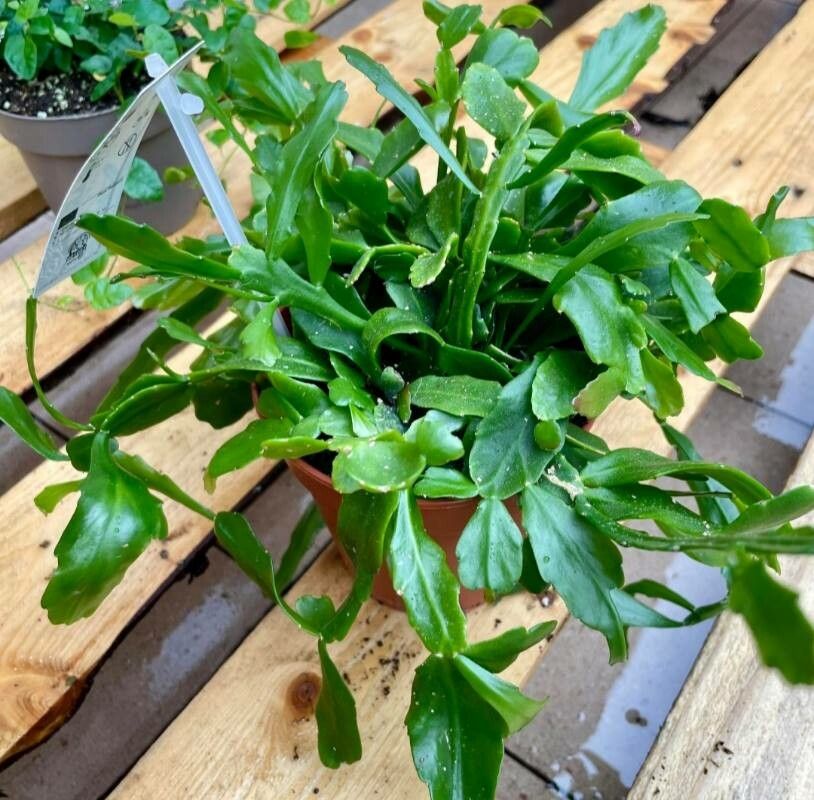
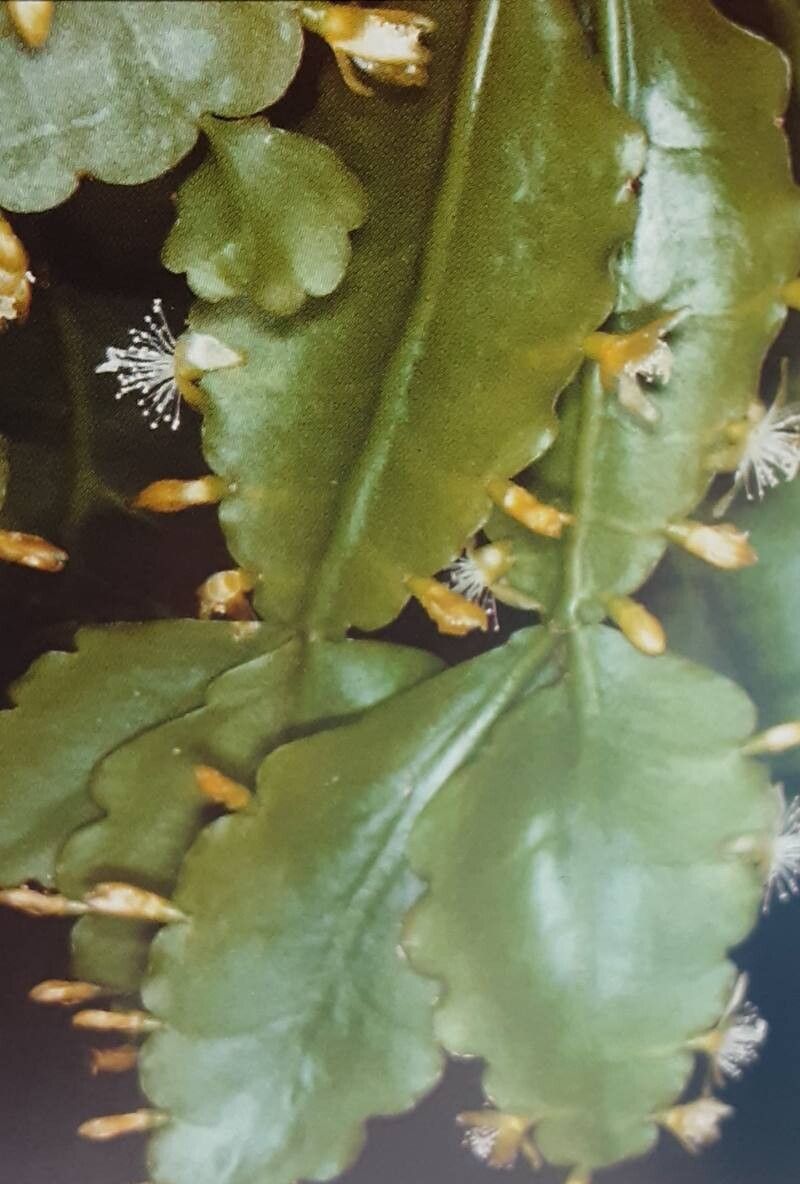
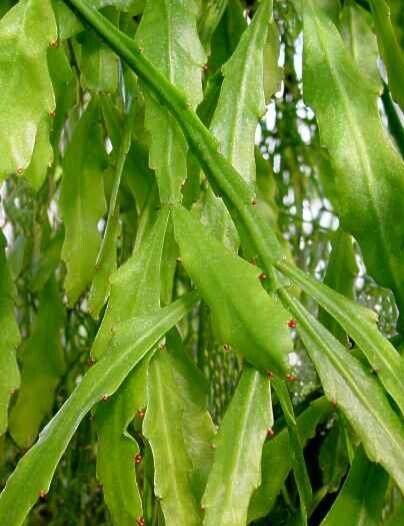
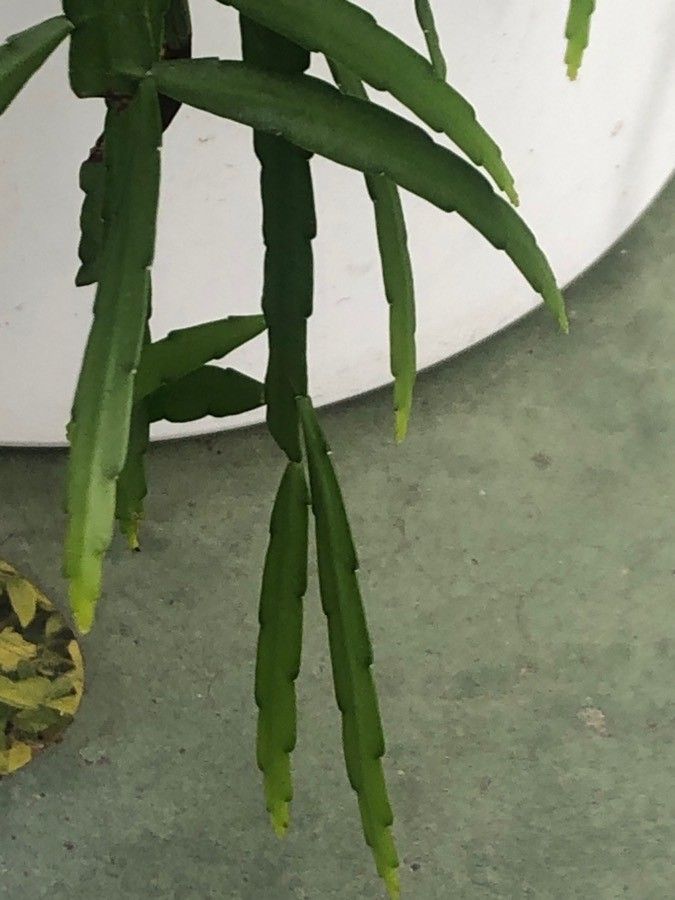
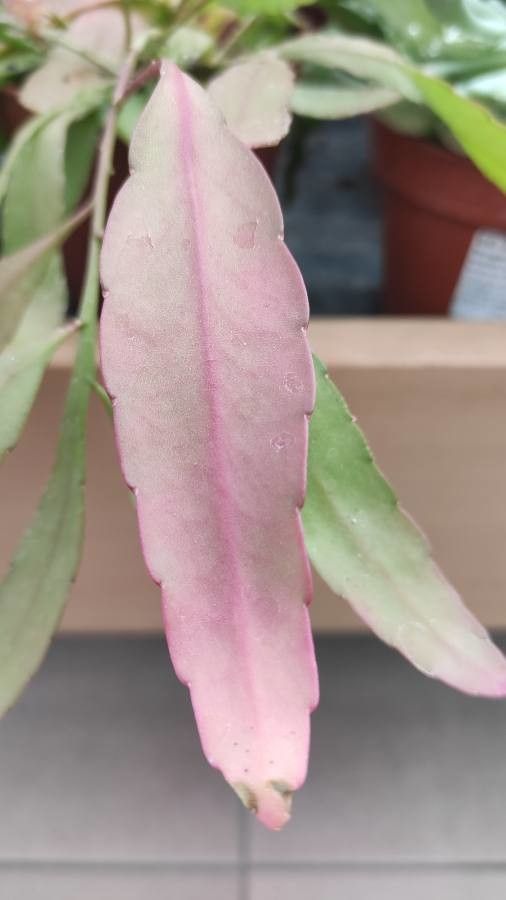
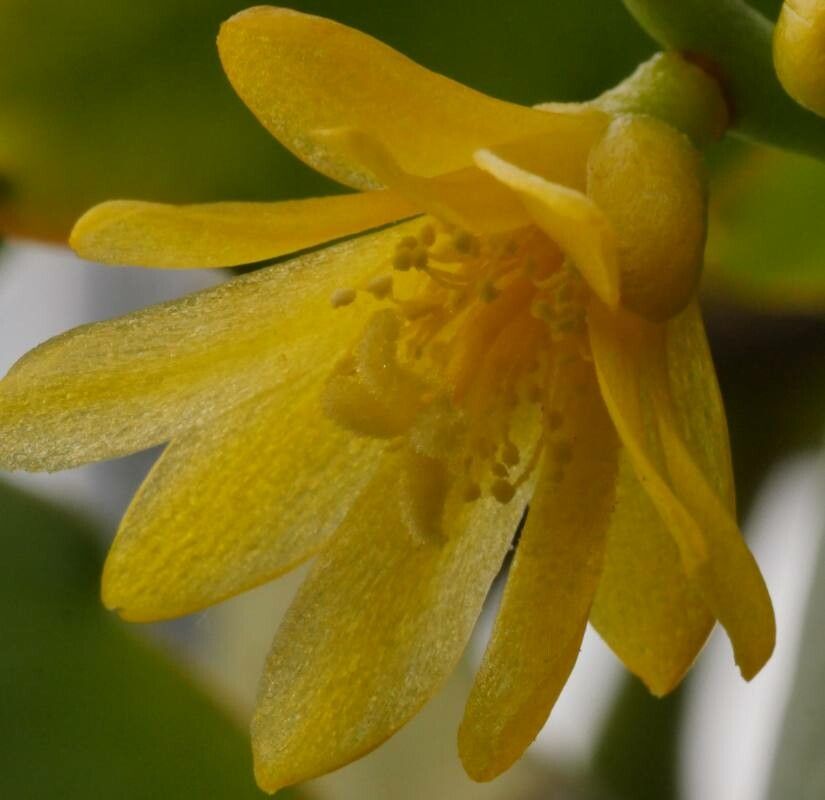
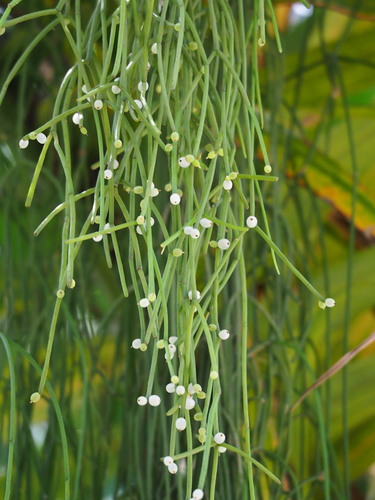
Rhipsalis crispata is a species of terrestrial plant in the family Cactaceae.
The mistletoe cactus resists disease well and tolerates normal care routines without becoming sick easily. It can, however, be vulnerable to mealybugs; these pests may cause some damage but are generally not a serious threat. Regarding care, the mistletoe cactus is drought-tolerant and does not require frequent watering. It can withstand long periods without water and needs little fertilizer. That said, if lighting is poor and the plant is overwatered, it is highly prone to root rot. Overall, the mistletoe cactus is suitable for people who want a low-maintenance plant, but it is important to understand and meet its basic needs. It is especially well-suited to those who are away for extended periods and may forget to water regularly.
How to keep Rhipsalis Crispata.
Light
The Mistletoe cactus is native to environments that offer filtered sunlight, such as forest undergrowth or rocky regions that naturally provide shade. While it thrives in partial sunlight, it is also capable of enduring full sun.
Temperature
The Mistletoe cactus flourishes in hot conditions, needing elevated temperatures to stimulate growth and metabolism during the growth period. It prefers plenty of sunlight, proper ventilation, and the right amount of moisture. Nevertheless, it can be harmed by very low temperatures and too much watering. Balancing is essential to avoid extreme hotness and excessive dryness as well.
Fertilizer
Mistletoe cactus needs only light fertilizing once or twice a year during the growing season. Do not fertilize in winter or in summer when the plant is dormant. Reduce fertilizer for repotted plants and wait a couple of months after repotting before you begin feeding. Fertilizer helps maintain healthy growth and encourages flowering.
Pot & Repot
When it's spring or summer, repot your Mistletoe cactus into a container that is just a bit larger than its current one, ensuring it has excellent drainage. Use a cactus mix that drains well and has a sandy or gritty texture. Be careful when handling the cactus to avoid the spikes. Let the cactus completely dry before repotting as a preventive measure against root rot. Post repotting, give the roots a week's time to heal before you start to water again.
Botanical profile.
- Plant Type
- Succulent
- Life Cycle
- Perennial
- Hardiness Zone
- 10-11
- Mature Height
- 30 cm to 61 cm
- Mature Spread
- 30 cm to 61 cm
- Leaf Color
- Green
- Leaf Type
- Evergreen
- Flower Color
- White
- Flower Size
- 1.02 cm to 2.03 cm
- Bloom Time
- Mid winter, Late winter, Early spring
- Planting Time
- Summer
- Harvest Time
- Mid spring, Late spring, Early summer