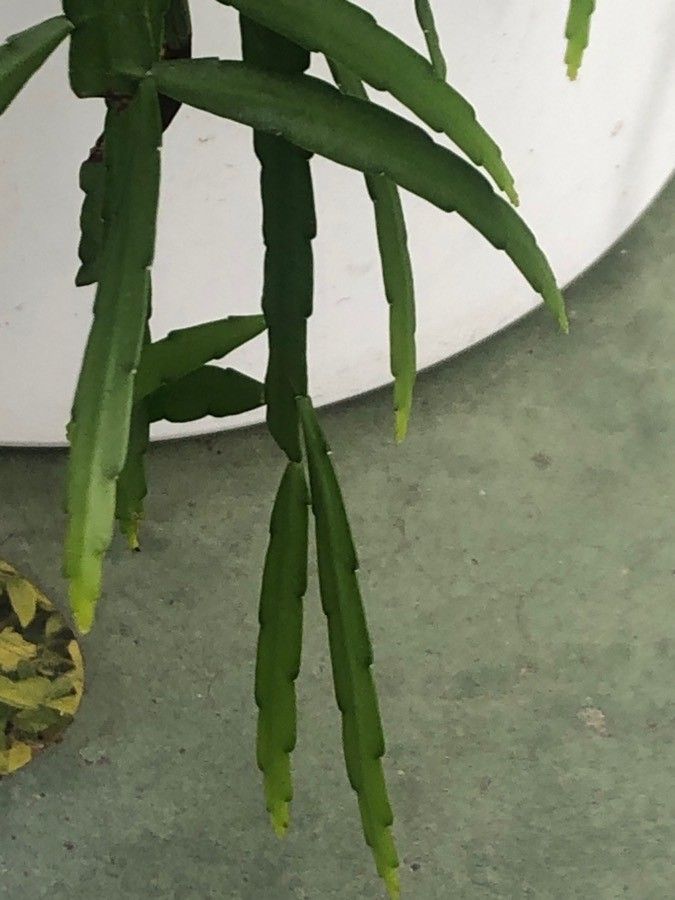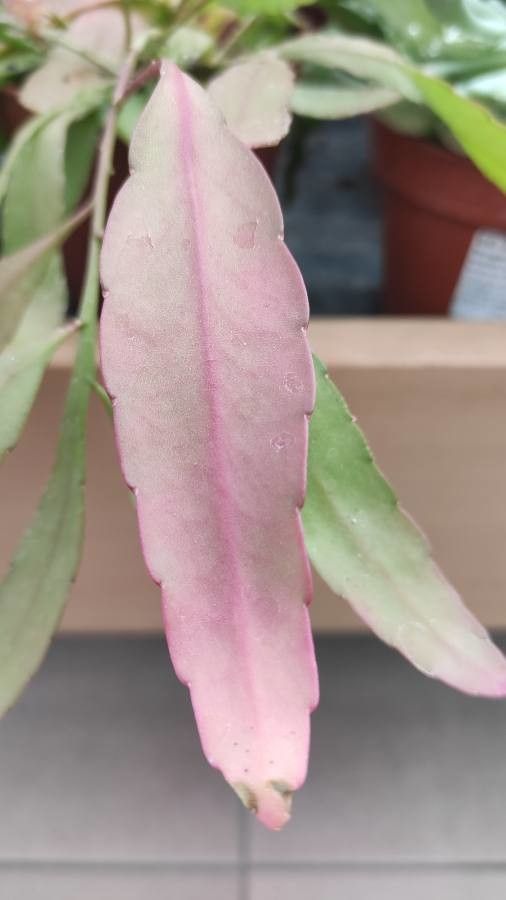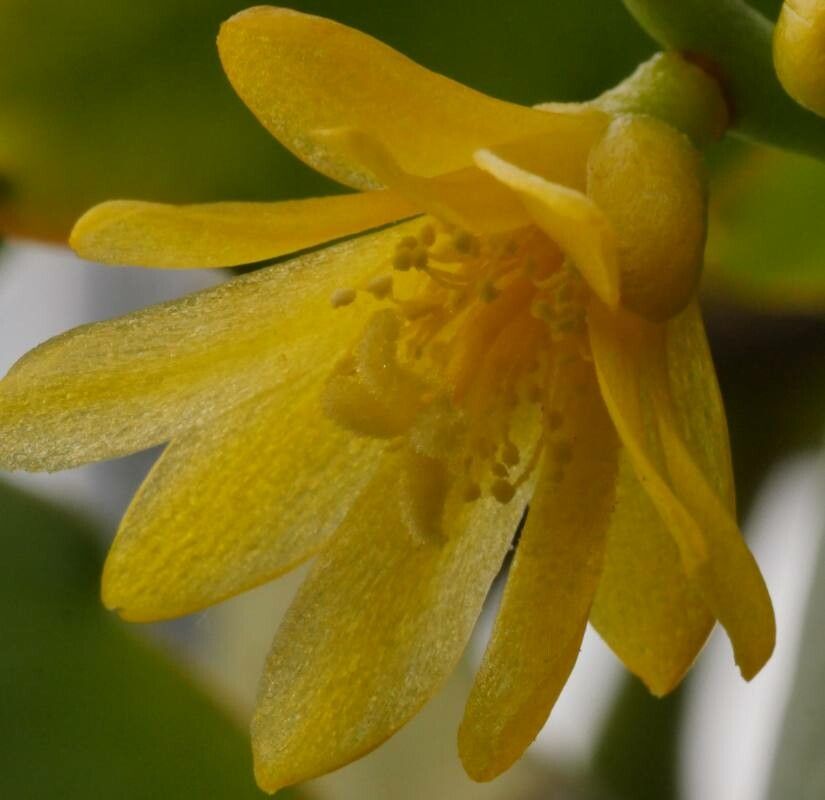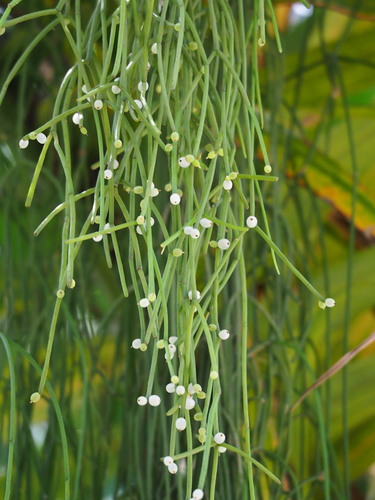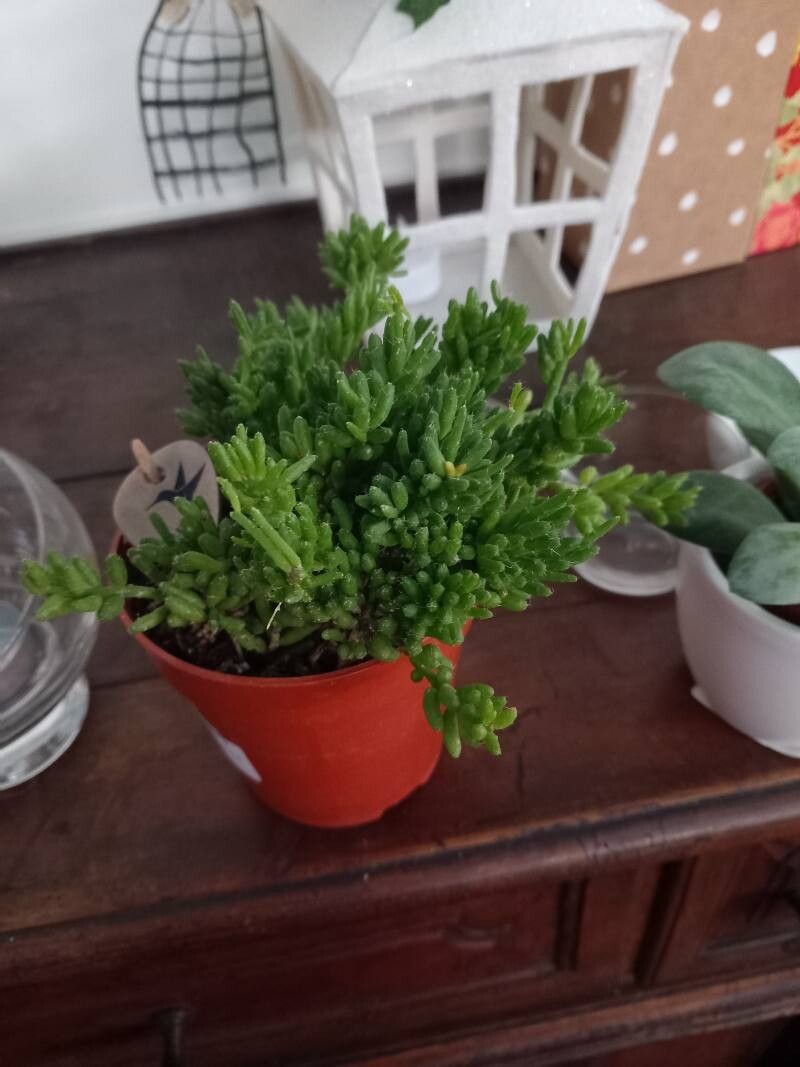
Clumpy mistletoe cactus has strong resistance to disease and generally tolerates normal care without becoming ill easily. That said, it can be vulnerable to mealybugs, which may cause some harm but are typically not a major concern. Regarding care, Clumpy mistletoe cactus is drought-tolerant and does not need frequent watering. It can endure extended periods without water and requires little fertilizer. However, it is very prone to root rot if kept in poor light and given too much water. Overall, Clumpy mistletoe cactus is a good option for people who prefer to spend less time on plant care, though it is important to know and meet its basic needs. It is particularly suitable for those who often leave for long periods and might forget to water their plants regularly.
How to keep Rhipsalis Mesembryanthoides.
Light
The Clumpy mistletoe cactus is native to habitats with filtered sunlight, like the lower layers of forests or stone-covered regions that offer natural cover. It tends to favor partial sunshine but is also capable of enduring direct sunlight.
Temperature
Clumpy mistletoe cactus prefers warm conditions and needs higher temperatures during the growing season to encourage growth and metabolic activity. It likes plenty of light, proper moisture, and good air circulation. However, it can be damaged by temperatures that are too low and by overwatering. It's important to maintain a balance and avoid temperatures that are too high or conditions that are overly dry.
Fertilizer
For the Clumpy mistletoe cactus, providing slight amounts of fertilizer once or twice annually during the growth phase is adequate. Refrain from fertilizing in winter and summer when the plant is in a dormant state. For replanted plants, cut back on the fertilizer and let a few months pass after repotting before applying fertilizer again. The act of fertilizing assists in maintaining robust growth and prompts flowering.
Pot & Repot
Repot the clumpy mistletoe cactus in spring or summer, choosing a pot slightly larger than the current one that has good drainage. Use a sandy or gritty cactus mix that drains well. Handle it carefully to avoid the spikes. Allow the cactus to dry out before repotting to reduce the risk of root rot. After repotting, wait one week before watering so the roots can heal.
Botanical profile.
- Plant Type
- Succulent
- Life Cycle
- Perennial
- Hardiness Zone
- 10-11
- Mature Height
- 25 cm
- Mature Spread
- 30 cm to 49 cm
- Leaf Color
- Light Green, Forest Green
- Leaf Type
- Evergreen
- Flower Color
- White
- Flower Size
- 1.02 cm to 1.52 cm
- Bloom Time
- Winter
- Planting Time
- Spring, Autumn
- Harvest Time
- Late winter, Early spring, Mid spring