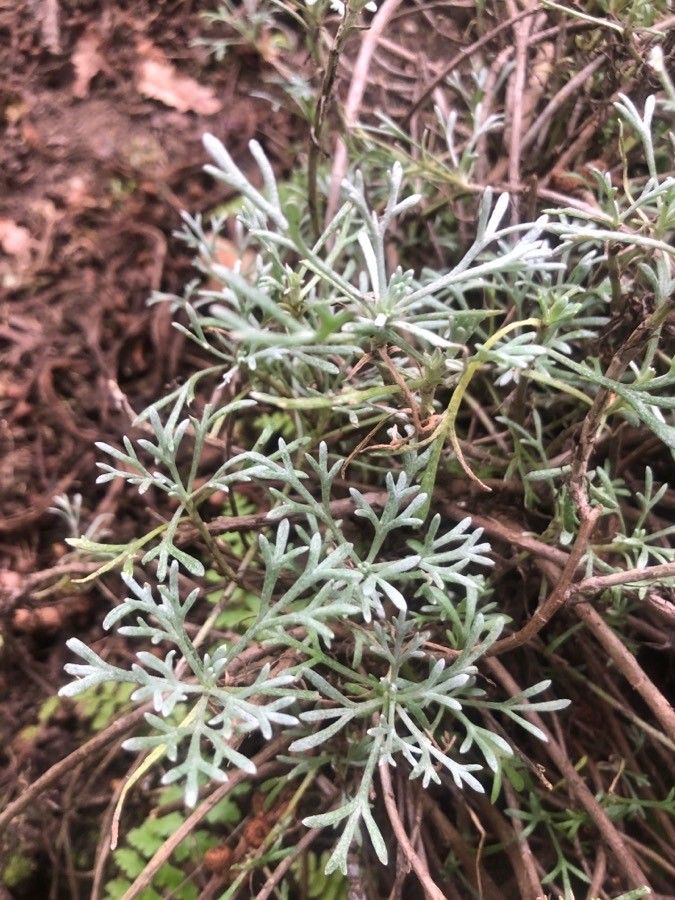
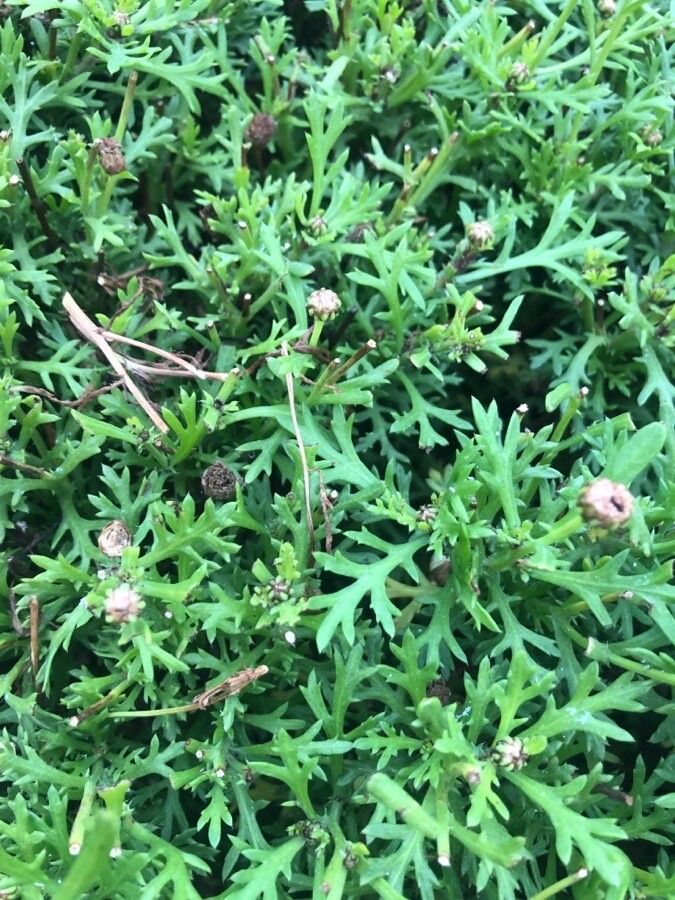
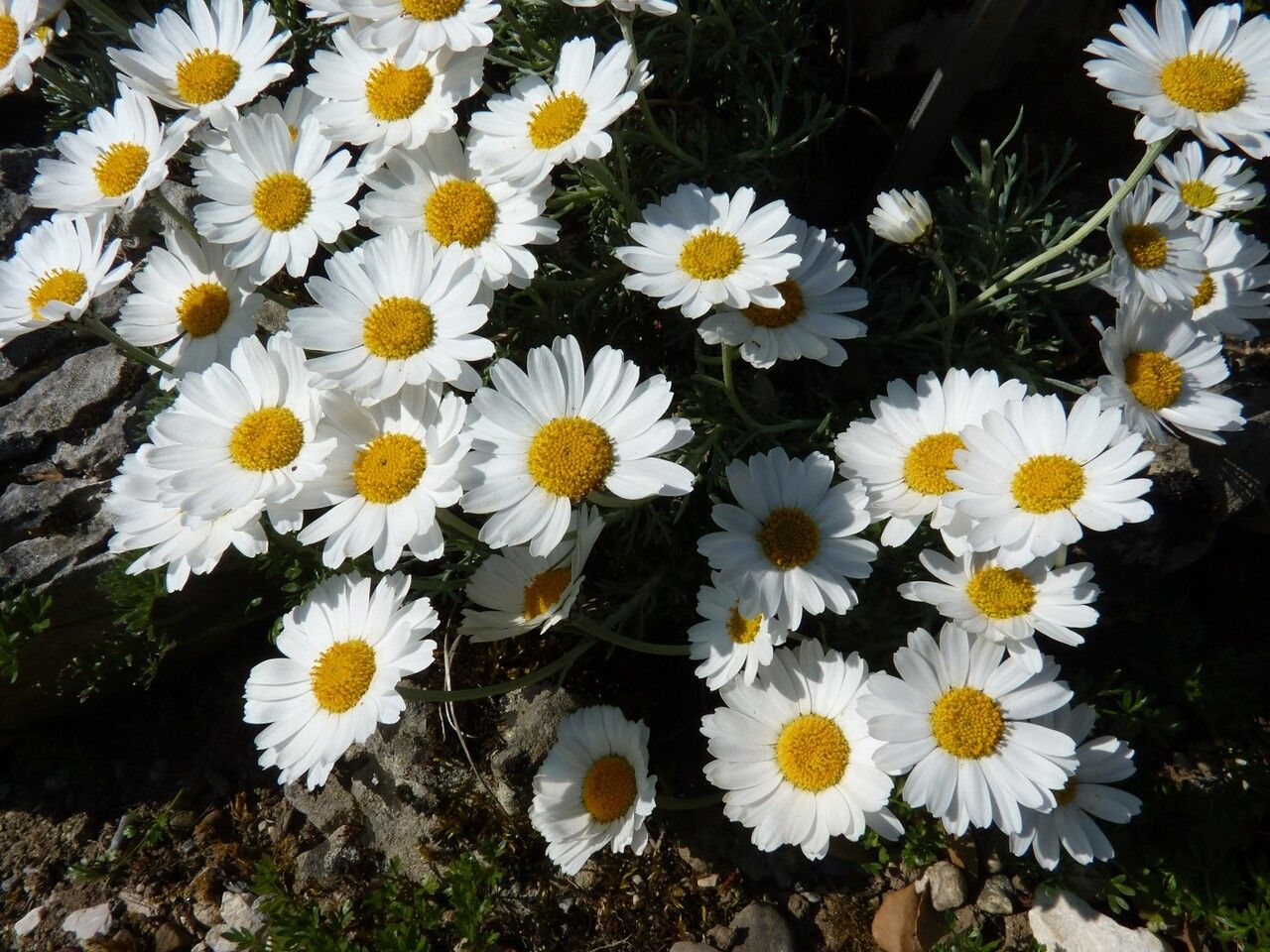
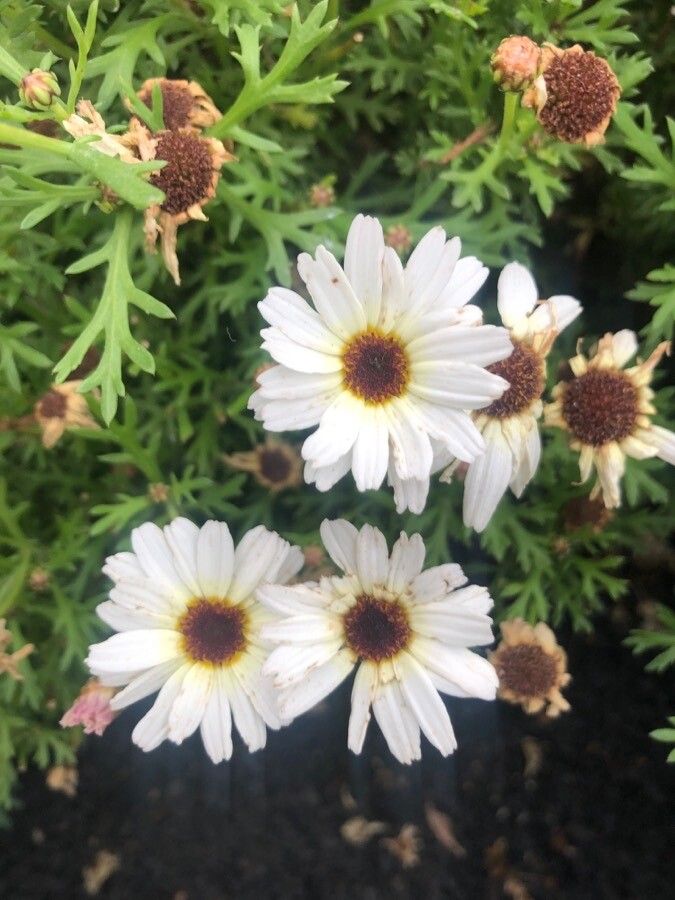
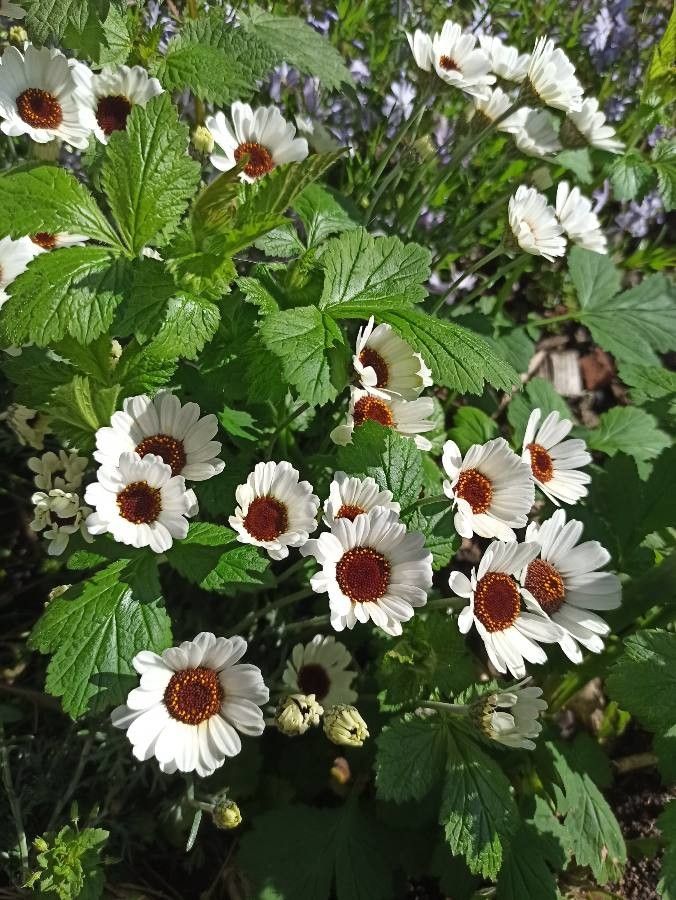
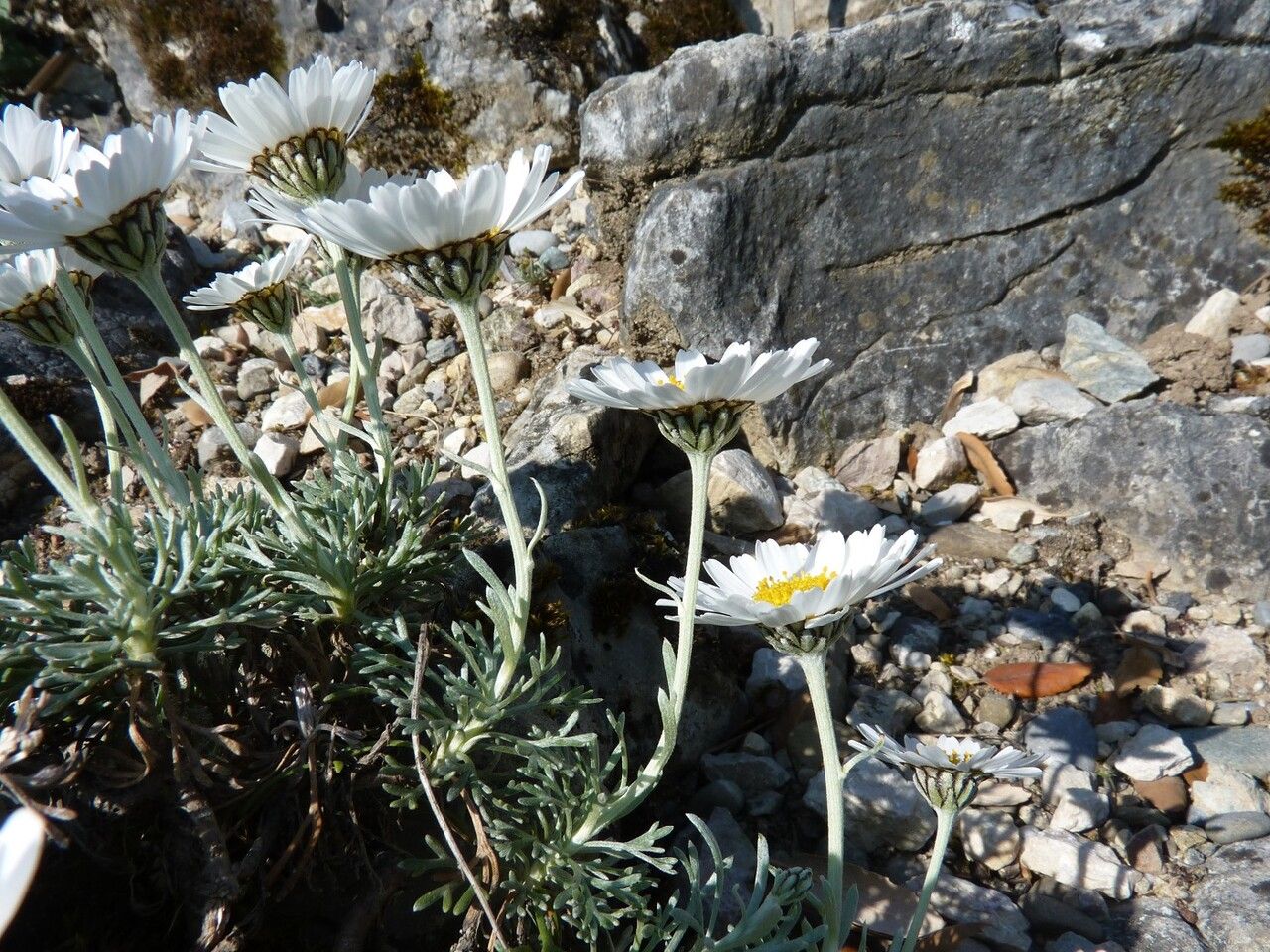
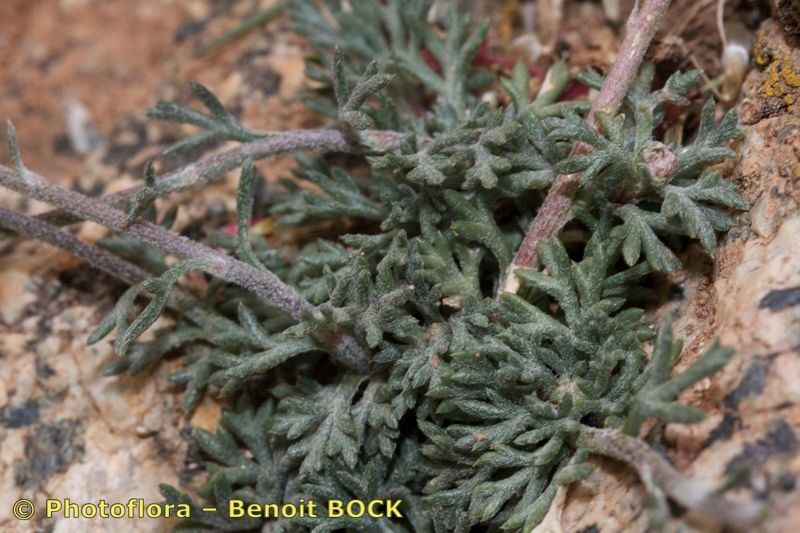
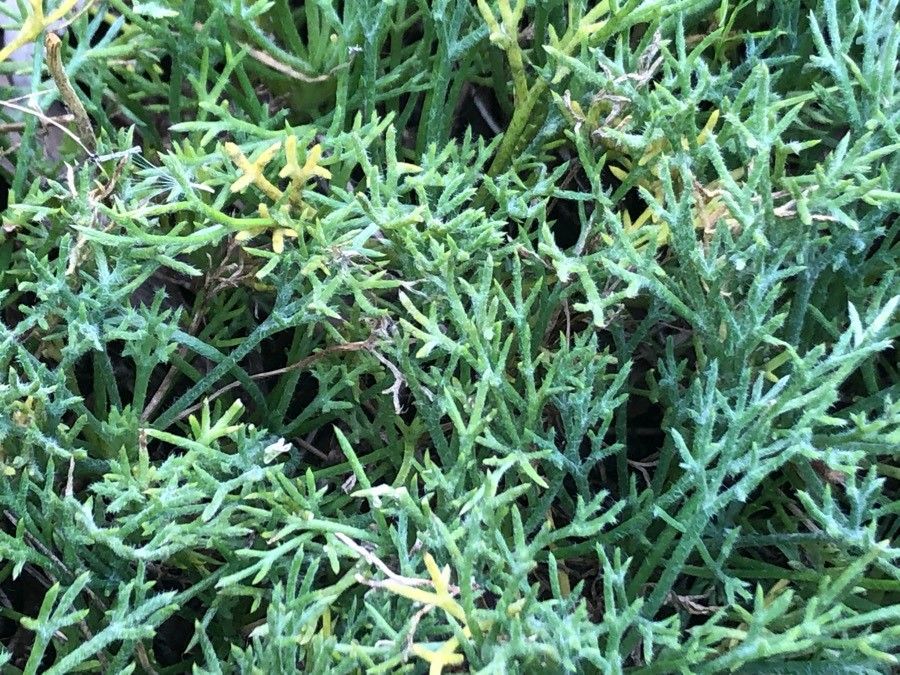
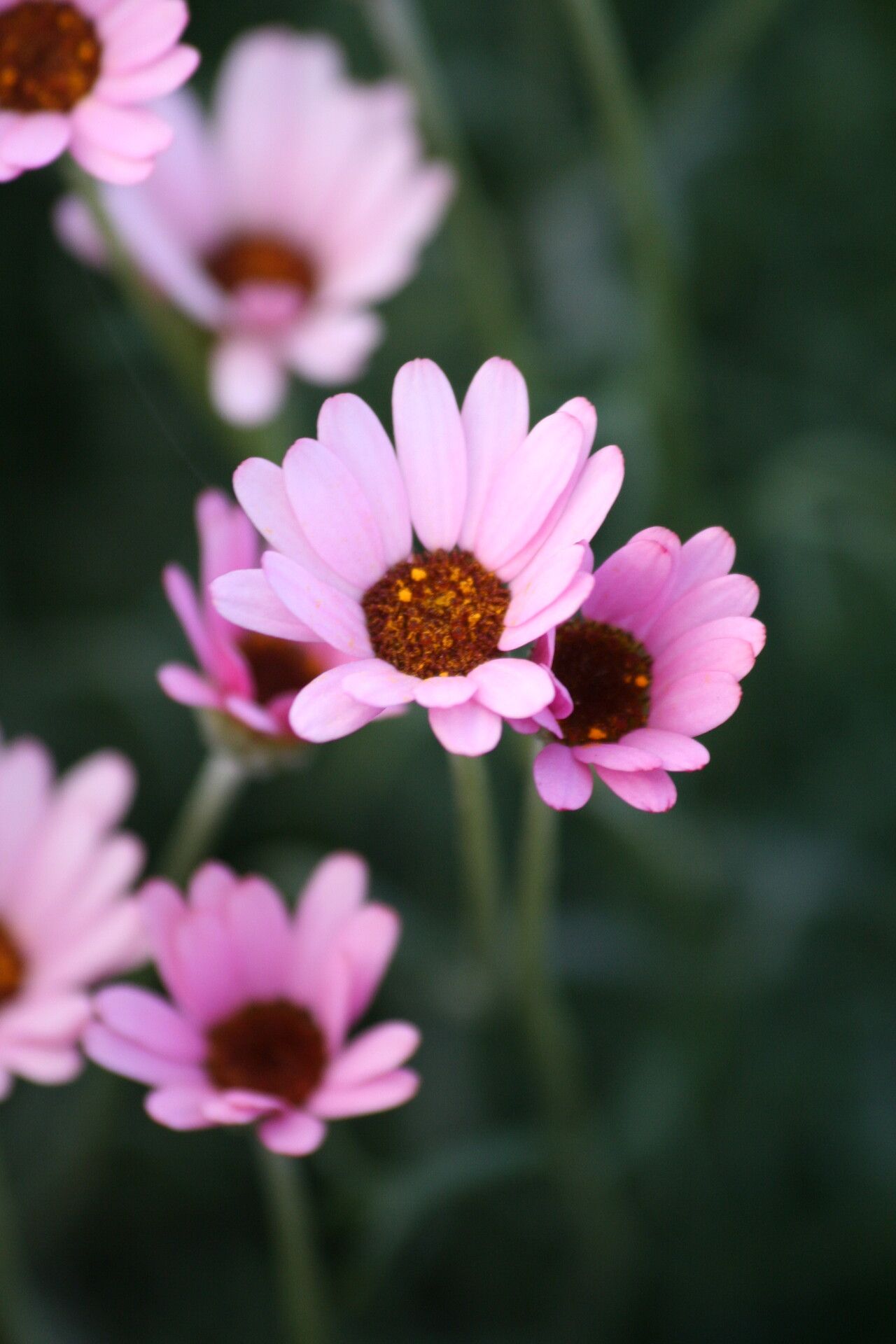
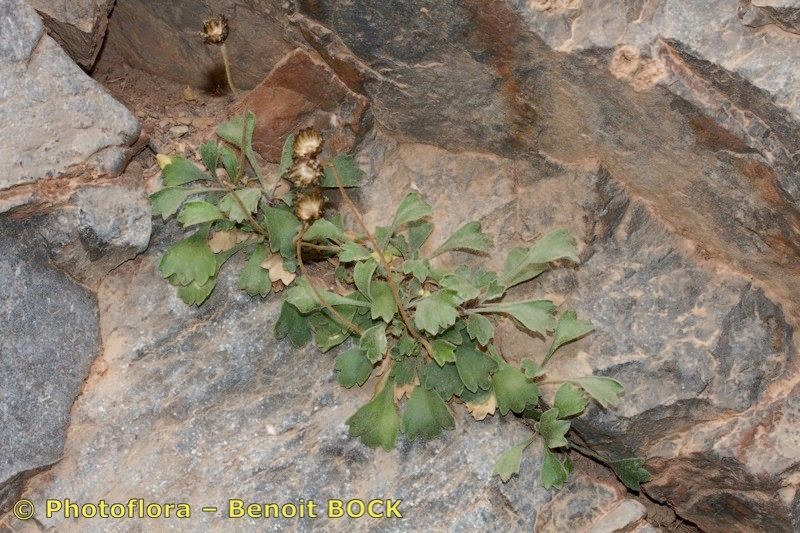
Early in the season, soft pink, daisy-like flowers bloom on a neat, compact mound of grey-green foliage that remains attractive all year round. The blooming may pause during the summer heat but will resume from late summer to fall as the weather cools. This plant is ideal for containers or landscape use.
Moroccan daisy has good resistance to disease and is typically not prone to problems. Still, it can be vulnerable to pests and diseases present in its environment. These infections are normally not serious. For care, this plant requires a moderate level of maintenance. It needs regular pruning to keep a neat appearance and encourage healthy growth. Fertilizing can also help stimulate flowering. Moroccan daisy is appropriate for anyone with outdoor areas, such as a garden or patio, and does not demand extensive care experience. It may need more attention when grown indoors.
How to keep Rhodanthemum Hosmariense.
Light
The Moroccan daisy is a sun-loving perennial herbaceous plant native to open habitats, commonly thriving in meadows and grasslands. It prefers full sun but can also tolerate partial sun conditions.
Water
The Moroccan daisy thrives in arid climates, demonstrating excellent drought resistance. Although it prefers moderate moisture, it only requires watering twice a week for optimal growth. As an evergreen plant that grows outdoors, the Moroccan daisy benefits from regular rainfall, which aligns with its natural water cycle.
Temperature
Moroccan daisy is fairly adaptable to heat and wide temperature fluctuations. In hot conditions, attention should be paid to watering and suitable shading provided to prevent sunburn. Conversely, it has relatively low tolerance for cold. While it can endure some chill, extremely cold conditions can cause frost damage.
Fertilizer
The best time to fertilize a Moroccan daisy is in early spring, as it comes out of dormancy and starts active growth. Fertilization supplies essential nutrients for healthy development. Although the Moroccan daisy has relatively low fertilizer requirements, applying fertilizer annually can enhance its survival and encourage better, longer-lasting flowers.
Pruning
The Moroccan daisy is known for its daisy-like flowers and silver-green foliage. To promote bushiness and more blooms, prune it in early to late spring. Trim back one-third of its growth and remove any spent flowers. Be careful not to prune too heavily, as this can stress the plant. Light pruning helps maintain a compact shape, improves air circulation, and reduces the risk of disease.
Pot & Repot
Repot your Moroccan daisy every 2 to 3 years in early spring. Use a pot that is 1 to 2 inches larger than the current one. Ensure the plant has well-draining soil and receives moderate moisture. Moroccan daisies thrive in partial sunlight and should be protected from extreme conditions after repotting to encourage vibrant blooms and lush foliage.
Botanical profile.
- Plant Type
- Herb, Shrub
- Life Cycle
- Perennial
- Genus
- Rhodanthemum
- Family
- Asteraceae
- Hardiness Zone
- 8-10
- Mature Height
- 30 cm
- Mature Spread
- 30 cm
- Leaf Color
- Gray, Silver
- Leaf Type
- Evergreen
- Flower Color
- White
- Flower Size
- 3.05 cm to 5.08 cm
- Bloom Time
- Spring, Summer
- Planting Time
- Spring, Autumn
- Harvest Time
- Late spring, Summer, Early fall
- Native Area
- Morocco
Other names.