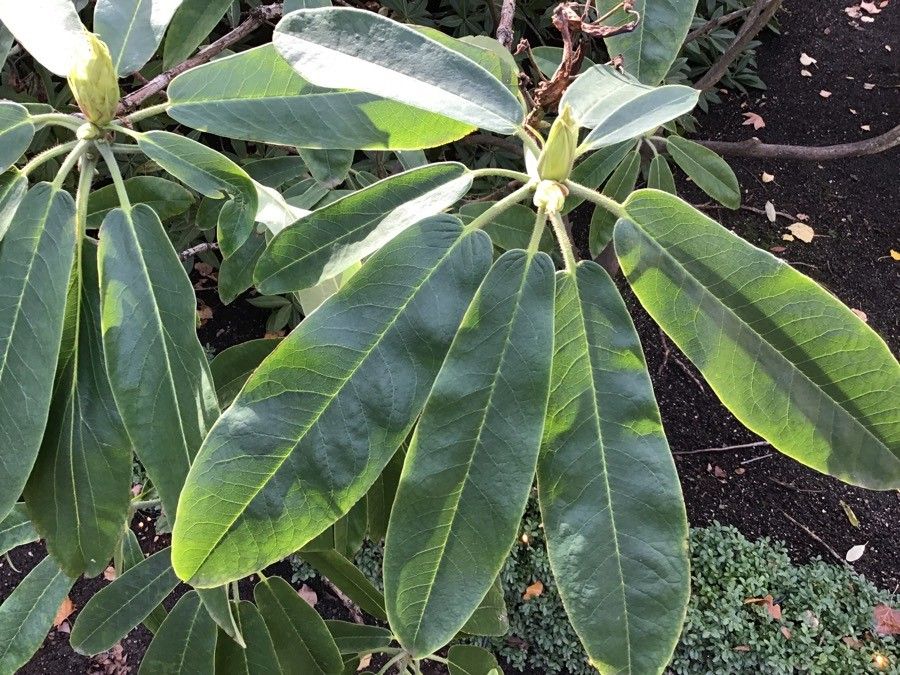
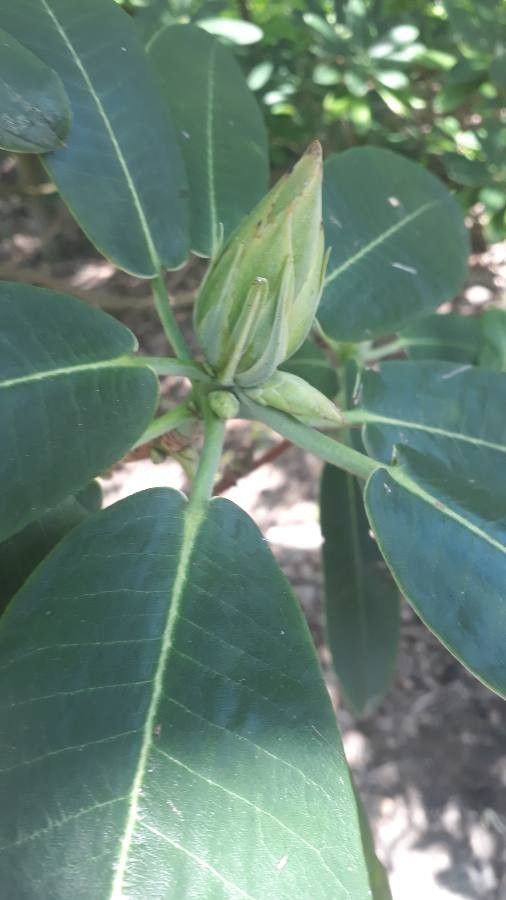
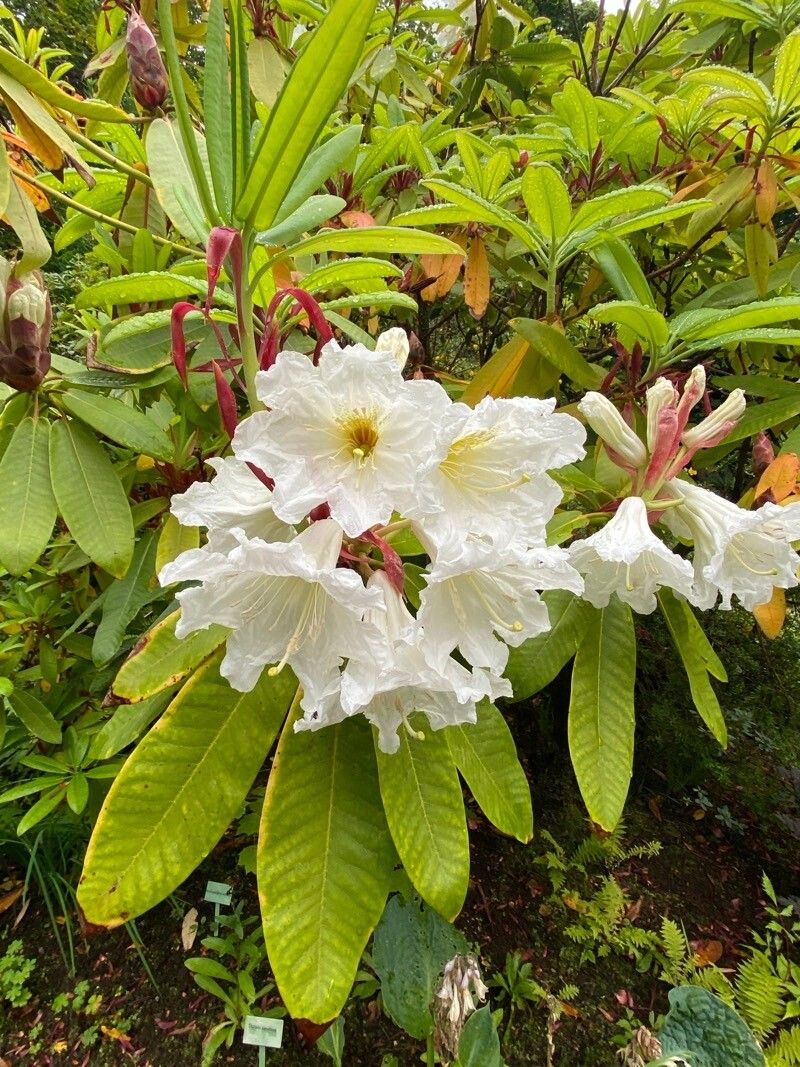
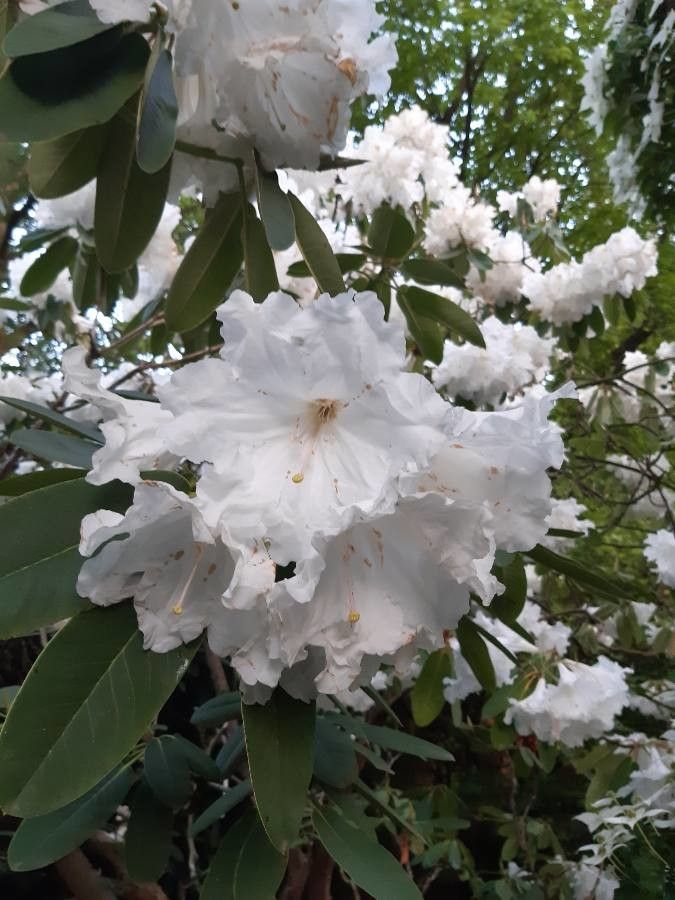
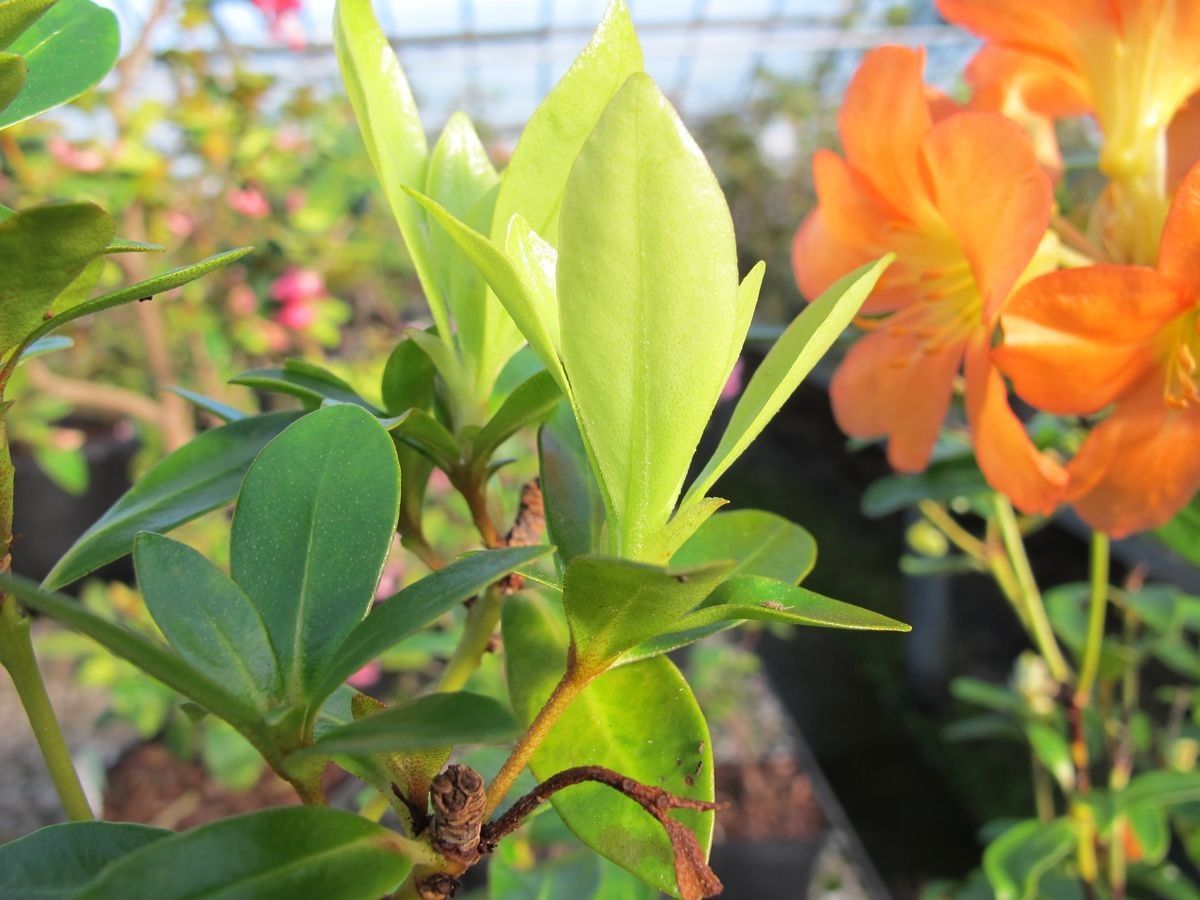
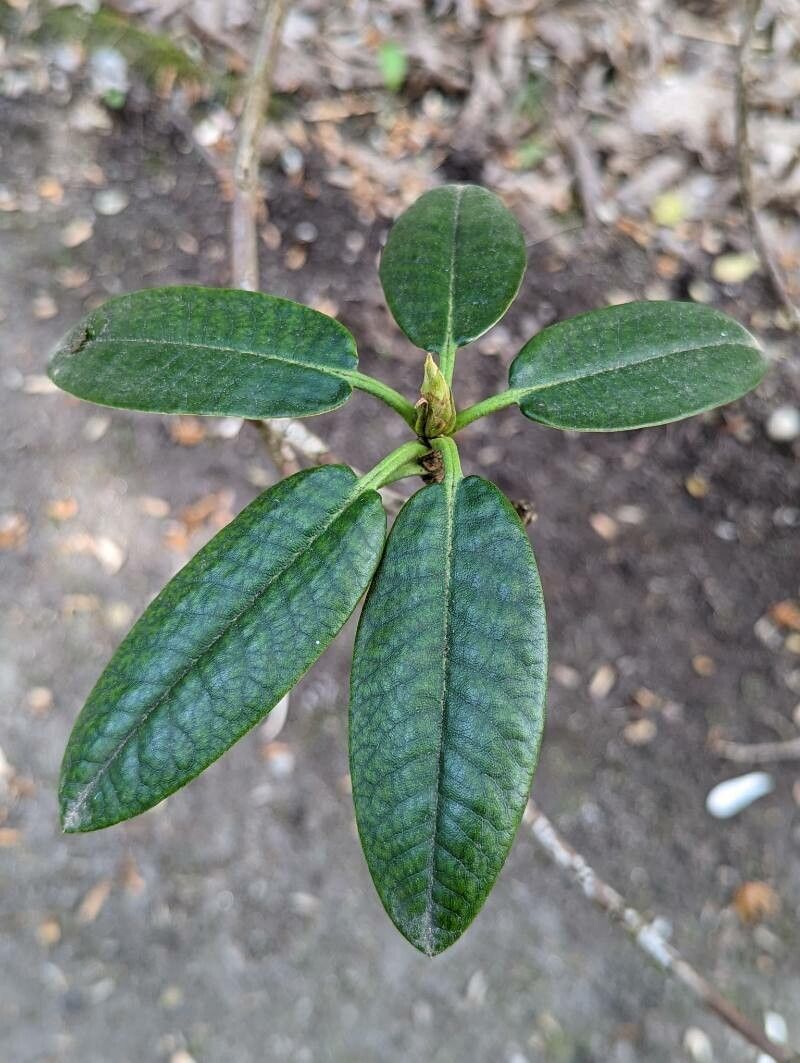
The lobed rhododendron is resistant to disease and typically not susceptible to illnesses. As for care, this plant is fairly low-maintenance. When grown outdoors it needs only light watering, and larger specimens usually do not require pruning. Smaller plants, however, should be pruned after they finish blooming. The lobed rhododendron is appropriate for anyone with an outdoor area, like a garden or deck, and does not need much prior care experience.
How to keep Rhododendron Auriculatum.
Light
Lobed rhododendron grows best in spots with moderate light, reflecting the conditions of its native habitat. Excessive light can scorch the leaves, while too little light may impede growth and flowering. Its light requirements can vary through different growth stages; this is characteristic of a plant adapted to environments with changing light levels.
Water
The lobed rhododendron thrives in humid, subtropical highlands where it enjoys consistent moisture and cool mists. It grows best in evenly moist soil and should be watered every 2 to 3 weeks, allowing the soil to partially dry between watering. Typically, this plant is grown outdoors in cooler climates, so it is important to adjust irrigation based on the local rainfall patterns.
Temperature
Lobed rhododendron originates from climate zones where temperatures typically range from 59 to 95 °F (15 to 35 ℃). It thrives within that range and may perform poorly in extreme cold or heat. Seasonal temperature adjustments should be taken into account to meet its needs.
Fertilizer
Timing is essential for fertilizing Lobed rhododendron. Apply fertilizer in early spring and continue monthly through early summer. The fertilizer encourages attractive blooms and supplies energy during both dormant and active growth periods.
Pruning
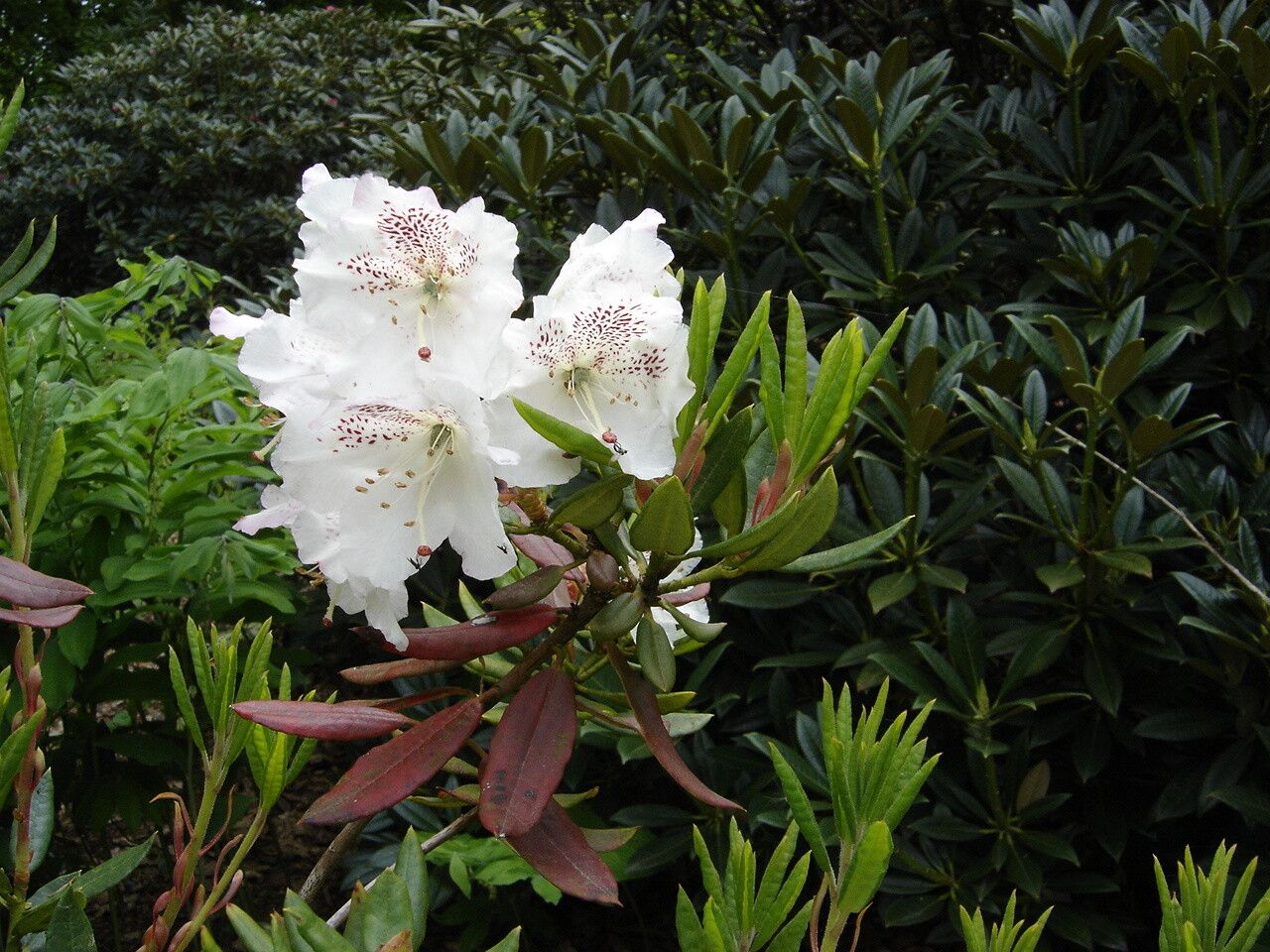
The lobed rhododendron showcases vibrant blooms and dense foliage. To keep it healthy, prune it after it finishes flowering in late spring. During pruning, remove any dead wood and thin out crowded branches to improve air circulation. Be careful not to prune too heavily, as this can reduce the number of blooms next year. It's important to sanitize your tools during this process to prevent the spread of disease, which will also help promote vigorous growth and more abundant flowering.
Botanical profile.
- Plant Type
- Shrub
- Life Cycle
- Perennial
- Genus
- Rhododendron
- Family
- Ericaceae
- Hardiness Zone
- 7-9
- Mature Height
- 6.1 m
- Mature Spread
- 4.88 m
- Leaf Color
- Dark Green, Forest Green
- Leaf Type
- Evergreen
- Flower Color
- White
- Flower Size
- 10.16 cm
- Bloom Time
- Early summer, Mid summer
- Planting Time
- Spring, Summer
- Harvest Time
- Late summer, Early fall, Mid fall
- Native Area
- China
Reader questions.
What type of sunlight conditions are required for Lobed Rhododendron?
Lobed Rhododendron thrives in conditions that mimic its native habitat, requiring modest sunlight exposure to prevent leaf scorch from excessive light and to avoid hindered growth and flowering due to insufficient light. It demands about 3-6 hours of sunlight, classified as partial sun, while areas receiving above 6 hours are considered full sun. The plant's needs might change through different growth stages, reflecting its adaptation to environments with varying light levels.
What are the ideal climate conditions for Lobed Rhododendron?
Lobed Rhododendron thrives in climate zones where temperatures generally range between 59 to 95 °F (15 to 35 °C). It has strong cold resistance and usually doesn't require special frost protection measures. However, in regions where winter temperatures can drop below -15°C, providing cold protection by wrapping the trunk and branches with non-woven fabric or cloth is beneficial. Additionally, before the first freeze in autumn, it is advisable to water the plant abundantly to ensure the soil remains moist and enters a frozen state, which helps prevent drought and water scarcity during winter and early spring.
What should I do when the Lobed Rhododendron does not get enough natural sunlight?
When the Lobed Rhododendron doesn't receive sufficient natural sunlight, particularly during winter or in less sunny spaces, artificial lighting becomes essential for optimal growth. LED lights are recommended for their ability to provide specific light wavelengths needed by the plants. Full sun plants require 30-50W/sq ft, partial sun plants need 20-30W/sq ft, and full shade plants need 10-20W/sq ft of artificial light. The light source should be placed 12-36 inches above the plant, mimicking natural sunlight for about 8-12 hours per day.
How does Lobed Rhododendron react to low temperatures?
Lobed Rhododendron is cold-tolerant and fares best when the temperature remains above 15°C. During winter, it should ideally be kept above -10°C. If temperatures fall below -15°C, the plant might not display immediate changes, but by spring, the branches could become brittle and dry, and no new shoots might emerge. To mitigate damage, it's recommended to prune away any dead branches that fail to produce new leaves in spring.
What are the symptoms of insufficient or excessive light in Lobed Rhododendron?
Symptoms of insufficient light include smaller new leaves, leggy or sparse growth, faster leaf drop, slowed or halted growth, and lighter-colored or pale new leaves. Excessive sunlight can lead to chlorosis (leaves turning yellow due to chlorophyll breakdown), sunscald (damaged plant tissue), leaf curling (reducing surface area exposed to sunlight), wilting, and leaf scorching (brown, dry, crispy patches on leaves). These signs indicate the plant's struggle with its current light conditions.
What should be done if Lobed Rhododendron experiences high temperatures?
During summer, it's crucial to keep Lobed Rhododendron's temperature below 35°C. Should the temperature exceed 38°C, the leaves might lighten in color, tips may become dry and withered, and the plant becomes more susceptible to sunburn. In such situations, it's beneficial to trim away sunburned and dried-up parts, relocate the plant to a shaded area, or use shade cloth to protect it from midday and afternoon sun. Additionally, watering the plant in the morning and evening to maintain soil moisture is advisable.
How can I alleviate symptoms of incorrect lighting for indoor and outdoor Lobed Rhododendron plants?
To mitigate incorrect lighting symptoms in Lobed Rhododendron, gradually expose the plant to more sunlight by shifting it to sunnier spots weekly, aiming for 3-6 hours of direct sunlight daily. If moving the plant isn't feasible, use artificial lighting like desk or ceiling lamps for at least 8 hours daily, or invest in professional plant grow lights. For outdoor plants, avoid sudden changes to prevent sunburn, and consider transplantation for smaller plants to areas with better sunlight exposure. Reducing obstructions such as pruning trees can also improve sunlight access. Note that parts of the plant damaged by light deficiencies might not recover, but new growth should be healthy with appropriate light adjustments.