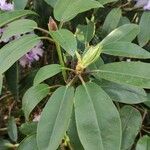
Rhododendron catawbiense
Catawba rhododendron · Mountain rose bay · Purple-laurel · Catawba Rosebay · Mountain Rosebay
Description
Source: leafsnapRhododendron catawbiense, commonly known as Catawba rhododendron, is an evergreen shrub that belongs to the Ericaceae family. It is native to the southeastern United States, particularly the Appalachian Mountains. The plant can grow up to 6 feet tall and 8 feet wide, featuring dark green, leathery, and glossy leaves. It produces large, showy clusters of pink or purple flowers that bloom in late spring or early summer. Rhododendron catawbiense prefers acidic soil with good drainage and thrives in partial shade to full sun exposure. The plant can withstand cold temperatures down to -20°F (-29°C), although it may suffer winter damage if exposed to strong winds or extreme cold. In landscaping, Catawba rhododendron can be used as a specimen plant or as part of a mixed border planting scheme. It also attracts pollinators such as bees and butterflies, adding to its ecological value. While Rhododendron catawbiense is generally easy to grow, it may be susceptible to diseases such as root rot if planted in poorly drained soil conditions. Additionally, all parts of the plant are toxic if ingested by humans or animals. Overall, Rhododendron catawbiense makes an attractive addition to any garden due to its beautiful flowers that bloom in late spring and early summer. Its ability to attract pollinators like bees and butterflies makes it an ideal choice for gardeners seeking low-maintenance plants that add beauty and color while also benefiting the ecosystem.
💡 Rhododendrons, like the catawba rosebay, are cherished for their beautiful flowers and long, leathery leaves. However, they do not thrive near trees that produce juglone, such as Black Walnuts. These shrubs prefer shaded areas with moist soil. Additionally, their foliage is easily damaged by deer browsing. It's important to note that this plant is poisonous to humans.
🌳 Catawba rosebay is more than an attractive shrub; it has a broad range of uses. Its flowers and leaves can be used to produce natural dyes, from soft shades to deep tones, making it an environmentally friendly option for the textile sector. Additionally, it provides a habitat for certain fungi and bacteria, some of which are known to suppress harmful microbes, suggesting pharmaceutical potentials that remain not yet fully explored.
🎭 Danger — take heed, I am dangerous
Care Guide
💧 Water Every 7 days
Catawba rosebay thrives in humid mountain environments, preferring consistently moist soil but can tolerate occasional dry spells. Water the plant every 1-2 weeks and apply mulch to help retain moisture. As an evergreen, this plant requires regular watering to keep its foliage healthy all year round.
When Should I Water My Catawba Rosebay?
Watering your Catawba Rosebay should be prompted by several indicators. First, assess the soil moisture by checking if the top 1-2 inches of soil are dry. Wilting or drooping leaves suggest that the plant needs water. Similarly, yellowing or browning of leaves implies under-watering stress. During the flower blooming stage, regular watering is crucial to support vibrant blooms. The plant's water needs increase under hot weather and prolonged sun exposure. However, be mindful of the risks of overwatering, such as root rot, and underwatering, which can lead to wilted leaves and stunted growth. Properly managing your Catawba Rosebay's watering schedule is essential for its health and longevity.
How Should I Water My Catawba Rosebay?
The Catawba Rosebay has specific watering needs that should be carefully observed for optimal growth. The most effective method is deep watering, ensuring that the water reaches the entire root ball and drains out of the bottom of the pot, promoting healthy root development. Avoid shallow watering as it can lead to drought stress. When using a watering can, opt for one with a long spout to direct water flow towards the soil around the root zone, preventing unnecessary wetting of the foliage.
How Much Water Does Catawba Rosebay Really Need?
The Catawba Rosebay's water requirements depend on various factors like pot size, plant size, and root depth. A mature plant typically needs 2-3 gallons per watering session, ensuring the water thoroughly soaks the soil to reach deeper roots. Vibrant-colored leaves and blooming flowers are indicators of appropriate watering. Over-watering and under-watering can both lead to significant health issues for the plant, such as root rot or dehydration, emphasizing the importance of monitoring and adjusting water application as needed.
What Kind of Water is Best for Catawba Rosebay?
Catawba Rosebay thrives best with rainwater or distilled water due to its chlorine and fluoride sensitivity. While tap water is usable, it's recommended to let it sit for 24 hours for chlorine to evaporate. A charcoal filter can help remove harmful elements, and a pH balancer may be beneficial for maintaining slightly acidic water, ideal for the plant's health. Water temperature should also be considered, with room temperature being most suitable to avoid root shock.
How Do Catawba Rosebay's Watering Needs Change with the Seasons?
Catawba Rosebay's watering needs vary throughout the year. In spring, as the plant exits dormancy, it requires more water, but be cautious of overwatering. A layer of organic mulch can help conserve moisture. Summer's heat increases water demands, necessitating careful monitoring for dry soil and ensuring proper drainage. Watering needs lessen in autumn as the plant prepares for dormancy, where mulching helps preserve moisture and protect roots. During winter, water sparingly, only when the soil is significantly dry, to avoid root rot, especially in poorly drained soil.
☀️ Light Partial sun
The Catawba rosebay flourishes with a well-regulated blend of sunshine and shade, particularly throughout the searing afternoon period. Its habitats of origin demonstrate this necessity, demanding a combination of unobstructed area and covering foliage. Overexposure can result in leaf burn, whereas insufficient sunlight may impede blooming and expansion.
What are the sun requirements for Catawba rosebay?
Catawba rosebay requires a balance of sun and shade throughout the day to thrive. It does well in partial sun, which means about 3-6 hours of sunlight, but can also tolerate full sun conditions, meaning more than 6 hours of sunlight. It's important to monitor the movement of sunlight in your garden to find a location that offers an optimal mix of light and shade, which is crucial for the plant's health and happiness.
How essential is sunlight for the growth of Catawba rosebay?
Sunlight is crucial for the healthy growth of Catawba rosebay. It thrives with a good balance of sun and shade, particularly needing protection during intense afternoon hours. Originating from environments with a mix of open spaces and canopy cover, Catawba rosebay can suffer from leaf scorch due to too much exposure or experience inhibited growth and flowering due to insufficient sunlight. Artificial lighting can support indoor plants by promoting faster, healthier growth when natural sunlight is inadequate.
What are the signs that Catawba rosebay isn't getting enough light?
When Catawba rosebay doesn't receive sufficient light, it may exhibit several symptoms including smaller new leaves, leggy or sparse growth, faster leaf drop, slower or halted growth, lighter-colored new leaves, and conditions such as chlorosis or sunscald. These signs indicate a lack of chlorophyll and essential nutrients, or damage caused by excessive sunlight exposure respectively. It's important to address these symptoms promptly to ensure the plant's health.
What solutions are available for Catawba rosebay experiencing light-related issues?
To optimize growth for Catawba rosebay experiencing light-related issues, gradually increase its exposure to sunlight by moving it to sunnier spots weekly until it gets 3-6 hours of direct sunlight daily. For indoor plants or those that are not easily movable, consider using artificial lighting, ensuring it's on for at least 8 hours daily. Outdoor plants should also be moved gradually to prevent sunburn. Note that parts of the plant affected by insufficient light may not recover, but new growth will be healthy if the light conditions improve. Additionally, reducing obstructions like trees or transplanting the plant during its dormant period can significantly increase its sunlight exposure and overall health.
🌡️ Temperature 5–32.2°C
The Catawba rosebay is a type of woody plant that thrives in a temperate climate, favouring temperatures between 41 and 90 ℉ (or 5 to 32 ℃). It originates from regions with mountainous geography and prefers cooler summer temperatures. During winter, with appropriate adaptations, it has the ability to withstand temperatures dropping to as low as -10 ℉ (-23 ℃).
What are the essential requirements for growing Catawba rosebay?
Catawba rosebay (Rhododendron catawbiense) is a temperate woody plant that thrives in a temperature range of 41 to 90°F (5 to 32°C). This plant is native to mountainous regions, requiring cool temperatures during the summer months and being capable of tolerating winter temperatures as low as -10°F (-23°C) with proper care. Catawba rosebay has strong cold resistance, typically not requiring special frost protection measures. However, if winter temperatures are expected to drop below the plant's cold tolerance threshold, protection like wrapping the trunk and branches with non-woven fabric or cloth is advisable. Additionally, it is beneficial to water the plant abundantly before the first freeze in autumn to ensure the soil remains moist and enters a frozen state, helping to prevent drought during the colder months.
How should I care for Catawba rosebay in low temperatures?
Catawba rosebay is highly cold-tolerant, requiring temperatures to stay above a certain minimum during winter to ensure healthy growth. Although the plant may not show noticeable changes during winter, exposure to temperatures below its cold tolerance limit can lead to brittle and dry branches by spring, with a lack of new shoots emerging. If such damage occurs, it is advised to prune away the dead branches that fail to produce new leaves in the spring as a solution to encourage healthy growth.
How does high temperature affect Catawba rosebay and what should I do?
During the summer, it is important to keep Catawba rosebay's exposure to temperatures below its maximum tolerance level to prevent heat stress. High temperatures can cause the plant's leaves to lighten in color and the tips to become dry and withered, making the plant more susceptible to sunburn. To counteract the effects of excessive heat, trim away any sunburned and dried parts of the plant. Moving the plant to a shadier location or using a shade cloth can protect it from the harsh midday and afternoon sun. Ensuring the soil remains moist through watering in the morning and evening is also crucial during hotter periods.
💨 Humidity
🪴 Soil 4-6
🌱 Fertilizer
It's vital to time the fertilization of Catawba rosebay accurately. Start the fertilization process in the beginning of spring and carry on once a month until the start of summer. Fertilizers contribute to the production of stunning flowers and deliver energy throughout both dormant and growing stages.
Why do I have to add fertilizer to my Catawba rosebay?
Fertilizing your Catawba rosebay has several important benefits. Firstly, it helps the plant produce beautiful blooms. To achieve excellent flowers during the season, it is recommended to fertilize the rosebay in early spring. Secondly, fertilizer provides the plant with ample energy that can be stored in the ground during dormant growth phases. By giving the rosebay extra nutrients during fall planting or late spring, it can retain more energy to use once active growth resumes.
When should I fertilize my Catawba rosebay for the best results?
To effectively fertilize Catawba rosebay, timing is crucial. Applying fertilizer too early, while the Catawba rosebay is still dormant, can render it ineffective and lead to the fertilizer being washed away by rainwater, resulting in waste and pollution. It is recommended to start the first application of fertilizer in the early spring and continue fertilizing monthly until early summer.
When should I not put fertilizer on my Catawba rosebay?
To avoid excessive leaf growth and limited blooms, it is important to avoid using a fertilizer with too much nitrogen on Catawba rosebay. Instead, choose a fertilizer that has a lower level of nitrogen compared to other nutrients. Additionally, it is essential not to fertilize the plant after early autumn, as this can result in excessive growth right before winter. Furthermore, it is not recommended to fertilize Catawba rosebay during hot and dry periods because dry soil does not effectively deliver the fertilizer, and this can lead to stimulated growth that requires more water, which may not be readily available. It is advisable to apply fertilizer earlier in the season when temperatures are cooler. Lastly, keep in mind that Catawba rosebay can absorb fertilizer that has been applied to neighboring plants or lawns, so be cautious to avoid inadvertently providing the plant with a double dose of fertilizer.
What kind of fertilizer does my Catawba rosebay plant require?
When fertilizing a Catawba rosebay, it is best to use a fertilizer with a balanced mix of the main plant nutrients, but slightly higher levels of phosphorus. Another option is to improve the soil by adding organic materials like compost, worm castings, and manure. Experienced gardeners may choose to supplement with water-soluble fertilizers containing phosphorus when the flower buds start to appear. This helps the flowers develop and allows for larger blooms and a longer blooming period. Fertilizers for Catawba rosebay can come in various forms, but liquid or powdered forms tend to work best. Regardless of the form, it is important to dilute the fertilizer and apply it while watering the plant.
How should I add fertilizer to my Catawba rosebay plant?
To properly fertilize your Catawba rosebay, it is important to follow the specific directions for the type of fertilizer you are using. Take the time to research the proper application methods for your specific plant. Avoid over-fertilizing, as using the correct amount is crucial. A general guideline is to base the amount of fertilizer on the tree's age or trunk diameter. Estimate about one-tenth of a pound of fertilizer per year or per inch of trunk, with a maximum of one pound. To apply granular or organic fertilizers, such as blood meal, sprinkle them around the tree's base, extending all the way to the drip line (the space beneath the outermost branches). Make sure the fertilizer does not come into contact with the trunk. Over time, the granules will break down and filter into the soil, where the roots can absorb the nutrients. After fertilizing, spread a one-inch layer of compost around the base of the tree and thoroughly water. This will help enrich the soil and provide additional nourishment for your Catawba rosebay.
🪴 Pot & Repot 2-3 years
While repotting Catawba rosebay, opt for a pot that is 1-2 inches (2.5-5 cm) larger and provides sufficient drainage. Employ a potting mix that drains well. Choose to repot during spring or autumn, guaranteeing that the flower pot's rim is a little lower than the root ball. After repotting, make sure to hydrate the plant thoroughly and position it in a warm location with indirect sun exposure.
✂️ Pruning
Catawba rosebay thrives with regular pruning, which is best done in late spring after it has finished blooming. Begin by cutting away any dead branches, then thin out the center to improve airflow. Trim back any leggy shoots to encourage a bushier appearance. Light pruning not only enhances flowering, but also improves the plant's overall health and growth, while reducing the risk of disease.
🌿 Propagating
🐛 Diseases & pets
☠️ Toxicity
Characteristics
- Plant Type
- Shrub
- Life Cycle
- Perennial
- Genus
- Rhododendron
- Family
- Ericaceae
- Hardiness Zone
- 4-8
- Mature Height
- 3.05 m
- Mature Spread
- 1.83 m to 2.44 m
- Leaf Color
- Green, Yellow, Gold
- Leaf Type
- Evergreen
- Flower Color
- Lavender, White
- Flower Size
- 3.05 cm to 4.57 cm
- Bloom Time
- Late spring, Early summer
- Planting Time
- Spring, Autumn
- Harvest Time
- Mid summer
- Native Area
- From North America to Europe, Russia, and Asia, and from Greenland to Queensland, Australia