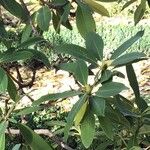
Rhododendron macrophyllum
California rose bay · Californian Rosebay · Pacific rhododendron · California rhododendron · California rosebay
Description
Source: leafsnapRhododendron macrophyllum, commonly known as the Pacific rhododendron, is a species of flowering plant native to the western coast of North America. This large evergreen shrub can grow up to 30 feet tall and 20 feet wide. It produces clusters of striking pink or purple flowers in late spring or early summer, which attract bees and hummingbirds. The plant's leaves are large and leathery, with a glossy dark green surface on top and a lighter green underside. The bark is smooth and grayish-brown. Rhododendron macrophyllum thrives in moist, well-drained soil with acidic pH levels between 4.5 and 6.0. It does well in partial shade but can also tolerate full sun if it receives enough moisture. For centuries, indigenous peoples have used the Pacific rhododendron medicinally to treat various ailments such as headaches, fever, coughs, and sore throats. Overall, Rhododendron macrophyllum is an attractive ornamental shrub that enhances garden beauty and provides important ecological benefits, such as serving as a habitat for wildlife species like birds and insects.
💡 The journey to becoming Washington State's official flower in 1959 was not an easy one. It all began in 1892, long before the official designation, when the Pacific rhododendron was suggested as a fitting symbol for the "Evergreen State." In a vote open only to women at the time, the Pacific rhododendron emerged victorious and eventually gained approval from the state Senate.
🌳 Pacific rhododendron is valued for more than its decorative qualities. Its showy blooms and resilience make it a favorite with gardeners and landscapers. Ecologically, Pacific rhododendron is important for native bees and butterflies, offering nectar and habitat. Its potential as a bioindicator for certain soil conditions is poorly studied but points to a possible role in environmental monitoring.
🎭 Caution. Be warned — I am dangerous.
Care Guide
💧 Water Every 7 days
The Pacific rhododendron, native to moist regions, prefers well-drained soils and consistent moisture. It should be watered every 1 to 2 weeks, allowing the soil to slightly dry out between waterings. Typically grown outdoors, this plant thrives when mulched, as the mulch helps retain moisture and mimics its natural habitat with decaying organic matter.
How should I water my Pacific rhododendron effectively?
When watering your Pacific rhododendron, you have flexibility in choosing the watering tool. Whether it's a watering can, hose, or even a cup, any common tool will suffice. Regardless of the tool, it's important to water directly on the soil, making sure to evenly moisten all areas to provide equal water distribution to the root system. Using filtered water is recommended to avoid harmful particles found in tap water. Additionally, using water at or slightly above room temperature is beneficial as extreme temperatures can be somewhat shocking to the plant. However, the Pacific rhododendron generally responds well to any type of water.
What should I do if I give my Pacific rhododendron too much water or too little water?
When it comes to outdoor plants, especially newly planted ones or seedlings, they can be prone to not getting enough water. It's important to remember to water them adequately for the first few months, especially when they are small or newly planted. Once the roots are established, Pacific rhododendron plants can mostly rely on rain. If you have Pacific rhododendron plants in pots, overwatering is more likely to happen. If you accidentally overwater your Pacific rhododendron, you should address the situation immediately. First, stop watering the plant to minimize the effects of overwatering. Then, examine the roots by taking the plant out of its pot. If there is no root rot, you can place the plant back in the pot. However, if there is root rot, trim away the affected roots and consider using a fungicide to prevent further damage. Finally, repot the Pacific rhododendron in well-draining soil. In the case of underwatering, simply water the plant more frequently. Underwatering is usually an easy fix. When a plant is underwatered, its leaves may droop, dry out, and fall off. Once properly watered, the leaves will quickly regain their fullness. It's important to adjust your watering frequency as soon as you notice underwatering happening.
How frequently should I water my Pacific rhododendron?
Most outdoor plants can survive with natural rainfall, but if your area lacks rain, you should water them every two weeks in spring and fall. In the summer, you'll need to water more often, but in winter you can water less since the plants grow slower and need less water. Sometimes, you may not need to water at all during the winter. If your Pacific rhododendron is young or newly planted, it will need more frequent watering to help it grow and become more adaptable to drought conditions. For potted plants, there are two ways to determine how often to water your Pacific rhododendron. The first is to follow a set schedule, watering once a week or every other week. However, this may not always work because it doesn't consider the specific conditions of your plant's environment. Watering frequency can also change based on the season. During summer, when the plant needs more water, a predetermined schedule might not be enough. Another approach is to check the soil moisture. Typically, it's best to wait until the top two to four inches of soil (around a third to half the depth of the pots) are completely dry before watering again.
How much water does my rhododendron from the Pacific need?
Watering your Pacific rhododendron can be a bit surprising because it doesn't always require a lot of water. Instead, if only a small amount of soil has dried since the last watering, giving it about five to ten ounces of water each time can promote healthy growth. To determine how much water to give, you can gauge the moisture level of the soil. Take note of how many inches of soil have dried out between waterings. To ensure your Pacific rhododendron gets the right amount of moisture, water it enough to moisten all the dry soil layers since the last watering. If more than half of the soil is dry, it's best to provide a bit more water. Keep adding water until you see drainage occurring from the pot's holes. If your plant is positioned outdoors in a rainy area, additional watering may not be necessary. For young or newly established Pacific rhododendrons, aim for 1-2 inches of rain per week. As the plant matures, it can mainly rely on rainwater, except during hot weather or long periods without rainfall, in which case a full watering can prevent stress.
How do I know if I'm watering my Pacific rhododendron enough?
Overwatering is a common issue for the Pacific rhododendron, and there are specific signs to watch out for. When overwatered, the plant's leaves turn yellow and may even fall off. Additionally, overwatering can cause the overall structure of the plant to wither and lead to root rot. On the contrary, an underwatered Pacific rhododendron will also start to droop. Its leaves may become brown and brittle to the touch. Whether you notice signs of overwatering or underwatering, it is important to take action and restore the plant's health.
☀️ Light Full sun
The pacific rhododendron grows best with plenty of sunlight, though it can tolerate stretches of reduced light. Native to sunlit locales, it became suited to that brightness. Too little light can cause stunted growth and weak flowering, while too much can burn the leaves.
How many hours of sunlight per day should Pacific rhododendron get to grow well?
To ensure healthy growth, Pacific rhododendron needs a minimum of 3-6 hours of sunlight each day. Most plants that can tolerate partial sun can also thrive in full sun. However, since they require less light for photosynthesis, they are more adaptable than plants that specifically need full sun or partial shade.
What kind of sunlight do Pacific rhododendron plants need?
Pacific rhododendron thrives when it is exposed to full or partial sun. It prefers direct morning sunlight, but during the summer, it requires some shielding from the intense afternoon sun. The leaves of the plant can get burnt and the overall health and appearance of the plant can be compromised in temperate environments if it receives too much hot afternoon sun.
Is sunlight bad for Pacific rhododendron? How can I protect Pacific rhododendron from damage caused by the sun and heat?
Indoor-planted Pacific rhododendron can easily get damaged by direct sunlight if moved outdoors. To prevent overexposure and sunburn, it's best to gradually move the pots from a shaded area to a brighter spot. However, even if the plants are acclimated to summer sun, they can still be harmed by extreme heat. When experiencing a heatwave, it's crucial to keep the soil consistently moist to help the plants cope with the excessive levels of heat. To protect the sensitive Pacific rhododendron during extreme weather events, consider moving container plants to areas with afternoon shade or using a shade cloth to cover them.
Should I keep Pacific rhododendron in the shade?
Pacific rhododendron benefits from bright morning sun and some full sun exposure. However, it cannot handle the harsh, hot midday summer sun. If it is planted in the ground, it can slowly adapt to the increasing summer sun intensity. However, if it is a potted plant that has been indoors or in a protected location, placing it suddenly in a location with direct summer sun in the hottest part of the day can cause injury. To protect the plant from the intense afternoon summer sun, it is advisable to plant or place it in an understory location where it is shaded at midday by taller trees, plants, a building, or a landscape feature.
What will happen if the Pacific rhododendron doesn't get enough sunlight?
When Pacific rhododendron doesn't get enough sunlight, it can become pale green and its leaves may droop and turn yellow. While it's normal for some leaves to fall off, if no new leaves are growing back, there's likely an issue. If the rhododendron manages to grow in low light conditions, the new growth is often weak, pale, and vulnerable to pests. By noticing these signs and adjusting the lighting, you can greatly improve the plant's health.
🌡️ Temperature 10–35°C
The pacific rhododendron does well in moderate temperatures of 50 to 95 ℉ (10 to 35 ℃) and can endure slight temperature variations. In its native habitat it prefers cool summers and mild winters, with temperatures from 41 to 68 ℉ (5 to 20 ℃). In summer, it is advisable to provide plenty of shade and moisture to prevent leaf wilting and injury.
What temperature is best for Pacific rhododendron?
The optimal temperature range for Pacific rhododendron is between 65 and 80℉ (18-27℃). During the main growing phase, it can tolerate temperatures as high as 95℉ (35℃) and as low as 15℉ (-10℃). This species can withstand freezing winters and is generally tolerant of low temperatures. The ideal temperature range for this plant is as follows: - Perfect: 65-80℉ (18-27℃) - Highest: 85-95℉ (30-35℃) - Lowest: -5-15℉ (-20 to -10℃) or below.
Do I need to change the temperature for Pacific rhododendron at different stages of growth?
According to research, Pacific rhododendron tends to have slower growth when exposed to long periods of higher temperatures, particularly when the axillary buds and main shoots are developing. To ensure robust growth after germination or transplanting, it is recommended to maintain a consistent and cooler temperature of around 65℉ (18℃).
How do I make sure Pacific rhododendron stays warm during cold seasons?
Pacific rhododendron can tolerate freezing temperatures as long as they are planted in the ground in areas that do not experience extreme temperatures below 15℉ (-10℃) during the winter. However, if these rhododendrons are planted in pots or containers, it is important to protect their roots from the cold. This can be done by wrapping the container in a blanket or by bringing it indoors to ensure complete protection from the winter weather.
If the temperature gets too hot or cold, how will it affect Pacific rhododendron?
Pacific rhododendron is at a greater risk if the temperature consistently gets too high rather than too low. When it becomes too hot, hormone triggers caused by heat stress can decrease seed germination and photosynthesis efficiency. This can be observed through wilting, leaf browning, and potential death of the plant. On the other hand, if the temperature drops too low, the plant's functions such as nutrient uptake and photosynthesis will stop, leading to possible plant death. A single freezing event during the growing season can cause a phase transition in the plant's membrane, resulting in halted functions and potential death.
What should I remember about temperature for Pacific rhododendron?
To maintain the health of Pacific rhododendron, it is crucial to keep the soil temperature stable. This will help promote successful budding, flowering, and new growth. To achieve this, consistently water the plants, add mulch to any bare soil, and consider planting them in shaded areas.
💨 Humidity
🪴 Soil 4-6
🌱 Fertilizer
Timing is essential when fertilizing Pacific rhododendron. Fertilize in early spring and continue monthly until early summer. Fertilizer promotes lovely blooms and supplies energy during both dormant and active growth phases.
Why should I add fertilizer to my Pacific rhododendron?
Fertilizing a Pacific rhododendron is important for several reasons. Firstly, it helps the plant produce beautiful blooms. To achieve this, it is best to fertilize in early spring. Additionally, fertilizer provides the rhododendron with extra energy that can be stored in the ground during its dormant growth phases. By giving the plant extra nutrients during fall planting or late spring, it can store more energy to use when it becomes active again.
What is the best time to fertilize my Pacific rhododendron?
To ensure the best results when fertilizing Pacific rhododendron, proper timing is key. Applying fertilizer too early, while the plant is still dormant, is ineffective and wasteful as it will just be washed away by rainwater. Instead, the first application of fertilizer should be made in early spring, followed by monthly applications until early summer.
When is the best time to not fertilize my Pacific rhododendron?
To ensure healthy blooming, it is advisable to avoid using a fertilizer with high levels of nitrogen for Pacific rhododendron. Such fertilizers may cause excessive leaf growth but fewer flowers. Instead, opt for a fertilizer that has a relatively lower amount of nitrogen when compared to other essential nutrients. It is important not to fertilize the plant after early autumn as this can result in too much growth right before winter, which is unfavorable. Also, refrain from fertilizing the rhododendron during hot and dry periods as dry soil is not as effective at delivering nutrients as moist soil. Fertilizing during such times can also stimulate growth that requires more water, which may not be readily available. Ideally, it is best to apply fertilizer earlier in the season when temperatures are cooler. Lastly, keep in mind that Pacific rhododendron can uptake fertilizer from nearby plants or lawns, so exercise caution to avoid accidentally providing the shrub with a double-dose of nutrients.
What kind of fertilizer should I use for my Pacific rhododendron?
The ideal fertilizer for a Pacific rhododendron is one that has a balanced mix of the three main plant nutrients, with slightly more phosphorus. Another option is to improve the soil for the rhododendron by adding organic materials like compost, worm castings, and manure. Some experienced gardeners will use water-soluble fertilizers with phosphorus when the flower buds start to appear, which helps the flowers grow bigger and bloom longer. There are many types of fertilizers that work well for Pacific rhododendron, but liquid or powdered forms are often considered the best. Regardless of the form you choose, make sure to dilute the fertilizer and apply it while watering the rhododendron.
How can I make my Pacific rhododendron grow better using fertilizer?
To effectively care for your Pacific rhododendron, it is essential to follow the specific fertilizer instructions and take the time to research how to apply it. Over-fertilization can harm your plant, so it is crucial to determine the correct amount to use. Typically, you can estimate the fertilizer amount by considering the tree's age or trunk diameter. A general guideline is to use one-tenth of a pound of fertilizer per year or per inch of trunk, not exceeding one pound. Apply granular or organic fertilizers like blood meal by sprinkling them around the tree's base, extending to the drip line (the area below the furthest branches). Avoid contact between the fertilizer and the trunk. Over time, the granules will break down and be absorbed by the roots through the soil. After fertilizing, spread a one-inch layer of compost around the base of the tree, ensuring it is watered thoroughly.
🪴 Pot & Repot 2-3 years
When repotting Pacific rhododendron, select a pot 1–2 inches (2.5–5.1 cm) larger that has good drainage. Use a well-draining potting mix. Repot in spring or fall, making sure the root ball sits slightly below the rim of the flower pot. Water thoroughly after repotting and place it in a warm spot with indirect sunlight.
✂️ Pruning
The Pacific rhododendron is an evergreen shrub known for its vibrant flowers. To maintain its health and appearance, prune it in late spring after it has finished blooming. During pruning, remove any dead branches and thin out crowded areas by cutting back to healthy leaves or buds to encourage new growth. Regular pruning improves air circulation, reduces the risk of disease, and encourages more vigorous blooming. Additionally, be sure to keep your tools clean to prevent infections.
🌿 Propagating
🐛 Diseases & pets
☠️ Toxicity
Characteristics
- Plant Type
- Shrub
- Life Cycle
- Perennial
- Genus
- Rhododendron
- Family
- Ericaceae
- Hardiness Zone
- 6-9
- Mature Height
- 2.13 m to 9.14 m
- Mature Spread
- 4.57 m
- Leaf Color
- Green
- Leaf Type
- Evergreen
- Flower Color
- Pink
- Flower Size
- 3.56 cm
- Bloom Time
- Late spring, Early summer
- Planting Time
- Spring, Autumn
- Harvest Time
- Mid summer
- Native Area
- Western North America