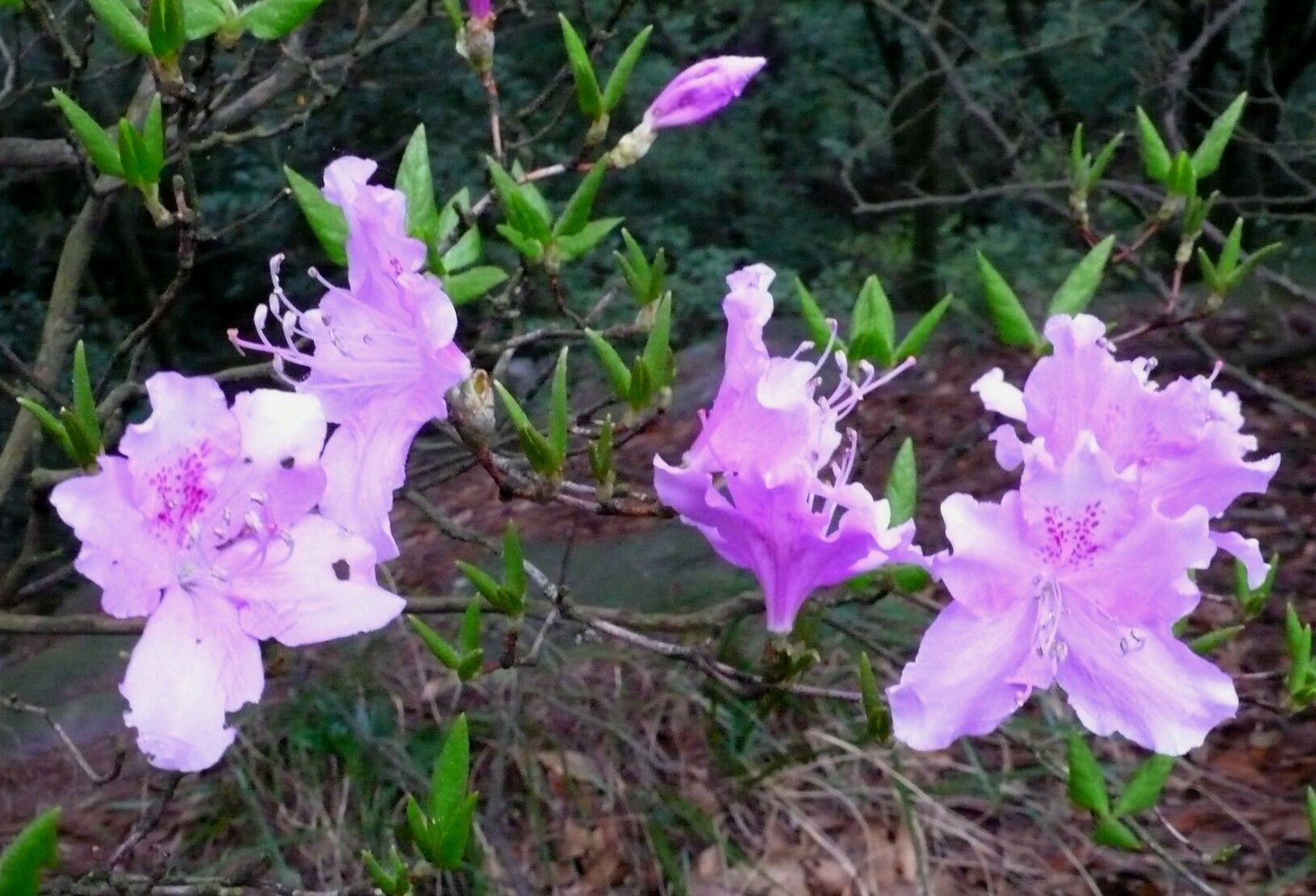
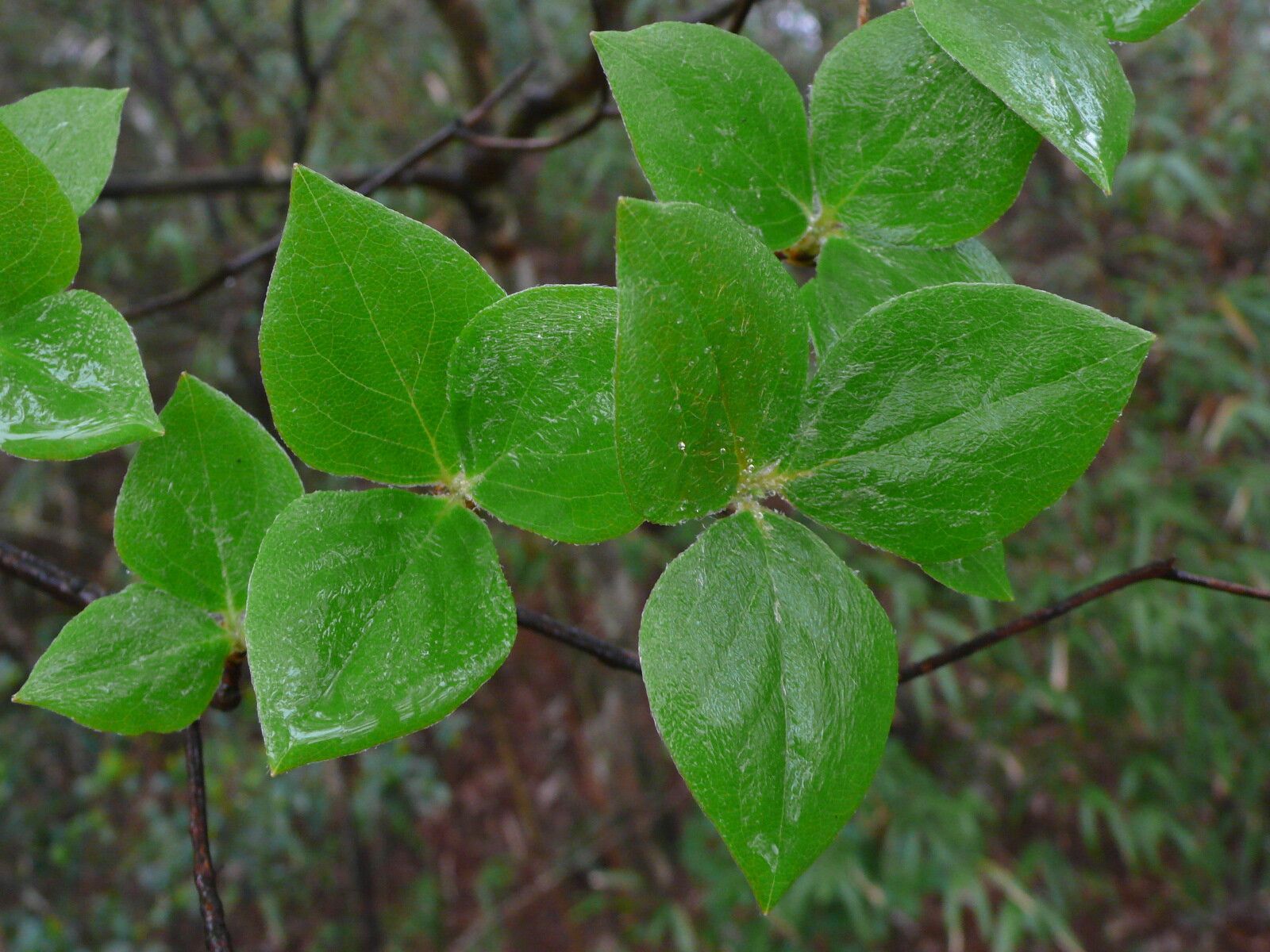
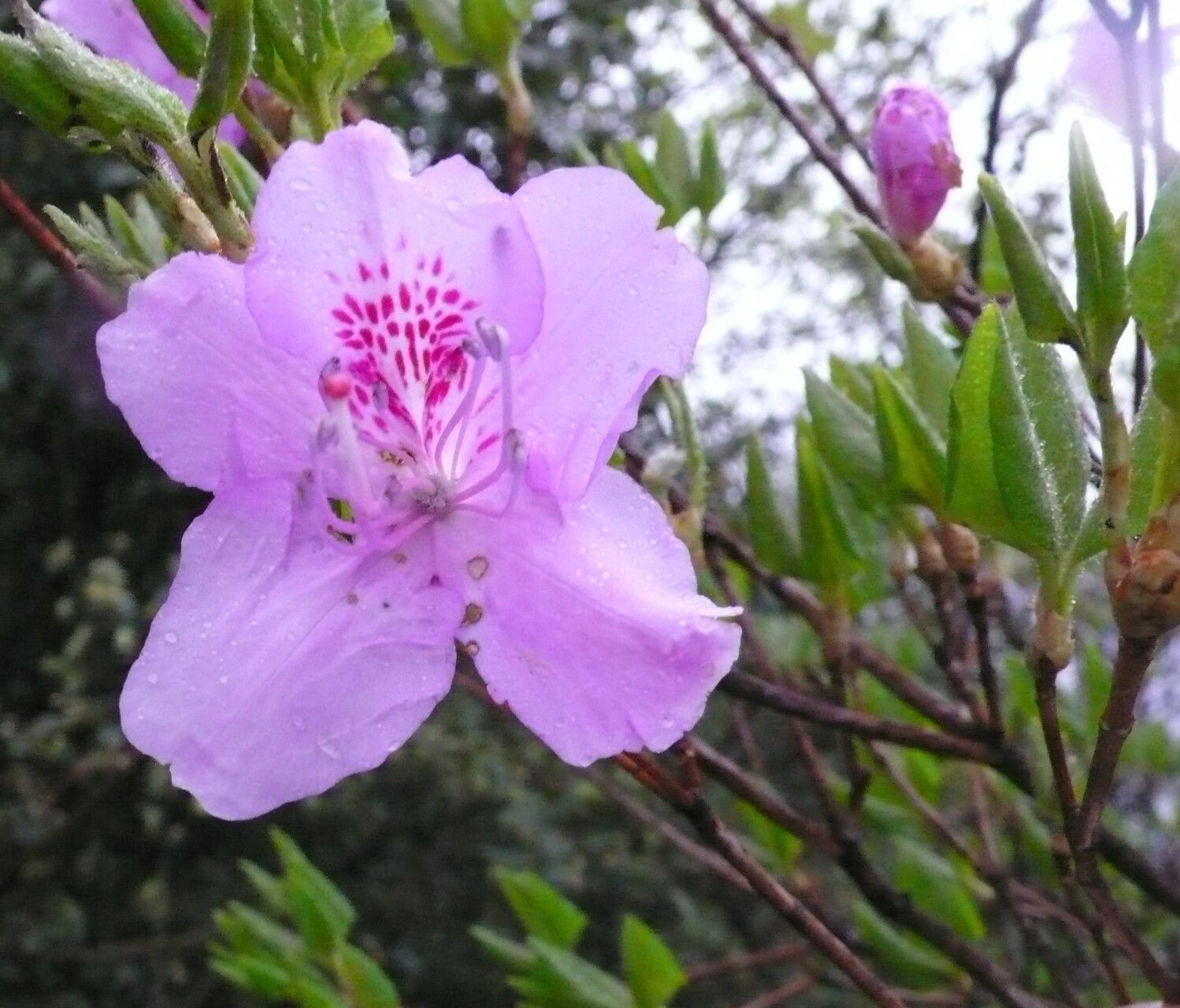
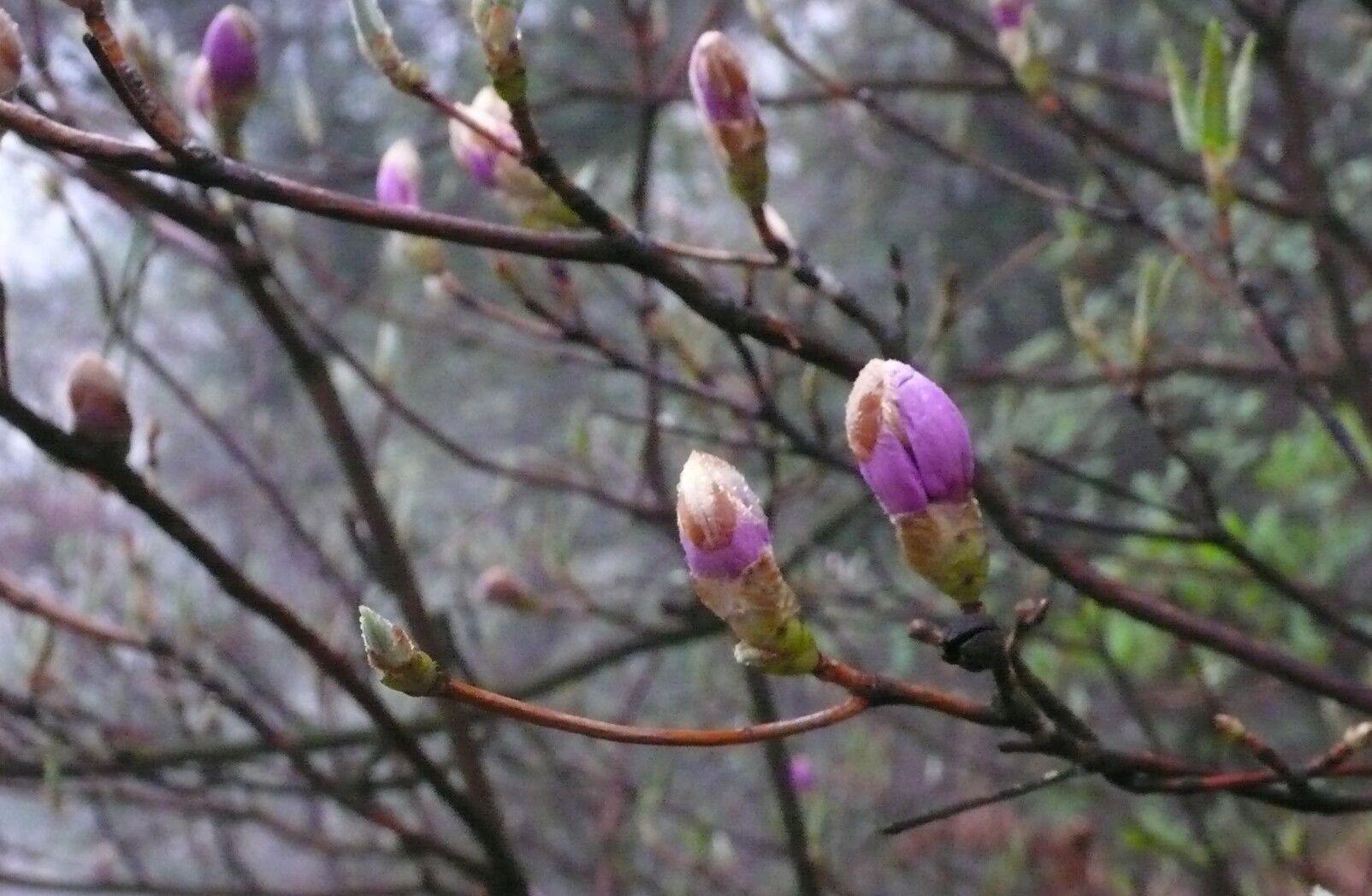
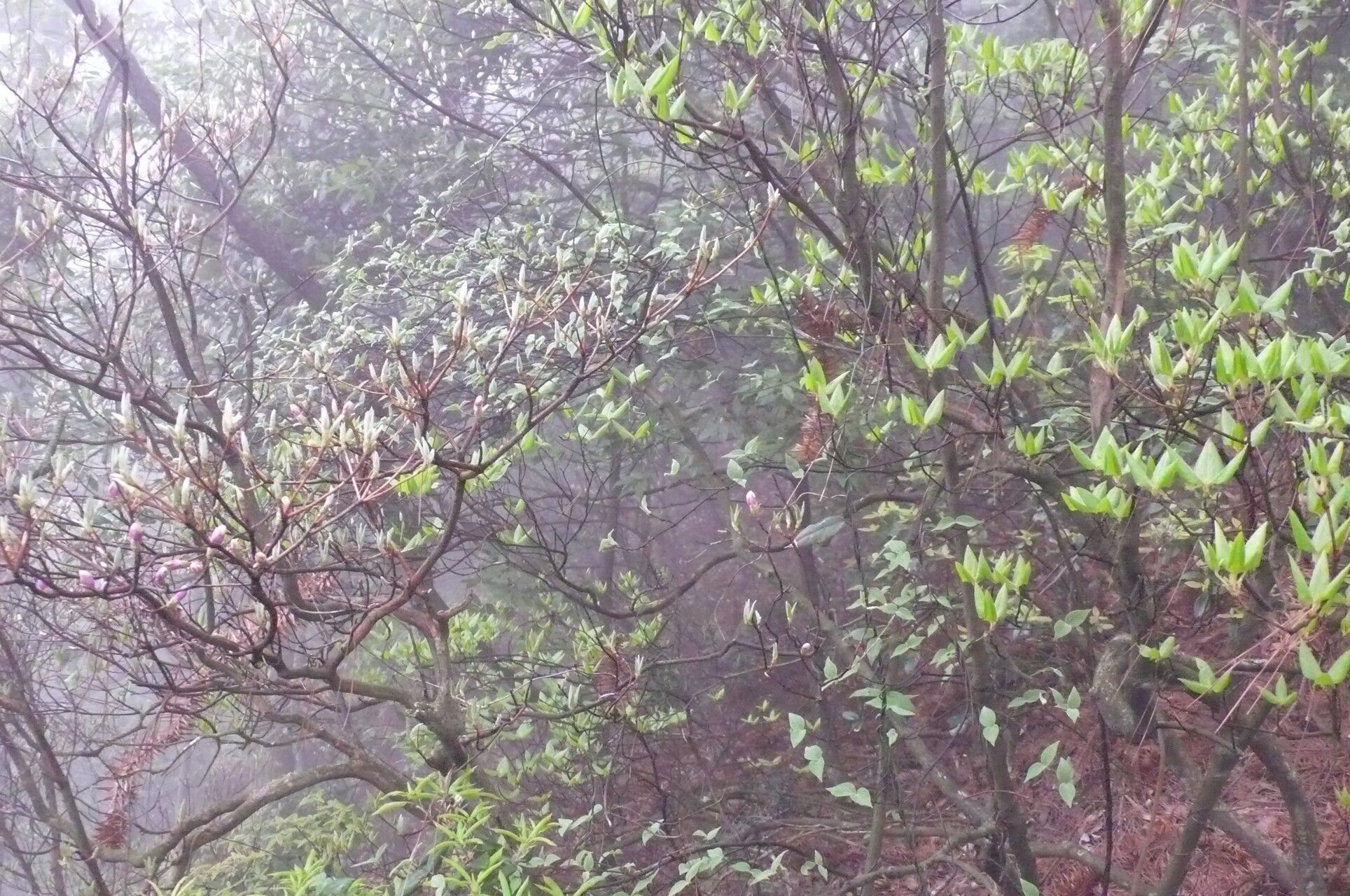
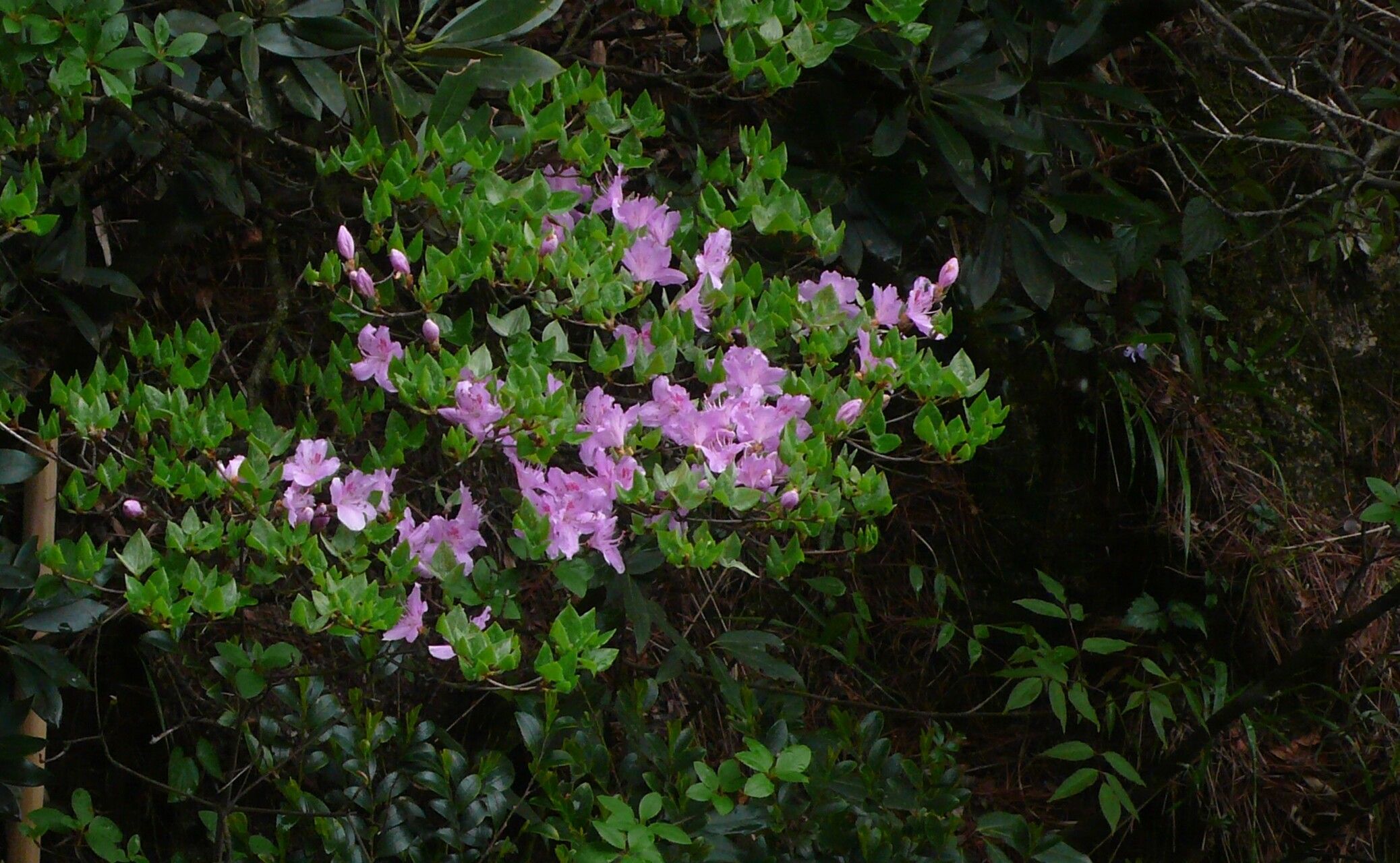
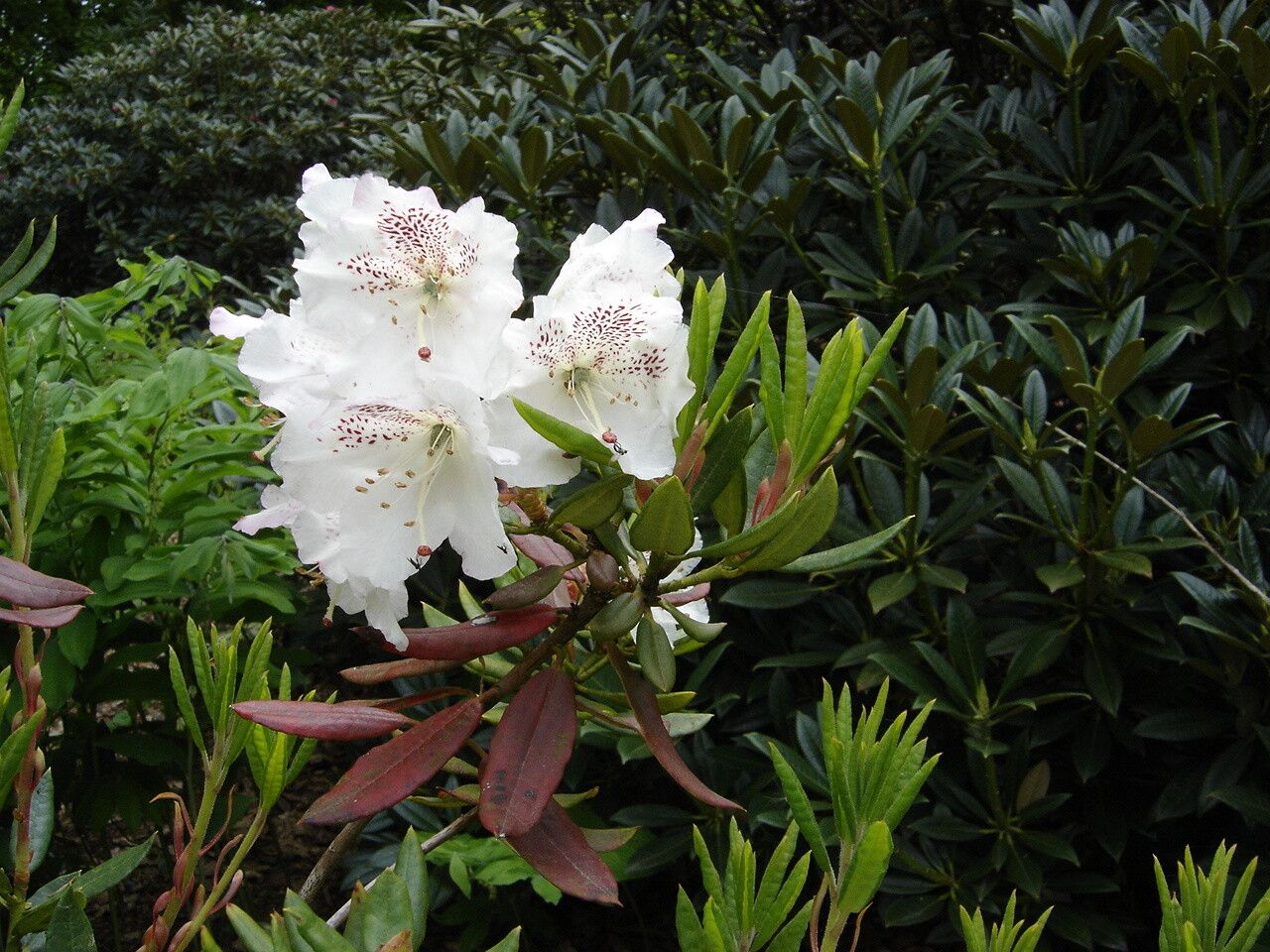
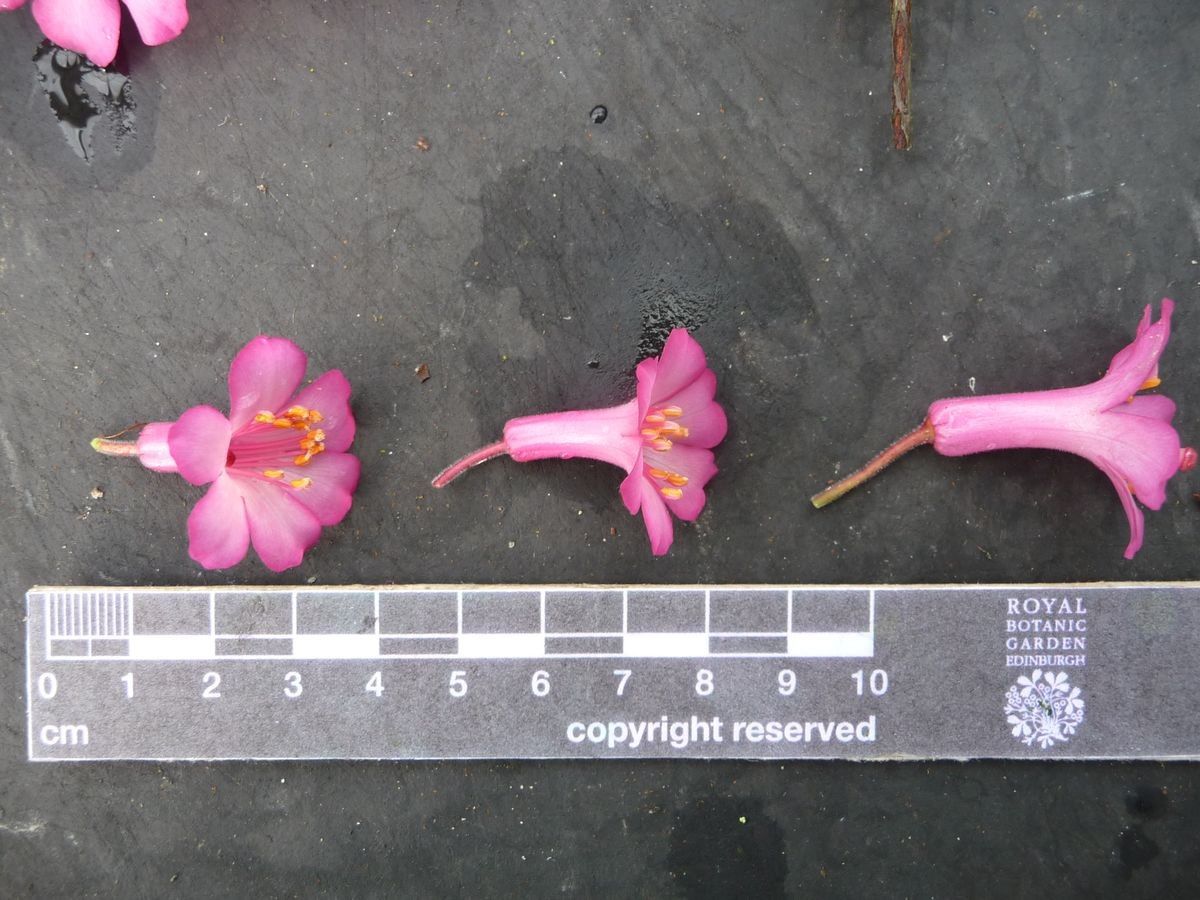
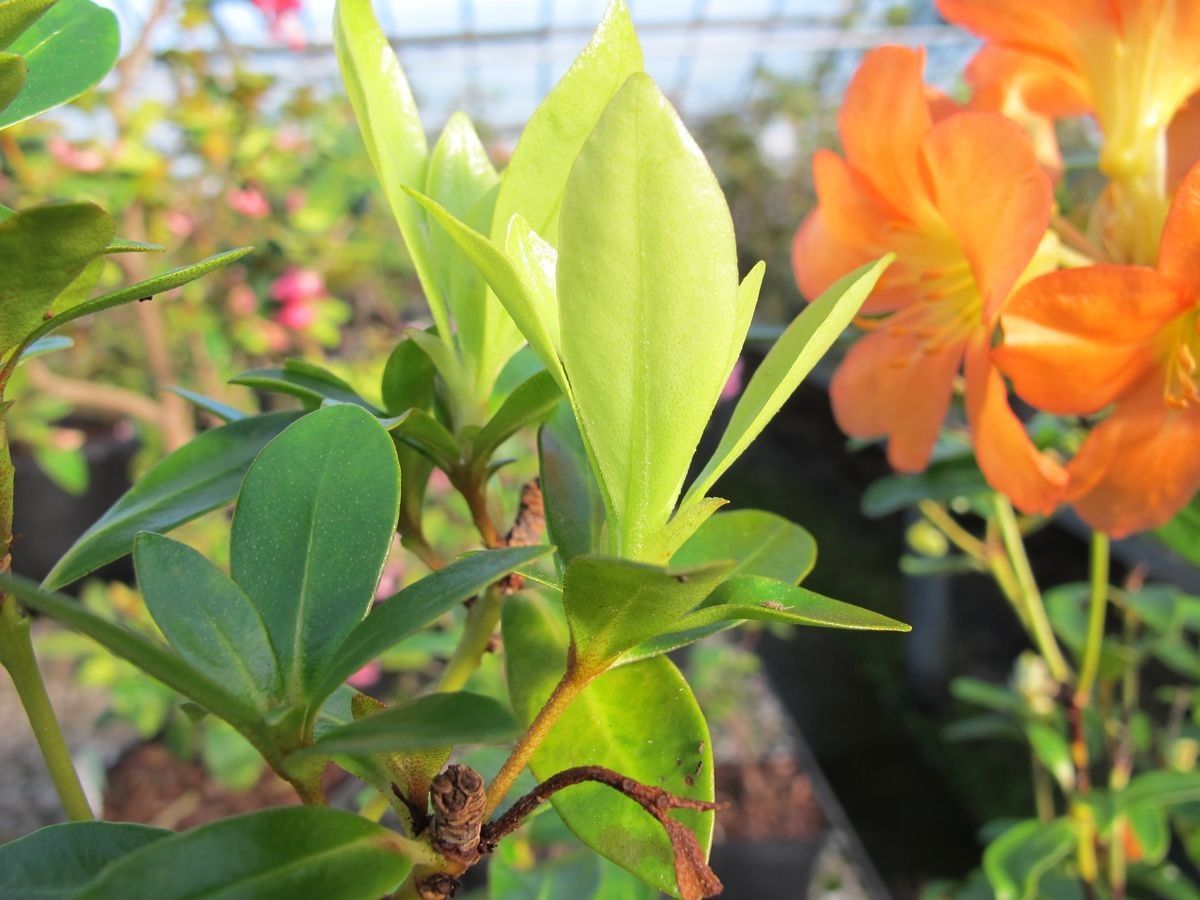
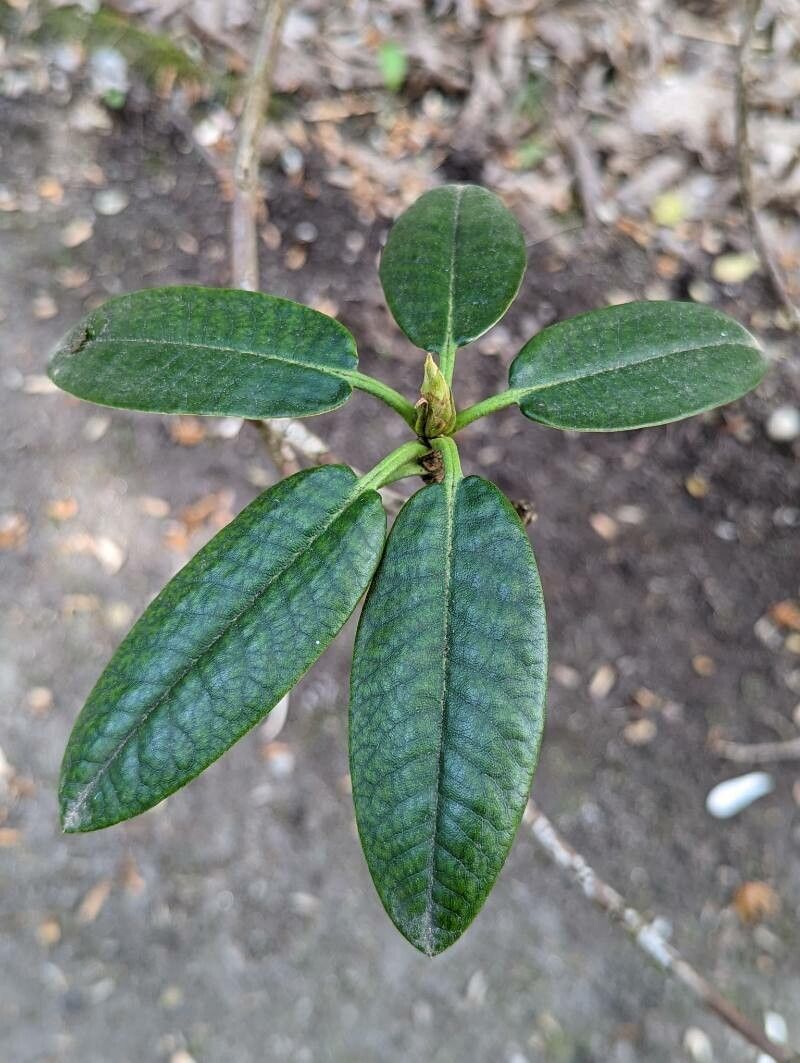
Maries' rhododendron is disease-resistant and is generally unlikely to develop illnesses. In terms of care, the plant is fairly low maintenance. When grown outdoors it needs only light watering, and larger specimens usually do not require pruning. Smaller plants, however, should be pruned after they finish blooming. Maries' rhododendron is suitable for anyone with an outdoor area, such as a garden or a deck, and does not call for extensive care experience.
How to keep Rhododendron Mariesii.
Light
Maries' rhododendron thrives with plenty of sunlight for a healthy growth cycle, though it can endure somewhat reduced light. In its natural habitat it usually has access to abundant sunlight. Too much or too little exposure can harm the plant, reducing its vigor and its ability to produce blooms.
Water
Maries' rhododendron thrives in mountainous regions and requires a cycle of periodic watering and drying. To care for this plant, water it every 2-3 weeks, making sure the soil dries out slightly between waterings. This rhododendron grows best outdoors in cooler temperatures. During its active growing season, applying mulch can help retain moisture, even though it is moderately drought-tolerant.
Temperature
Maries' rhododendron is highly adaptable to different climate conditions, be it very hot summers or cold winters. Still, it prefers a certain temperature range for healthy growth. If temperatures become too high, the plant can suffer from heat and humidity stress, which may kill it. In areas where temperatures near the lower limit of its cold tolerance, providing insulation is important to protect the plant.
Fertilizer
Proper timing matters when fertilizing Maries' rhododendron. Apply fertilizer in early spring and continue once a month until early summer. Fertilizer encourages attractive blooms and supplies energy during both dormant and active growth periods.
Pruning
Marie’s rhododendron is a valuable addition to any garden, thanks to its abundant blooms and attractive foliage. To keep the plant healthy and looking its best, prune it in early spring. Start by removing any dead branches, then thin out crowded areas, and shape the plant for aesthetic appeal. Regular pruning not only enhances the plant's health but also encourages new growth and helps prevent disease.
Botanical profile.
- Plant Type
- Shrub
- Life Cycle
- Perennial
- Genus
- Rhododendron
- Family
- Ericaceae
- Hardiness Zone
- 7-9
- Mature Height
- 0.49 m to 3.96 m
- Mature Spread
- 1.52 m to 2.44 m
- Leaf Color
- Forest Green, Dark Green
- Leaf Type
- Evergreen
- Flower Color
- Pink
- Flower Size
- 2.54 cm to 4.06 cm
- Bloom Time
- Late spring, Early summer
- Planting Time
- Spring, Summer, Autumn
- Harvest Time
- Mid summer
- Native Area
- China