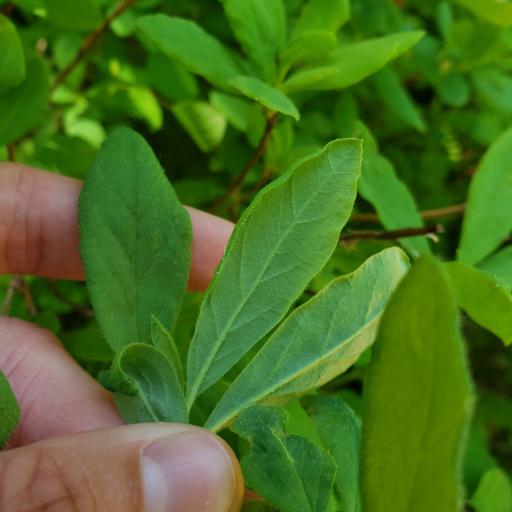
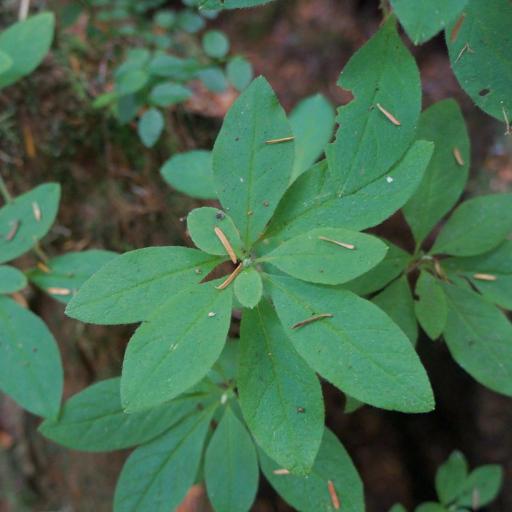
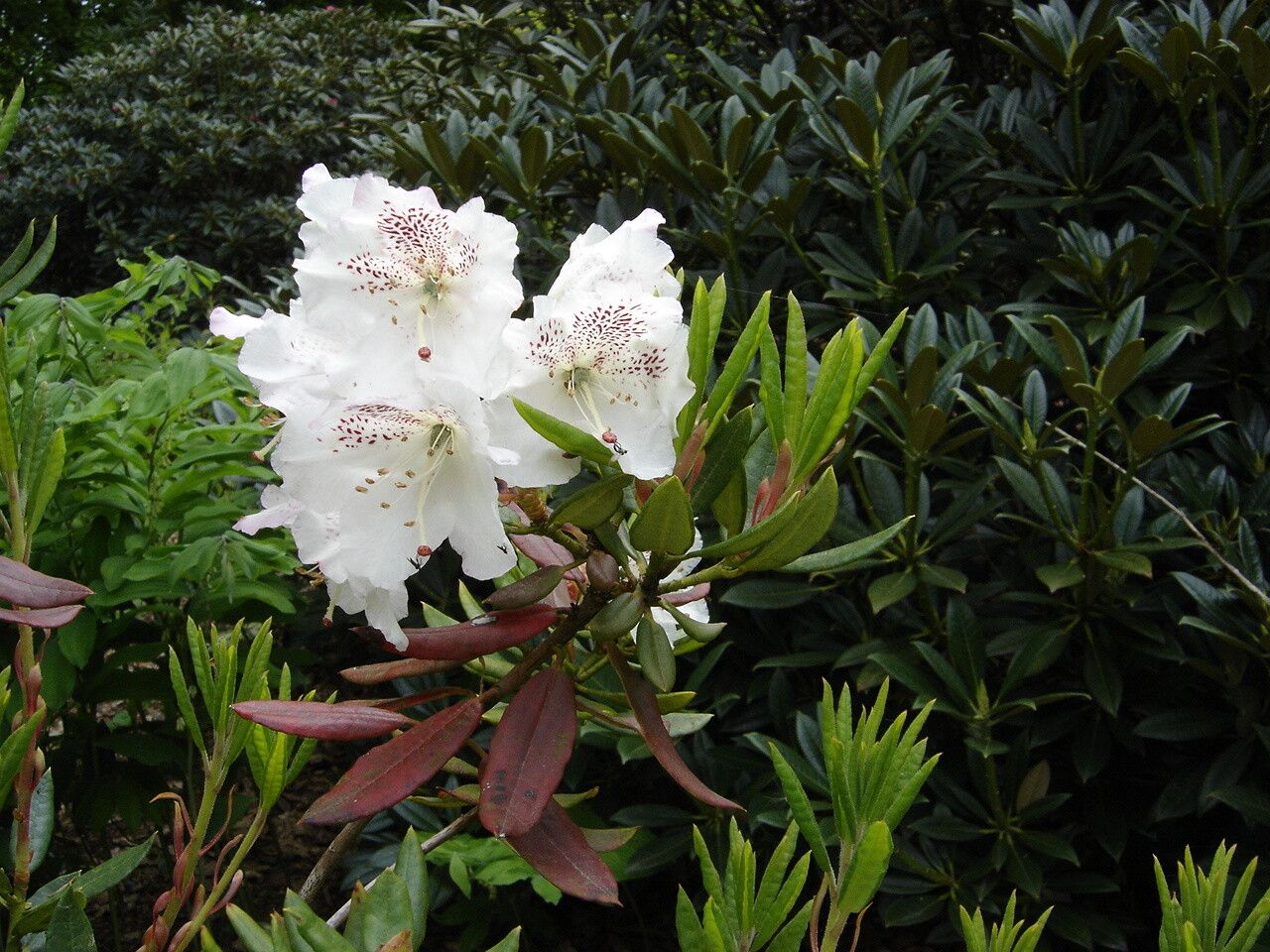
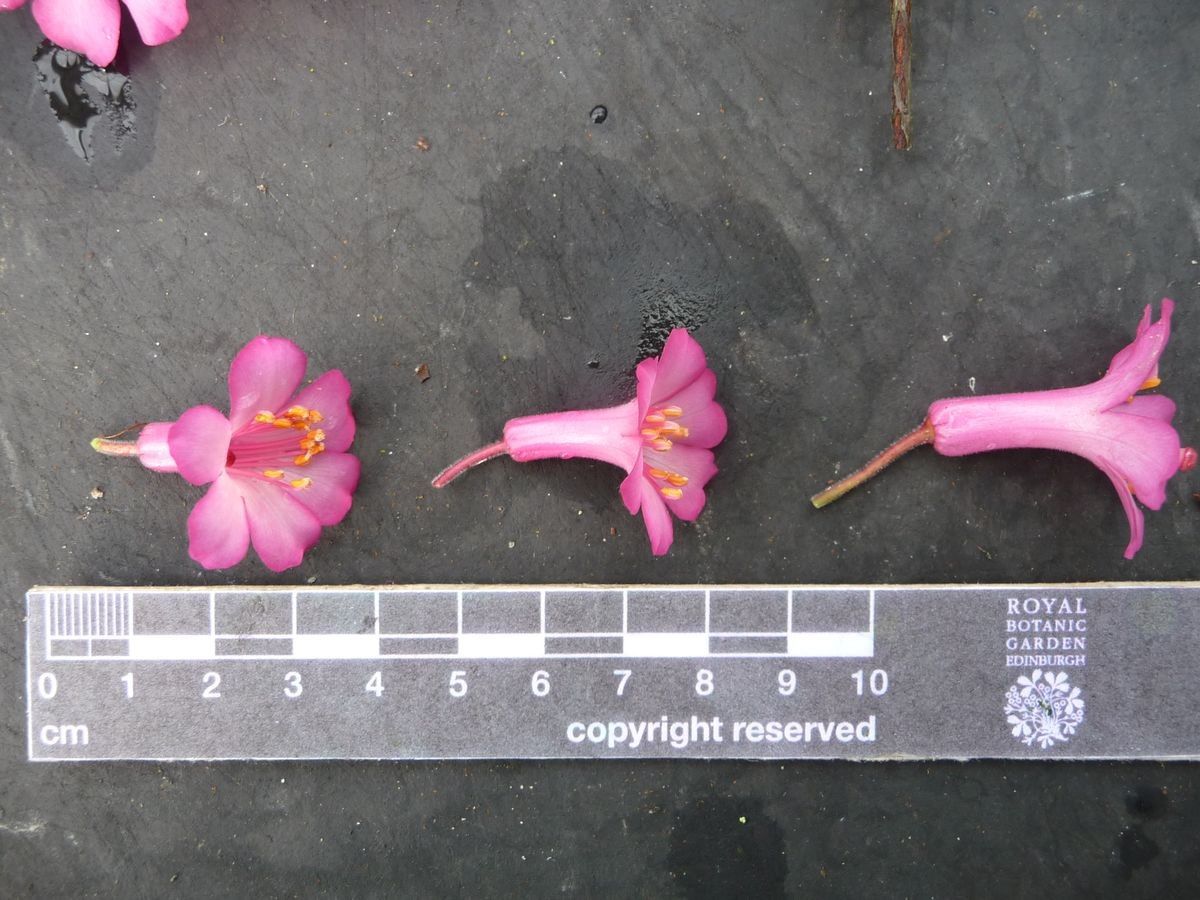
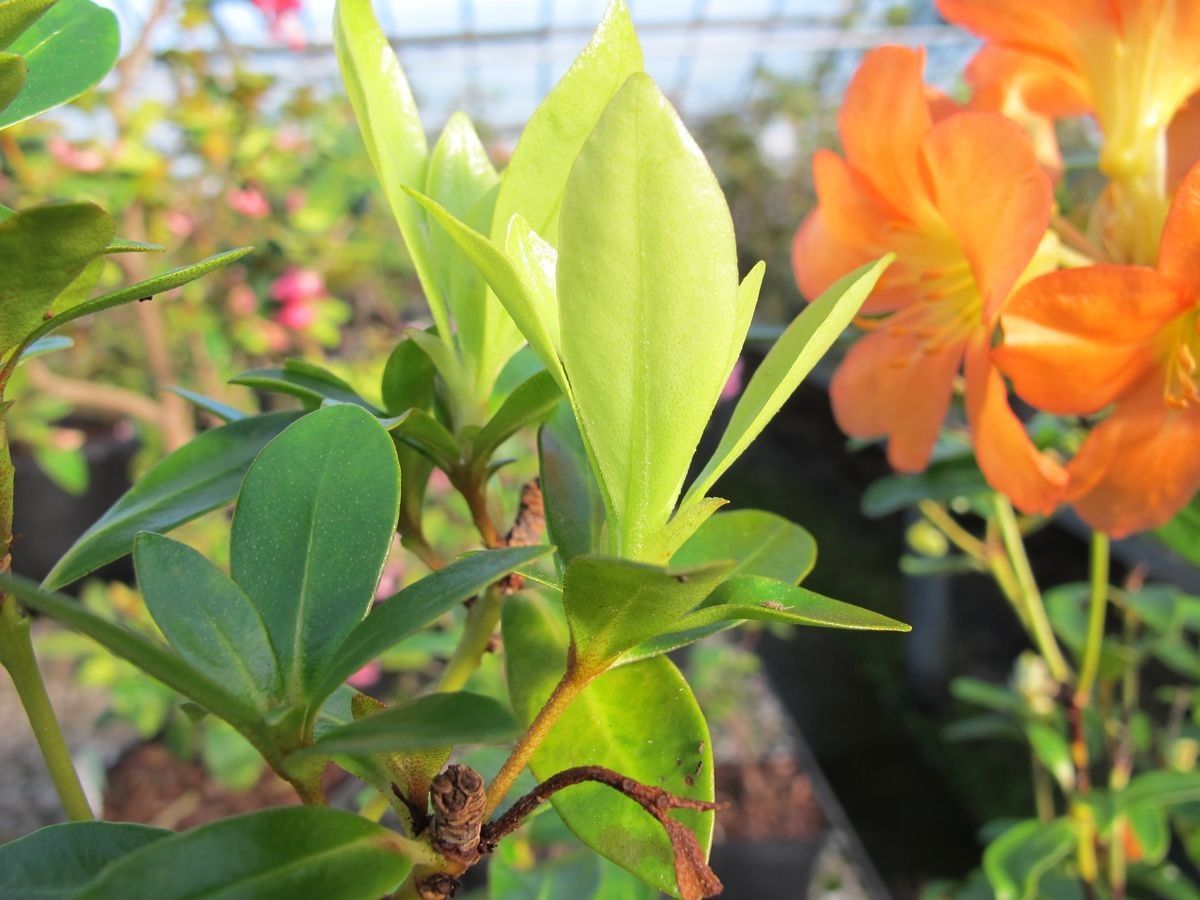
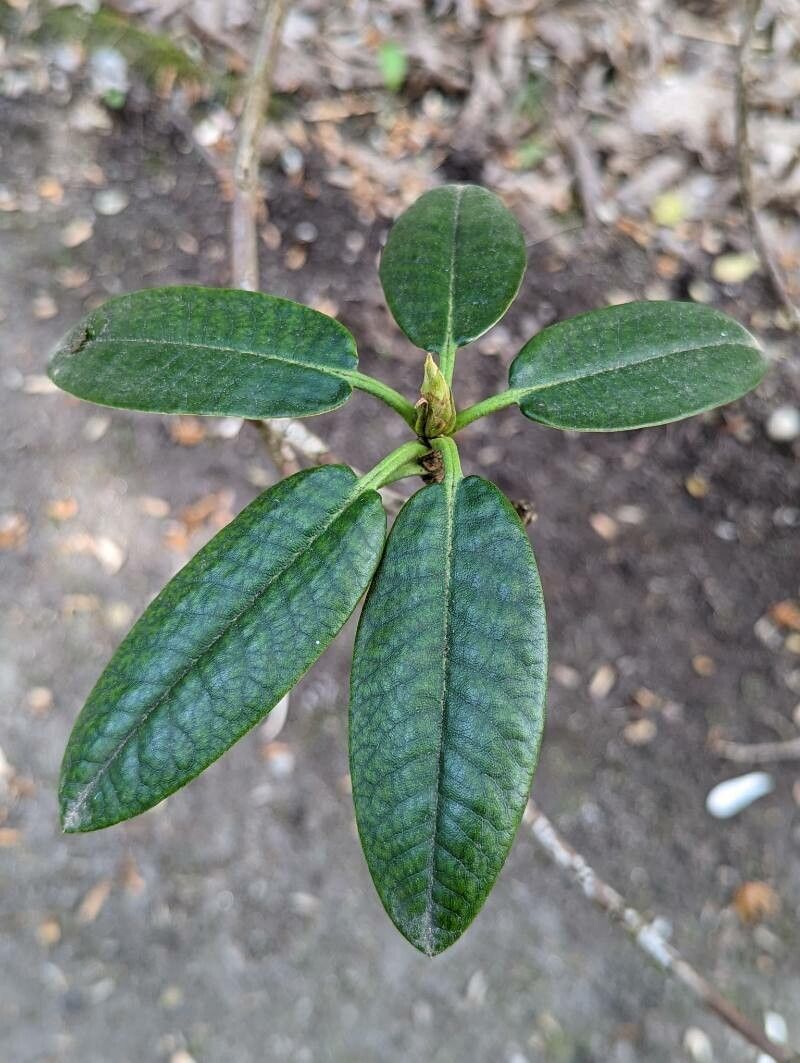
Rhododendron menziesii, also classified as Menziesia ferruginea, is a species of flowering plant in the heath family known by several common names, including rusty menziesia, ock azalea, false huckleberry, fool's huckleberry and mock azalea.
Fool's huckleberry is resistant to disease and is generally not susceptible to illnesses. In terms of care, this plant is fairly low-maintenance. When grown outdoors it needs little watering, and larger plants typically do not require pruning. Smaller plants, however, should be pruned after they finish blooming. Fool's huckleberry is suitable for anyone with an outdoor area, such as a garden or deck, and does not demand much gardening experience.
How to keep Rhododendron Menziesii.
Light
Fool's huckleberry is indigenous to habitats like forest understories and rocky areas where it grows in natural shade. It prefers partial sun but can tolerate full sun or full shade, illustrating its versatile and hardy nature.
Water
Fool's huckleberry flourishes in moist environments and needs consistent hydration, preferring soil that remains evenly moist. Watering it weekly helps recreate its natural habitat. When grown outdoors, fool's huckleberry benefits from mulching, as this retains soil moisture and mimics the plant's native conditions.
Temperature
Fool's huckleberry is quite adaptable to a variety of climate conditions, tolerating both blazing summers and frosty winters. Nevertheless, it has a preferred temperature range for healthy growth. If temperatures rise too high, the plant can suffer heat and humidity stress, which may lead to its death. In locations where temperatures approach the lower limit of its cold tolerance, taking steps to insulate and protect the plant is important.
Fertilizer
Timing is important when fertilizing Fool's huckleberry. Apply fertilizer in early spring and continue once a month until early summer. Fertilizer promotes attractive blooms and supplies energy during both dormant and active growth phases.
Pruning
Fool's huckleberry is known for its delicate, bell-shaped flowers and vigorous growth. To maintain its health and encourage abundant flowering, it is important to prune the plant between early and late winter. During pruning, remove any dead or overcrowded branches to improve air circulation and reduce the risk of disease. This practice not only improves the plant's shape but also boosts flower production for the following season.
Botanical profile.
- Plant Type
- Shrub
- Life Cycle
- Perennial
- Genus
- Rhododendron
- Family
- Ericaceae
- Hardiness Zone
- 5-8
- Mature Height
- 0.49 m to 2.13 m
- Mature Spread
- 0.91 m to 2.13 m
- Leaf Color
- Dark Green, Olive Drab
- Leaf Type
- Evergreen
- Flower Color
- Pink, White
- Flower Size
- 2.03 cm to 3.05 cm
- Bloom Time
- Early spring, Mid spring
- Planting Time
- Spring, Summer
- Harvest Time
- Summer
Other names.