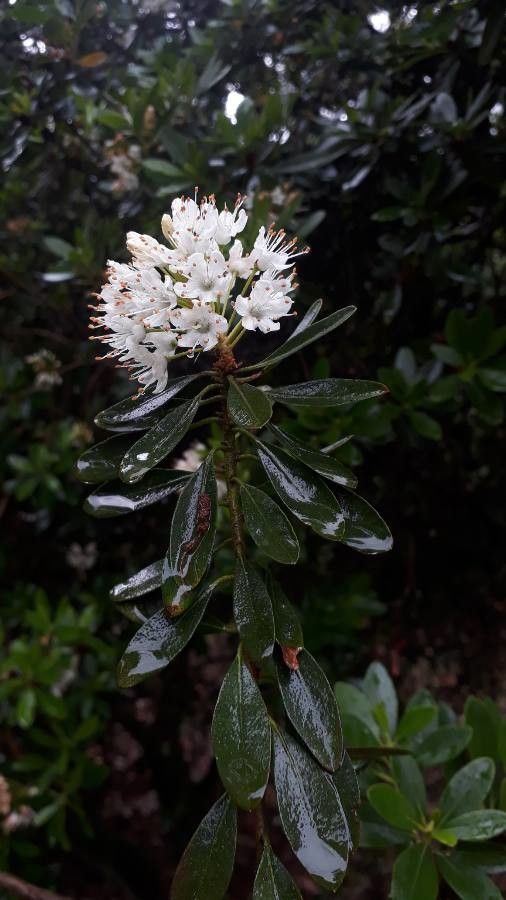
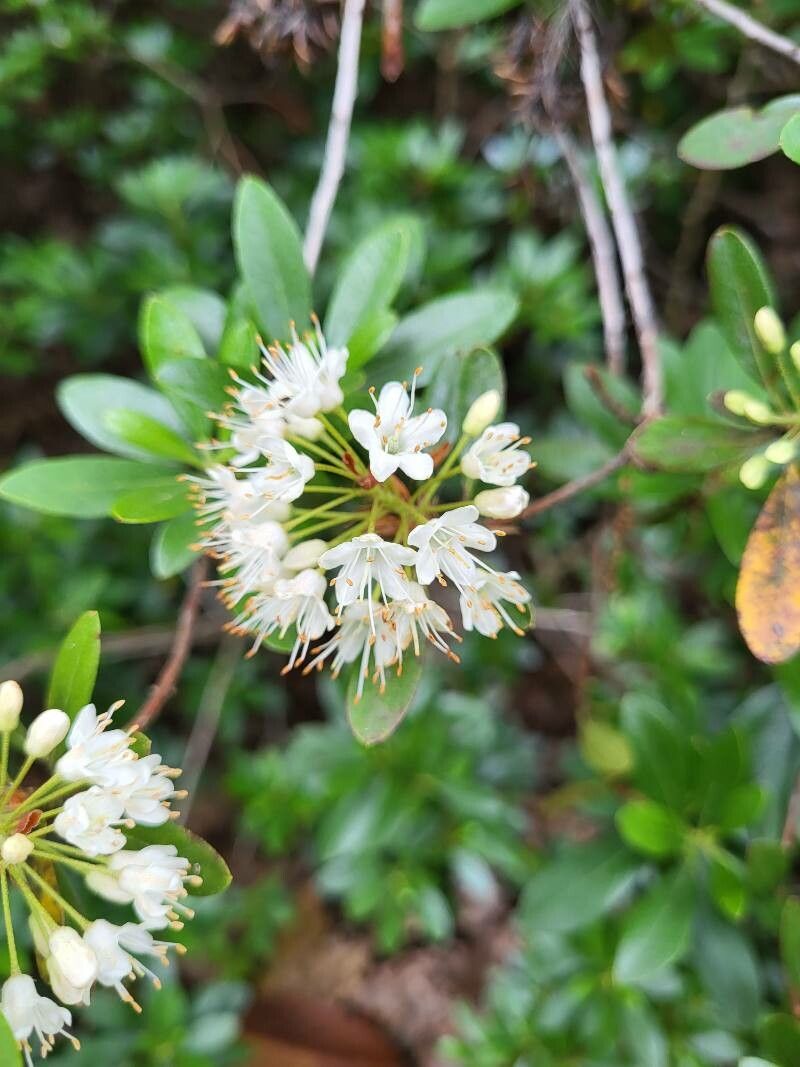
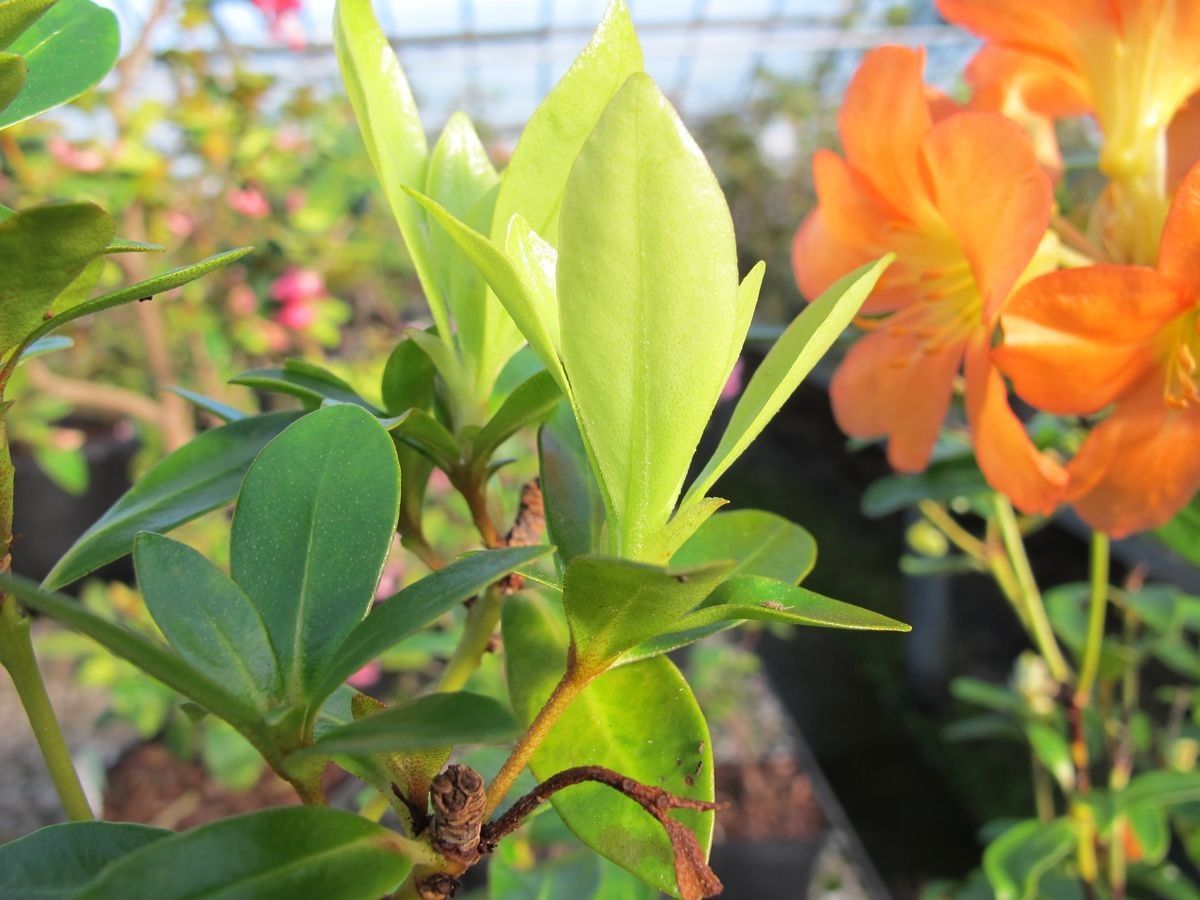
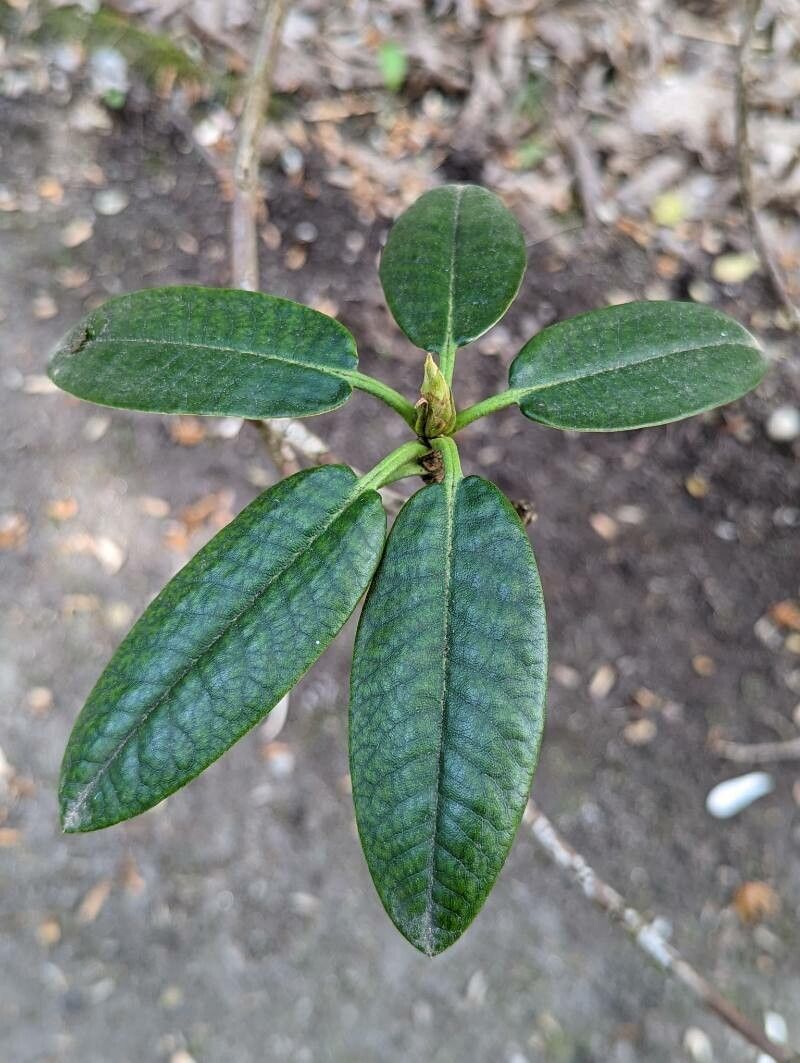
Rhododendron micranthum (照山白) is a rhododendron species native to China and Korea, where it grows at altitudes of 1,000–3,000 m (3,300–9,800 ft). It is an evergreen shrub that grows to 2.5 m (8.2 ft) in height, with leaves that are oblanceolate, oblong-elliptic, to lanceolate, 3–4 by 9–12 cm in size. Flowers are white.
Lapland rosebay is resistant to disease and is generally unlikely to suffer from illnesses. In terms of care, this plant is fairly low-maintenance. When grown outdoors it needs only light watering, and larger specimens typically do not require pruning. Smaller plants, however, should be trimmed after they finish blooming. Lapland rosebay is appropriate for anyone with an outdoor area, such as a garden or deck, and does not demand extensive care experience.
How to keep Rhododendron Micranthum.
Light
Lapland rosebay does best when it gets direct sun for most of the day, although it can reasonably adapt to spots that receive only partial sunlight. In its natural habitat it generally grows in open locations where sunlight is abundant but somewhat filtered. Excessive or insufficient sunlight can impair its health and growth.
Water
To care for Rhododendron micranthum, water it with rainwater or melted snow instead of tap water, which can be alkaline. Test the pH of your water; if it is slightly alkaline, add a bit of white vinegar to adjust it. During periods of vigorous growth, water the plant abundantly. Reduce watering in winter and increase it as winter ends. In the summer, water in the morning, and avoid watering around noon during the spring and fall.
Temperature
Lapland rosebay is native to cold regions and prefers a temperature range of 32 to 90°F (0 to 32 ℃). To ensure optimal growth, alter temperatures in response to changes in the weather and season.
Fertilizer
Timing is vital for fertilizing Lapland rosebay. Apply fertilizer in early spring and continue monthly until early summer. Fertilizer encourages attractive blooms and supplies energy during both dormant and active growth periods.
Pruning
To ensure robust growth, Rhododendron micranthum should be pruned from early to late winter. Start by removing any dead wood, then thin out overcrowded branches to improve air circulation. Trim leggy growth to help maintain the plant's shape. Pruning during dormancy minimizes sap loss, encourages healthy blooms, and enhances the plant's overall vitality.
Botanical profile.
- Plant Type
- Shrub
- Life Cycle
- Perennial
- Genus
- Rhododendron
- Family
- Ericaceae
- Hardiness Zone
- 2-7
- Mature Height
- 5 cm to 15 cm
- Mature Spread
- 91 cm
- Leaf Color
- Dark Green, Olive Drab
- Leaf Type
- Evergreen
- Flower Color
- Purple, Lavender
- Flower Size
- 1.52 cm
- Bloom Time
- Mid spring, Late spring
- Planting Time
- Spring, Summer
- Harvest Time
- Mid summer, Late summer, Early fall
- Native Area
- Russia, Norway, Sweden, Denmark, Japan, Mongolia, Finland, Koppen
Other names.
Reader questions.
What are the sunlight requirements for Rhododendron micranthum?
Rhododendron micranthum requires specific amounts of sunlight depending on the category. For partial sun, it needs about 3-6 hours of sunlight, which is suitable for those spots in your garden that get a moderate amount of light. For full sun, Rhododendron micranthum requires more than 6 hours of sunlight, targeting areas that receive ample light throughout the day. It's important to observe how sunlight moves through your garden to choose locations that offer the right mix of light and shade, ensuring the plants thrive. Adequate sun exposure is key to the happiness and health of these plants.
What is Rhododendron micranthum?
Rhododendron micranthum is a plant species known by its botanical name, Rhododendron micranthum. Details about its essentials, symptoms, or additional information have not been provided.