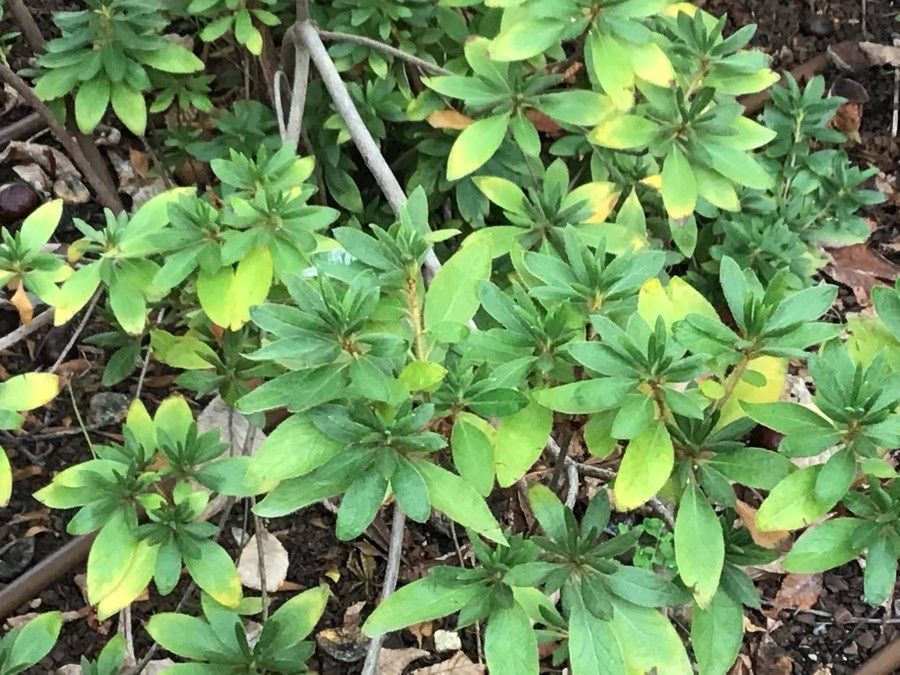
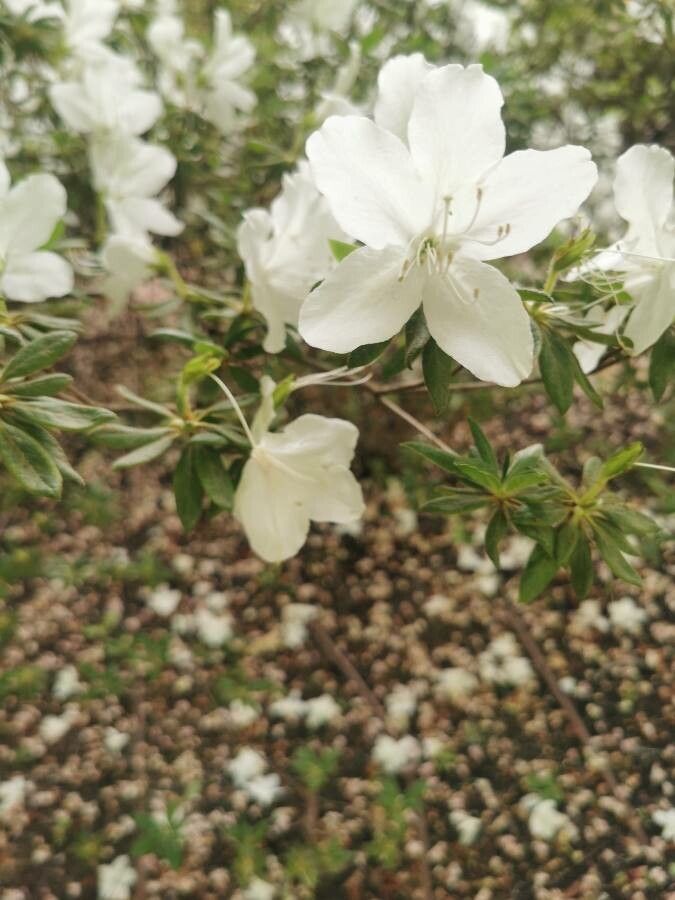
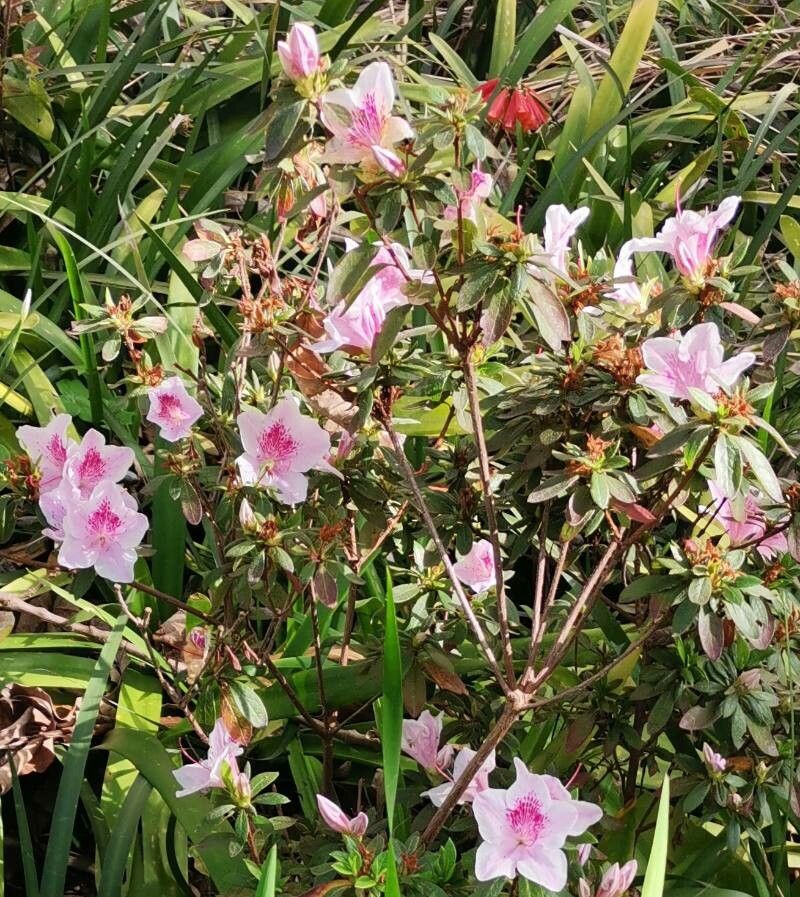
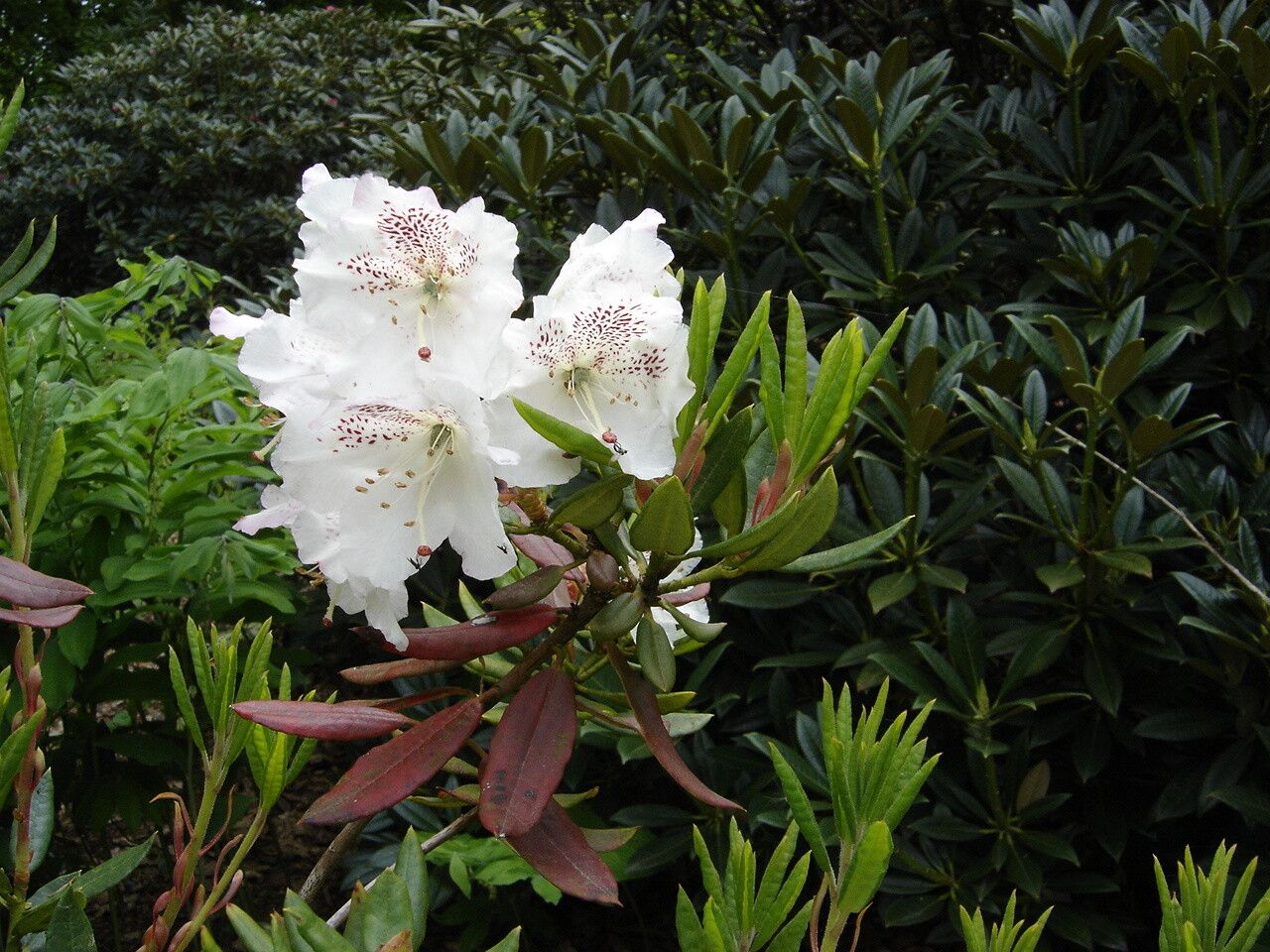
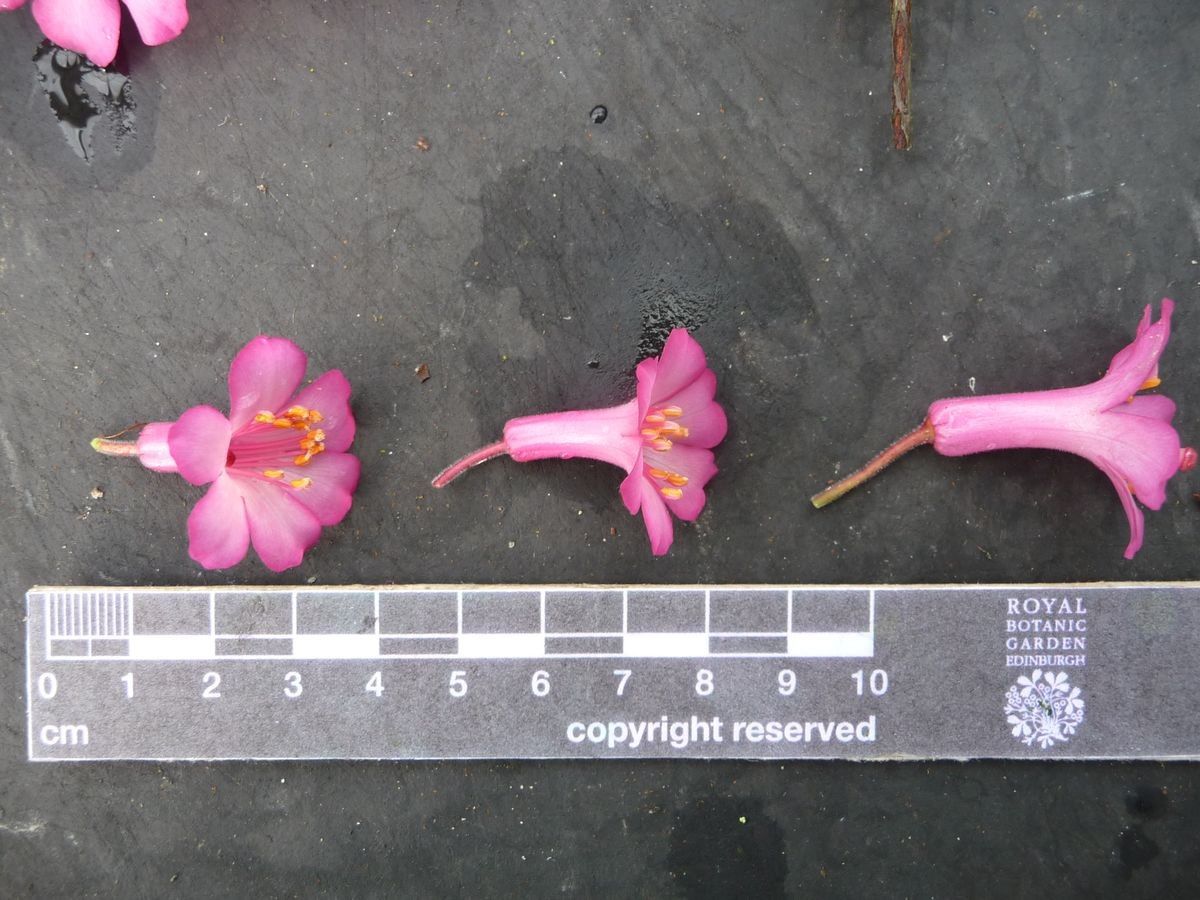
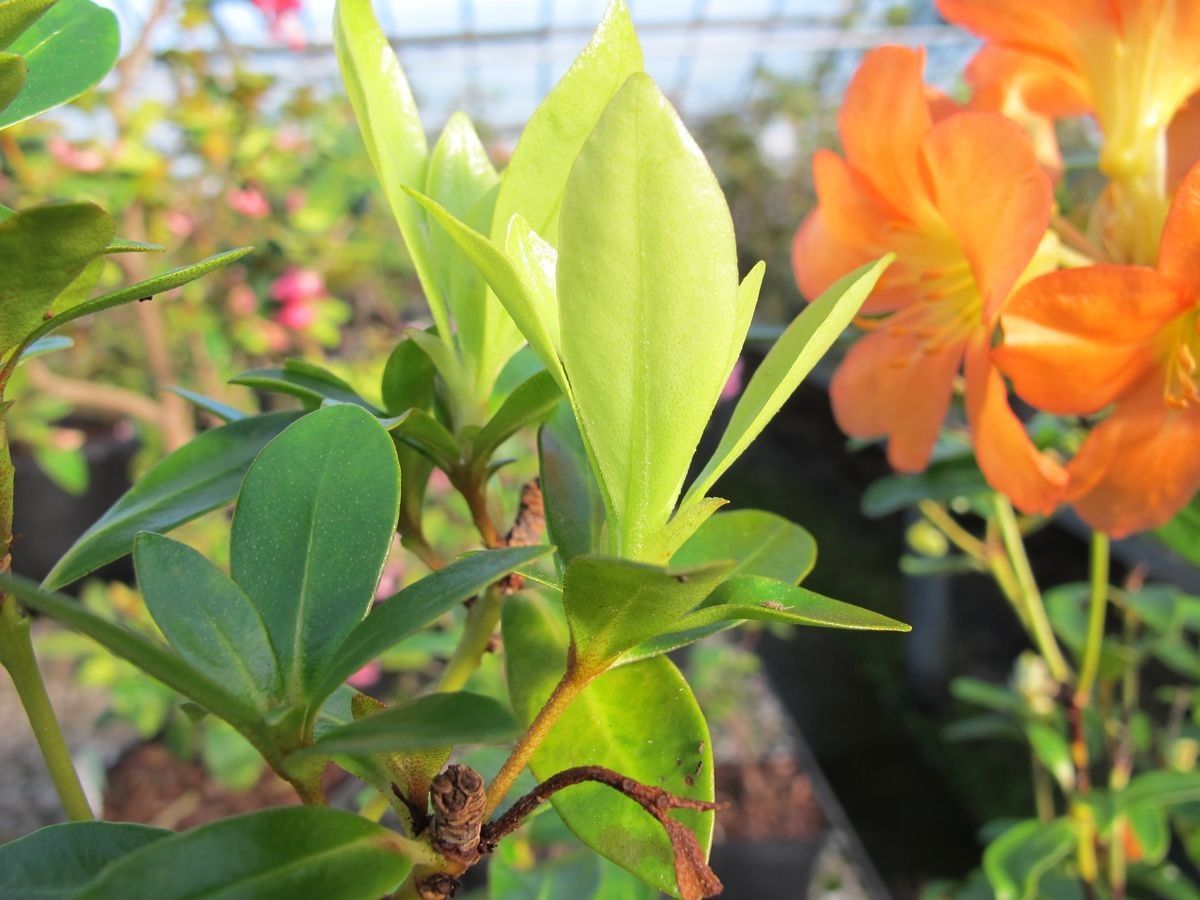
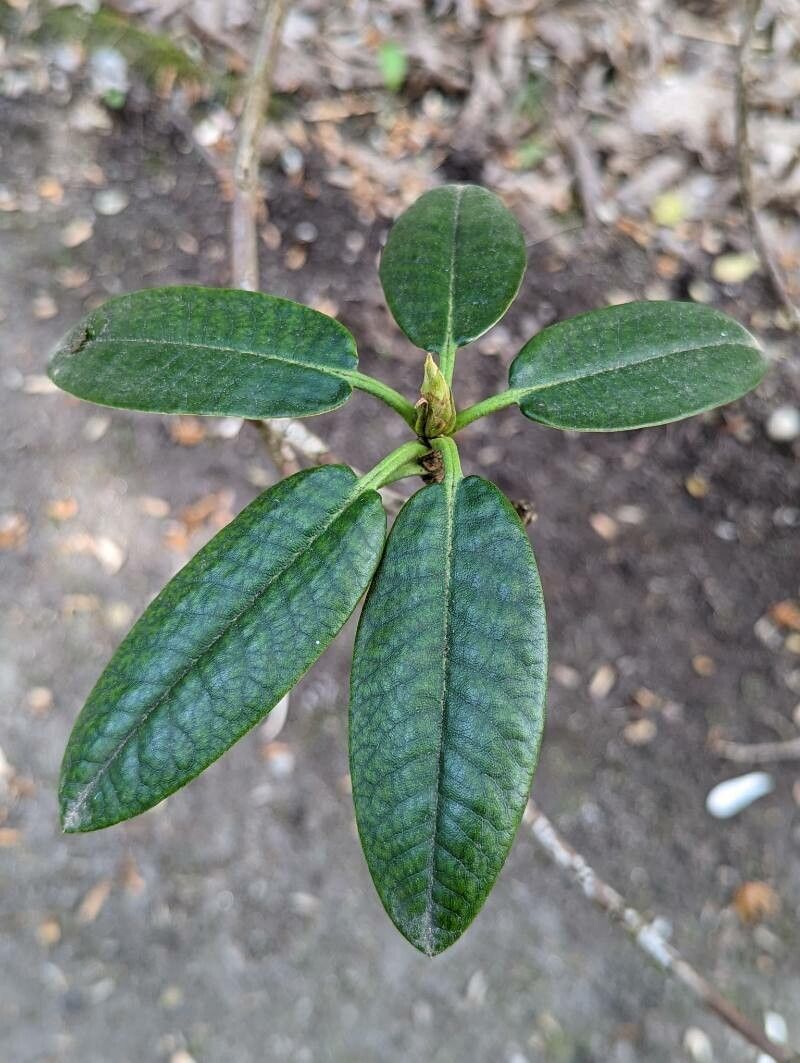
Rhododendron mucronatum is a rhododendron species native to China, where it grows at altitudes of 2,800–4,500 m (9,200–14,800 ft). This evergreen shrub grows to 1–2 m (3.3–6.6 ft) in height, with leaves that are lanceolate to ovate-lanceolate or oblong-lanceolate, 2–6 by 0.5–1.8 cm in size. The flowers are white, pink, or pale red.
Snow Azalea: Name Origin The Snow Azalea is named for its star-shaped flowers, which are often a pristine, snowy white. This plant thrives in high-altitude, cold environments, capable of withstanding temperatures as low as -21°C and growing at altitudes of nearly 4,572 meters.
White azalea is resistant to disease and is typically not vulnerable to infections. Regarding care, this plant is fairly low-maintenance. When grown outdoors it needs only minimal watering, and larger plants typically do not require pruning. Smaller plants, however, should be pruned after they finish blooming. White azalea is appropriate for anyone with an outdoor area, such as a garden or a deck, and does not demand much care experience.
How to keep Rhododendron Mucronatum.
Light
The white azalea prefers a setting with abundant, unblocked sunlight for most of the day, though it can tolerate situations with somewhat reduced light. Its flourishing in its native habitat reflects this pattern. Too little light may limit growth, while too much can scorch the leaves.
Water
The white azalea, native to temperate regions, thrives in moderate humidity and is drought-tolerant. It requires watering every 2–3 weeks. This plant flourishes outdoors in well-draining soil that resembles its natural habitat. Being evergreen, the white azalea retains water in its foliage, maintaining its vibrant appearance year-round.
Temperature
White azalea originates from temperature zones where seasonal temperatures range from 41 to 90 °F (5 to 32 ℃). The plant prefers temperate climates and in winter may need temperature adjustments, possibly requiring insulation. With proper care it can thrive within its favored temperature range.
Fertilizer
The timing of fertilizing White azalea is important. Apply fertilizer in early spring and continue monthly until early summer. Fertilizer encourages attractive blooms and supplies energy during both dormant and active growth periods.
Pruning
The white azalea features vibrant blooms and dense foliage. To keep it healthy and beautiful, it's best to prune it in late spring after it has finished flowering. During pruning, remove any dead wood, thin out branches to improve air circulation, and shape the plant to enhance its form. These steps will encourage new growth and increase flower production. Remember to clean your tools while pruning to prevent the spread of disease and maintain the plant's health and appearance.
Botanical profile.
- Plant Type
- Shrub
- Life Cycle
- Perennial
- Genus
- Rhododendron
- Family
- Ericaceae
- Hardiness Zone
- 4-8
- Mature Height
- 0.91 m to 2.13 m
- Mature Spread
- 1.22 m to 1.52 m
- Leaf Color
- Light Green, Olive Drab
- Leaf Type
- Evergreen
- Flower Color
- White, Pink
- Flower Size
- 3.05 cm to 4.57 cm
- Bloom Time
- Spring
- Planting Time
- Spring, Summer, Autumn
- Harvest Time
- Early summer, Mid summer
Other names.
Reader questions.
How should I water my White azalea plant in the best way?
Your White azalea is not particular about how you water it. You can use any common watering tool, such as watering cans, hoses, or even cups. It's important to water the soil directly and make sure all areas are evenly moistened to provide water to all parts of the root system. Using filtered water is recommended to avoid harmful particles in tap water. It's also best to use water that is at or slightly above room temperature, as very cold or hot water can shock the plant. However, the White azalea generally responds well to any type of water.
Why should I put fertilizer on my White azalea plant?
One important task for nurturing a White azalea is fertilizing it. This not only enhances the beauty of its blooms but also provides the plant with energy to store during dormant phases. To have excellent flowers in spring, it's best to fertilize the White azalea early in the season. Additionally, giving extra nutrients during fall planting or late spring will ensure the plant has ample energy when active growth resumes.
How many hours of sunlight does a White azalea need each day to grow well?
To promote healthy growth in White azalea, it should ideally receive 3-6 hours of sunlight every day. However, it's important to note that this is the minimum requirement. Most plants that can tolerate partial sunlight can also do well in full sunlight. These plants are more adaptable because they can perform photosynthesis with less light.
What temperature does White azalea grow the best in?
The optimal temperature for White azaleas to thrive is between 65 and 80 degrees Fahrenheit (18-27 degrees Celsius). During the main growing phase, they can tolerate temperatures as high as 95 degrees Fahrenheit (35 degrees Celsius) and as low as 15 degrees Fahrenheit (-10 degrees Celsius). White azaleas are also able to withstand freezing winters. Here is a breakdown of the recommended temperature ranges: - Ideal: 65-80℉ (18-27℃) - Highest tolerable: 85-95℉ (30-35℃) - Lowest tolerable: -5 to 15℉ (-20 to -10℃) or lower
What should I do if I give too much or too little water to my White azalea plant?
Outdoor plants, especially newly planted ones or plant seedlings, can be prone to lack of watering. It is important to remember to water them enough for a few months when they are small or just planted. Once their roots are established, White azaleas can rely on rain most of the time. When White azaleas are planted in pots, overwatering is often more likely to happen. If you accidentally overwater your White azalea, it is important to take immediate action to remedy the situation. First, stop watering the plant right away to minimize the effect of overwatering. Then, remove the plant from its pot to inspect its roots. If no root rot is found, you can return the plant to its container. However, if root rot is present, trim away the affected roots and consider applying a fungicide to prevent further damage. Lastly, repot the White azalea in well-draining soil. On the other hand, underwatering is often an easy fix. If you underwater the White azalea, its leaves will droop, dry out, and fall off. Once it is properly watered, the leaves will quickly return to their fullness. It is important to correct your watering frequency as soon as you notice underwatering occurring.
When should I fertilize my White azalea plant?
To effectively fertilize White azaleas, timing is crucial. Applying fertilizer too early, while the plant is still dormant, will render it ineffective and likely to be washed away by rainwater, resulting in wastage and environmental pollution. It is recommended to first apply fertilizer in the early spring, and continue fertilizing once a month until early summer.
What kind of sunlight does a White azalea need?
White azaleas thrive in full or part sun. For optimal performance, they prefer direct morning light and require protection from intense afternoon sun during summer. Excessive hot afternoon sun in temperate climates can scorch the leaves, leading to a decline in the plant's appearance and health.
Do I need to change the temperature for White azalea at different growth stages?
According to research, White azaleas show signs of stunted growth when exposed to extended periods of high temperatures, particularly during the development of axillary buds and the growth of main shoots. To promote healthy growth after germination or transplanting, it is recommended to maintain consistent and cooler temperatures, around 65℉(18℃).
How much should I water my White azalea?
Most plants can grow naturally with rainfall, but if your area lacks rainfall, water your plants every 2 weeks during spring and fall. In summer, water more frequently. In winter, when growth slows down, water sparingly or not at all. Young or newly planted White azaleas need more frequent watering to establish themselves. For potted plants, there are two ways to determine watering frequency. Setting a predetermined schedule, such as once a week or every other week, may not account for unique growing conditions. Watering frequency should also depend on soil moisture. Wait until the top two to four inches of soil have dried out before watering again.
When is it not a good idea to fertilize my White azalea?
To avoid excessive foliage and limited blooms in White azaleas, it is advised to avoid using fertilizers with high nitrogen content. Instead, opt for a fertilizer that has a lower nitrogen level in comparison to other nutrients. It is important not to fertilize White azaleas after early autumn, as this can lead to excessive growth just before winter. Additionally, it is not recommended to fertilize during hot and dry periods, as dry soil does not effectively deliver nutrients and can stimulate growth that requires more water. Therefore, it is best to apply fertilizer earlier in the season when temperatures are cooler. Lastly, be cautious of inadvertently providing White azaleas with double the amount of fertilizer by using products that have been applied to nearby plants or lawns.
Can the sun harm White azalea plants? How can I keep White azalea plants safe from sun and heat damage?
When moving white azaleas from indoors to outdoors, it is essential to prevent them from being damaged by direct sunlight. The best approach is to gradually move the pots from a shaded area to a brighter spot. However, even if the plants are acclimated to the sun, extreme heat can still harm them. To protect white azaleas during heatwaves, it is crucial to keep the soil consistently moist. Additionally, consider moving the plants to areas with afternoon shade or using a shade cloth to shield them from excessive heat.
How can I make sure my White azalea is warm during cold seasons?
White azaleas can survive freezing temperatures when planted in the ground in areas that don't drop below 15℉ (-10℃) during winter. However, if they are planted in pots or containers, their roots need extra protection from the cold. To do this, wrap the container in a blanket or bring it indoors to fully shield it from the winter weather.