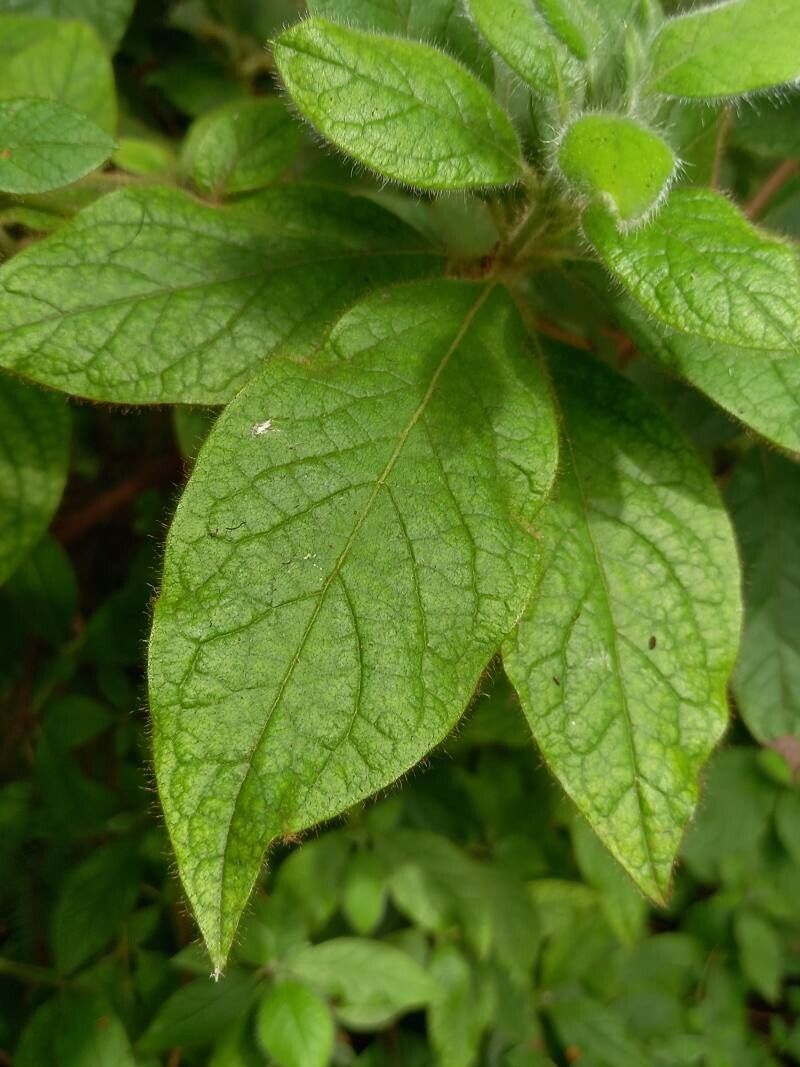
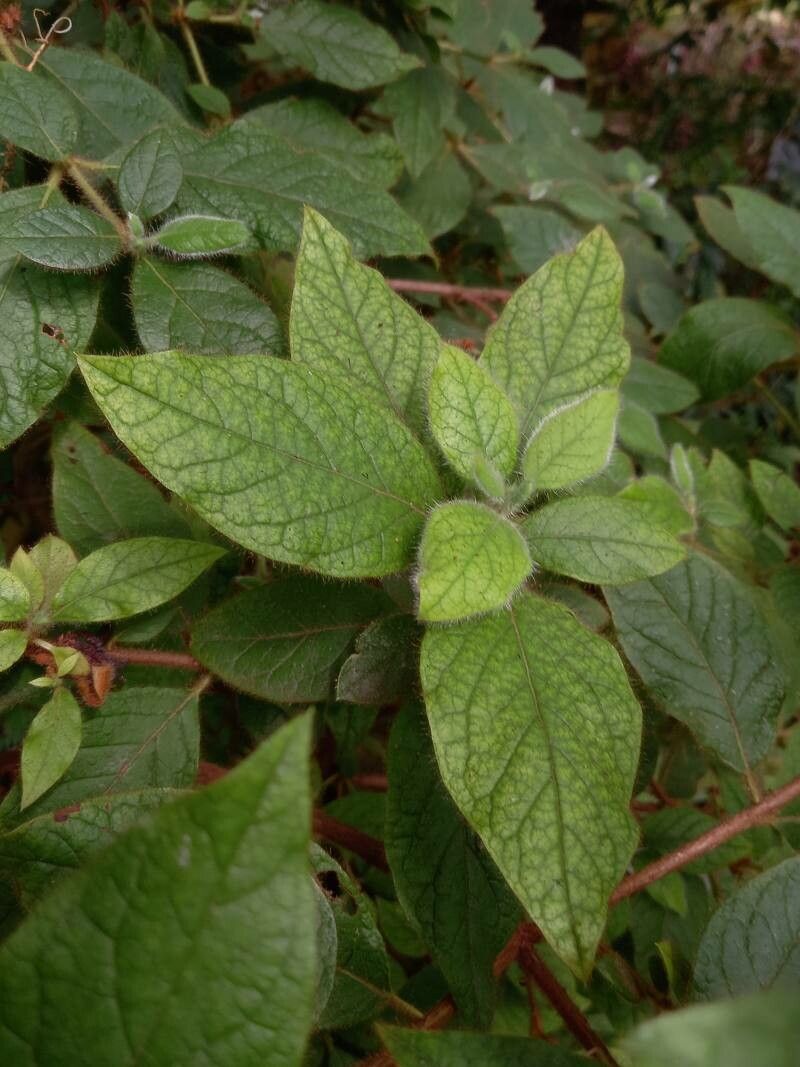
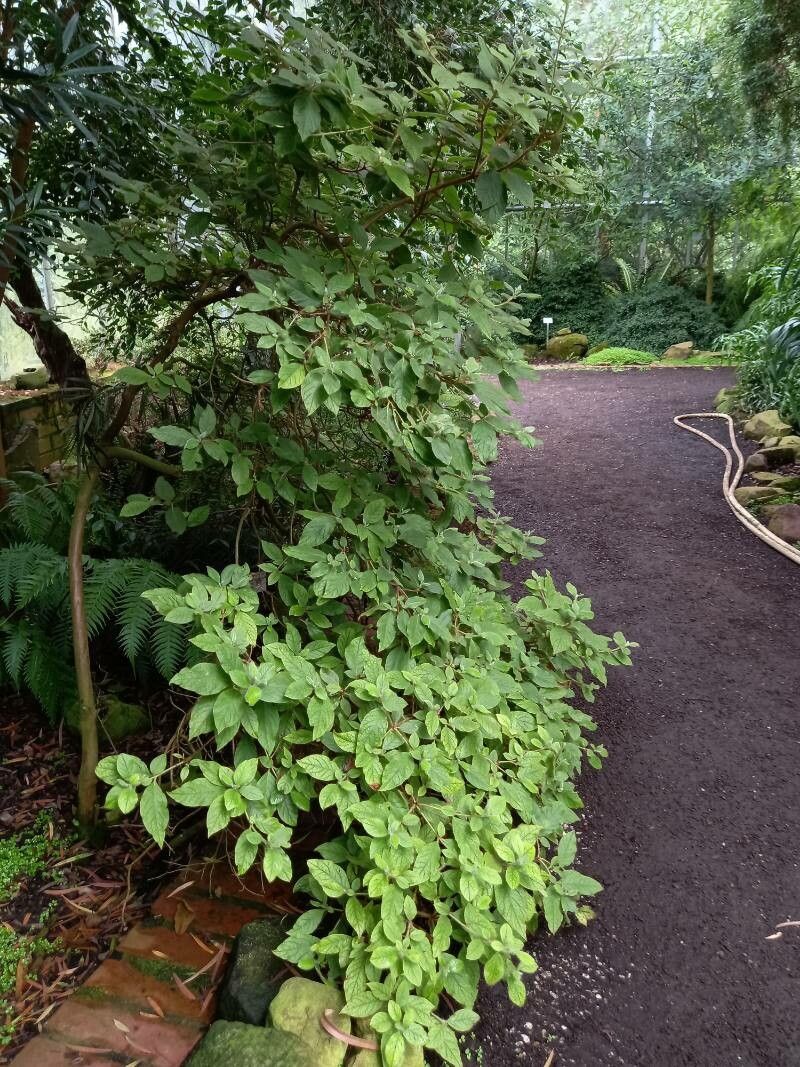
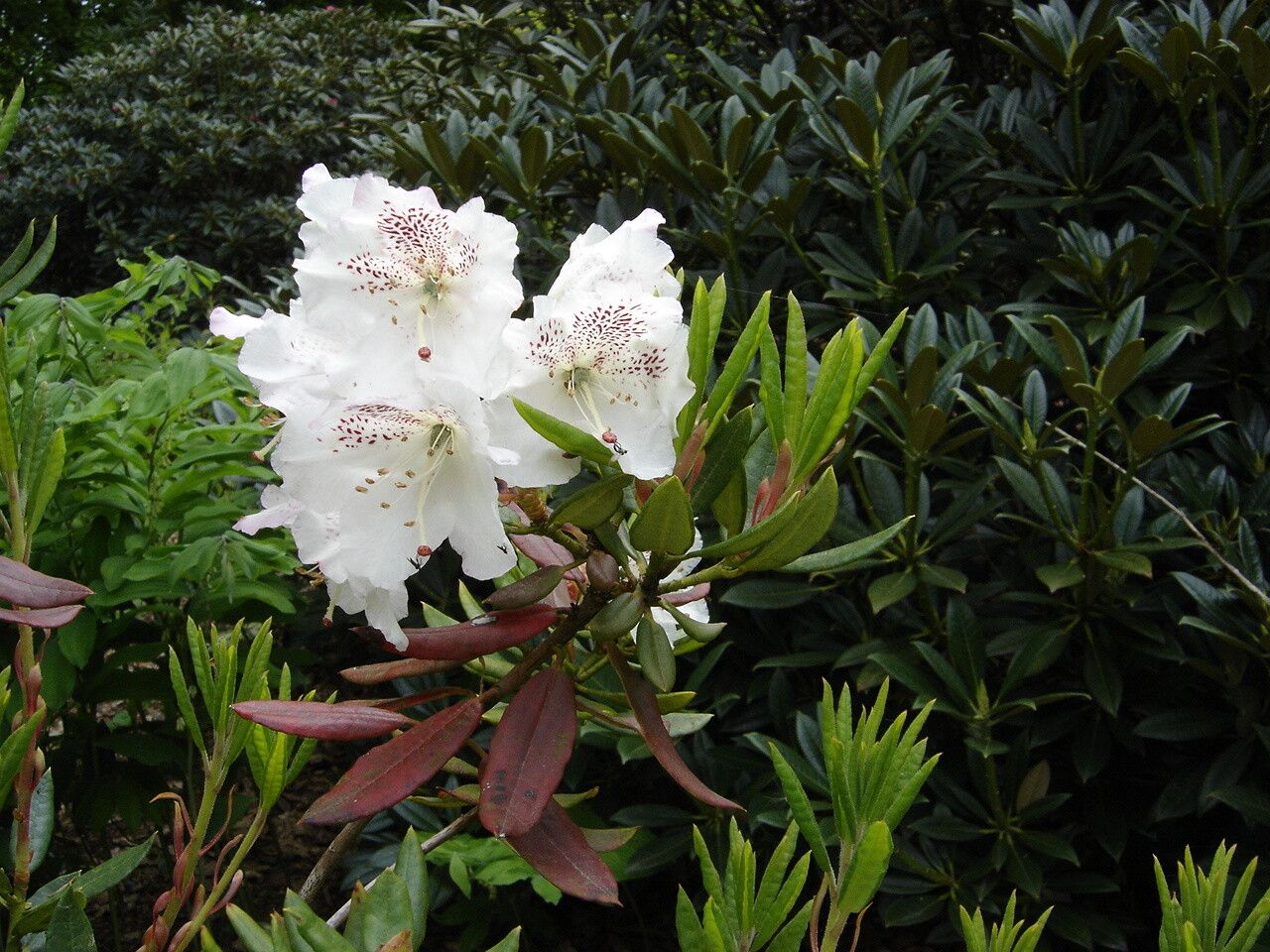
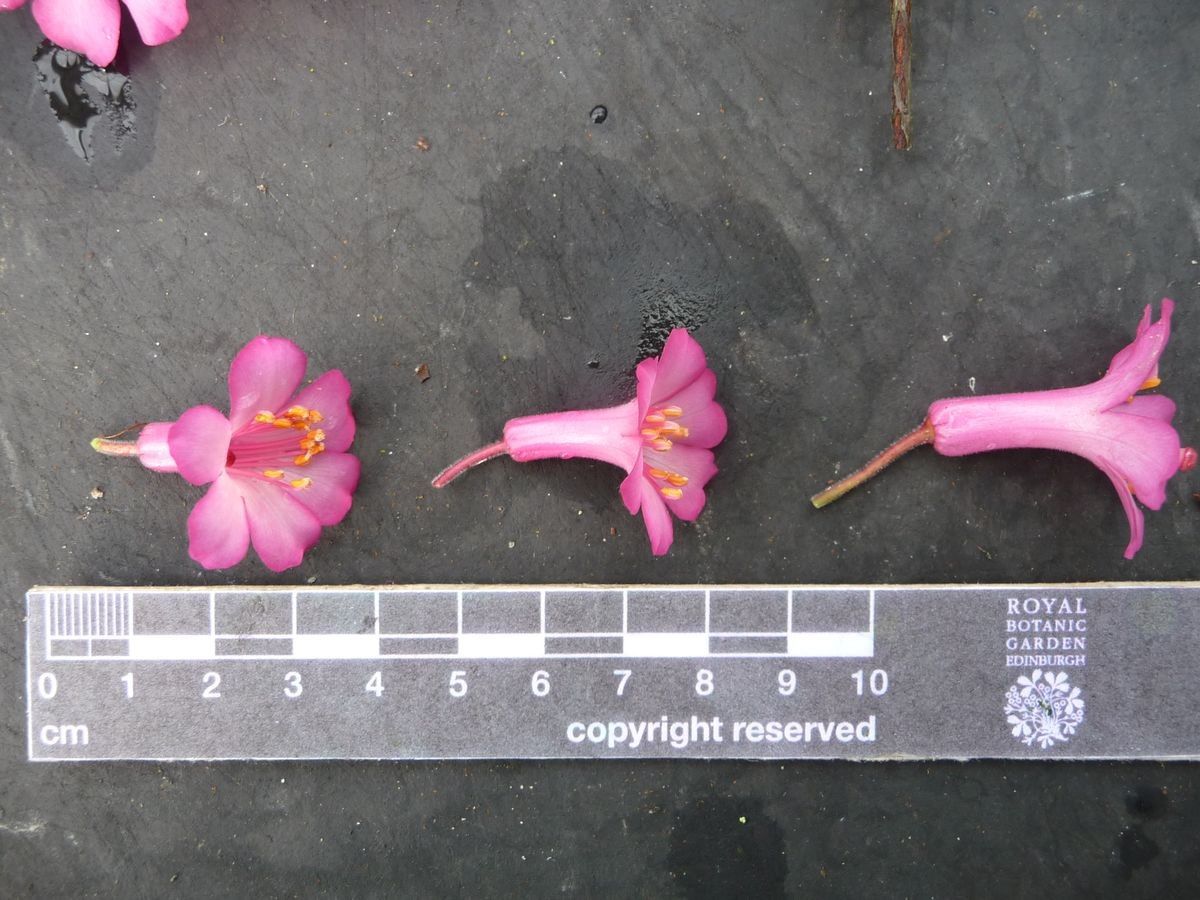
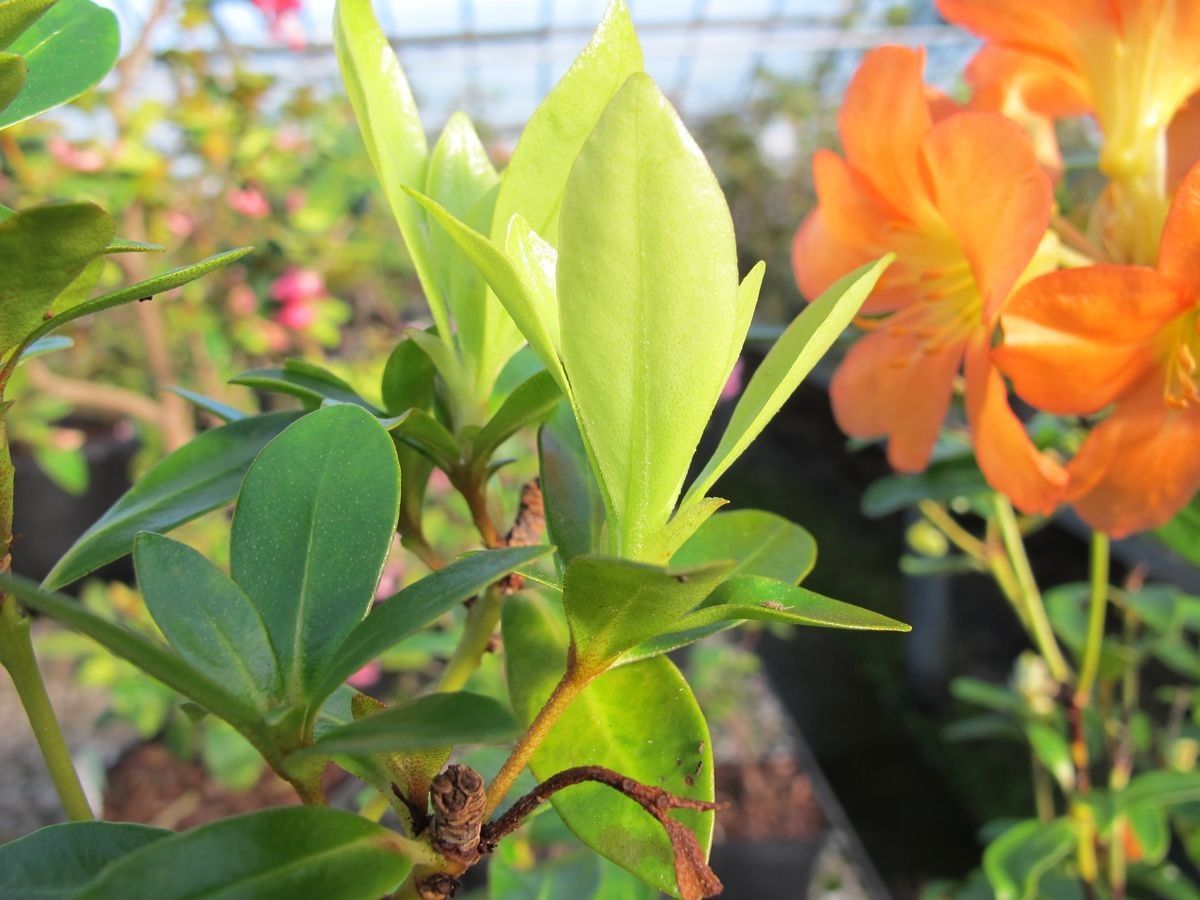
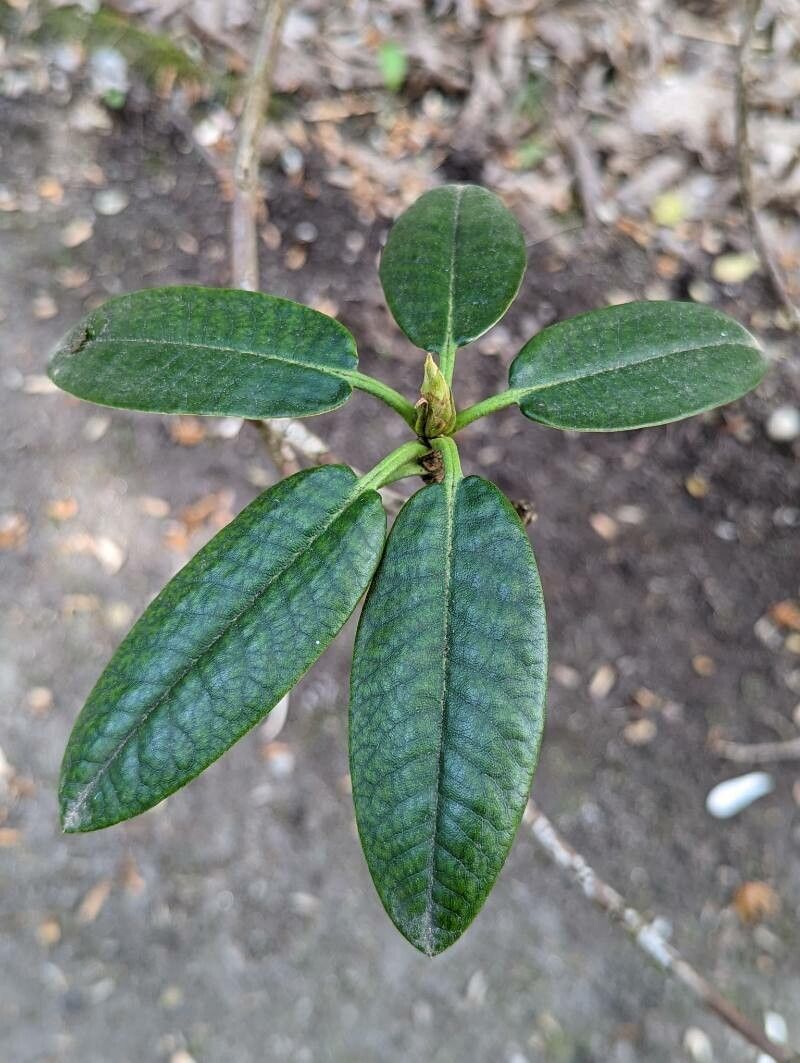
Rhododendron oldhamii is a species of azalea in the family Ericaceae. It is commonly known as the taiwan azalea. Other names include: oldham's azalea, tropical azalea, and malaysian rhododendron.
The Formosan azalea has strong resistance to disease and is typically not susceptible to pests or illnesses. In terms of maintenance, this plant is fairly low-maintenance. When planted outdoors it needs little watering, and larger specimens usually do not require pruning. Smaller plants, however, should be trimmed after they finish blooming. The Formosan azalea is appropriate for anyone with an outdoor area, such as a garden or a deck, and does not demand extensive care experience.
How to keep Rhododendron Oldhamii.
Light
The Formosan azalea does best with moderate sunlight exposure, although it can tolerate abundant sun. Coming from regions where dappled sunlight filters through the canopy, it can thrive in those conditions. Too much sun can scorch the leaves, while too little light can stunt growth and hinder blooming stages.
Water
The Formosan azalea, native to Taiwan's humid forests, thrives in consistently moist soil and can tolerate short periods of drought. It is best to water it every 1 to 2 weeks. Typically grown outdoors, this plant benefits from mulching during its active growth period to help retain moisture and regulate temperature.
Temperature
Formosan azalea is fairly adaptable to temperature, tolerating higher heat and significant temperature fluctuations. In hot conditions, attention should be given to watering and providing appropriate shade to prevent sunburn. On the other hand, Formosan azalea has relatively poor tolerance for low temperatures. While it can endure some cold, excessively low temperatures can cause frost damage.
Fertilizer
Timing is important when fertilizing a Formosan azalea. Start feeding it in early spring and repeat monthly until early summer. Fertilizer encourages lovely blooms and supplies energy during both dormant and active growth periods.
Pruning
The Formosan azalea features vibrant blooms and dense foliage. To enhance air circulation and light penetration, prune it in early spring. Selectively thin the branches to maintain its shape, which promotes vigor and encourages blooming. Use sharp, clean tools to make precise cuts, reducing stress and improving the plant's overall health.
Pot & Repot
Repot Formosan azaleas every 2 to 3 years in the spring to support their moderate growth. Use a wide, shallow container filled with well-draining, acidic soil. After repotting, water the plant thoroughly and place it in an area with filtered light. This will help it acclimate more easily and encourage vigorous growth.
Botanical profile.
- Plant Type
- Shrub
- Life Cycle
- Perennial
- Genus
- Rhododendron
- Family
- Ericaceae
- Hardiness Zone
- 6-9
- Mature Height
- 3.05 m
- Mature Spread
- 0.91 m to 1.22 m
- Leaf Color
- Forest Green, Dark Green
- Leaf Type
- Evergreen
- Flower Color
- Red
- Flower Size
- 5.08 cm
- Bloom Time
- Mid spring, Late spring, Early summer
- Planting Time
- Spring, Summer
- Harvest Time
- Mid summer, Late summer, Early fall
- Native Area
- China
Reader questions.
What are the sunlight requirements for a Formosan azalea?
Formosan azaleas thrive under moderate sunlight exposure but can tolerate both partial and full sun environments. Partial sun is defined as about 3-6 hours of sunlight, while full sun involves more than 6 hours of sunlight per day. It's essential to watch how sunlight moves through your garden to select spots that provide a balance of light and shade, ensuring optimal growth and health for your plants.
Can Formosan azalea grow under artificial lighting?
Yes, Formosan azalea plants can grow under artificial lighting, which is especially beneficial for indoor plants in areas with insufficient natural sunlight, such as during winter or in less sunny spaces. Artificial lights, including LEDs, can be adjusted to provide specific wavelengths needed for plant growth. It's recommended that full sun plants receive 30-50W/sq ft, partial sun plants 20-30W/sq ft, and full shade plants 10-20W/sq ft of artificial light. The light source should be placed 12-36 inches above the plant, mimicking natural sunlight as closely as possible, with most plants requiring 8-12 hours of light per day.
What are the symptoms of improper light exposure in Formosan azalea?
Symptoms of improper light exposure in Formosan azalea include new leaves growing smaller than previous ones, a leggy or sparse growth appearance, faster leaf drop, slower or no new growth, and leaves that develop pale colors or patterns indicative of a lack of chlorophyll. Conditions like chlorosis, sunscald, leaf curling, wilting, and leaf scorching can also occur due to either insufficient or excessive sunlight, affecting the plant's ability to photosynthesize and its overall health.
How can I address insufficient or excessive sunlight exposure for a Formosan azalea?
To counteract issues with sunlight exposure for a Formosan azalea, gradually adapt the plant to changing light conditions by moving it to sunnier spots each week until achieving 3-6 hours of direct sunlight daily. For indoor plants large or difficult to move, consider using artificial light, keeping a desk or ceiling lamp on for at least 8 hours daily or utilizing professional plant grow lights. Outdoor plants should also be moved gradually to avoid sunburn, and for plants grounded in less optimal locations, reducing obstructions or transplanting during the plant's dormant period can improve sunlight access. However, note that parts of the plant already affected may not recover, but new growth should be healthy post-adjustment.