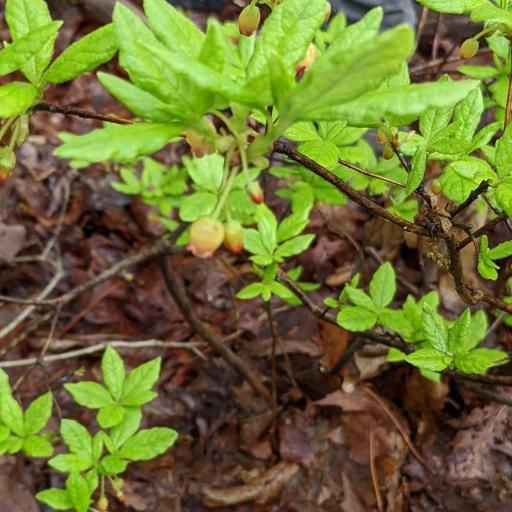
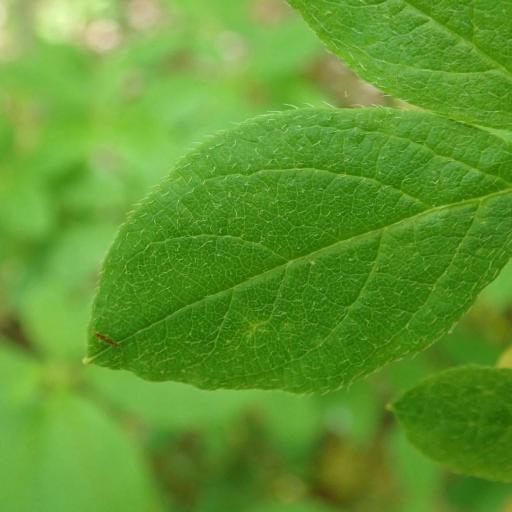
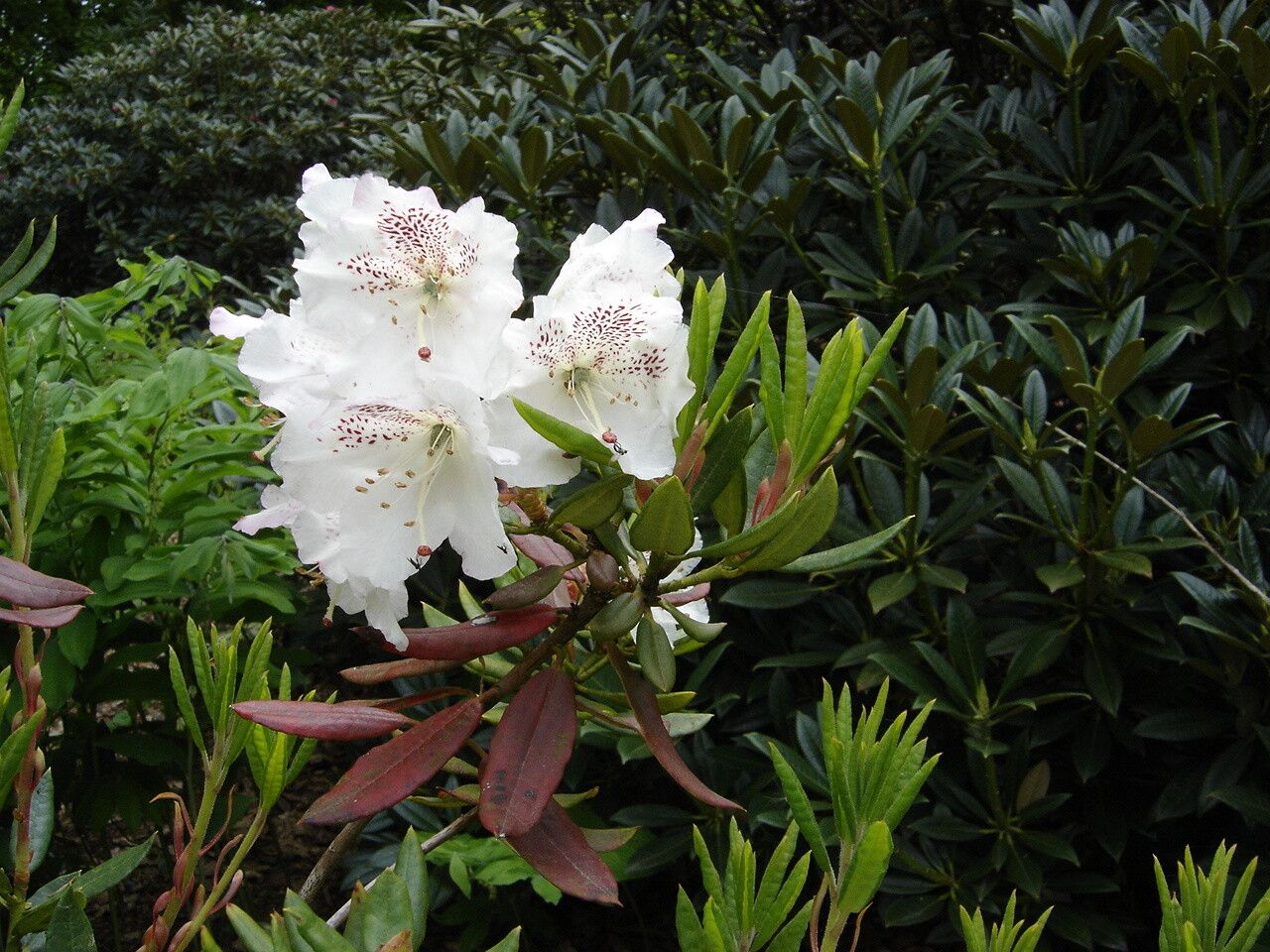
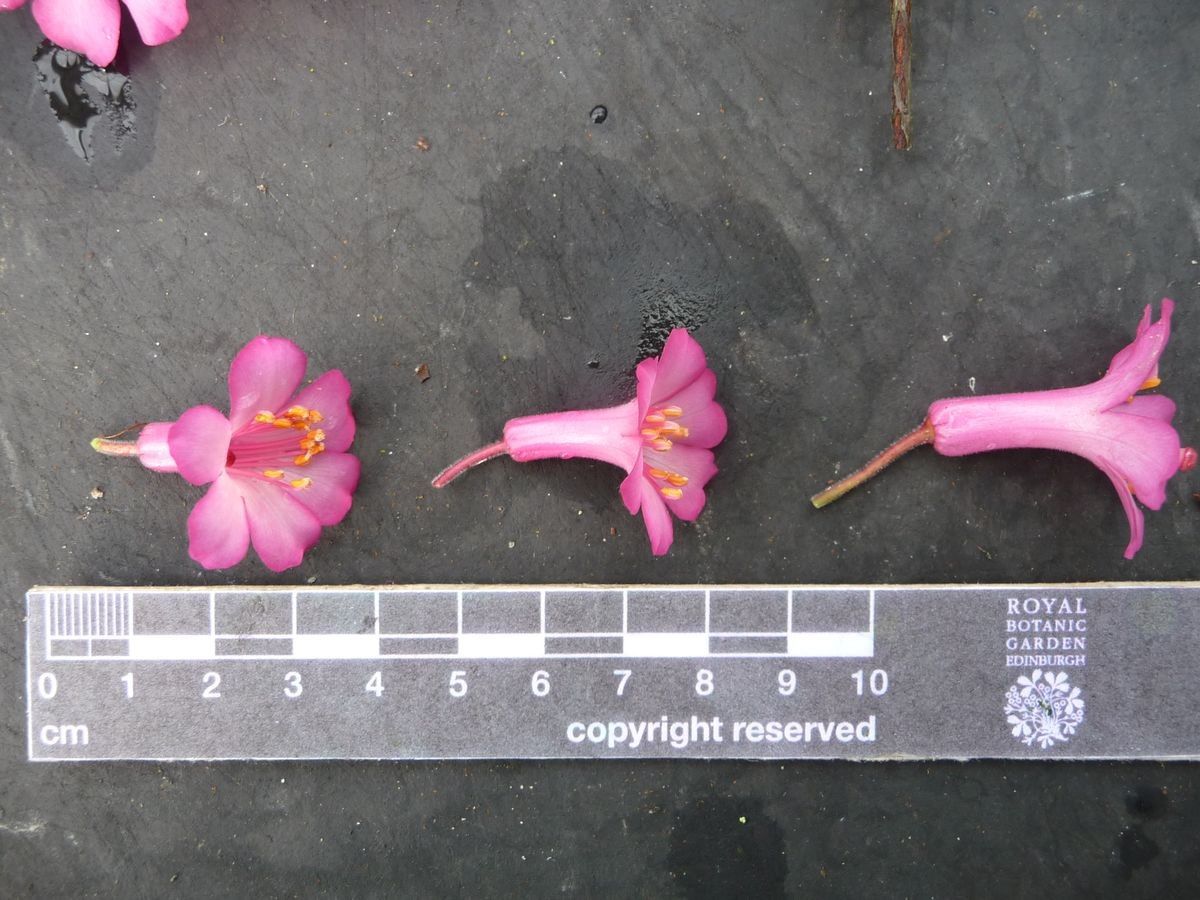
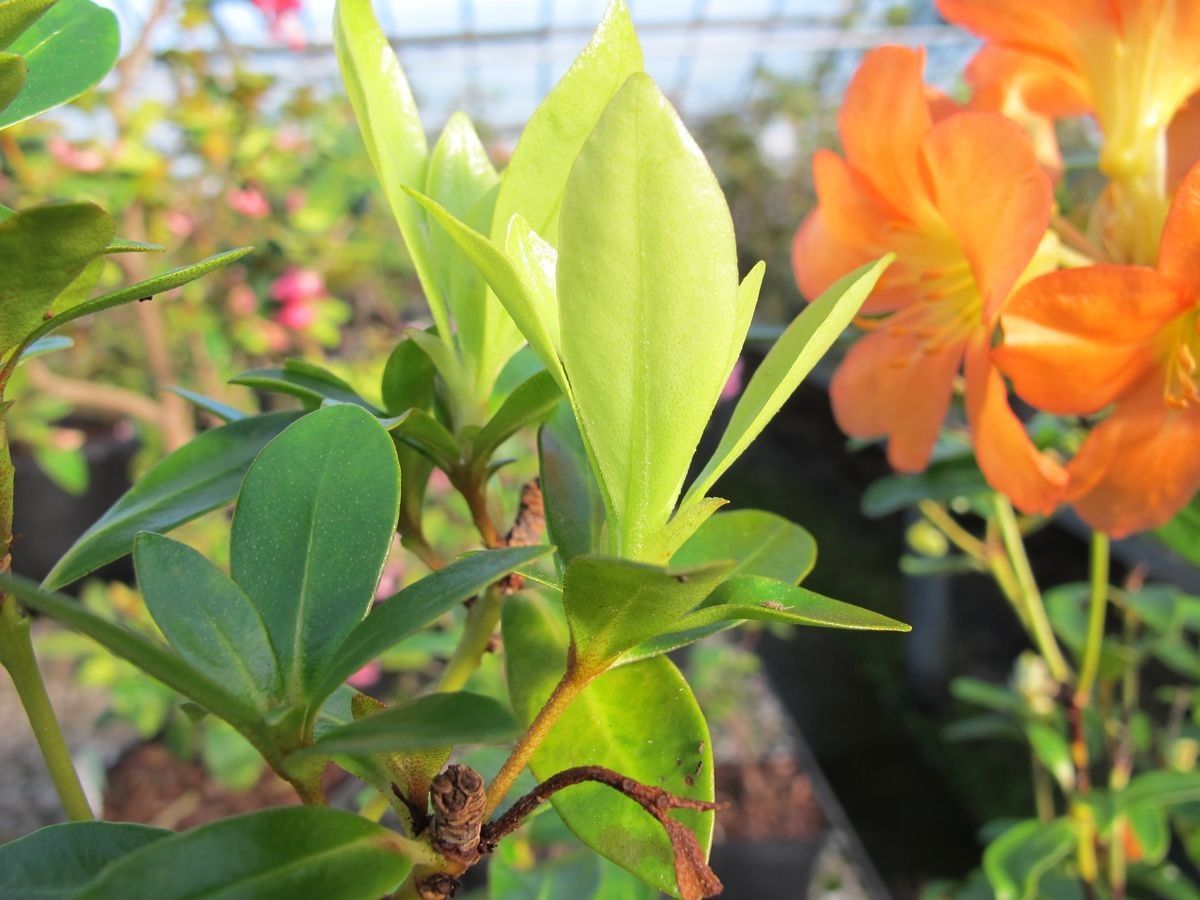
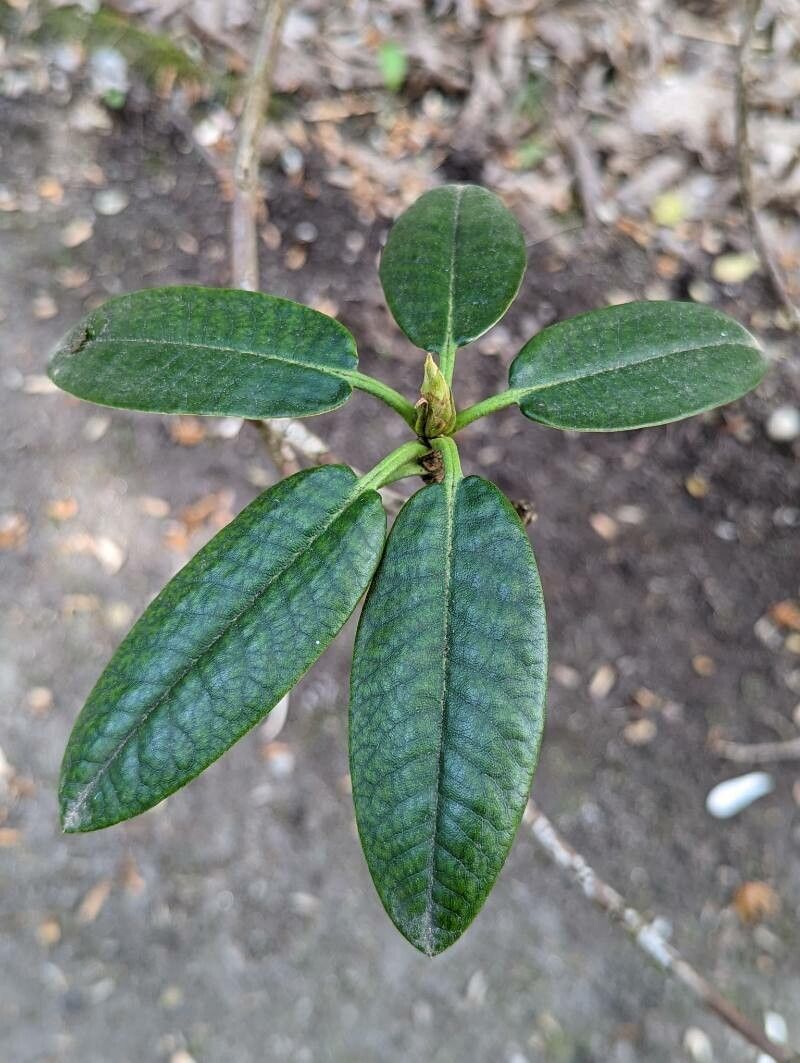
Rhododendron pilosum, the minniebush, is a species of flowering plant in the family Ericaceae. A shrub reaching 6 ft (1.8 m), it is typically found growing in the Appalachian Mountains from southern Pennsylvania to Georgia.
Minniebush has strong resistance to disease and is usually not susceptible to illnesses. In terms of care, the plant is fairly low-maintenance. When grown outdoors, it needs minimal watering, and larger plants typically do not require pruning. Smaller plants, however, should be pruned after they finish blooming. Minniebusht is appropriate for anyone with an outdoor area, such as a garden or deck, and does not demand much care experience.
How to keep Rhododendron Pilosum.
Light
Minniebush naturally grows in places like forest understories or rocky sites, where it is typically shaded. It prefers partial sun but can also tolerate full sun or full shade, illustrating its versatility and hardiness.
Water
To ensure healthy growth for your minniebush, use rainwater or melted snow instead of tap water, as tap water contains ions that can be harmful. Regularly test the pH level of the water, and add vinegar if necessary to adjust the pH. During the summer and at the start of the growing season, water the plant frequently. In contrast, water less often in the winter. Increase watering towards the end of winter to support growth, but be sure to reduce watering during rainy seasons to prevent waterlogging.
Temperature
The Minniebush adapts well to different climates, coping with both hot summers and cold winters. Still, it needs a specific temperature range to grow best. If temperatures get too high, the plant is susceptible to heat and humidity stress, which can kill it. In places where temperatures approach the lower edge of its cold tolerance, insulating the plant is necessary for protection.
Fertilizer
The timing of fertilizing Minniebush is of great importance. Apply the fertilizer in the early spring and carry on monthly until the start of summer. Fertilizer aids in creating stunning blooms and supplies energy during both dormant and active growth stages.
Pruning
To promote growth and flowering, prune your minniebush in early spring before new growth begins. Concentrate on removing dead branches, thinning for better airflow, and shaping the plant. Be careful not to remove more than one-third of the branch diameter to prevent stress on the plant. Use clean, sharp tools to minimize damage.
Botanical profile.
- Plant Type
- Shrub
- Life Cycle
- Perennial
- Genus
- Rhododendron
- Family
- Ericaceae
- Hardiness Zone
- 5-8
- Mature Height
- 30 cm to 91 cm
- Mature Spread
- 49 cm to 91 cm
- Leaf Color
- Dark Green, Forest Green
- Leaf Type
- Evergreen
- Flower Size
- 2.03 cm to 3.05 cm
- Bloom Time
- Mid spring, Late spring
- Planting Time
- Spring, Summer
- Harvest Time
- Mid summer, Late summer, Early fall
Other names.