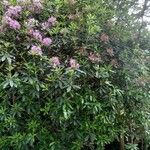
Rhododendron ponticum
Ροδόδενδρο · Rhododendron · Pontic Rhododendron · Pontian rhododendron · Common rhododendron
Description
Source: leafsnapThis shrub boasts narrow green leaves with delicate white margins, creating a striking appearance throughout the year. It also produces clusters of purple flowers that enhance its visual appeal. Perfect as a low hedge, foundation plant, or specimen, this evergreen shrub is a wonderful addition to any garden.
💡 Honey produced from the pollen of pontic rhododendron flowers is poisonous. One of the earliest recorded instances of this occurred in 401 B.C. During their retreat from Babylon, the army of Xenophon encountered this toxic honey. Starving, the soldiers consumed large amounts of it and subsequently fell ill, suffering from nausea and vomiting.
🌳 Pontic rhododendron, widely considered an invasive species in the UK and Ireland, unexpectedly provides environmental advantages. Its dense growth can be used for land reclamation and stabilization, particularly on nutrient-poor soils, effectively acting as a natural soil improver.
🎭 Lure, prudence and peril.
Care Guide
💧 Water
The Pontic rhododendron thrives in humid environments with consistent moisture, though it can tolerate moderate drought. It's best to water it every 1-2 weeks, keeping the soil evenly moist but not waterlogged. This plant does well outdoors, but it requires careful watering during its growth cycles to ensure healthy foliage and vibrant blooms.
How should I water my Pontic rhododendron plant?
Your Pontic rhododendron is not very particular about how you water it. You can use any common watering tool, such as watering cans, hoses, or even cups, to moisten the plant's soil. It is important to water the soil directly and make sure all areas are evenly moistened to provide water to the entire root system. Using filtered water is recommended to avoid harmful particles found in tap water. It is also helpful to use water that is at or slightly above room temperature, as extreme temperatures can shock the plant. However, the Pontic rhododendron generally responds well to any type of water.
What should I do if I give my Pontic rhododendron too much water or too little water?
When it comes to outdoor plants, especially newly planted ones or seedlings, they are often at risk of not getting enough water. It is important to make sure you water them adequately for the first few months, especially when the plant is small or recently planted. Once the roots are established, the Pontic rhododendron can usually rely on rainfall. If you have a potted Pontic rhododendron, overwatering can be a common problem. If you accidentally overwater your plant, there are steps you can take to fix it. First, stop watering your plant immediately to minimize the effects of overwatering. Then, carefully remove the plant from its pot and inspect the roots for any signs of rot. If there is no root rot present, you can place the plant back into its container. However, if you do find root rot, trim away the affected roots and consider applying a fungicide to prevent further damage. Finally, repot your Pontic rhododendron in soil that drains well. On the other hand, underwatering is a more straightforward issue to fix. If you notice that your Pontic rhododendron's leaves are drooping, drying out, or falling off, it is a sign that it needs more water. Simply increase the frequency of watering to address this problem. It is important to correct your watering routine promptly when underwatering occurs, as the leaves will regain their fullness after sufficient watering.
How often should I give water to my Pontic rhododendron?
Growing plants outdoors typically rely on natural rainfall for their water needs. However, if your area doesn't receive sufficient rainfall, you should consider watering them adequately every two weeks in the spring and fall. During the summer, more frequent watering is necessary. In the winter, when plants grow slower and require less water, you should water them sparingly or even not at all. For young or newly planted Pontic rhododendron, more frequent watering is recommended to help them establish and become more adaptable to drought. When it comes to potted plants, there are two ways to determine watering frequency for your Pontic rhododendron. The first is to follow a set watering schedule, such as once every week or every other week. However, this approach may not account for the specific conditions in which your plant is growing. Another option is to monitor soil moisture. It is generally best to wait for the top two to four inches of soil (around ⅓ to ½ depth of the pots) to dry out completely before watering again. Keep in mind that during the summer, the plant's water needs will likely be higher, so a predetermined schedule may not be sufficient.
How much water does my Pontic rhododendron plant require?
To water your Pontic rhododendron effectively, it's important to note that it doesn't always require a lot of water. If only a small amount of soil has dried since your last watering, giving it about five to ten ounces of water will support healthy growth. You can determine the appropriate water volume by checking the moisture level of the soil. Pay attention to how many inches of soil have dried out between waterings. To ensure your plant receives adequate moisture, water enough to dampen all the dry soil layers since the last watering. If over half of the soil is dry, consider giving more water until you see excess water draining from the pot's drainage holes. If the rhododendron is exposed to sufficient rain outdoors, additional watering might not be necessary. When the plant is young or establishing, aim for 1-2 inches of rain per week. As it matures, it can rely solely on rainwater unless there is a prolonged period of hot weather with no rainfall for 2-3 weeks; in that case, provide a thorough watering to prevent stress.
How do I know if I'm giving enough water to my Pontic rhododendron?
The Pontic rhododendron is more often overwatered, and there are a few signs to watch out for. When this happens, the leaves may turn yellow and some may fall off. Overwatering can also cause the plant to shrink and lead to root rot. On the other hand, if the Pontic rhododendron is underwatered, it will begin to wilt and the leaves may turn brown or become brittle. Regardless of whether you see signs of overwatering or underwatering, it's important to take action to restore the plant's health.
☀️ Light Partial sun
The pontic rhododendron does best with a daily mix of sun and shade, though it can tolerate stronger sunlight. In the wild it grows beneath taller vegetation and receives filtered light. Excessive sun can scorch its leaves, while too little light can limit its growth.
How much sunlight does Pontic rhododendron need to grow?
The Pontic rhododendron thrives with 3-6 hours of direct sunlight per day. However, it also needs shade during the hottest parts of the day to avoid sun damage. The morning sunlight is ideal, but it can tolerate some afternoon sun if it isn't too hot. To achieve the perfect balance, consider planting the Pontic rhododendron in an area that receives partial sun, like under a tree or on the east side of a building.
What happens if Pontic rhododendron doesn’t get enough sunlight?
To prevent sun damage, provide some shade for Pontic rhododendron during the hottest parts of the day. Too much direct sunlight can cause its leaves to turn yellow, dry out, or even burn. You may also observe wilting or stunted growth. Consider using a shade cloth or planting Pontic rhododendron near taller plants that can offer natural shade.
What will happen if the Pontic rhododendron gets too much sunlight?
If the Pontic rhododendron doesn't receive adequate sunlight, it may become thin and tall, with few leaves. Additionally, the leaves might become yellow or pale green, which indicates a lack of chlorophyll caused by insufficient sunlight. To solve this issue, you can try relocating the Pontic rhododendron to a sunnier area or prune nearby foliage to increase the amount of light reaching the plant.
🌡️ Temperature 15–35°C
Pontic rhododendron grows best in areas similar to its native moderate climate, favoring temperatures of 59 to 95 °F (15 to 35 ℃). In winter, appropriate protective measures may be needed to ensure optimal health.
What is the optimal climate for Pontic rhododendron?
Pontic rhododendron thrives in moderate climates, preferring temperatures between 59 to 95°F (15 to 35°C). It is well-suited to regions that mimic its native environment's climate. This plant exhibits strong cold resistance, typically not requiring special frost protection measures during winter. However, it's crucial to ensure it is protected when winter temperatures are forecasted to drop below -15°C, mainly through wrapping the trunk and branches with insulating materials like non-woven fabric or cloth. It's also recommended to water the plant abundantly before the first freeze of autumn to keep the soil moist, which helps in preventing drought and water scarcity during the colder months.
How does low temperature affect Pontic rhododendron, and what are the suggested solutions?
Pontic rhododendron is cold-tolerant and generally fares best in temperatures above 15°C. However, during winter, it's advisable to maintain temperatures above -10°C. Exposure to temperatures below -15°C may not show immediate adverse effects during the winter, but by spring, the branches might become brittle and dry, with an absence of new shoots. The recommended solution for such damage is to prune away the dead branches that failed to produce new leaves in the spring, encouraging healthier growth.
What issues arise from high temperatures for Pontic rhododendron, and how can they be addressed?
During the summer, Pontic rhododendron should ideally be kept below 35°C. If temperatures rise above 38°C, the plant's leaves may lighten in color, the tips might become dry and withered, and the plant becomes more vulnerable to sunburn. To mitigate high-temperature stress, affected parts of the plant should be trimmed away. Relocating the plant to a shaded area, especially away from the midday and afternoon sun, or using a shade cloth can provide necessary protection. Additionally, watering the plant in the morning and evening will help maintain soil moisture, further shielding it from heat stress.
💨 Humidity high (>60%)
This plant needs special care because it loves high humidity levels of 60-80% or more. The best way to achieve this is by placing a humidifier near the plant. Daily misting is also essential! Make sure the room has good ventilation.
🪴 Soil 4-5
🌱 Fertilizer
Timing is important when fertilizing a Pontic rhododendron. Apply fertilizer in early spring and continue doing so monthly through early summer. The fertilizer encourages beautiful blooms and supplies energy during both dormant and active growth periods.
Why should I add fertilizer to my Pontic rhododendron?
Fertilizing a Pontic rhododendron is important for several reasons. The main reason is that it helps the plant produce beautiful blooms. To ensure excellent flowers in the spring, it is best to fertilize in early spring. Fertilizer also provides the plant with energy that can be stored during inactive growth phases. By providing extra nutrients during fall planting or late spring, the plant will have more energy to use when it becomes active again.
When should I fertilize my Pontic rhododendron?
To ensure effective fertilization of Pontic rhododendron, timing is crucial. Applying fertilizer too early while the plant is still dormant will render it ineffective and result in wastage and pollution as the rainwater will wash it away. It is recommended to start fertilizing in early spring and continue with monthly applications until early summer.
When is the best time to not put fertilizer on my Pontic rhododendron?
To ensure optimal growth and flowering of Pontic rhododendron, it is important to consider a few guidelines for fertilization. Firstly, it is advisable to avoid using a fertilizer with excessive nitrogen as it can result in an abundance of leaves but fewer blooms. Look for a fertilizer that contains a lower level of nitrogen compared to other nutrients. Secondly, refrain from fertilizing Pontic rhododendron in the late autumn period as it may cause excessive growth just before winter sets in. Additionally, it is not recommended to fertilize this plant during hot and dry periods due to its reduced effectiveness in delivering nutrients to dry soil. Moreover, fertilizing during this time can stimulate growth, requiring more water that may not be readily available. It is advisable to apply fertilizer earlier in the season when temperatures are cooler. Lastly, keep in mind that Pontic rhododendron can absorb fertilizer from nearby plants or lawns, so exercise caution to avoid inadvertently providing a double-dose of fertilizer to the tree or shrub.
What kind of fertilizer does my Pontic rhododendron require?
The best fertilizer for a Pontic rhododendron is one that has a balanced mix of the three main plant nutrients, with slightly higher levels of phosphorus. Additionally, some gardeners choose to improve the soil for their Pontic rhododendron by adding organic materials like compost, worm castings, and manure. Experienced gardeners may also supplement with water-soluble fertilizers containing phosphorus when the flower buds start to appear, which helps the flowers develop better, grow larger, and bloom for longer. Fertilizers can come in different forms, but liquid or powdered forms are particularly effective for Pontic rhododendron. Regardless of the form you choose, make sure to dilute the fertilizer and apply it while watering your Pontic rhododendron.
How do I give my Pontic rhododendron plant the nutrients it needs to grow?
To properly care for your Pontic rhododendron, it's important to follow the instructions and do some research on the specific fertilizer you plan to use. Over-fertilizing can harm the plant, so it's crucial to determine the right amount. A general guideline is to use the age of the tree or the trunk diameter to determine the appropriate amount of fertilizer. This usually means using about one-tenth of a pound per year or per inch of trunk, with a maximum of one pound. When using granular fertilizers or organic options like blood meal, sprinkle the substance around the base of the tree all the way to the outer branches, avoiding contact with the trunk. The granules will break down over time and seep into the soil to be absorbed by the roots. After applying the fertilizer, spread a one-inch layer of compost around the base and thoroughly water the tree.
🪴 Pot & Repot 2-3 years
Repot the pontic rhododendron every 2 to 3 years, preferably between late winter and early spring. Choose a spacious container and fill it with well-draining, acidic soil. Place the plant in a location with indirect light. Keep the soil consistently moist and gradually resume regular care practices to promote optimal growth.
✂️ Pruning
To ensure the health and beauty of your evergreen pontic rhododendron, it's important to prune it annually in late spring, right after it finishes flowering. Begin by removing any unhealthy branches, and then thin out dense areas to improve air circulation. Pruning after blooming promotes healthy growth and results in more flowers, as it aligns with the plant's natural growth cycle.
🌿 Propagating
🐛 Diseases & pets
☠️ Toxicity
Characteristics
- Plant Type
- Shrub
- Life Cycle
- Perennial
- Genus
- Rhododendron
- Family
- Ericaceae
- Hardiness Zone
- 7-9
- Mature Height
- 4.88 m to 7.92 m
- Mature Spread
- 0.61 m to 1.52 m
- Leaf Color
- Green
- Leaf Type
- Evergreen
- Flower Color
- Purple, White, Pink, Red
- Flower Size
- 3.56 cm to 5.08 cm
- Bloom Time
- Late spring, Early summer
- Planting Time
- Spring, Autumn
- Harvest Time
- Mid summer
- Native Area
- Russia, Spain, Bulgaria, Lebanon, Portugal