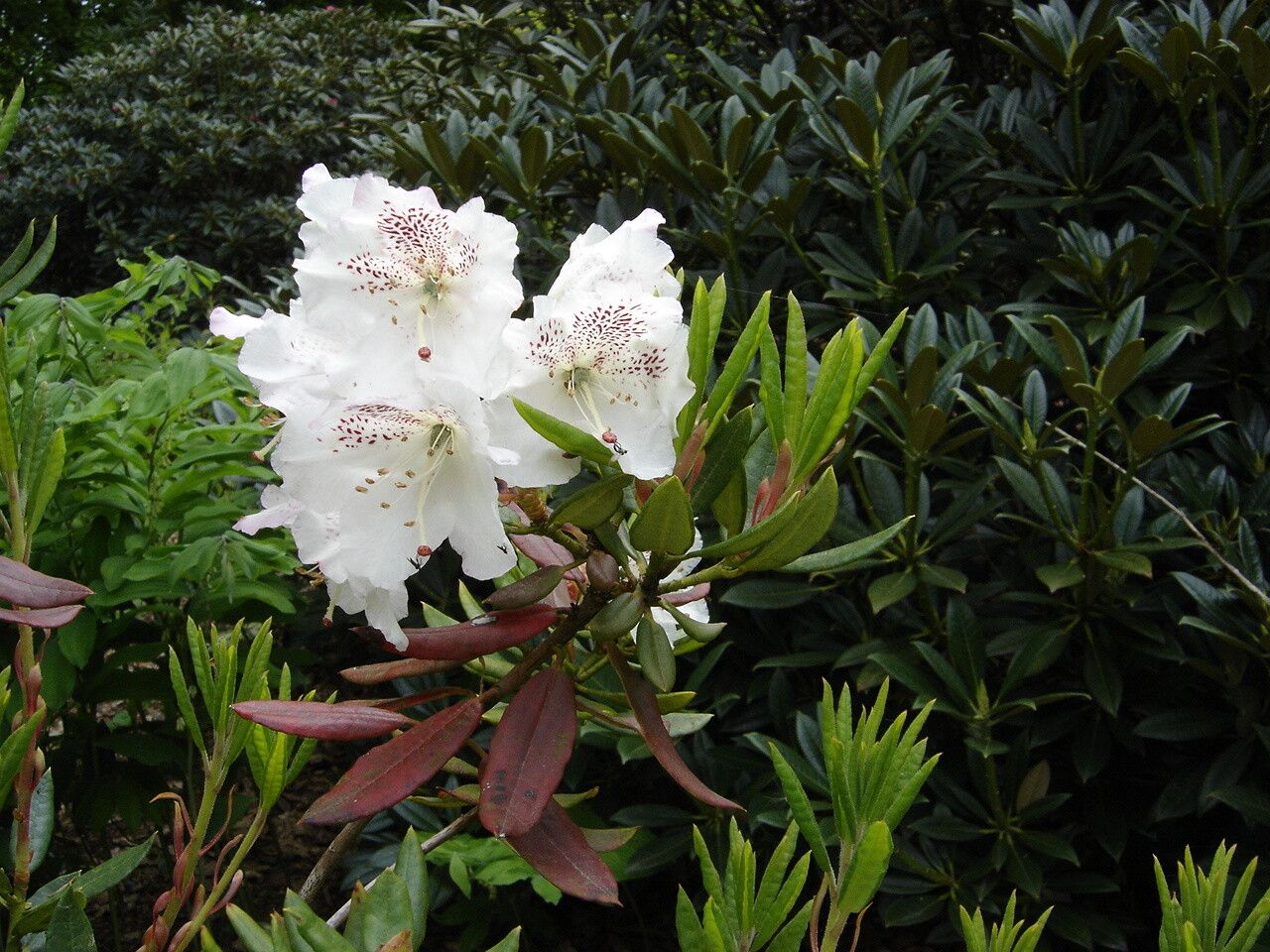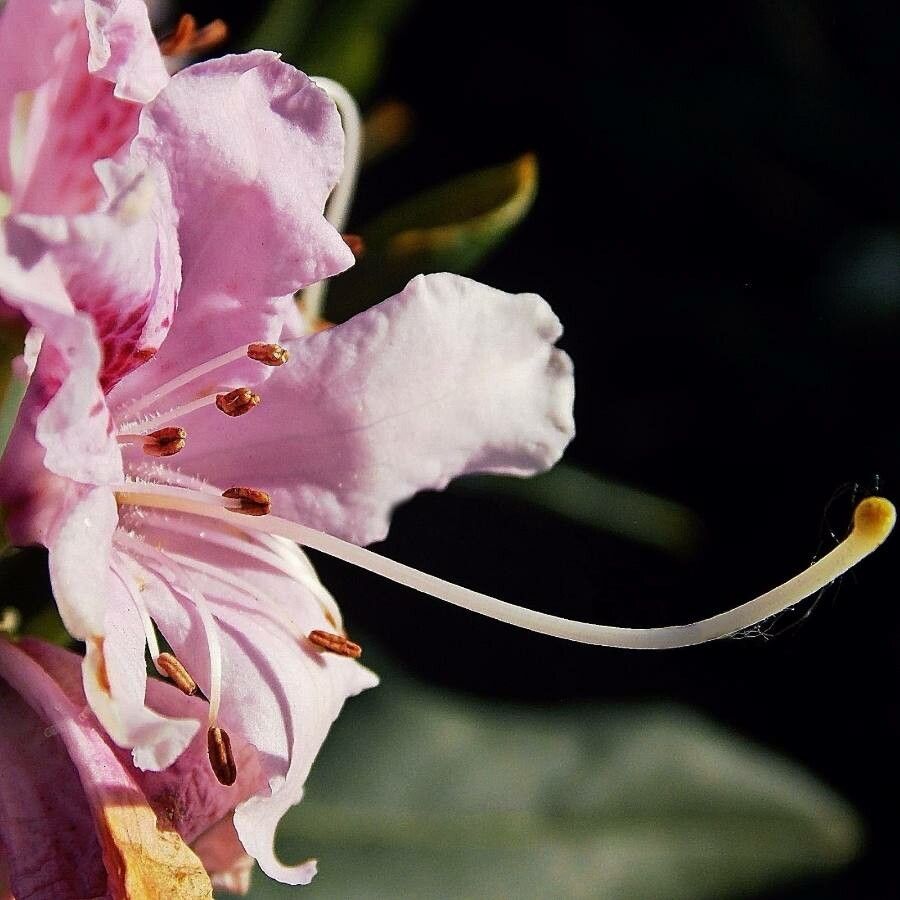
Red-hairy rhododendron is highly disease-resistant and typically not susceptible to illnesses. Regarding care, this plant is fairly low-maintenance. When grown outdoors it needs little watering, and larger specimens usually do not require pruning. However, smaller plants should be trimmed after they finish blooming. Red-hairy rhododendront is suitable for anyone with an outdoor area, such as a garden or deck, and does not demand much gardening experience.
How to keep Rhododendron Rubropilosum.
Light
Red-hairy rhododendron occurs naturally in habitats such as forest understories or rocky areas, where it grows in natural shade. It prefers partial sun but can tolerate both full sun and full shade, showing its versatile and hardy character.
Water
The red-hairy rhododendron thrives in moist, well-drained soil and needs to be watered regularly, typically once a week, to grow optimally. Although it has moderate drought tolerance, it naturally retains moisture in its foliage throughout the year. This feature makes it suitable for indoor cultivation, as it helps maintain humidity levels similar to those of its native habitat.
Temperature
The red-hairy rhododendron is highly adaptable to different climates, from blistering summers to frosty winters. Still, it does have an optimal temperature range for healthy growth. If temperatures become too high, the plant is vulnerable to heat and humidity stress, which can cause it to die. In locations where temperatures approach the lower limit of its cold tolerance, it is necessary to use insulation to protect the plant.
Fertilizer
Timing is crucial when fertilizing the Red-hairy rhododendron. Fertilize in early spring and continue once a month until early summer. Fertilizer helps produce lovely blooms and supplies energy during both dormant and active growth phases.
Pruning
Pruning red-hairy rhododendrons between early and late winter helps to optimize their growth. By removing dead wood, thinning the branches, and improving airflow, you promote healthier plants and enhance their blooms, while also preventing legginess. Additionally, be sure to use clean, sharp tools to avoid spreading diseases.
Botanical profile.
- Plant Type
- Shrub
- Life Cycle
- Perennial
- Genus
- Rhododendron
- Family
- Ericaceae
- Hardiness Zone
- 6-9
- Mature Height
- 3.05 m
- Mature Spread
- 0.91 m to 2.13 m
- Leaf Color
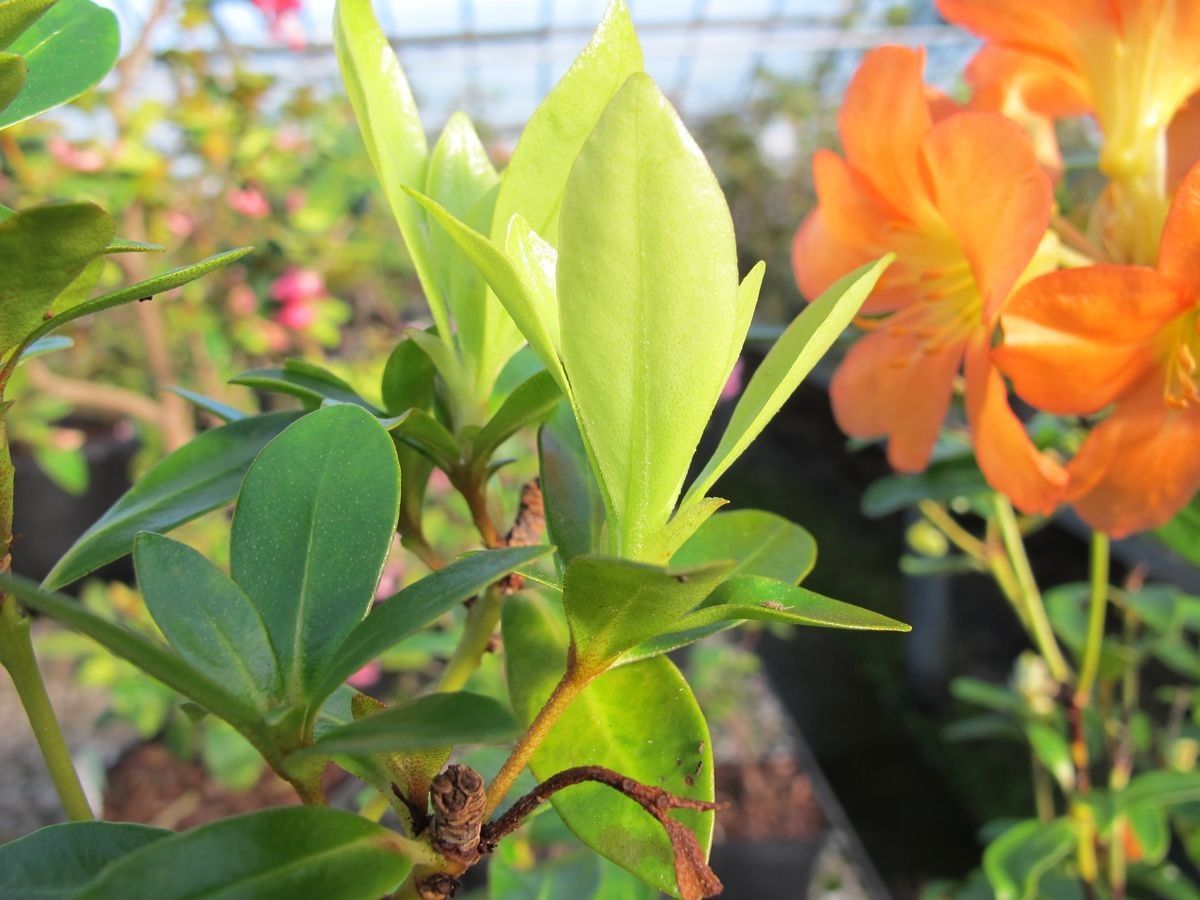
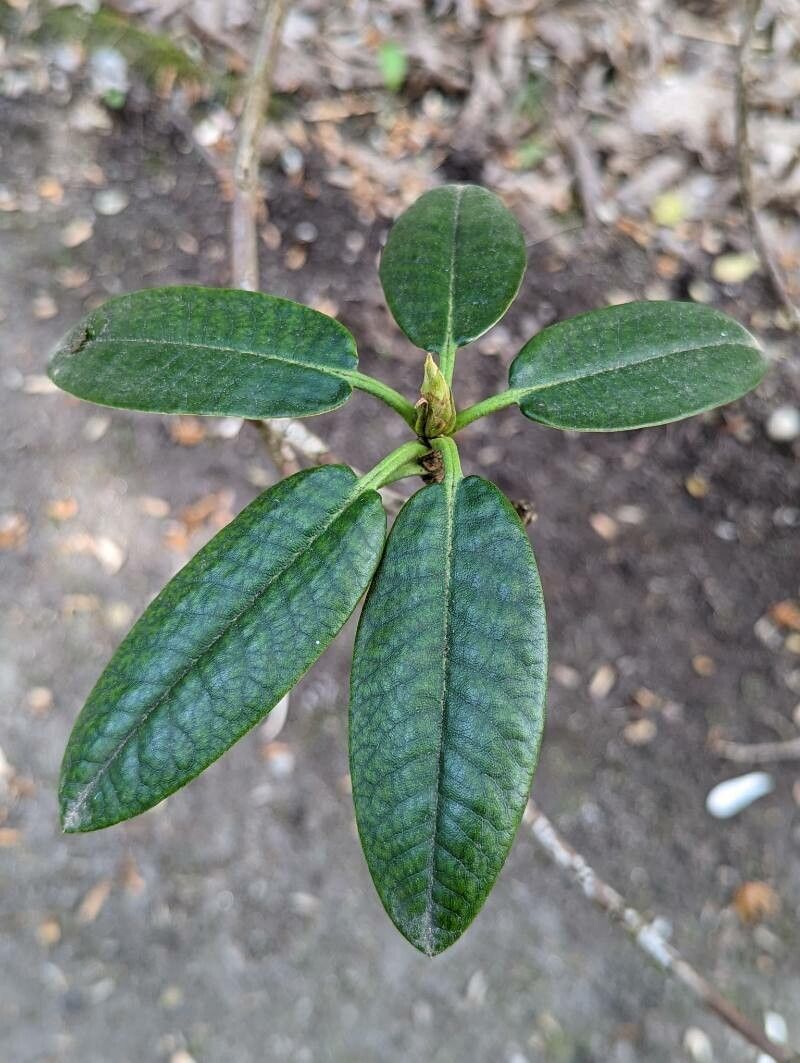
- Green
- Leaf Type
- Evergreen
- Flower Color
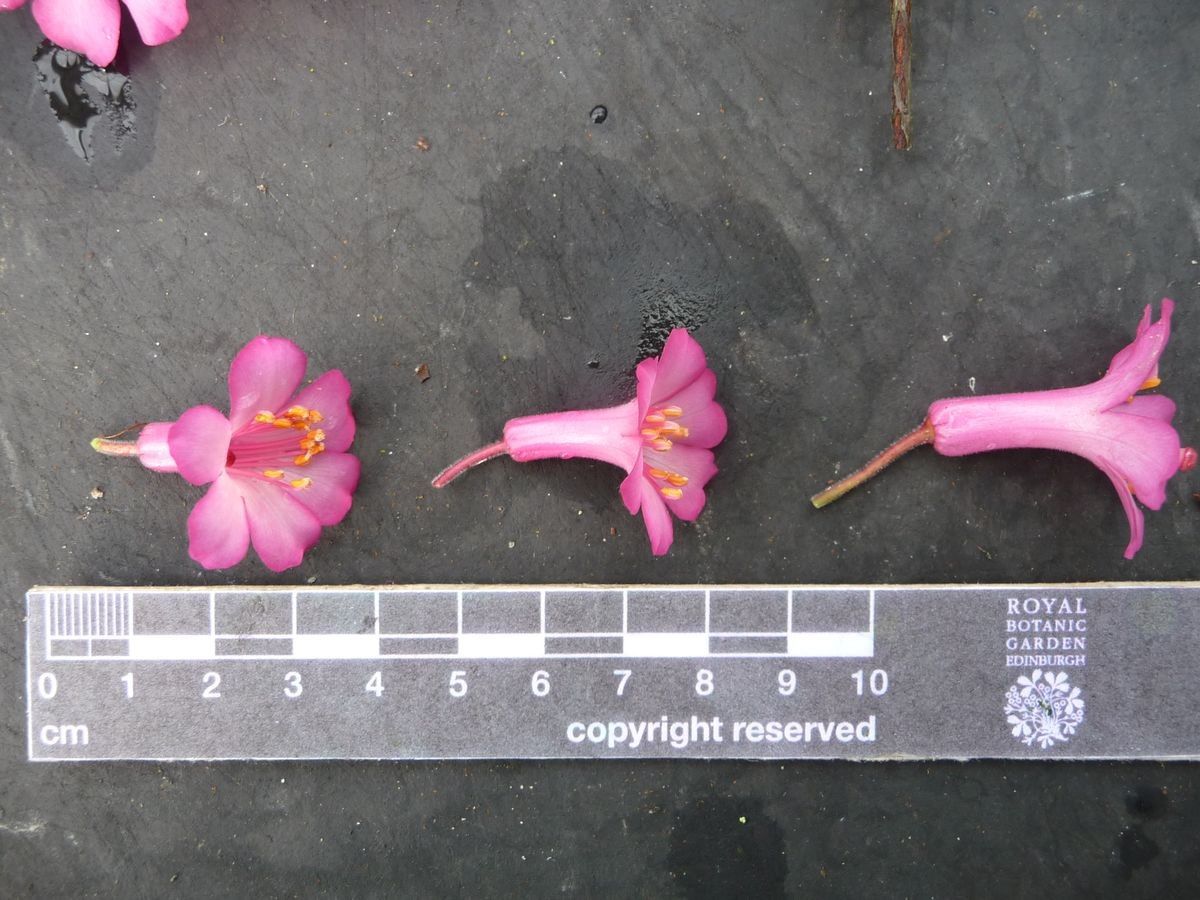
- Pink
- Flower Size
- 3.05 cm to 5.08 cm
- Bloom Time
- Mid spring, Late spring
- Planting Time
- Spring, Summer, Autumn
- Harvest Time
- Summer
- Native Area
- China
Reader questions.
What are the sunlight requirements for a Red-hairy rhododendron?
The Red-hairy rhododendron (Rhododendron rubropilosum) thrives in varying sunlight conditions depending on its needs for growth. For partial sun exposure, it requires about 3-6 hours of sunlight, which is suitable for plants that benefit from direct sun for only a part of the day. For full sun exposure, it needs above 6 hours of sunlight, ideal for plants that thrive in direct sunlight for most of the day. It's important to observe the sunlight's movement through your garden to find spots that offer the right balance of light and shade, ensuring the plants remain happy.