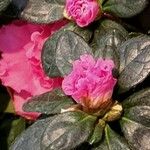
Rhododendron simsii
آزالیا · Azalea · Rhododendron · Sims's azalea · Pot Azalea
Description
Source: leafsnapRhododendron simsii (杜鵑) is a rhododendron species native to East Asia, where it grows at altitudes of 500–2,700 m (1,600–8,900 ft).
🌳 Azalea is valued not only for its decorative beauty but also acts as a bioindicator of soil acidity. The condition and vibrancy of its blooms can reflect the presence and levels of particular soil nutrients, helping gardeners and farmers assess soil and maintain optimal growing conditions for various crops.
🎭 Belonging to eternity
Care Guide
💧 Water Every 1-2 weeks
The red azalea flourishes in subtropical climates where there's high humidity and consistent moisture. When caring for this plant, water it every 1-2 weeks, ensuring that the soil remains moist but not waterlogged. As an ornamental indoor plant, the red azalea benefits from increased humidity. You can achieve this by misting the plant or placing it on a tray filled with water and pebbles. This will help extend the longevity of its flowers.
How should I water my Red azalea plant?
Your Red azalea is not very particular about how you water it. You can use any common watering tool, such as watering cans, hoses, or even cups, to moisten the soil. It is important to apply the water directly to the soil and make sure all areas of the soil are evenly moistened to provide water to all parts of the root system. Using filtered water is recommended, as tap water may contain harmful particles for plants. It is also better to use water that is at or slightly above room temperature, as very hot or cold water can be a bit shocking to the Red azalea. However, the Red azalea generally responds well to any type of water you give it.
What do I do if I give my Red azalea too much or too little water?
Outdoor plants, especially newly planted ones or seedlings, are prone to lack of watering. It is important to water them enough for a few months while they are small or newly planted. Once the roots are established, red azaleas can rely on rain most of the time. However, when red azaleas are planted in pots, overwatering is more likely. If you accidentally overwater your red azalea, you should stop watering it immediately to minimize the effect. Check the roots and if there are signs of root rot, trim away the affected roots and apply a fungicide. Repot the red azalea in well-draining soil. On the other hand, if your red azalea is underwatered, simply water it more frequently. Underwatering can be easily fixed as the leaves will droop, dry out, and fall off, but they will quickly recover after sufficient watering. Correct your watering frequency as soon as you notice underwatering.
How many times should I water my Red azalea?
To care for most outdoor plants, they can rely on rainfall. However, if your area doesn't get much rain, you'll need to water them every 2 weeks in the spring and fall, and more frequently in the summer. In the winter, plants grow slower and need less water, so water them less often. You might not need to water them at all during the winter. If your Red azalea is young or newly planted, water it more often to help it establish and grow well. For potted plants like the Red azalea, there are two ways to determine watering frequency. One is to follow a set schedule, either weekly or every other week. However, this might not always be effective since it doesn't account for the specific conditions of your plant's environment. The other option is to check the soil moisture. Wait until the top two to four inches of soil, about ⅓ to ½ depth of the pots, have dried out completely before watering again. Keep in mind that during summer, the plant will need more water than the set schedule suggests.
How much water does my Red azalea require?
To water your Red azalea, you don't always need to use a lot of water. If only a few inches of soil have dried since your last watering, giving the plant about five to ten ounces of water each time will be enough for healthy growth. You can also adjust the volume of water based on the moisture in the soil. Keep track of how many inches of soil have dried between waterings. To ensure the plant gets enough moisture, water it enough to dampen all the dry soil layers since the last watering. If more than half of the soil is dry, you may need to give more water than usual. In that case, water the plant until you see excess water draining from the pot's drainage holes. If your Red azalea is planted outdoors in an area with plenty of rain, it may not require additional watering. However, when the azalea is young or still establishing itself, make sure it receives 1-2 inches of rain per week. As the plant grows and establishes, it can rely solely on rainwater. Only during hot weather with no rainfall for 2-3 weeks should you consider giving it a thorough watering to prevent stress.
How can I know if I'm giving my Red azalea the right amount of water?
When it comes to the Red azalea, overwatering is a common issue that can cause yellowing leaves, leaf dropping, shriveling of the plant structure, and root rot. On the other hand, underwatering can lead to wilting, browning, and brittle leaves. Regardless of whether you see signs of overwatering or underwatering, it's important to take action and restore the health of your Red azalea.
☀️ Light Partial sun
Azalea grows well with a moderate amount of sun but can tolerate stronger sunlight. Its native environment, marked by dappled shade, reflects this flexibility. However, too much or too little sun can endanger its healthy growth and well-being.
What are the sunlight requirements for Red Azalea?
Red Azalea requires a moderate level of sun exposure but is capable of enduring more intense sunlight, thanks to its adaptability rooted in an origin habitat characterized by dappled shade. For healthy growth and flowering, it's important to provide Red Azalea with the right balance of light. Specifically, it thrives in conditions ranging from partial sun, which is about 3-6 hours of sunlight daily, to full sun, which involves more than 6 hours of sunlight each day. It's essential to observe how sunlight shifts throughout your garden to select spots that offer an optimal mix of light and shadow, ensuring your Red Azalea remains vibrant and healthy.
How do you provide artificial lighting for indoor Red Azalea plants?
Indoor Red Azalea plants sometimes require artificial lighting to grow optimally, especially in conditions where natural sunlight is scarce, like during winter or in less sunny indoor spaces. The choice of artificial light, like LED lights, plays a vital role as they can be tailored to supply specific wavelengths needed by the plants. For full sun plants, 30-50W per square foot is suggested; partial sun plants benefit from 20-30W per square foot, while full shade plants need 10-20W per square foot. Positioning the light source 12-36 inches above the plant simulates natural sunlight effectively. Moreover, mimicking natural daylight hours, most plants will thrive on 8-12 hours of light per day.
What are the symptoms of insufficient sunlight in Red Azalea?
Red Azalea displays several symptoms when exposed to insufficient sunlight, signaling a need for adjusting its lighting conditions. Limited light can hinder the plant's ability to flower and fruit effectively. Growth may slow down or halt as the plant enters a survival mode, focusing its energy on maintaining existing leaves rather than producing new ones. Insufficient light can also lead to early leaf drop as the plant attempts to conserve resources. Conditions such as chlorosis, where leaves lose their green color, sunscald with visible pale or necrotic areas, leaf curling as a defense against excessive sunlight, wilting from excessive water loss, and leaf scorching characterized by brown, crispy patches are all indicative of lighting issues. Addressing these symptoms promptly can help prevent long-term damage to your Red Azalea.
What solutions are available for Red Azalea experiencing light-related issues?
Several strategies can help Red Azalea plants facing light-related issues, tailored to indoor, outdoor, and grounded plants. For indoor plants, gradually relocating them to sunnier spots each week until achieving 3-6 hours of sunlight daily or using artificial lighting like desk or professional grow lights for at least 8 hours daily can provide the necessary light exposure. Outdoor plants benefit from a gradual transition to sunnier locations to prevent sunburn, ensuring a careful approach to avoid drastic changes in light intensity. Ground plants may require actions like pruning obstructing trees or transplanting smaller plants during their dormant period to areas with better sunlight and drainage. Although parts of the plant that suffered from lack of light may not recover, new growth should reflect healthier conditions following these adjustments.
🌡️ Temperature 15–35°C
The native growing environment of the azalea indicates it favors temperatures between 15 and 35 ℃ (59 to 95℉). It is a temperate woody plant that needs moderate temperatures to thrive.
What is the native growth environment of Red Azalea?
Red Azalea thrives in its native growth environment where temperatures range between 15 to 35°C (59 to 95°F). This temperate woody plant flourishes in moderate temperatures, showcasing its adaptability to a range of climatic conditions. Red Azalea possesses a degree of cold tolerance, eliminating the need for additional cold protection measures when temperatures are above its minimum tolerable growing temperature. Nonetheless, safeguarding measures, such as wrapping the plant with plastic film, fabric, or other insulation materials, are advisable when temperatures dip below this threshold. It's crucial to remove these protective layers once the temperature climbs back to ensure the plant's health and growth.
How does Red Azalea react to low temperatures and what are the recommended solutions?
Red Azalea exhibits moderate tolerance to low temperatures, ideally flourishing when kept above its suitable growth and tolerable growing minimum temperature limits. Exposure to temperatures below its limit growth temperature may result in drooping leaves. While a mild exposure can see leaves recovering, severe cold will lead to wilting and eventual leaf drop. The recommended solution for frost-damaged Red Azaleas includes trimming the frost-damaged parts and taking preventive measures against future low temperatures. Such safeguards encompass wrapping the plant with non-woven fabric or cloth and constructing a wind barrier to shield it from cold drafts, ensuring the plant's well-being during the colder months.
How does Red Azalea react to high temperatures and what measures should be taken?
During the summer months, it's important to maintain Red Azalea's temperature below its suitable growth maximum temperature to prevent heat stress. Exceeding the tolerable growing maximum temperature can induce symptoms like lighter leaf color, dry and withered leaf tips, leaf curling, and an increased susceptibility to sunburn. To mitigate these issues, the affected parts of the plant should be trimmed away. Relocating the plant to a shaded area or using a shade cloth can protect it from excessive midday and afternoon sun. Additionally, keeping the soil moist through watering in the morning and evening helps manage the plant's heat tolerance, ensuring its health and vitality during hotter periods.
💨 Humidity high (>60%)
This plant needs special care because it loves high humidity levels of 60-80% or more. The best way to achieve this is by placing a humidifier near the plant. Daily misting is also essential! Make sure the room has good ventilation.
🪴 Soil 4-6
🌱 Fertilizer
Timing matters when fertilizing an azalea. Begin in early spring and continue applying fertilizer monthly until early summer. The fertilizer promotes attractive blooms and supplies energy during both dormant and active growth phases.
Why is it necessary to put fertilizer on my Red azalea plant?
Fertilizing your Red azalea is essential for several reasons. Firstly, it improves the production of beautiful blooms. Specifically, fertilizing in early spring is highly recommended for ensuring excellent flower growth during that season. Additionally, fertilizer provides an abundant supply of energy for your Red azalea to store in the ground during its dormant phases. By supplementing nutrients during the fall planting or late spring, your Red azalea can retain more energy to utilize once active growth resumes.
When should I put fertilizer on my Red azalea to help it grow better?
To effectively fertilize Red azalea, timing is crucial. Applying fertilizer too early while the plant is dormant will result in inefficient use and wastage, as it can be washed away by rainwater, causing pollution. To ensure proper fertilization, the first application should be done in early spring, followed by monthly fertilizations until early summer.
When is it best to not add fertilizer to my Red azalea?
To ensure optimal growth and blooming of Red azalea, it is important to be mindful of the type and timing of fertilizer used. Avoid fertilizers with high levels of nitrogen, as these can result in excessive leaf growth but limited blooming. Instead, opt for fertilizers with lower nitrogen content relative to other nutrients. After the early autumn, refrain from fertilizing, as this can promote excessive growth right before winter. Additionally, avoid fertilizing Red azalea during hot and dry periods, as the dry soil is not as effective in delivering fertilizer and growth stimulation may increase the water requirements beyond what is available. It is recommended to apply fertilizer earlier in the season when temperatures are cooler. Lastly, be cautious of inadvertently giving Red azalea a double-dose of fertilizer by using products that have been applied to nearby plants or lawns as they can be absorbed by the plant.
What kind of fertilizer does my Red azalea plant need?
The best fertilizer for a Red azalea is one that has a balanced mix of the three main plant nutrients, with slightly higher amounts of phosphorus. Some gardeners choose to improve the soil of their Red azalea by adding organic materials such as compost, worm castings, and manure. Experienced gardeners might supplement with water-soluble fertilizers containing phosphorus 1-2 times when the flower buds start to appear. This helps the flowers develop better, allowing them to grow larger and bloom longer. Fertilizers can come in various forms, but liquid or powdered forms are considered some of the best for Red azaleas. Regardless of the form you choose, it's important to dilute the fertilizer and apply it while watering your Red azalea.
How can I feed my Red azalea?
To properly fertilize your Red azalea, always follow the specific directions for the fertilizer you are using and do some research on how to use it correctly. It's important to avoid over-fertilizing, so determining the right amount is crucial. One common guideline is to use the age of the tree (if known) or the trunk diameter to determine the amount of fertilizer needed. A rough estimate is one-tenth of a pound per year or per inch of trunk, with a maximum of one pound. When using granular or organic fertilizers like blood meal, sprinkle the substance around the base of the tree, extending to the drip line (the area beneath the furthest branches). Be careful not to let the fertilizer come in contact with the trunk. Over time, the granules will break down and seep into the soil, being absorbed by the roots. After fertilizing, apply a one-inch layer of compost around the base of the tree and thoroughly water it.
🪴 Pot & Repot 2-3 years
When repotting Azalea, pick a pot 1–2 inches (2.5–5.1 cm) larger with good drainage. Use a well-draining potting mix. Repot in spring or fall, making sure the root ball sits slightly below the rim of the flower pot. Water thoroughly after repotting and place it in a warm spot with indirect sunlight.
✂️ Pruning
The red azalea benefits from pruning after it finishes flowering in late spring. To encourage healthy growth and abundant blooms, remove any spent flowers and damaged branches. This improves air circulation around the plant. Be sure to avoid pruning later in the season, as this could affect next year's buds. Maintain the plant's shape and prevent it from becoming leggy to keep your garden looking attractive.
🌿 Propagating
🐛 Diseases & pets
☠️ Toxicity
Characteristics
- Plant Type
- Shrub
- Life Cycle
- Perennial
- Genus
- Rhododendron
- Family
- Ericaceae
- Hardiness Zone
- 8-10
- Mature Height
- 2.13 m to 4.88 m
- Mature Spread
- 30 cm
- Leaf Color
- Green
- Leaf Type
- Evergreen
- Flower Color
- White, Pink, Purple, Red
- Flower Size
- 4.06 cm to 5.08 cm
- Bloom Time
- Late spring, Early summer
- Planting Time
- Spring, Autumn
- Harvest Time
- Mid summer
- Native Area
- India, Vietnam, Myanmar, Japan, Laos, Thailand, China